
What's inside
What's inside
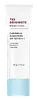 Key Ingredients
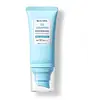
Benefits
Concerns
Ingredients Side-by-side
Water
Skin ConditioningEthylhexyl Methoxycinnamate
UV Absorber


Octocrylene
UV Absorber
Ethylhexyl Salicylate
UV Absorber
Isododecane
EmollientSilica
Abrasive


Glycerin
Humectant


Propylene Glycol
Humectant
Pentylene Glycol
Skin Conditioning
Bis-Ethylhexyloxyphenol Methoxyphenyl Triazine
Skin Conditioning
Cetyl Alcohol
Emollient


Phenoxyethanol
Preservative
Polymethylsilsesquioxane

Niacinamide
Smoothing







Polysorbate 80
Emulsifying
Panthenol
Skin Conditioning
Tremella Fuciformis Polysaccharide
Emulsion Stabilising
Ethylhexylglycerin
Skin ConditioningDisodium EDTA
Zinc Oxide
Cosmetic Colorant
Sodium Hyaluronate
Humectant
Butylene Glycol
Humectant
3-O-Ethyl Ascorbic Acid
Skin Conditioning
Caprylic/Capric Triglyceride
Masking
Avena Sativa Straw Extract
Skin ConditioningArtemisia Argyi Leaf Extract
Skin ConditioningHydrogenated Lecithin
Emulsifying
Behenyl Alcohol
Emollient
Octyldodecanol
Emollient
Hydroxyacetophenone
Antioxidant
Ceramide NP
Skin Conditioning
Ceramide AP
Skin Conditioning
Ceramide Ns
Skin Conditioning
Ceramide Ng
Skin Conditioning
Hyaluronic Acid
Humectant
Retinol
Skin Conditioning
Water, Ethylhexyl Methoxycinnamate, Octocrylene, Ethylhexyl Salicylate, Isododecane, Silica, Glycerin, Propylene Glycol, Pentylene Glycol, Bis-Ethylhexyloxyphenol Methoxyphenyl Triazine, Cetyl Alcohol, Phenoxyethanol, Polymethylsilsesquioxane, Niacinamide, Polysorbate 80, Panthenol, Tremella Fuciformis Polysaccharide, Ethylhexylglycerin, Disodium EDTA, Zinc Oxide, Sodium Hyaluronate, Butylene Glycol, 3-O-Ethyl Ascorbic Acid, Caprylic/Capric Triglyceride, Avena Sativa Straw Extract, Artemisia Argyi Leaf Extract, Hydrogenated Lecithin, Behenyl Alcohol, Octyldodecanol, Hydroxyacetophenone, Ceramide NP, Ceramide AP, Ceramide Ns, Ceramide Ng, Hyaluronic Acid, Retinol
Water
Skin ConditioningPentylene Glycol
Skin Conditioning
Coco-Caprylate/Caprate
Emollient
Ethylhexyl Methoxycinnamate
UV Absorber
Glycerin
Humectant
Dimethicone
Emollient
Butylene Glycol
Humectant
Caprylyl Methicone
Skin Conditioning
C12-15 Alkyl Benzoate
AntimicrobialC14-22 Alcohols
Emulsion Stabilising
Ceramide EOP
Skin Conditioning
Ceramide Ns
Skin Conditioning
Ceramide Ng
Skin Conditioning
Ceramide NP
Skin Conditioning
Ceramide As
Skin Conditioning
Ceramide AP
Skin Conditioning
Hyaluronic Acid
Humectant
Centella Asiatica Extract
Cleansing
Bis-Ethylhexyloxyphenol Methoxyphenyl Triazine
Skin Conditioning
Glycereth-26
Humectant
Triacontanyl Pvp
HumectantMethylene Bis-Benzotriazolyl Tetramethylbutylphenol
UV Filter
Ethylhexyl Triazone
UV Absorber
Decyl Glucoside
Cleansing
Sorbitan Caprylate
EmulsifyingSteareth-21
CleansingTocopheryl Acetate
Antioxidant
C12-20 Alkyl Glucoside
EmulsifyingAmmonium Acryloyldimethyltaurate/Vp Copolymer
Ectoin
Skin Conditioning
Aluminum Starch Octenylsuccinate
Absorbent
Allantoin
Skin Conditioning
Bisabolol
Antioxidant
Bifida Ferment Filtrate
Skin Conditioning
Disodium EDTA
Acrylates/C10-30 Alkyl Acrylate Crosspolymer
Emulsion StabilisingPortulaca Oleracea Extract
Skin Conditioning
Sodium Hyaluronate
Humectant
Maris Aqua
HumectantXanthan Gum
Emulsifying1,2-Hexanediol
Skin Conditioning
Hydroxyacetophenone
Antioxidant
Phormidium Persicinum Extract
Antioxidant
Hydrolyzed Rhodophyceae Extract
Pancratium Maritimum Extract
BleachingWater, Pentylene Glycol, Coco-Caprylate/Caprate, Ethylhexyl Methoxycinnamate, Glycerin, Dimethicone, Butylene Glycol, Caprylyl Methicone, C12-15 Alkyl Benzoate, C14-22 Alcohols, Ceramide EOP, Ceramide Ns, Ceramide Ng, Ceramide NP, Ceramide As, Ceramide AP, Hyaluronic Acid, Centella Asiatica Extract, Bis-Ethylhexyloxyphenol Methoxyphenyl Triazine, Glycereth-26, Triacontanyl Pvp, Methylene Bis-Benzotriazolyl Tetramethylbutylphenol, Ethylhexyl Triazone, Decyl Glucoside, Sorbitan Caprylate, Steareth-21, Tocopheryl Acetate, C12-20 Alkyl Glucoside, Ammonium Acryloyldimethyltaurate/Vp Copolymer, Ectoin, Aluminum Starch Octenylsuccinate, Allantoin, Bisabolol, Bifida Ferment Filtrate, Disodium EDTA, Acrylates/C10-30 Alkyl Acrylate Crosspolymer, Portulaca Oleracea Extract, Sodium Hyaluronate, Maris Aqua, Xanthan Gum, 1,2-Hexanediol, Hydroxyacetophenone, Phormidium Persicinum Extract, Hydrolyzed Rhodophyceae Extract, Pancratium Maritimum Extract
Reviews
Ingredients Explained
These ingredients are found in both products.
Ingredients higher up in an ingredient list are typically present in a larger amount.
You might know this ingredient as Tinosorb S or Bemotrizinol. It is a UV filter that covers both UVA and UVB rays.
This ingredient has two peak UV absorption peaks ( 310 and 340 nm) and is able to absorb both UV-A and UV-B rays. This ingredient works by preventing UV rays from reaching and damaging your skin.
On top of that - it is highly photostable and helps prevent the photodegration of other sunscreen ingredients such as avobenzone.
Tinosorb S is allowed in the EU, Australia, and Asia. It is close to being approved by the FDA and we'll hopefully get this ingredient in the U.S. by late 2026.
Fun fact: Tinosorb S is the most effective UV absorber at maximum concentration (measured by SPF) permitted in the EU.
This ingredient is oil-soluble, so your oil-cleansers will take this right off at night.
Learn more about Bis-Ethylhexyloxyphenol Methoxyphenyl TriazineButylene Glycol (or BG) is used within cosmetic products for a few different reasons:
Overall, Butylene Glycol is a safe and well-rounded ingredient that works well with other ingredients.
Though this ingredient works well with most skin types, some people with sensitive skin may experience a reaction such as allergic rashes, closed comedones, or itchiness.
Learn more about Butylene GlycolCeramide AP is is a skin-identical lipid that mimics what your skin already makes naturally. Ceramides help maintain epidermal integrity and barrier function.
You'll often see this ingredient paired with other ceramides (like ceramide NP), cholesterol, or fatty acids because this combination best mimics the natural lipid mix your skin already has.
The skin's ability to produce ceramides gets disrupted in skin conditions like eczema. This in turn weakens the skin barrier and applying ceramides topically has been shown to replenish what's been lost to restore barrier function.
Most of the studies with Ceramide AP test it as part of a multi-ceramide complex; studies reinforce ceramide AP's role in rebalancing ceramides in skin and improving skin hydration.
Learn more about Ceramide APCeramide NG is a type of Ceramide. The NG stands for a sphinganine base.
Ceramides are intercellular lipids naturally found in our skin that bonds dead skin cells together to create a barrier. They are known for their ability to hold water and thus are a great ingredient for dry skin.
Ceramides are an important building block for our skin barrier. A stronger barrier helps the skin look more firm and hydrated. By bolstering the skin ceramides act as a barrier against irritating ingredients. This can help with inflammation as well.
If you would like to eat ceramides, sweet potatoes contain a small amount.
Read more about other common types of ceramides here:
Ceramide AP
Ceramide EOP
Ceramide NP
Ceramide NP (formerly known as Ceramide 3) is one of the skin's naturally occurring lipids.
Since ceramides are the major lipid components of the skin, they are crucial for maintaining skin barrier and hydration. Ceramide NP most closely mirrors the dominant kind in human skin amongst ceramide subtypes.
This ceramide works by slotting into gaps within the stratum corneum's lipid matrix to limit trans-epidermal water loss (TEWL) and shield the skin against external irritants.
A study with 312 patients found that using a ceramide-containing routine for 4 weeks reduced the severity of atopic dermatitis by over 61%.
Another clinical study in subjects aged 60 and older found that a ceramide body wash and moisturizer improved skin dryness and itchy skin in 15 days.
Overall, ceramides are considered non-irritating and safety tests have found little to no observable adverse effects from using this ingredient.
Ceramide NP is usually sourced from plants (like soybean or rice bran), or produced synthetically.
Learn more about Ceramide NPCeramide NS is formally known as Ceramide 2. It is one of the major ceramides in the stratum corneum (outermost layer of skin) plays a role in forming a protective barrier.
Due to its structure, skin lipids can be packed tightly and in turn, this strengthens the barrier and reduces water loss.
Studies show conditions like atopic dermatitis can worsen when ceramide NS levels are low.
Learn more about Ceramide NsDisodium EDTA is a chelating agent. It grabs onto and deactivates metal ions that sneak into your products from water, packaging, or air.
This ingredient mainly works behind the scenes and helps with:
On top of that, this ingredient can counteract the effects of hard water by binding to the minerals in it.
One thing worth knowing is that Disodium EDTA has been shown to be a mild penetration enhancer. It can help other ingredients absorb into skin more effectively which can be a double-edged sword (great for actives, but can also make the active too strong if you have sensitive skin).
Clinical patch testing showed no significant skin irritation at typical use concentrations and minimal dermal absorption.
You'll most likely see this ingredient near the end of an ingredient list. It's typically found in concentrations less than 1%.
Learn more about Disodium EDTAEthylhexyl Methoxycinnamate is an organic compound that provides UVB protection. It often goes by the more common name of octinoxate. It is created from methoxycinnamic acid and 2-ethylhexanol.
Ethylhexyl Methoxycinnamate absorbs UVB rays with wavelengths between 280-320 nm. UV absorbers protect your skin by using chemical reactions to convert UV rays into heat and energy.
UVB (290-320 nm) rays emit more energy than UVA rays. They are capable of damaging DNA, causing sunburns and are thought to be linked to skin cancer.
The state of Hawaii has banned sunscreens containing octinoxate due to its potential impact on coral reefs. More research is needed to bridge gaps in this research. The European Union allows higher levels of octinoxate in sunscreens than the US and Australia.
Ethylhexyl Methoxycinnamate is oil soluble. It is not stable and may lose efficacy when exposed to sunlight.
Learn more about Ethylhexyl MethoxycinnamateGlycerin (or glycerol) is a compound naturally found in your skin. It's a powerhouse humectant that pulls water into the stratum corneum.
Topically, glycerin does several things at once:
Your skin makes glycerin on its own (mostly from sebaceous oil breakdown) and shuttles it to your outermost layer of skin, or your epidermis, via aquaporin-3.
Aquaporin-3 is a transporter that is essential for normal skin hydration, elasticity, and repair. Interestingly, mice lacking in AQP3 have dry and less elastic skin that can be fully corrected with glycerin.
This ingredient is non-irritating, plays well with almost every ingredient, and works across all skin types. Typical use is anywhere between 3-10% but can go up to 79% in some leave-on products.
Just know very high concentrations (>40%) can feel tacky in low humidity.
Glycerin is the name for this ingredient in American English. British English uses Glycerol/Glycerine.
Learn more about GlycerinHyaluronic acid (HA) is a glycosaminoglycan (basically a long sugar chain) that your skin already makes on its own. In your skin, HA lives in the extracellular matrix and acts as the body's moisture reservoir.
Topically, HA is a humectant that binds water and helps skin look more plump, smooth, and hydrated.
The only catch is that HA isn't a single thing; it actually comes in a wide range of molecular weights (~50 - 2,000+ kDA) and size matters.
Some clinical evidence links low molecular weight versions to improved wrinkle depth, elasticity, anti-inflammatory effects, and barrier repair.
This is why the best HA serums blend the two sizes together so you get the best of both worlds.
The majority of cosmetic HA is produced by bacterial fermentation, typically using Streptococcus or Bacillus strains. Typical use levels in skincare sit around 0.1-2%.
A clinical study using a 0.2% low-molecular weight HA gel showed improvement in facial seborrheic dermatitis with excellent tolerance.
These are some other common types of Hyaluronic Acid:
Learn more about Hyaluronic AcidHydroxyacetophenone is antioxidant with skin conditioning and soothing properties. It also boosts the efficiency of preservatives.
Though naturally occuring in Norwegian spruce needles, this ingredient is usually synthetically created.
This ingredient is not irritating or sensitizing. Recent research also suggests it may have skin-brightening effects through tyrosinase inhibition.
Learn more about HydroxyacetophenonePentylene glycol is typically used within a product to thicken it. It also adds a smooth, soft, and moisturizing feel to the product. It is naturally found in plants such as sugar beets.
The hydrophilic trait of Pentylene Glycol makes it a humectant. As a humectant, Pentylene Glycol helps draw moisture from the air to your skin. This can help keep your skin hydrated.
This property also makes Pentylene Glycol a great texture enhancer. It can also help thicken or stabilize a product.
Pentylene Glycol also acts as a mild preservative and helps to keep a product microbe-free.
Some people may experience mild eye and skin irritation from Pentylene Glycol. We always recommend speaking with a professional about using this ingredient in your routine.
Pentylene Glycol has a low molecular weight and is part of the 1,2-glycol family.
Learn more about Pentylene GlycolSodium Hyaluronate is the salt form of hyaluronic acid. It is a long sugar chain that is naturally found in your skin, joints, and connective tissue that maintains hydration and elasticity.
In skincare, it works as a humectant. It pulls water from the environment and deeper layers of skin and binds it to the surface.
Interestingly, the size of the molecule affects its behavior:
Some clinical evidence links low molecular weight versions to improved wrinkle depth, elasticity, anti-inflammatory effects, and barrier repair.
Many serums use a blend of both weights so you can get surface hydration plus longer-lasting and deeper effects.
You'll typically see concentrations between 0.1-2% for this ingredient.
Learn more about Sodium HyaluronateWater. It's the most common cosmetic ingredient of all. You'll usually see it at the top of ingredient lists, meaning that it makes up the largest part of the product.
So why is it so popular? Water most often acts as a solvent - this means that it helps dissolve other ingredients into the formulation.
You'll also recognize water as that liquid we all need to stay alive. If you see this, drink a glass of water. Remember to stay hydrated!
Learn more about Water
