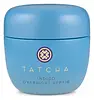
This barrier-repair night moisturizer is formulated around Camellia Sinensis Leaf and Ceramide Ng to strengthen the skin barrier and calm redness.
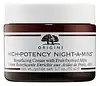
This brightening night moisturizer is formulated around Squalane and Lactic Acid to brighten dull-looking skin and hydrate skin.

What's inside
What's inside
 Key Ingredients
Benefits
Concerns
Ingredients Side-by-side
Water
Skin ConditioningDimethicone
Emollient

Diglycerin
Humectant
Camellia Sinensis Leaf
Perfuming




Glycerin
Humectant
Diphenylsiloxy Phenyl Trimethicone
Skin Conditioning
Neopentyl Glycol Diethylhexanoate
Emollient
Butylene Glycol
Humectant
Diisostearyl Malate
EmollientPEG-10 Dimethicone
Skin Conditioning
Propanediol
Solvent
Disteardimonium Hectorite
StabilisingOphiopogon Japonicus Root Extract
Skin ConditioningIndigofera Tinctoria Leaf Extract
Skin ConditioningCeramide Ng
Skin Conditioning
Palmitic Acid
Emollient




Linoleic Acid
Cleansing
Sodium Hyaluronate
Humectant
Polygonum Tinctorium Leaf/Stem Extract
Skin ConditioningCetyl Alcohol
Emollient

Sucrose Stearate
EmollientSucrose Palmitate
EmollientMaltodextrin
Absorbent
Sargassum Vulgare Extract
Skin ConditioningSaccharomyces Ferment Filtrate
Humectant
Hydrolyzed Lagenaria Siceraria Fruit Juice
Skin ConditioningSalvia Miltiorrhiza Root Extract
Skin ConditioningTocopherol
Antioxidant


Lauryl PEG-9 Polydimethylsiloxyethyl Dimethicone
Skin Conditioning
Magnesium Sulfate
Hydrogenated Lecithin
Emulsifying
Phytosterols
Skin Conditioning
Ethylhexylglycerin
Skin ConditioningPhenoxyethanol
Preservative
Mica
Cosmetic ColorantCI 77891
Cosmetic ColorantWater, Dimethicone, Diglycerin, Camellia Sinensis Leaf, Glycerin, Diphenylsiloxy Phenyl Trimethicone, Neopentyl Glycol Diethylhexanoate, Butylene Glycol, Diisostearyl Malate, PEG-10 Dimethicone, Propanediol, Disteardimonium Hectorite, Ophiopogon Japonicus Root Extract, Indigofera Tinctoria Leaf Extract, Ceramide Ng, Palmitic Acid, Linoleic Acid, Sodium Hyaluronate, Polygonum Tinctorium Leaf/Stem Extract, Cetyl Alcohol, Sucrose Stearate, Sucrose Palmitate, Maltodextrin, Sargassum Vulgare Extract, Saccharomyces Ferment Filtrate, Hydrolyzed Lagenaria Siceraria Fruit Juice, Salvia Miltiorrhiza Root Extract, Tocopherol, Lauryl PEG-9 Polydimethylsiloxyethyl Dimethicone, Magnesium Sulfate, Hydrogenated Lecithin, Phytosterols, Ethylhexylglycerin, Phenoxyethanol, Mica, CI 77891
Water
Skin ConditioningMethyl Trimethicone
Skin Conditioning
Squalane
Emollient
Caprylic/Capric Triglyceride
Masking
Polysorbate 40
Emulsifying
Cetyl Alcohol
Emollient
Butylene Glycol
Humectant
Dimethicone
Emollient
Myristyl Alcohol
Emollient
PEG-100 Stearate
Surfactant
Jojoba Esters
Emollient
Glycerin
Humectant
Citrus Aurantium Amara Peel Oil
Skin Conditioning

Citrus Aurantium Dulcis Peel Oil
Masking
Citrus Aurantium Amara Flower Oil
Masking
Cinnamomum Zeylanicum Leaf Oil
Masking

Valeriana Officinalis Root Oil
Masking
Ferula Galbaniflua Resin Oil
Antimicrobial
Citrus Aurantium Dulcis Fruit Extract
MaskingVanilla Planifolia Fruit Extract
Skin Conditioning
Limonene
Perfuming
Linalool
Perfuming
Citral
Perfuming
Citronellol
Perfuming
Coffea Arabica Seed Extract
Masking
Citric Acid
Buffering
Tartaric Acid
Buffering
Lactic Acid
Buffering

Salicylic Acid
Masking


Biotin
AntiseborrhoeicCastanea Sativa Seed Extract
Skin ConditioningTocopheryl Acetate
Antioxidant
Magnesium Ascorbyl Phosphate
Antioxidant
CI 77220
Cosmetic ColorantAloe Barbadensis Leaf Juice
Skin Conditioning
Sucrose
Humectant
Elaeis Guineensis Oil
Emollient
Hordeum Vulgare Extract
EmollientTriticum Vulgare Germ Extract
Skin ConditioningGlyceryl Stearate
Emollient
Simmondsia Chinensis Butter
Skin Conditioning
Hypnea Musciformis Extract
Skin Protecting
Linoleic Acid
Cleansing
Gelidiella Acerosa Extract
Skin Protecting
Squalene
Emollient
Phospholipids
Skin Conditioning
Phytosterols
Skin Conditioning
Tocotrienols
Skin Conditioning
Ethylhexylglycerin
Skin ConditioningCarbomer
Emulsion StabilisingTrehalose
Humectant
Sodium PCA
Humectant
Arginine
Masking
Caprylyl Glycol
Emollient
Cetearyl Alcohol
Emollient
Sodium Hyaluronate
Humectant
Tocopherol
Antioxidant
Ceteareth-20
Cleansing
Hexylene Glycol
EmulsifyingTromethamine
BufferingSodium Dehydroacetate
Preservative
Phenoxyethanol
Preservative
Water, Methyl Trimethicone, Squalane, Caprylic/Capric Triglyceride, Polysorbate 40, Cetyl Alcohol, Butylene Glycol, Dimethicone, Myristyl Alcohol, PEG-100 Stearate, Jojoba Esters, Glycerin, Citrus Aurantium Amara Peel Oil, Citrus Aurantium Dulcis Peel Oil, Citrus Aurantium Amara Flower Oil, Cinnamomum Zeylanicum Leaf Oil, Valeriana Officinalis Root Oil, Ferula Galbaniflua Resin Oil, Citrus Aurantium Dulcis Fruit Extract, Vanilla Planifolia Fruit Extract, Limonene, Linalool, Citral, Citronellol, Coffea Arabica Seed Extract, Citric Acid, Tartaric Acid, Lactic Acid, Salicylic Acid, Biotin, Castanea Sativa Seed Extract, Tocopheryl Acetate, Magnesium Ascorbyl Phosphate, CI 77220, Aloe Barbadensis Leaf Juice, Sucrose, Elaeis Guineensis Oil, Hordeum Vulgare Extract, Triticum Vulgare Germ Extract, Glyceryl Stearate, Simmondsia Chinensis Butter, Hypnea Musciformis Extract, Linoleic Acid, Gelidiella Acerosa Extract, Squalene, Phospholipids, Phytosterols, Tocotrienols, Ethylhexylglycerin, Carbomer, Trehalose, Sodium PCA, Arginine, Caprylyl Glycol, Cetearyl Alcohol, Sodium Hyaluronate, Tocopherol, Ceteareth-20, Hexylene Glycol, Tromethamine, Sodium Dehydroacetate, Phenoxyethanol
Reviews
Ingredients Explained
These ingredients are found in both products.
Ingredients higher up in an ingredient list are typically present in a larger amount.
Butylene Glycol (or BG) is used within cosmetic products for a few different reasons:
Overall, Butylene Glycol is a safe and well-rounded ingredient that works well with other ingredients.
Though this ingredient works well with most skin types, some people with sensitive skin may experience a reaction such as allergic rashes, closed comedones, or itchiness.
Learn more about Butylene GlycolCetyl Alcohol is a fatty alcohol. Fatty Alcohols are most often used as an emollient or to thicken a product.
Its main roles are:
Though it has "alcohol" in the name, it is not related to denatured alcohol or ethyl alcohol.
The FDA allows products labeled "alcohol-free" to have fatty alcohols.
This ingredient may not be fungal acne safe. It is a primary fatty alcohol with a chain length above 12 carbons. A study from 2019 show Malassezia can feed on fatty alcohols in this range, so it may trigger fungal acne in those prone to it.
Learn more about Cetyl AlcoholDimethicone is a type of synthetic silicone created from natural materials such as quartz. It is also known as polydimethylsiloxane.
What it does:
Dimethicone comes in different viscosities:
Depending on the viscosity, dimethicone has different properties.
Ingredients lists don't always show which type is used, so we recommend reaching out to the brand if you have questions about the viscosity.
This ingredient is unlikely to cause irritation because it does not get absorbed into skin. However, people with silicone allergies should be careful about using this ingredient.
Note: Dimethicone may contribute to pilling. This is because it is not oil or water soluble, so pilling may occur when layered with products. When mixed with heavy oils in a formula, the outcome is also quite greasy.
Learn more about DimethiconeEthylhexylglycerin is created from glycerin. It is a multitasker ingredient that:
The CIR Expert Panel found minimal skin absorption or sensitization of any kind in a safety assessment. Though this ingredient is considered well-tolerated, a small number of cases of allergic dermatitis have been published since 2002. Just be sure to patch test if you are unsure.
Industry-reported use ranges from 8% in rinse-off products and 2% in leave-on formulations.
Learn more about EthylhexylglycerinGlycerin (or glycerol) is a compound naturally found in your skin. It's a powerhouse humectant that pulls water into the stratum corneum.
Topically, glycerin does several things at once:
Your skin makes glycerin on its own (mostly from sebaceous oil breakdown) and shuttles it to your outermost layer of skin, or your epidermis, via aquaporin-3.
Aquaporin-3 is a transporter that is essential for normal skin hydration, elasticity, and repair. Interestingly, mice lacking in AQP3 have dry and less elastic skin that can be fully corrected with glycerin.
This ingredient is non-irritating, plays well with almost every ingredient, and works across all skin types. Typical use is anywhere between 3-10% but can go up to 79% in some leave-on products.
Just know very high concentrations (>40%) can feel tacky in low humidity.
Glycerin is the name for this ingredient in American English. British English uses Glycerol/Glycerine.
Learn more about GlycerinLinoleic Acid is also known as Vitamin F. It is a fatty acid with emollient and skin conditioning properties.
Our top layer of skin, or epidermis, naturally contains high amounts of linoleic acid.
Your body uses linoleic acid to build ceramides and prostaglandins. Ceramides keep your skin's barrier hydrated and strong while prosaglandins help control inflammation and healing.
Needless to say, linoleic acid is crucial for having a strong skin barrier.
One study found applying linoleic acid rich sunflower oil to be more effective at repairing the skin barrier than olive oil.
This ingredient can also help treat acne by softening sebum to prevent clogged pores. Another study found using 2.5% linoleic acid gel for 4 weeks showed a 25% reduction in small comedones.
Studies show it can also help lighten hyperpigmentation or sun spots by disrupting the melanin production process. It also helps your skin shed melanin pigment from your skin caused by UV exposure.
Due to its role in the production of the fatty acid prostaglandin, linoleic acid can also help reduce inflammation and support wound healing.
Fun fact: Linoleic acid is an essential fatty acid. This means our bodies cannot create it on its own and we need to get it through foods such as nuts and vegetable oils.
Just know this ingredient is not always fungal-acne safe because it is a long-chain fatty acid (with 18 carbon atoms) that directly feeds the Malassezia yeast responsible for fungal acne.
Learn more about Linoleic AcidPhenoxyethanol is one of the most widely used preservatives in skincare (and for good reason!).
It has a large spectrum of antimicrobial activity and especially effective bacteria, yeast, and mold while only having a weak effect on your skin's natural microbiome.
On a cellular level, it disrupts the cell membranes of microbes by poking holes that make the cell leak. This shuts down the chemical reactions the microbe needs to make energy so it can no longer survive.
Another perk of this ingredient is that it stays functional across a wide pH range (3-10).
You'll often see it paired with boosters like Ethylhexylglycerin; one study showed that a 1:9 ratio of Ethylhexylglycerin to Phenoxyethanol damages bacterial membranes as effectively as doubling the Phenoxyethanol concentration on its own.
Typical use concentrations range from 0.3-1% depending on the formula, and this ingredient is capped at 1% int the EU.
Safety-wise, the fear mongering does not hold up to the evidence. The EU's Scientific Committee on Consumer Safety and FDA consider it safe as a preservative at up to 1%, including for children of all ages.
Adverse systemic effects only showed up in animal studies at exposures roughly 200x higher than what people get from cosmetics. And despite its very widespread use, this ingredient is a rare sensitizer and allergic reactions are uncommon.
Learn more about PhenoxyethanolPhytosterols are plant-derived sterols (you can think of them as the plant world's version of cholesterol). In cosmetics, this ingredient is usually sourced from soybean, rice bran, shea, sunflower, and other seed oils.
The main actors in this group are β-sitosterol, campesterol, and stigmasterol (the CIR covers 27 phytosterols).
They work by fitting perfectly into your stratum corneum's lipid matrix since they're structurally similar to cholesterol. Here, they reinforce your skin's barrier.
One small in vivo human study showed topical soybean phytosterols sped up barrier recovery within three days on tape-stripped skin.
Broader research credits them with:
Formulation use typically sit under 5%.
Testing in soy-allergic subjects found no sensitization signals, but be sure to patch test if you are unsure or have existing allergies.
Learn more about PhytosterolsSodium Hyaluronate is the salt form of hyaluronic acid. It is a long sugar chain that is naturally found in your skin, joints, and connective tissue that maintains hydration and elasticity.
In skincare, it works as a humectant. It pulls water from the environment and deeper layers of skin and binds it to the surface.
Interestingly, the size of the molecule affects its behavior:
Some clinical evidence links low molecular weight versions to improved wrinkle depth, elasticity, anti-inflammatory effects, and barrier repair.
Many serums use a blend of both weights so you can get surface hydration plus longer-lasting and deeper effects.
You'll typically see concentrations between 0.1-2% for this ingredient.
Learn more about Sodium HyaluronateTocopherol is a fat-soluble antioxidant known as Vitamin E.
You'll find this ingredient in the vast majority of skincare (for good reason). It works to neutralize free radicals, or unstable molecules generated by UV exposure, pollution, and other environmental stressors, before they can cause oxidative damage to your skin cells.
Topically applied tocopherol has been shown to protect against UV damage by ramping up the skin's own natural defense enzymes.
It also acts as a skin conditioning agent; some studies show that regular topical use can improve the skin's water-binding capacity over 2-4 weeks.
This ingredient is especially loved for being a team player. When combined with Vitamin C, the photoprotective effect of both ingredients roughly doubles and the combo also helps reduce UV-induced DNA damage.
This ingredient has some brightening potential but it's more of a prevention ingredient than spot-fader. Cell studies show it can slow down melanin production but it's worth noting that it's not the most powerful brightener out there.
In formulations, it also serves as a stabilizer that helps protect other oxidation-prone ingredients from degrading.
Concentrations usually range from 0.1-1% in most leave-on products.
Learn more about TocopherolWater. It's the most common cosmetic ingredient of all. You'll usually see it at the top of ingredient lists, meaning that it makes up the largest part of the product.
So why is it so popular? Water most often acts as a solvent - this means that it helps dissolve other ingredients into the formulation.
You'll also recognize water as that liquid we all need to stay alive. If you see this, drink a glass of water. Remember to stay hydrated!
Learn more about Water

