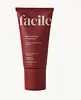
This barrier-repair moisturizer is formulated around Linoleic Acid and Ectoin to strengthen the skin barrier and hydrate skin.
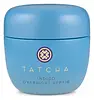
This barrier-repair night moisturizer is formulated around Camellia Sinensis Leaf and Ceramide Ng to strengthen the skin barrier and calm redness.

What's inside
What's inside
 Key Ingredients
Benefits
Concerns
Ingredients Side-by-side
Water
Skin ConditioningCaprylic/Capric Triglyceride
Masking


Propanediol
Solvent
C18-21 Alkane
SolventTridecyl Trimellitate
EmollientStearic Acid
Cleansing


Glyceryl Stearate
Emollient
Linoleic Acid
Cleansing


Cetyl Palmitate
Emollient
Ectoin
Skin Conditioning


1,2-Hexanediol
Skin Conditioning
Hydrogenated Polyisobutene
EmollientOlive Glycerides
Emulsifying
Linolenic Acid
Cleansing

Sodium Hyaluronate
Humectant
Cetearyl Phosphate
Skin Conditioning
Carbomer
Emulsion StabilisingSodium Hydroxide
BufferingPalmitic Acid
Emollient

Glyceryl Dioleate
Emollient
Ceramide NP
Skin Conditioning
Sodium Acrylate/Sodium Acryloyldimethyl Taurate Copolymer
Emulsion StabilisingCaprylhydroxamic Acid
ChelatingC15-19 Alkane
SolventTetrasodium Glutamate Diacetate
ChelatingCaramel
Cosmetic ColorantChondrus Crispus Extract
Skin Conditioning
Polyglyceryl-6 Laurate
Emulsifying
Tocopherol
Antioxidant


Hydroxyacetophenone
Antioxidant
Polyglycerin-6
HumectantSorbitan Oleate
Emulsifying
Sorbitan Isostearate
Emulsifying
Water, Caprylic/Capric Triglyceride, Propanediol, C18-21 Alkane, Tridecyl Trimellitate, Stearic Acid, Glyceryl Stearate, Linoleic Acid, Cetyl Palmitate, Ectoin, 1,2-Hexanediol, Hydrogenated Polyisobutene, Olive Glycerides, Linolenic Acid, Sodium Hyaluronate, Cetearyl Phosphate, Carbomer, Sodium Hydroxide, Palmitic Acid, Glyceryl Dioleate, Ceramide NP, Sodium Acrylate/Sodium Acryloyldimethyl Taurate Copolymer, Caprylhydroxamic Acid, C15-19 Alkane, Tetrasodium Glutamate Diacetate, Caramel, Chondrus Crispus Extract, Polyglyceryl-6 Laurate, Tocopherol, Hydroxyacetophenone, Polyglycerin-6, Sorbitan Oleate, Sorbitan Isostearate
Water
Skin ConditioningDimethicone
Emollient
Diglycerin
Humectant
Camellia Sinensis Leaf
Perfuming
Glycerin
Humectant
Diphenylsiloxy Phenyl Trimethicone
Skin Conditioning
Neopentyl Glycol Diethylhexanoate
Emollient
Butylene Glycol
Humectant
Diisostearyl Malate
EmollientPEG-10 Dimethicone
Skin Conditioning
Propanediol
Solvent
Disteardimonium Hectorite
StabilisingOphiopogon Japonicus Root Extract
Skin ConditioningIndigofera Tinctoria Leaf Extract
Skin ConditioningCeramide Ng
Skin Conditioning
Palmitic Acid
Emollient
Linoleic Acid
Cleansing
Sodium Hyaluronate
Humectant
Polygonum Tinctorium Leaf/Stem Extract
Skin ConditioningCetyl Alcohol
Emollient
Sucrose Stearate
EmollientSucrose Palmitate
EmollientMaltodextrin
Absorbent
Sargassum Vulgare Extract
Skin ConditioningSaccharomyces Ferment Filtrate
Humectant
Hydrolyzed Lagenaria Siceraria Fruit Juice
Skin ConditioningSalvia Miltiorrhiza Root Extract
Skin ConditioningTocopherol
Antioxidant
Lauryl PEG-9 Polydimethylsiloxyethyl Dimethicone
Skin Conditioning
Magnesium Sulfate
Hydrogenated Lecithin
Emulsifying
Phytosterols
Skin Conditioning
Ethylhexylglycerin
Skin ConditioningPhenoxyethanol
Preservative
Mica
Cosmetic ColorantCI 77891
Cosmetic ColorantWater, Dimethicone, Diglycerin, Camellia Sinensis Leaf, Glycerin, Diphenylsiloxy Phenyl Trimethicone, Neopentyl Glycol Diethylhexanoate, Butylene Glycol, Diisostearyl Malate, PEG-10 Dimethicone, Propanediol, Disteardimonium Hectorite, Ophiopogon Japonicus Root Extract, Indigofera Tinctoria Leaf Extract, Ceramide Ng, Palmitic Acid, Linoleic Acid, Sodium Hyaluronate, Polygonum Tinctorium Leaf/Stem Extract, Cetyl Alcohol, Sucrose Stearate, Sucrose Palmitate, Maltodextrin, Sargassum Vulgare Extract, Saccharomyces Ferment Filtrate, Hydrolyzed Lagenaria Siceraria Fruit Juice, Salvia Miltiorrhiza Root Extract, Tocopherol, Lauryl PEG-9 Polydimethylsiloxyethyl Dimethicone, Magnesium Sulfate, Hydrogenated Lecithin, Phytosterols, Ethylhexylglycerin, Phenoxyethanol, Mica, CI 77891
Reviews
Ingredients Explained
These ingredients are found in both products.
Ingredients higher up in an ingredient list are typically present in a larger amount.
Linoleic Acid is also known as Vitamin F. It is a fatty acid with emollient and skin conditioning properties.
Our top layer of skin, or epidermis, naturally contains high amounts of linoleic acid.
Your body uses linoleic acid to build ceramides and prostaglandins. Ceramides keep your skin's barrier hydrated and strong while prosaglandins help control inflammation and healing.
Needless to say, linoleic acid is crucial for having a strong skin barrier.
One study found applying linoleic acid rich sunflower oil to be more effective at repairing the skin barrier than olive oil.
This ingredient can also help treat acne by softening sebum to prevent clogged pores. Another study found using 2.5% linoleic acid gel for 4 weeks showed a 25% reduction in small comedones.
Studies show it can also help lighten hyperpigmentation or sun spots by disrupting the melanin production process. It also helps your skin shed melanin pigment from your skin caused by UV exposure.
Due to its role in the production of the fatty acid prostaglandin, linoleic acid can also help reduce inflammation and support wound healing.
Fun fact: Linoleic acid is an essential fatty acid. This means our bodies cannot create it on its own and we need to get it through foods such as nuts and vegetable oils.
Just know this ingredient is not always fungal-acne safe because it is a long-chain fatty acid (with 18 carbon atoms) that directly feeds the Malassezia yeast responsible for fungal acne.
Learn more about Linoleic AcidPalmitic Acid is a fatty acid naturally found in our skin and in many plant and animal sources.
In cosmetics, it is usually derived from palm oil. It serves many purposes in skincare, acting as a cleanser, emollient, and emulsifier.
Interestingly, topically applied Palmitic Acid can be elongated into longer chain fatty acids and ceramides. A 2019 study found low levels of Palmitic Acid lead to slower development of cells, suggesting it plays a role in keeping your skin's renewal process on track.
The CIR (Cosmetic Ingredient Review) panel determined it safe as used in cosmetics at concentrations up to 13%. It is non-irritating and non-sensitizing in clinical studies.
The culprit behind fungal acne, the Malassezia yeast, feeds on fatty acids with carbon chain lengths between C11-C24. Palmitic Acid, at C16, falls right into that sweet spot.
In vitro studies have shown that Palmitic Acid is one of the fatty acids that induce rapid Malassezia growth in lab settings.
It's worth noting that what feeds yeast in a lab doesn't necessarily feed it on your face since formulation and your skin's chemistry play a bigger role.
This ingredient does have a comedogenic rating of 2, but this doesn't mean a formula with this ingredient will clog pores.
Human testing has proved that any finished product with a comedogenic ingredient won't automatically make you break out; it really comes down to concentration, formula, and your skin.
Learn more about Palmitic AcidPropanediol is an all-star ingredient. It softens, hydrates, and smooths the skin.
It’s often used to:
Propanediol is not likely to cause sensitivity and considered safe to use. It is derived from corn or petroleum with a clear color and no scent.
Learn more about PropanediolSodium Hyaluronate is the salt form of hyaluronic acid. It is a long sugar chain that is naturally found in your skin, joints, and connective tissue that maintains hydration and elasticity.
In skincare, it works as a humectant. It pulls water from the environment and deeper layers of skin and binds it to the surface.
Interestingly, the size of the molecule affects its behavior:
Some clinical evidence links low molecular weight versions to improved wrinkle depth, elasticity, anti-inflammatory effects, and barrier repair.
Many serums use a blend of both weights so you can get surface hydration plus longer-lasting and deeper effects.
You'll typically see concentrations between 0.1-2% for this ingredient.
Learn more about Sodium HyaluronateTocopherol is a fat-soluble antioxidant known as Vitamin E.
You'll find this ingredient in the vast majority of skincare (for good reason). It works to neutralize free radicals, or unstable molecules generated by UV exposure, pollution, and other environmental stressors, before they can cause oxidative damage to your skin cells.
Topically applied tocopherol has been shown to protect against UV damage by ramping up the skin's own natural defense enzymes.
It also acts as a skin conditioning agent; some studies show that regular topical use can improve the skin's water-binding capacity over 2-4 weeks.
This ingredient is especially loved for being a team player. When combined with Vitamin C, the photoprotective effect of both ingredients roughly doubles and the combo also helps reduce UV-induced DNA damage.
This ingredient has some brightening potential but it's more of a prevention ingredient than spot-fader. Cell studies show it can slow down melanin production but it's worth noting that it's not the most powerful brightener out there.
In formulations, it also serves as a stabilizer that helps protect other oxidation-prone ingredients from degrading.
Concentrations usually range from 0.1-1% in most leave-on products.
Learn more about TocopherolWater. It's the most common cosmetic ingredient of all. You'll usually see it at the top of ingredient lists, meaning that it makes up the largest part of the product.
So why is it so popular? Water most often acts as a solvent - this means that it helps dissolve other ingredients into the formulation.
You'll also recognize water as that liquid we all need to stay alive. If you see this, drink a glass of water. Remember to stay hydrated!
Learn more about Water

