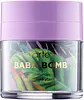
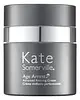
Tarte Baba Bomb 24-hour Hydrating Moisturizer Versus Kate Somerville Age Arrest Advanced Reviving Cream
This barrier-repair moisturizer is formulated around Olea Europaea Fruit Oil and Orbignya Oleifera Seed Oil to strengthen the skin barrier and hydrate skin.
This anti-aging moisturizer is formulated around Ergothioneine and Adenosine to soften the look of wrinkles.

What's inside
What's inside
 Key Ingredients
Benefits
Concerns
Ingredients Side-by-side
Water
Skin ConditioningCetyl Ethylhexanoate
EmollientGlycerin
Humectant


Butylene Glycol
Humectant
Hydrogenated Polydecene
EmollientPentylene Glycol
Skin Conditioning
Tribehenin PEG-20 Esters
EmollientHydrogenated Polyisobutene
EmollientOlea Europaea Fruit Oil
Masking





Glyceryl Stearate
Emollient
Orbignya Oleifera Seed Oil
Emollient
Palmitic Acid
Emollient
Sodium Acrylate/Sodium Acryloyldimethyl Taurate Copolymer
Emulsion StabilisingStearic Acid
Cleansing
Vinyldimethicone

Isohexadecane
EmollientTromethamine
BufferingAcrylates/C10-30 Alkyl Acrylate Crosspolymer
Emulsion StabilisingPolysorbate 80
Emulsifying
Persea Gratissima Oil
Skin Conditioning
Sorbitan Oleate
Emulsifying
Disodium EDTA
ChelatingMyristic Acid
Cleansing
Camellia Sinensis Seed Oil
Humectant
Camellia Sinensis Leaf Extract
Antimicrobial





1,2-Hexanediol
Skin Conditioning
Sodium Hyaluronate
Humectant
Hydrolyzed Ginseng Saponins
Skin ConditioningWater, Cetyl Ethylhexanoate, Glycerin, Butylene Glycol, Hydrogenated Polydecene, Pentylene Glycol, Tribehenin PEG-20 Esters, Hydrogenated Polyisobutene, Olea Europaea Fruit Oil, Glyceryl Stearate, Orbignya Oleifera Seed Oil, Palmitic Acid, Sodium Acrylate/Sodium Acryloyldimethyl Taurate Copolymer, Stearic Acid, Vinyldimethicone, Isohexadecane, Tromethamine, Acrylates/C10-30 Alkyl Acrylate Crosspolymer, Polysorbate 80, Persea Gratissima Oil, Sorbitan Oleate, Disodium EDTA, Myristic Acid, Camellia Sinensis Seed Oil, Camellia Sinensis Leaf Extract, 1,2-Hexanediol, Sodium Hyaluronate, Hydrolyzed Ginseng Saponins
Water
Skin ConditioningNeopentyl Glycol Diheptanoate
EmollientCaprylic/Capric Triglyceride
Masking
Cetearyl Alcohol
Emollient
Cocoglycerides
Emollient
Propanediol
Solvent
Glycerin
Humectant
Cetyl Esters
Emollient
Dimethicone
Emollient
Tridecyl Neopentanoate
EmollientStearyl Alcohol
Emollient
Glyceryl Stearate
Emollient
Ergothioneine
Antioxidant
Panthenol
Skin Conditioning
Tocopheryl Acetate
Antioxidant
Palmitoyl Dipeptide-10
Skin Conditioning
Kappaphycus Alvarezii Extract
Skin Conditioning
Tocopherol
Antioxidant
Tocotrienols
Skin Conditioning
Aloe Barbadensis Leaf Juice
Skin Conditioning
Avena Sativa Bran Extract
Abrasive
Hydrolyzed Hyaluronic Acid
Humectant
Adenosine
Skin Conditioning
Sea Whip Extract
Skin ConditioningTripleurospermum Maritimum Extract
Skin ProtectingRosmarinus Officinalis Leaf Extract
AntimicrobialLavandula Angustifolia Flower/Leaf/Stem Extract
Masking
Mentha Piperita Leaf Extract
Skin ConditioningPassiflora Incarnata Fruit Extract
Skin ConditioningAniba Rosaeodora Wood Extract
Masking
Camellia Sinensis Leaf Extract
Antimicrobial
Cananga Odorata Flower Extract
Perfuming
Cupressus Sempervirens Seed Extract
Perfuming
Fucus Vesiculosus Extract
Emollient
Prunus Armeniaca Fruit Extract
Skin ConditioningJasminum Officinale Flower/Leaf Extract
Masking
Vanilla Planifolia Fruit Extract
Skin Conditioning
Citrus Aurantium Bergamia Fruit Extract
Skin ConditioningSantalum Album Wood Extract
Perfuming
Coriandrum Sativum Seed Extract
Skin ConditioningCucumis Melo Cantalupensis Fruit Extract
AstringentCucumis Sativus Fruit Extract
Emollient
Prunus Persica Fruit Extract
Abrasive
Pyrus Malus Fruit Extract
Skin Conditioning
Rose Extract
Skin ConditioningRubus Idaeus Fruit Extract
AstringentTetrahexyldecyl Ascorbate
Antioxidant

Ceteareth-20
Cleansing
PEG-40 Stearate
Emulsifying
Sodium Acrylate/Sodium Acryloyldimethyl Taurate Copolymer
Emulsion StabilisingArachidyl Alcohol
Emollient
Elaeis Guineensis Oil
Emollient
Cetyl Alcohol
Emollient
Sorbitan Oleate
Emulsifying
Isohexadecane
EmollientXanthan Gum
EmulsifyingEthylhexylglycerin
Skin ConditioningPolysorbate 80
Emulsifying
Disodium EDTA
ChelatingPotassium Sorbate
Preservative
Citric Acid
Buffering
Phenoxyethanol
Preservative
Sodium Benzoate
Masking
Sorbic Acid
Preservative
Water, Neopentyl Glycol Diheptanoate, Caprylic/Capric Triglyceride, Cetearyl Alcohol, Cocoglycerides, Propanediol, Glycerin, Cetyl Esters, Dimethicone, Tridecyl Neopentanoate, Stearyl Alcohol, Glyceryl Stearate, Ergothioneine, Panthenol, Tocopheryl Acetate, Palmitoyl Dipeptide-10, Kappaphycus Alvarezii Extract, Tocopherol, Tocotrienols, Aloe Barbadensis Leaf Juice, Avena Sativa Bran Extract, Hydrolyzed Hyaluronic Acid, Adenosine, Sea Whip Extract, Tripleurospermum Maritimum Extract, Rosmarinus Officinalis Leaf Extract, Lavandula Angustifolia Flower/Leaf/Stem Extract, Mentha Piperita Leaf Extract, Passiflora Incarnata Fruit Extract, Aniba Rosaeodora Wood Extract, Camellia Sinensis Leaf Extract, Cananga Odorata Flower Extract, Cupressus Sempervirens Seed Extract, Fucus Vesiculosus Extract, Prunus Armeniaca Fruit Extract, Jasminum Officinale Flower/Leaf Extract, Vanilla Planifolia Fruit Extract, Citrus Aurantium Bergamia Fruit Extract, Santalum Album Wood Extract, Coriandrum Sativum Seed Extract, Cucumis Melo Cantalupensis Fruit Extract, Cucumis Sativus Fruit Extract, Prunus Persica Fruit Extract, Pyrus Malus Fruit Extract, Rose Extract, Rubus Idaeus Fruit Extract, Tetrahexyldecyl Ascorbate, Ceteareth-20, PEG-40 Stearate, Sodium Acrylate/Sodium Acryloyldimethyl Taurate Copolymer, Arachidyl Alcohol, Elaeis Guineensis Oil, Cetyl Alcohol, Sorbitan Oleate, Isohexadecane, Xanthan Gum, Ethylhexylglycerin, Polysorbate 80, Disodium EDTA, Potassium Sorbate, Citric Acid, Phenoxyethanol, Sodium Benzoate, Sorbic Acid
Reviews
Ingredients Explained
These ingredients are found in both products.
Ingredients higher up in an ingredient list are typically present in a larger amount.
Camellia Sinensis Leaf Extract (tea extract) is one of the most well-researched plant extracts in skincare with an impressive resume.
Black tea, green tea, and oolong tea are all harvested from the Camellia Sinensis plant.
Studies show green tea extract and its catechins (like epigallocatechin gallate (EGCG)) help your skin cells product energy more efficiently and reducing the number of free-radicals that can damage your skin from the inside.
In lab-grown skin models, this translated to younger, healthier, and stronger skin.
There's also good sun protection data; researchers saw less DNA damage and redness on human skin when green tea was applied before UVB exposure. And the more they applied, the better the protection.
Needless to say, this ingredient shouldn't replace your sunscreen. But it is a great supportive ingredient that you can already find in many sunscreens and antioxidant serums.
A 2009 study found a 2% green tea lotion was effective for mild-to-moderate acne thanks to its anti-inflammatory and mild antimicrobial activity.
The quality of the extract matters a lot here:
Good extracts contain 50-90% catechins while lower quality ones are mostly there for marketing. We recommend reaching out to the brand if you have questions about the quality or source of their ingredients.
Human Repeated Insult Patch Testing showed no irritation or sensitization at use concentrations (0.86% in leave-on products and up to 30% as leaf water).
Learn more about Camellia Sinensis Leaf ExtractDisodium EDTA is a chelating agent. It grabs onto and deactivates metal ions that sneak into your products from water, packaging, or air.
This ingredient mainly works behind the scenes and helps with:
On top of that, this ingredient can counteract the effects of hard water by binding to the minerals in it.
One thing worth knowing is that Disodium EDTA has been shown to be a mild penetration enhancer. It can help other ingredients absorb into skin more effectively which can be a double-edged sword (great for actives, but can also make the active too strong if you have sensitive skin).
Clinical patch testing showed no significant skin irritation at typical use concentrations and minimal dermal absorption.
You'll most likely see this ingredient near the end of an ingredient list. It's typically found in concentrations less than 1%.
Learn more about Disodium EDTAGlycerin (or glycerol) is a compound naturally found in your skin. It's a powerhouse humectant that pulls water into the stratum corneum.
Topically, glycerin does several things at once:
Your skin makes glycerin on its own (mostly from sebaceous oil breakdown) and shuttles it to your outermost layer of skin, or your epidermis, via aquaporin-3.
Aquaporin-3 is a transporter that is essential for normal skin hydration, elasticity, and repair. Interestingly, mice lacking in AQP3 have dry and less elastic skin that can be fully corrected with glycerin.
This ingredient is non-irritating, plays well with almost every ingredient, and works across all skin types. Typical use is anywhere between 3-10% but can go up to 79% in some leave-on products.
Just know very high concentrations (>40%) can feel tacky in low humidity.
Glycerin is the name for this ingredient in American English. British English uses Glycerol/Glycerine.
Learn more about GlycerinGlyceryl Stearate is made by reacting glycerin with stearic acid (typically sourced from plant oils like palm or coconut). It's an emulsifier, emollient, and mild occlusive.
Emulsifiers help ingredients like oil and water stay mixed so your formula stays nicely blended and uniform in texture.
This ingredient is typically used in concentrations between 1-10%. Studies have found it to be non-sensitizing, non-phototoxic, and non-photoallergenic.
A close cousin of this ingredient is Glyceryl Stearate SE ("self-emulsifying"). This just has a small amount of sodium or potassium stearate added so it can emulsify without a co-emulsifier.
Since this ingredient is an ester of a C18 fatty acid, it may not be fungal acne safe. The Malassezia yeast can potentially metabolize within the C11-C24 range.
Fun fact: The human body also creates Glyceryl Stearate naturally.
Learn more about Glyceryl StearateIsohexadecane is added to enhance texture, emulsify, and to help cleanse. It is an isoparrafin. It is a component of petrolatum.
Due to its large size, Isohexadecane is not absorbed by the skin. Instead, it sits on top and acts as an emollient. Emollients help keep your skin soft and smooth by trapping moisture within.
Isohexadecane is often used in products designed to help oily skin. It is lightweight and non-greasy while helping to moisturize. When mixed with silicones, it gives a product a silky feel.
Learn more about IsohexadecanePolysorbate 80 is a synthetic surfactant and emulsifier derived from sorbitol and oleic acid.
It reduces the surface tension between oil and water phases to help them stay mixed and stable in a formulation. In other words, it prevents your formulas from separating into an oily mess.
The CIR Expert Panel has evaluated the scientific data and found this ingredient to be safe, non-irritating, and non-sensitizing at concentrations up to 5% (it's even approved by the FDA as an OTC eye drop ingredient).
Learn more about Polysorbate 80This long ingredient is a copolymer of sodium acrylate and sodium acryloyldimethyl taurate monomers.
It is used to help stabilize other ingredients and create a thicker gel-like texture.
Emulsifiers prevent oils and waters from separating.
Learn more about Sodium Acrylate/Sodium Acryloyldimethyl Taurate CopolymerSorbitan Oleate is a PEG-free emulsifier made by esterifying sorbitol with oleic acid.
You'll likely see it paired with Polysorbate 80 to create the right emulsification balance.
Typical use levels in formulas range from 2-10%.
The CIR Expert Panel has concluded this ingredient to be safe as a cosmetic ingredient.
Since this ingredient is an ester of oleic acid, it may not be fungal acne safe. Oleic acid is a fatty acid that falls into the C11-24 range that Malassezia can metabolize.
This ingredient does have a comedogenic rating of 3, but this doesn't mean a formula with this ingredient will clog pores. Human testing has proved that any finished product with a comedogenic ingredient won't automatically make you break out; it really comes down to concentration, formula, and your skin.
Learn more about Sorbitan OleateWater. It's the most common cosmetic ingredient of all. You'll usually see it at the top of ingredient lists, meaning that it makes up the largest part of the product.
So why is it so popular? Water most often acts as a solvent - this means that it helps dissolve other ingredients into the formulation.
You'll also recognize water as that liquid we all need to stay alive. If you see this, drink a glass of water. Remember to stay hydrated!
Learn more about Water

