

What's inside
What's inside
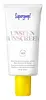 Key Ingredients
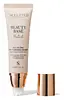
Benefits
Concerns
Ingredients Side-by-side
Butyl Methoxydibenzoylmethane 3%
UV Absorber
Homosalate 8%
Skin Conditioning
Ethylhexyl Salicylate 5%
UV Absorber
Octocrylene 4%
UV Absorber

Isododecane
EmollientDimethicone Crosspolymer
Emulsion Stabilising
Dimethicone/Bis-Isobutyl PPG-20 Crosspolymer
Emollient
Polymethylsilsesquioxane
Isohexadecane
EmollientDicaprylyl Carbonate
EmollientMeadowfoam Estolide
Skin ConditioningCaprylic/Capric Triglyceride
Masking


Polyester-7
Skin ConditioningNeopentyl Glycol Diheptanoate
EmollientLithothamnion Calcareum Extract
Skin ConditioningCaprylyl Glycol
Emollient
Butyrospermum Parkii Butter
Skin Conditioning



Jojoba Esters
Emollient
Mannitol
Humectant
Boswellia Serrata Resin Extract
SmoothingLecithin
Emollient
Microcrystalline Cellulose
AbsorbentDiatomaceous Earth
Abrasive

Zinc Sulfate
Antimicrobial
Silica
Abrasive
Tocopherol
Antioxidant





Butyl Methoxydibenzoylmethane 3%, Homosalate 8%, Ethylhexyl Salicylate 5%, Octocrylene 4%, Isododecane, Dimethicone Crosspolymer, Dimethicone/Bis-Isobutyl PPG-20 Crosspolymer, Polymethylsilsesquioxane, Isohexadecane, Dicaprylyl Carbonate, Meadowfoam Estolide, Caprylic/Capric Triglyceride, Polyester-7, Neopentyl Glycol Diheptanoate, Lithothamnion Calcareum Extract, Caprylyl Glycol, Butyrospermum Parkii Butter, Jojoba Esters, Mannitol, Boswellia Serrata Resin Extract, Lecithin, Microcrystalline Cellulose, Diatomaceous Earth, Zinc Sulfate, Silica, Tocopherol
Water
Skin ConditioningButyloctyl Salicylate
Skin Conditioning
Glycereth-26
Humectant
Ethylhexyl Salicylate
UV Absorber
Glycerin
Humectant
CI 77891
Cosmetic ColorantDibutyl Adipate
EmollientCoco-Caprylate/Caprate
Emollient
Pentaerythrityl Tetraisostearate
Emollient
Bis-Ethylhexyloxyphenol Methoxyphenyl Triazine
Skin Conditioning
Mica
Cosmetic ColorantGlyceryl Stearate
Emollient
PEG-100 Stearate
Surfactant
1,2-Hexanediol
Skin Conditioning
Methyl Methacrylate Crosspolymer
Cetyl Alcohol
Emollient
Acrylates Copolymer
Caprylyl Methicone
Skin Conditioning
Ceteareth-20
CleansingOleth-10
EmulsifyingTrideceth-9
EmulsifyingStearic Acid
Cleansing
Aluminum Hydroxide
EmollientPolysorbate 80
Emulsifying
Hydroxyacetophenone
Antioxidant
Phenoxyethanol
Preservative
Polyglyceryl-3 Distearate
Emulsifying
Ammonium Acryloyldimethyltaurate/Vp Copolymer
Parfum
Masking

Sodium Polyacrylate
Absorbent
Palmitic Acid
Emollient
CI 77492
Cosmetic ColorantBetaine
Humectant
Allantoin
Skin Conditioning
Trehalose
Humectant
Panthenol
Skin Conditioning
Hydroxyethylcellulose
Emulsion StabilisingTriethoxycaprylylsilane
Ethylhexylglycerin
Skin ConditioningSodium Hyaluronate
Humectant
Caprylyl Glycol
Emollient
Tocopherol
Antioxidant
Glyceryl Stearate Citrate
Emollient
Sodium Phytate
Arginine
Masking
CI 77491
Cosmetic ColorantPotassium Cetyl Phosphate
EmulsifyingPolyacrylate Crosspolymer-6
Emulsion StabilisingMyristic Acid
Cleansing
Silica
Abrasive
T-Butyl Alcohol
Perfuming

Butylene Glycol
Humectant
Polyglyceryl-10 Laurate
Skin Conditioning
Acetyl Hexapeptide-8
Humectant
Copper Tripeptide-1
Skin Conditioning
Tripeptide-1
Skin Conditioning
Palmitoyl Pentapeptide-4
Skin Conditioning
Hexapeptide-9
Skin Conditioning
Water, Butyloctyl Salicylate, Glycereth-26, Ethylhexyl Salicylate, Glycerin, CI 77891, Dibutyl Adipate, Coco-Caprylate/Caprate, Pentaerythrityl Tetraisostearate, Bis-Ethylhexyloxyphenol Methoxyphenyl Triazine, Mica, Glyceryl Stearate, PEG-100 Stearate, 1,2-Hexanediol, Methyl Methacrylate Crosspolymer, Cetyl Alcohol, Acrylates Copolymer, Caprylyl Methicone, Ceteareth-20, Oleth-10, Trideceth-9, Stearic Acid, Aluminum Hydroxide, Polysorbate 80, Hydroxyacetophenone, Phenoxyethanol, Polyglyceryl-3 Distearate, Ammonium Acryloyldimethyltaurate/Vp Copolymer, Parfum, Sodium Polyacrylate, Palmitic Acid, CI 77492, Betaine, Allantoin, Trehalose, Panthenol, Hydroxyethylcellulose, Triethoxycaprylylsilane, Ethylhexylglycerin, Sodium Hyaluronate, Caprylyl Glycol, Tocopherol, Glyceryl Stearate Citrate, Sodium Phytate, Arginine, CI 77491, Potassium Cetyl Phosphate, Polyacrylate Crosspolymer-6, Myristic Acid, Silica, T-Butyl Alcohol, Butylene Glycol, Polyglyceryl-10 Laurate, Acetyl Hexapeptide-8, Copper Tripeptide-1, Tripeptide-1, Palmitoyl Pentapeptide-4, Hexapeptide-9
Reviews
Ingredients Explained
These ingredients are found in both products.
Ingredients higher up in an ingredient list are typically present in a larger amount.
Caprylyl Glycol is a humectant, skin conditioner, emollient, and preservative booster derived from either caprylic acid or synthetically created.
Typical use levels vary from 0.3-1% as a preservative booster and go up to 2% to condition skin.
Because it is not a free-fatty acid, this ingredient is fungal acne safe (there's nothing for Malassezia to feed on).
Learn more about Caprylyl GlycolEthylhexyl Salicylate (also called Octisalate or Octyl Salicylate) is an oil-soluble organic UV filter that's been used in sunscreen since the 1950's.
It absorbs UVB light in the 280-320 nm range with a peak absorbance around 306 nm.
You'll often see it paired with other UV filters to boost overall SPF because octisalate is a fairly week filter on its own.
The reason you'll see it so often is because it can help solubilize and stabilize the trickier filters like oxybenzone and avobenzone.
Unlike these filters, octisalate has pretty good photostability and doesn't create skin-damaging free radicals when exposed to sunlight.
The fatty-alcohol part of the molecule also gives it a light, emollient feel so it doubles as a nice texture enhancer.
Usage levels vary around the world:
Safety-wise, this ingredient has a pretty reassuring track record. The EU's Scientific Committee on Consumer Products (SCCP) found very low skin penetration in human skin tests and negative results for irritation, phototoxicity, and photoallergy.
The real-world allergy risk is pretty low too; a 2012 European study of 1,031 people recorded only 2 reactions to it (a rate of 0.19%).
You might have seen scary headlines about sunscreen getting into your blood.
In 2019, the FDA found that several chemical filters can absorb through the skin and show up in the bloodstream at small but measurable levels.
Here's the important part: these tiny levels are just a cutoff the FDA uses to decide which ingredients need more testing and doesn't mean anything harmful was found.
The researchers were clear that the results are no reason to stop wearing sunscreen.
Learn more about Ethylhexyl SalicylateSilica, also known as silicon dioxide, is a naturally occurring mineral. It is used as a fine, spherical, and porous powder in cosmetics.
Though it has exfoliant properties, the function of silica varies depending on the product.
The unique structure of silica enhances the spreadability and adds smoothness, making it a great texture enhancer.
It is also used as an active carrier, emulsifier, and mattifier due to its ability to absorb excess oil.
In some products, tiny microneedles called spicules are made from silica or hydrolyzed sponge. When you rub them in, they lightly polish away dead skin layers and enhance the penetration of active ingredients.
Learn more about SilicaTocopherol is a fat-soluble antioxidant known as Vitamin E.
You'll find this ingredient in the vast majority of skincare (for good reason). It works to neutralize free radicals, or unstable molecules generated by UV exposure, pollution, and other environmental stressors, before they can cause oxidative damage to your skin cells.
Topically applied tocopherol has been shown to protect against UV damage by ramping up the skin's own natural defense enzymes.
It also acts as a skin conditioning agent; some studies show that regular topical use can improve the skin's water-binding capacity over 2-4 weeks.
This ingredient is especially loved for being a team player. When combined with Vitamin C, the photoprotective effect of both ingredients roughly doubles and the combo also helps reduce UV-induced DNA damage.
This ingredient has some brightening potential but it's more of a prevention ingredient than spot-fader. Cell studies show it can slow down melanin production but it's worth noting that it's not the most powerful brightener out there.
In formulations, it also serves as a stabilizer that helps protect other oxidation-prone ingredients from degrading.
Concentrations usually range from 0.1-1% in most leave-on products.
Learn more about Tocopherol

