Sungboon Editor Silk Peptide EGF Intensive Smoothing Toner Versus iNNBEAUTY PROJECT Skin Prep Exfoliating Pads
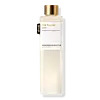
This anti-aging toner is formulated around Niacinamide and Sh-Oligopeptide-1 to soften the look of wrinkles and refine skin texture.
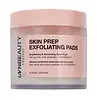
This smoothing exfoliating pad uses a pre-saturated pad with Glycolic Acid and Gluconolactone to refine skin texture and brighten dull-looking skin.


What's inside
What's inside
 Key Ingredients
Benefits
Concerns
Ingredients Side-by-side
Water
Skin ConditioningNiacinamide
Smoothing











Dipropylene Glycol
HumectantDiethoxyethyl Succinate
SolventHydroxyacetophenone
Antioxidant
Caprylyl Glycol
Emollient
Silk
Arginine
Masking
Carbomer
Emulsion StabilisingMica
Cosmetic ColorantHydroxyethylcellulose
Emulsion StabilisingTitanium Dioxide
Cosmetic Colorant

Adenosine
Skin Conditioning
Disodium EDTA
1,2-Hexanediol
Skin Conditioning
Glycerin
Humectant
Butylene Glycol
Humectant
Dipotassium Glycyrrhizate
Humectant
Hydrolyzed Silk
Humectant
Tin Oxide
Abrasive
Propanediol
Solvent
Octyldodecanol
Emollient
Hydrogenated Lecithin
Emulsifying
Lecithin
Emollient
Methylpropanediol
SolventCeramide NP
Skin Conditioning
Scutellaria Baicalensis Extract
AntimicrobialOcimum Sanctum Leaf Extract
Skin ConditioningCaprylic/Capric Triglyceride
Masking
Sh-Polypeptide-121
Skin Conditioning
Glycine Soja Peptide
Skin Conditioning
Sodium Palmitoyl Sarcosinate
CleansingCurcuma Longa Root Extract
Antioxidant
Acetyl Glutamine
Skin ConditioningBenzyl Glycol
SolventCorallina Officinalis Extract
Skin Conditioning
Sodium Hyaluronate
Humectant
Hydrolyzed Glycosaminoglycans
HumectantEthylhexylglycerin
Skin ConditioningHeptasodium Hexacarboxymethyl Dipeptide-12
Skin Conditioning
Bacillus/Folic Acid/Soybean Ferment Extract
Skin ConditioningDipeptide Diaminobutyroyl Benzylamide Diacetate
Skin Conditioning
Sodium Phosphate
BufferingDextran
Benzoic Acid
Masking

Sodium Benzoate
Masking
Sodium Hyaluronate Crosspolymer
Humectant
Silk Amino Acids
HumectantSilk Extract
Skin ConditioningHydrolyzed Elastin
EmollientMyristoyl Pentapeptide-17
Skin Conditioning
Myristoyl Pentapeptide-4
Skin Conditioning
Sh-Polypeptide-123
Skin Protecting
Hydrolyzed Hyaluronic Acid
Humectant
Palmitoyl Pentapeptide-5
Skin Conditioning
Acetyl Tetrapeptide-3
Skin Protecting
Trifolium Pratense Flower Extract
AstringentCopper Tripeptide-1
Skin Conditioning
Atelocollagen
Skin Conditioning
Palmitoyl Pentapeptide-4
Skin Conditioning
Sh-Decapeptide-7
Antioxidant
Sh-Octapeptide-4
Antioxidant
Sh-Oligopeptide-9
Humectant
Sh-Pentapeptide-19
Skin Conditioning
Palmitoyl Tripeptide-1
Skin Conditioning
Soluble Collagen
Humectant
Collagen Amino Acids
Moisturising
Hyaluronic Acid
Humectant
Tripeptide-32
Skin Conditioning
Oligopeptide-91
Skin Conditioning
Sh-Oligopeptide-1
Skin Conditioning
Sh-Polypeptide-1
Skin Conditioning
Sh-Oligopeptide-2
Skin Conditioning
Sh-Polypeptide-11
Sh-Polypeptide-9
Skin Conditioning
Sh-Polypeptide-16
Skin Protecting
Sh-Polypeptide-22
Skin Conditioning
Sh-Polypeptide-3
Skin Conditioning
Sh-Polypeptide-62
Antioxidant
Procollagen
Skin Conditioning
Sodium Acetylated Hyaluronate
Humectant
Water, Niacinamide, Dipropylene Glycol, Diethoxyethyl Succinate, Hydroxyacetophenone, Caprylyl Glycol, Silk, Arginine, Carbomer, Mica, Hydroxyethylcellulose, Titanium Dioxide, Adenosine, Disodium EDTA, 1,2-Hexanediol, Glycerin, Butylene Glycol, Dipotassium Glycyrrhizate, Hydrolyzed Silk, Tin Oxide, Propanediol, Octyldodecanol, Hydrogenated Lecithin, Lecithin, Methylpropanediol, Ceramide NP, Scutellaria Baicalensis Extract, Ocimum Sanctum Leaf Extract, Caprylic/Capric Triglyceride, Sh-Polypeptide-121, Glycine Soja Peptide, Sodium Palmitoyl Sarcosinate, Curcuma Longa Root Extract, Acetyl Glutamine, Benzyl Glycol, Corallina Officinalis Extract, Sodium Hyaluronate, Hydrolyzed Glycosaminoglycans, Ethylhexylglycerin, Heptasodium Hexacarboxymethyl Dipeptide-12, Bacillus/Folic Acid/Soybean Ferment Extract, Dipeptide Diaminobutyroyl Benzylamide Diacetate, Sodium Phosphate, Dextran, Benzoic Acid, Sodium Benzoate, Sodium Hyaluronate Crosspolymer, Silk Amino Acids, Silk Extract, Hydrolyzed Elastin, Myristoyl Pentapeptide-17, Myristoyl Pentapeptide-4, Sh-Polypeptide-123, Hydrolyzed Hyaluronic Acid, Palmitoyl Pentapeptide-5, Acetyl Tetrapeptide-3, Trifolium Pratense Flower Extract, Copper Tripeptide-1, Atelocollagen, Palmitoyl Pentapeptide-4, Sh-Decapeptide-7, Sh-Octapeptide-4, Sh-Oligopeptide-9, Sh-Pentapeptide-19, Palmitoyl Tripeptide-1, Soluble Collagen, Collagen Amino Acids, Hyaluronic Acid, Tripeptide-32, Oligopeptide-91, Sh-Oligopeptide-1, Sh-Polypeptide-1, Sh-Oligopeptide-2, Sh-Polypeptide-11, Sh-Polypeptide-9, Sh-Polypeptide-16, Sh-Polypeptide-22, Sh-Polypeptide-3, Sh-Polypeptide-62, Procollagen, Sodium Acetylated Hyaluronate
Water
Skin ConditioningGlycolic Acid
Buffering


Pentylene Glycol
Skin Conditioning
Glycerin
Humectant
Gluconolactone
Skin Conditioning
Sodium Hydroxide
Buffering1,2-Hexanediol
Skin Conditioning
Ectoin
Skin Conditioning
Mandelic Acid
Antimicrobial
Tropaeolum Majus Flower/Leaf/Stem Extract
Skin ConditioningHexapeptide-9
Skin Conditioning
Tetrapeptide-4
Skin Conditioning
Squalane
Emollient
Maltobionic Acid
Buffering
Punica Granatum Fruit Extract
Antioxidant
Citrus Limon Fruit Extract
Masking
Terminalia Ferdinandiana Fruit Extract
Antioxidant
Creatine
Skin ConditioningAllantoin
Skin Conditioning
Sodium Polyglutamate
HumectantButylene Glycol
Humectant
Propanediol
Solvent
Centella Asiatica Extract
Cleansing
Cucumis Sativus Fruit Extract
Emollient
Hibiscus Sabdariffa Flower Extract
Skin ConditioningRosa Canina Fruit Extract
Astringent
Rose Extract
Skin ConditioningRumex Acetosella Extract
Skin ConditioningSorbitol
Humectant
Panthenol
Skin Conditioning
Tremella Fuciformis Extract
Humectant
Carthamus Tinctorius Flower Extract
Skin ConditioningBromelain
Skin Conditioning
Papain
Skin Conditioning
Sodium Benzoate
Masking
Hydroxyacetophenone
Antioxidant
Ethylhexylglycerin
Skin ConditioningSodium Phytate
Hydrogenated Lecithin
Emulsifying
Tocopherol
Antioxidant
Maltodextrin
Absorbent
Water, Glycolic Acid, Pentylene Glycol, Glycerin, Gluconolactone, Sodium Hydroxide, 1,2-Hexanediol, Ectoin, Mandelic Acid, Tropaeolum Majus Flower/Leaf/Stem Extract, Hexapeptide-9, Tetrapeptide-4, Squalane, Maltobionic Acid, Punica Granatum Fruit Extract, Citrus Limon Fruit Extract, Terminalia Ferdinandiana Fruit Extract, Creatine, Allantoin, Sodium Polyglutamate, Butylene Glycol, Propanediol, Centella Asiatica Extract, Cucumis Sativus Fruit Extract, Hibiscus Sabdariffa Flower Extract, Rosa Canina Fruit Extract, Rose Extract, Rumex Acetosella Extract, Sorbitol, Panthenol, Tremella Fuciformis Extract, Carthamus Tinctorius Flower Extract, Bromelain, Papain, Sodium Benzoate, Hydroxyacetophenone, Ethylhexylglycerin, Sodium Phytate, Hydrogenated Lecithin, Tocopherol, Maltodextrin
Ingredients Explained
These ingredients are found in both products.
Ingredients higher up in an ingredient list are typically present in a larger amount.
1,2-Hexanediol is a synthetic liquid and another multi-functional powerhouse.
It is a:
- Humectant, drawing moisture into the skin
- Emollient, helping to soften skin
- Solvent, dispersing and stabilizing formulas
- Preservative booster, enhancing the antimicrobial activity of other preservatives
Butylene Glycol (or BG) is used within cosmetic products for a few different reasons:
Overall, Butylene Glycol is a safe and well-rounded ingredient that works well with other ingredients.
Though this ingredient works well with most skin types, some people with sensitive skin may experience a reaction such as allergic rashes, closed comedones, or itchiness.
Learn more about Butylene GlycolEthylhexylglycerin is created from glycerin. It is a multitasker ingredient that:
The CIR Expert Panel found minimal skin absorption or sensitization of any kind in a safety assessment. Though this ingredient is considered well-tolerated, a small number of cases of allergic dermatitis have been published since 2002. Just be sure to patch test if you are unsure.
Industry-reported use ranges from 8% in rinse-off products and 2% in leave-on formulations.
Learn more about EthylhexylglycerinGlycerin (or glycerol) is a compound naturally found in your skin. It's a powerhouse humectant that pulls water into the stratum corneum.
Topically, glycerin does several things at once:
Your skin makes glycerin on its own (mostly from sebaceous oil breakdown) and shuttles it to your outermost layer of skin, or your epidermis, via aquaporin-3.
Aquaporin-3 is a transporter that is essential for normal skin hydration, elasticity, and repair. Interestingly, mice lacking in AQP3 have dry and less elastic skin that can be fully corrected with glycerin.
This ingredient is non-irritating, plays well with almost every ingredient, and works across all skin types. Typical use is anywhere between 3-10% but can go up to 79% in some leave-on products.
Just know very high concentrations (>40%) can feel tacky in low humidity.
Glycerin is the name for this ingredient in American English. British English uses Glycerol/Glycerine.
Learn more about GlycerinHydrogenated Lecithin is a more stable version of lecithin.
It's made by taking lecithin (a phospholipid commonly found in soybeans and egg yolks) and hydrogenating it. This just means the unsaturated fatty acids are turned into saturated ones so they don't go bad as easily.
This ingredient is an emollient, emulsifier, and penetration enhancer. As an emollient, it helps soften and hydrate skin by trapping moisture within. As an emulsifier, it prevents oil and water ingredients from separating.
Hydrogenated Lecithin can form tiny spherical structures made of phospholipid bilayers called liposomes. These liposomes are able to capture compounds inside their structure and deliver them through the skin barrier.
Because phospholipids are a natural component of our cell membranes, this ingredient is inherently compatible with skin.
A 2021 study found lecithin-based surfactants were less harsh and more tolerable comared to Sodium Lauryl Sulfate (SLS).
Learn more about Hydrogenated LecithinHydroxyacetophenone is a small phenolic molecule that earns its place in a formulas as an antioxidant and preservative booster.
As a phenol, it is able to neutralize free radicals to protect both the product and the skin from oxidative stress.
Though it can't kill microbes on its own, it works as a good supporting agent when combined with other preservatives like Phenoxyethanol or 1,2-Hexanediol.
This ingredient naturally occurs as piceol in Norwegian spruce needles (~0.4-1.1% dry weight and in cloudberries). Though the cosmetic-grade material is synthesized for purity and consistency.
You'll usually see it used at low levels and suppliers recommend up to 1% added to a water phase.
Safety testing was done at concentrations like 0.05% in SPF products and 0.5% in a Human Repeated Insult Patch Test. The safety evidence is assuring; this ingredient is safe for cosmetics in current use and also holds safety status as a food flavoring as well.
An honest caveat: the "soothing" and "anti-inflammatory" claims come mostly from supplier marketing rather than published clinical trials. The Cosmetic Ingredient Review's own literature search found no useful efficacy studies on this ingredient.
So the antioxidant and preservative-boosting roles are the well supported ones while the calming benefit is plausible but thinly evidenced.
Overall, this is a well-tolerated, low-irritation multitasker that quietly helps a formula stay fresh and stable.
Learn more about HydroxyacetophenonePropanediol is an all-star ingredient. It softens, hydrates, and smooths the skin.
It’s often used to:
Propanediol is not likely to cause sensitivity and considered safe to use. It is derived from corn or petroleum with a clear color and no scent.
Learn more about PropanediolSodium Benzoate is a preservative. It's used in both cosmetic and food products to inhibit the growth of mold and bacteria. It is typically produced synthetically.
Both the US FDA and EU Health Committee have approved the use of sodium benzoate. In the US, levels of 0.1% (of the total product) are allowed.
Sodium benzoate works as a preservative by inhibiting the growth of bacteria inside of cells. It prevents the cell from fermenting a type of sugar using an enzyme called phosphofructokinase.
It is the salt of benzoic acid. Foods containing sodium benzoate include soda, salad dressings, condiments, fruit juices, wines, and snack foods.
Studies for using ascorbic acid and sodium benzoate in cosmetics are lacking, especially in skincare routines with multiple steps.
We always recommend speaking with a professional, such as a dermatologist, if you have any concerns.
Learn more about Sodium BenzoateWater. It's the most common cosmetic ingredient of all. You'll usually see it at the top of ingredient lists, meaning that it makes up the largest part of the product.
So why is it so popular? Water most often acts as a solvent - this means that it helps dissolve other ingredients into the formulation.
You'll also recognize water as that liquid we all need to stay alive. If you see this, drink a glass of water. Remember to stay hydrated!
Learn more about Water

