Urban Skin RX Pro Strength Retinol Resurfacing Treatment Pads Versus iNNBEAUTY PROJECT Skin Prep Exfoliating Pads
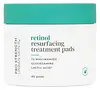
This smoothing exfoliating pad uses a pre-saturated pad with Niacinamide and Retinol to refine skin texture and fade the look of dark spots.
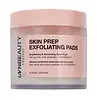
This smoothing exfoliating pad uses a pre-saturated pad with Glycolic Acid and Gluconolactone to refine skin texture and brighten dull-looking skin.

What's inside
What's inside
 Key Ingredients
Benefits
Concerns
Ingredients Side-by-side
Water
Skin ConditioningPolysorbate 20
Emulsifying

Ethoxydiglycol
HumectantNiacinamide
Smoothing











Retinol
Skin Conditioning

Camellia Sinensis Leaf Extract
Antimicrobial

Bambusa Vulgaris Leaf/Stem Extract
HumectantPisum Sativum Extract
Skin ConditioningGlucosamine Hcl
Ascorbic Acid
Antioxidant
Azelaic Acid
Buffering
Kojic Acid
Antioxidant
Arbutin
Antioxidant
Glutathione
Dipotassium Glycyrrhizate
Humectant
Lactic Acid
Buffering

Tetrasodium Glutamate Diacetate
ChelatingSodium Benzoate
Masking
Phenoxyethanol
Preservative
Ethylhexylglycerin
Skin ConditioningWater, Polysorbate 20, Ethoxydiglycol, Niacinamide, Retinol, Camellia Sinensis Leaf Extract, Bambusa Vulgaris Leaf/Stem Extract, Pisum Sativum Extract, Glucosamine Hcl, Ascorbic Acid, Azelaic Acid, Kojic Acid, Arbutin, Glutathione, Dipotassium Glycyrrhizate, Lactic Acid, Tetrasodium Glutamate Diacetate, Sodium Benzoate, Phenoxyethanol, Ethylhexylglycerin
Water
Skin ConditioningGlycolic Acid
Buffering
Pentylene Glycol
Skin Conditioning
Glycerin
Humectant
Gluconolactone
Chelating
Sodium Hydroxide
Buffering1,2-Hexanediol
Skin Conditioning
Ectoin
Skin Conditioning
Mandelic Acid
Antimicrobial
Tropaeolum Majus Flower/Leaf/Stem Extract
Skin ConditioningHexapeptide-9
Skin Conditioning
Tetrapeptide-4
Skin Conditioning
Squalane
Emollient
Maltobionic Acid
Buffering
Punica Granatum Fruit Extract
Antioxidant
Citrus Limon Fruit Extract
Masking
Terminalia Ferdinandiana Fruit Extract
Antioxidant
Creatine
Skin ConditioningAllantoin
Skin Conditioning
Sodium Polyglutamate
HumectantButylene Glycol
Humectant
Propanediol
Solvent
Centella Asiatica Extract
Cleansing
Cucumis Sativus Fruit Extract
Emollient
Hibiscus Sabdariffa Flower Extract
Skin ConditioningRosa Canina Fruit Extract
Astringent
Rose Extract
Skin ConditioningRumex Acetosella Extract
Skin ConditioningSorbitol
Humectant
Panthenol
Skin Conditioning
Tremella Fuciformis Extract
Humectant
Carthamus Tinctorius Flower Extract
Skin ConditioningBromelain
Skin Conditioning
Papain
Skin Conditioning
Sodium Benzoate
Masking
Hydroxyacetophenone
Antioxidant
Ethylhexylglycerin
Skin ConditioningSodium Phytate
ChelatingHydrogenated Lecithin
Emulsifying
Tocopherol
Antioxidant
Maltodextrin
Absorbent
Water, Glycolic Acid, Pentylene Glycol, Glycerin, Gluconolactone, Sodium Hydroxide, 1,2-Hexanediol, Ectoin, Mandelic Acid, Tropaeolum Majus Flower/Leaf/Stem Extract, Hexapeptide-9, Tetrapeptide-4, Squalane, Maltobionic Acid, Punica Granatum Fruit Extract, Citrus Limon Fruit Extract, Terminalia Ferdinandiana Fruit Extract, Creatine, Allantoin, Sodium Polyglutamate, Butylene Glycol, Propanediol, Centella Asiatica Extract, Cucumis Sativus Fruit Extract, Hibiscus Sabdariffa Flower Extract, Rosa Canina Fruit Extract, Rose Extract, Rumex Acetosella Extract, Sorbitol, Panthenol, Tremella Fuciformis Extract, Carthamus Tinctorius Flower Extract, Bromelain, Papain, Sodium Benzoate, Hydroxyacetophenone, Ethylhexylglycerin, Sodium Phytate, Hydrogenated Lecithin, Tocopherol, Maltodextrin
Alternatives
Ingredients Explained
These ingredients are found in both products.
Ingredients higher up in an ingredient list are typically present in a larger amount.
Ethylhexylglycerin is created from glycerin. It is a multitasker ingredient that:
The CIR Expert Panel found minimal skin absorption or sensitization of any kind in a safety assessment. Though this ingredient is considered well-tolerated, a small number of cases of allergic dermatitis have been published since 2002. Just be sure to patch test if you are unsure.
Industry-reported use ranges from 8% in rinse-off products and 2% in leave-on formulations.
Learn more about EthylhexylglycerinSodium Benzoate is a preservative. It's used in both cosmetic and food products to inhibit the growth of mold and bacteria. It is typically produced synthetically.
Both the US FDA and EU Health Committee have approved the use of sodium benzoate. In the US, levels of 0.1% (of the total product) are allowed.
Sodium benzoate works as a preservative by inhibiting the growth of bacteria inside of cells. It prevents the cell from fermenting a type of sugar using an enzyme called phosphofructokinase.
It is the salt of benzoic acid. Foods containing sodium benzoate include soda, salad dressings, condiments, fruit juices, wines, and snack foods.
Studies for using ascorbic acid and sodium benzoate in cosmetics are lacking, especially in skincare routines with multiple steps.
We always recommend speaking with a professional, such as a dermatologist, if you have any concerns.
Learn more about Sodium BenzoateWater. It's the most common cosmetic ingredient of all. You'll usually see it at the top of ingredient lists, meaning that it makes up the largest part of the product.
So why is it so popular? Water most often acts as a solvent - this means that it helps dissolve other ingredients into the formulation.
You'll also recognize water as that liquid we all need to stay alive. If you see this, drink a glass of water. Remember to stay hydrated!
Learn more about Water

