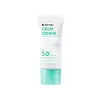
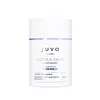
Somethinc Calm Down 100% Mineral Soothing Sunscreen SPF 50+ PA++++ Versus Juva By Zap Gentle Care Moisturizer
This mineral sunscreen covers the full UV range and blocks ~98% of UVB at SPF 50.
This barrier-repair moisturizer is formulated around Camellia Sinensis Leaf Extract and Allantoin to strengthen the skin barrier and hydrate skin.

What's inside
What's inside
 Key Ingredients
Benefits
Concerns
Ingredients Side-by-side
Water
Skin ConditioningZinc Oxide
Cosmetic Colorant


Cyclohexasiloxane
Emollient
Propanediol
Solvent

Dicaprylyl Carbonate
EmollientPropylheptyl Caprylate
EmollientDisiloxane
Skin Conditioning
Silica
Abrasive

Vinyldimethicone
Pentylene Glycol
Skin Conditioning
Trimethylsiloxysilicate
Emollient
Lauryl Polyglyceryl-3 Polydimethylsiloxyethyl Dimethicone
Skin Conditioning
Glyceryl Glucoside
Humectant
1,2-Hexanediol
Skin Conditioning
Methyl Methacrylate Crosspolymer
Acrylates Copolymer
Osmanthus Fragrans Flower Extract
MaskingAllantoin
Skin Conditioning


Tremella Fuciformis Extract
Humectant
Tocopherol
Antioxidant




Caesalpinia Spinosa Fruit Extract
Skin ProtectingHelianthus Annuus Sprout Extract
Skin ConditioningPanthenol
Skin Conditioning
Calcium Gluconate
HumectantPyridoxine Hcl
Skin ConditioningYeast Extract
Skin ConditioningCyanocobalamin
Skin ConditioningPolyglyceryl-2 Dipolyhydroxystearate
Skin Conditioning

Magnesium Sulfate
Glycerin
Humectant
Isododecane
EmollientTriethoxycaprylylsilane
Acrylates/Polytrimethylsiloxymethacrylate Copolymer
Skin ConditioningPolyhydroxystearic Acid
Emulsifying
Hydroxyacetophenone
Antioxidant
Polyglyceryl-4 Diisostearate/Polyhydroxystearate/Sebacate
Emulsifying
Disteardimonium Hectorite
StabilisingLecithin
Emollient
Dimethicone
Emollient
Ethylhexyl Palmitate
Emollient


Isostearic Acid
Cleansing
Isopropyl Myristate
Emollient
Dipotassium Glycyrrhizate
Humectant
Polyglyceryl-3 Polyricinoleate
Emulsifying
Octyldodecanol
Emollient
Propylene Glycol
Humectant
Sodium Benzoate
Masking
Polyglyceryl-4 Isostearate
Emulsifying
Ascorbyl Glucoside
Antioxidant
Isopropyl Titanium Triisostearate
Emollient
Phenoxyethanol
Preservative
Citric Acid
Buffering
Ethylhexylglycerin
Skin ConditioningMagnesium Chloride
CI 77491
Cosmetic ColorantCI 77492
Cosmetic ColorantWater, Zinc Oxide, Cyclohexasiloxane, Propanediol, Dicaprylyl Carbonate, Propylheptyl Caprylate, Disiloxane, Silica, Vinyldimethicone, Pentylene Glycol, Trimethylsiloxysilicate, Lauryl Polyglyceryl-3 Polydimethylsiloxyethyl Dimethicone, Glyceryl Glucoside, 1,2-Hexanediol, Methyl Methacrylate Crosspolymer, Acrylates Copolymer, Osmanthus Fragrans Flower Extract, Allantoin, Tremella Fuciformis Extract, Tocopherol, Caesalpinia Spinosa Fruit Extract, Helianthus Annuus Sprout Extract, Panthenol, Calcium Gluconate, Pyridoxine Hcl, Yeast Extract, Cyanocobalamin, Polyglyceryl-2 Dipolyhydroxystearate, Magnesium Sulfate, Glycerin, Isododecane, Triethoxycaprylylsilane, Acrylates/Polytrimethylsiloxymethacrylate Copolymer, Polyhydroxystearic Acid, Hydroxyacetophenone, Polyglyceryl-4 Diisostearate/Polyhydroxystearate/Sebacate, Disteardimonium Hectorite, Lecithin, Dimethicone, Ethylhexyl Palmitate, Isostearic Acid, Isopropyl Myristate, Dipotassium Glycyrrhizate, Polyglyceryl-3 Polyricinoleate, Octyldodecanol, Propylene Glycol, Sodium Benzoate, Polyglyceryl-4 Isostearate, Ascorbyl Glucoside, Isopropyl Titanium Triisostearate, Phenoxyethanol, Citric Acid, Ethylhexylglycerin, Magnesium Chloride, CI 77491, CI 77492
Water
Skin ConditioningGlycerin
Humectant
Butylene Glycol
Humectant
Cetyl Ethylhexanoate
EmollientCamellia Sinensis Leaf Extract
Antimicrobial
Butyrospermum Parkii Butter
Skin Conditioning
Pentylene Glycol
Skin Conditioning
Glyceryl Glucoside
Humectant
Vinyldimethicone
Polyglyceryl-3 Distearate
Emulsifying
Cetearyl Olivate
Cetearyl Alcohol
Emollient
Allantoin
Skin Conditioning
Sorbitan Olivate
Emulsifying
Glyceryl Stearate
Emollient
Ammonium Acryloyldimethyltaurate/Vp Copolymer
Caprylic/Capric Triglyceride
Masking
Caprylyl Glycol
Emollient
Acrylates/C10-30 Alkyl Acrylate Crosspolymer
Emulsion StabilisingHyaluronic Acid
Humectant
Sodium Hyaluronate
Humectant
Hydrolyzed Hyaluronic Acid
Humectant
Tromethamine
BufferingHydrogenated Lecithin
Emulsifying
Propanediol
Solvent
Glyceryl Stearate Citrate
Emollient
Ethylhexylglycerin
Skin ConditioningCeramide NP
Skin Conditioning
1,2-Hexanediol
Skin Conditioning
Phenoxyethanol
Preservative
Bisabolol
Antioxidant
Sodium Phytate
ChelatingCynanchum Atratum Extract
Skin ConditioningTremella Fuciformis Extract
Humectant
Ascorbyl Glucoside
Antioxidant
Magnesium Chloride
Panthenol
Skin Conditioning
Calcium Gluconate
HumectantPyridoxine Hcl
Skin ConditioningTocopherol
Antioxidant
Yeast Extract
Skin ConditioningAcetyl Hexapeptide-51 Amide
Skin Conditioning
Cyanocobalamin
Skin ConditioningWater, Glycerin, Butylene Glycol, Cetyl Ethylhexanoate, Camellia Sinensis Leaf Extract, Butyrospermum Parkii Butter, Pentylene Glycol, Glyceryl Glucoside, Vinyldimethicone, Polyglyceryl-3 Distearate, Cetearyl Olivate, Cetearyl Alcohol, Allantoin, Sorbitan Olivate, Glyceryl Stearate, Ammonium Acryloyldimethyltaurate/Vp Copolymer, Caprylic/Capric Triglyceride, Caprylyl Glycol, Acrylates/C10-30 Alkyl Acrylate Crosspolymer, Hyaluronic Acid, Sodium Hyaluronate, Hydrolyzed Hyaluronic Acid, Tromethamine, Hydrogenated Lecithin, Propanediol, Glyceryl Stearate Citrate, Ethylhexylglycerin, Ceramide NP, 1,2-Hexanediol, Phenoxyethanol, Bisabolol, Sodium Phytate, Cynanchum Atratum Extract, Tremella Fuciformis Extract, Ascorbyl Glucoside, Magnesium Chloride, Panthenol, Calcium Gluconate, Pyridoxine Hcl, Tocopherol, Yeast Extract, Acetyl Hexapeptide-51 Amide, Cyanocobalamin
Reviews
Ingredients Explained
These ingredients are found in both products.
Ingredients higher up in an ingredient list are typically present in a larger amount.
1,2-Hexanediol is a synthetic liquid and another multi-functional powerhouse.
It is a:
- Humectant, drawing moisture into the skin
- Emollient, helping to soften skin
- Solvent, dispersing and stabilizing formulas
- Preservative booster, enhancing the antimicrobial activity of other preservatives
Allantoin is a soothing ingredient known for its protective and moisturizing properties; it's basically a quiet workhorse ingredient you can find in a huge range of cosmetics.
Though it can be derived from the comfrey plant, allantoin is produced synthetically for cosmetic products to ensure purity.
Research shows it can encourage your skin cells to turn over and renew by stimulating keratinocyte and fibroblast proliferation.
It also has mild keratolytic properties to help loosen and shed dead skin cells without being harsh.
Studies also suggest allantoin can help calm inflammation by dialing down some of the chemical signals your skin sends out when it is irritated.
This ingredient is typically used in the 0.1-0.5% range, and the FDA recognizes it as a skin protectant in OTC products up to 2%.
Overall, allantoin is a wonderful addition to most routines; it is stable across a wide pH range (~4-8), works well with other ingredients, and is considered non-sensitizing/non-irritating.
Fun fact: Allantoin is naturally occurring in comfrey root, beets, chamomile, and wheat sprouts. Our bodies even produce it as a byproduct of uric acid metabolism.
Learn more about AllantoinAscorbyl Glucoside (AA-2G) is one of the most stable vitamin C derivatives out there.
It's made by attaching a glucose molecule to ascorbic acid; this glucose "cap" shields the vitamin C from air, light, heat, and metal ions that normally cause pure ascorbic acid to oxidize.
Once on your skin, the enzyme alpha-glucosidase snips off the glucose and gradually releases active ascorbic acid right where it's needed. Basically, it behaves like a slow-release pro-vitamin C with less of a stinging that high-strength ascorbic acid can cause.
The research supports the classic vitamin C benefits as well. In lab and human studies, AA-2G slowed down the skin's production of melanin (the pigment behind dark spots) and helped shield skin cells against sun damage better than ascorbyl phosphate.
These studies also showed AA-2G released vitamin C over a longer period.
A frequently cited manufacturer trial found that a 2% AA-2G face cream significantly improved wrinkle depth and skin roughness after 45 days.
And in 2009, a clinical trial showed it meaningfully lightened dark patches on the gums compared to a placebo.
There's also collagen-synthesis support (since vitamin C is a required cofactor for that) and an antioxidant effect too.
Typical usage is usually between 0.5-5% and most studies/products land around 2%.
AA-2G performs best when formulated at a mildly acidic pH (~5-7) which is much gentler than the pH that pure vitamin C demands (~2.5-3.5).
Just one thing worth knowing: the in-skin conversation rate is only about 55-60% by weight. So a 5% AA-2G product delivers roughly 2.75-3% of actual active vitamin C. On top of that, skin absorption is relatively low because the ingredient is water-soluble.
Learn more about Ascorbyl GlucosideThis ingredient is calcium salt of gluconic acid. It is a humectant, meaning it attracts water to your skin.
Cyanocobalamin is the manufactured version of vitamin B12. It has skin soothing, antioxidant, and barrier protecting properties. Topical cyanocobalamin is used to treat skin irritation and atopic dermatitis.
Ethylhexylglycerin is created from glycerin. It is a multitasker ingredient that:
The CIR Expert Panel found minimal skin absorption or sensitization of any kind in a safety assessment. Though this ingredient is considered well-tolerated, a small number of cases of allergic dermatitis have been published since 2002. Just be sure to patch test if you are unsure.
Industry-reported use ranges from 8% in rinse-off products and 2% in leave-on formulations.
Learn more about EthylhexylglycerinGlycerin (or glycerol) is a compound naturally found in your skin. It's a powerhouse humectant that pulls water into the stratum corneum.
Topically, glycerin does several things at once:
Your skin makes glycerin on its own (mostly from sebaceous oil breakdown) and shuttles it to your outermost layer of skin, or your epidermis, via aquaporin-3.
Aquaporin-3 is a transporter that is essential for normal skin hydration, elasticity, and repair. Interestingly, mice lacking in AQP3 have dry and less elastic skin that can be fully corrected with glycerin.
This ingredient is non-irritating, plays well with almost every ingredient, and works across all skin types. Typical use is anywhere between 3-10% but can go up to 79% in some leave-on products.
Just know very high concentrations (>40%) can feel tacky in low humidity.
Glycerin is the name for this ingredient in American English. British English uses Glycerol/Glycerine.
Learn more about GlycerinGlyceryl Glucoside is made from glycerol and glucose.
It is a humectant. Humectants help hydrate your skin by drawing moisture to it from the air.
Some foods that contain glyceryl glucoside include sake, miso, and wines.
Learn more about Glyceryl GlucosideMagnesium chloride is a mineral salt made from magnesium and chloride. It is mainly used to control product stability and texture in cosmetics.
This ingredient can also play a role in soothing the skin and supporting normal skin function.
Magnesium chloride is water-soluble, generally well tolerated, and does not act as a strong “active” ingredient on its own.
Learn more about Magnesium ChloridePanthenol is a common ingredient that helps hydrate and soothe the skin. It is found naturally in our skin and hair.
There are two forms of panthenol: D and L.
D-panthenol is also known as dexpanthenol. Most cosmetics use dexpanthenol or a mixture of D and L-panthenol.
Panthenol is famous due to its ability to go deeper into the skin's layers. Using this ingredient has numerous pros (and no cons):
Like hyaluronic acid, panthenol is a humectant. Humectants are able to bind and hold large amounts of water to keep skin hydrated.
This ingredient works well for wound healing. It works by increasing tissue in the wound and helps close open wounds.
Once oxidized, panthenol converts to pantothenic acid. Panthothenic acid is found in all living cells.
This ingredient is also referred to as pro-vitamin B5.
Learn more about PanthenolPentylene Glycol (1,2-pentanediol) is a multitasking little diol with three main roles in a formula:
Research on alkanediols (the family pentylene glycol belongs to) show they work by disrupting microbial cell membranes. This disruption helps the primary preservative system in a product work more effectively at lower doses.
On the safety side, the Cosmetic Ingredient Review Expert Panel has concluded this ingredient to be safe as used in current cosmetic practices + concentrations.
Typical use levels in a formula run about 1-5%.
Learn more about Pentylene GlycolPhenoxyethanol is one of the most widely used preservatives in skincare (and for good reason!).
It has a large spectrum of antimicrobial activity and especially effective bacteria, yeast, and mold while only having a weak effect on your skin's natural microbiome.
On a cellular level, it disrupts the cell membranes of microbes by poking holes that make the cell leak. This shuts down the chemical reactions the microbe needs to make energy so it can no longer survive.
Another perk of this ingredient is that it stays functional across a wide pH range (3-10).
You'll often see it paired with boosters like Ethylhexylglycerin; one study showed that a 1:9 ratio of Ethylhexylglycerin to Phenoxyethanol damages bacterial membranes as effectively as doubling the Phenoxyethanol concentration on its own.
Typical use concentrations range from 0.3-1% depending on the formula, and this ingredient is capped at 1% int the EU.
Safety-wise, the fear mongering does not hold up to the evidence. The EU's Scientific Committee on Consumer Safety and FDA consider it safe as a preservative at up to 1%, including for children of all ages.
Adverse systemic effects only showed up in animal studies at exposures roughly 200x higher than what people get from cosmetics. And despite its very widespread use, this ingredient is a rare sensitizer and allergic reactions are uncommon.
Learn more about PhenoxyethanolPropanediol is an all-star ingredient. It softens, hydrates, and smooths the skin.
It’s often used to:
Propanediol is not likely to cause sensitivity and considered safe to use. It is derived from corn or petroleum with a clear color and no scent.
Learn more about PropanediolPyridoxine hydrochloride, also known as vitamin B6, has skin conditioning properties. According to a manufacturer, this ingredient is an effective anti-dandruff treatment as it reduces sebum levels and oily spots.
Tocopherol is a fat-soluble antioxidant known as Vitamin E.
You'll find this ingredient in the vast majority of skincare (for good reason). It works to neutralize free radicals, or unstable molecules generated by UV exposure, pollution, and other environmental stressors, before they can cause oxidative damage to your skin cells.
Topically applied tocopherol has been shown to protect against UV damage by ramping up the skin's own natural defense enzymes.
It also acts as a skin conditioning agent; some studies show that regular topical use can improve the skin's water-binding capacity over 2-4 weeks.
This ingredient is especially loved for being a team player. When combined with Vitamin C, the photoprotective effect of both ingredients roughly doubles and the combo also helps reduce UV-induced DNA damage.
This ingredient has some brightening potential but it's more of a prevention ingredient than spot-fader. Cell studies show it can slow down melanin production but it's worth noting that it's not the most powerful brightener out there.
In formulations, it also serves as a stabilizer that helps protect other oxidation-prone ingredients from degrading.
Concentrations usually range from 0.1-1% in most leave-on products.
Learn more about TocopherolTremella Fuciformis Extract comes from the tremella fuciformis mushroom, also known as snow mushroom or white jelly mushroom.
The snow mushroom has moisturizing and antioxidant properties.
Snow mushroom is rich in polysaccharides, giving it moisturizing benefits. As a humectant, snow mushroom helps draw moisture from the air to the skin. Polysaccharides are able to mimic our skin's natural carbohydrates to help the skin retain water.
Snow mushroom has been shown to help with anti-aging due to its antioxidants. It increases the presence of superoxide dismutase in our brain and liver. Superoxide is a by-product of oxygen metabolism. It left unregulated, superoxide causes cell damage. Thus, superoxide dismutase acts as an antioxidant to protect our living cells.
Another study from 2016 showed snow mushroom extract blocks the skin from creating melanin when exposed to UVB. Thus, it may help protect against the signs of aging from sun exposure. However, more studies are needed to confirm this. Another study from 2021 found snow mushroom to protect against UVA damage as well.
This white mushroom is native to Asian countries such as China, Korea, Japan, and Thailand. It is a common ingredient in traditional Chinese cuisine and medicine.
Learn more about Tremella Fuciformis ExtractVinyldimethicone is a type of silicone.
Water. It's the most common cosmetic ingredient of all. You'll usually see it at the top of ingredient lists, meaning that it makes up the largest part of the product.
So why is it so popular? Water most often acts as a solvent - this means that it helps dissolve other ingredients into the formulation.
You'll also recognize water as that liquid we all need to stay alive. If you see this, drink a glass of water. Remember to stay hydrated!
Learn more about WaterYeast extract is a silky, clear liquid derived from yeast (usually Saccharomyces cerevisiae or Torula yeast).
This ingredient has plenty of skin benefits:
Bioferments of yeast and soy have been found to reduce hyperpigmentation at low levels.
Yeast extract is fungal acne safe because it's made up of amino acids, peptides, B vitamins, and nucleotides (not the C11-C24 fatty acids that Malassezia needs to thrive).
The "yeast" in the name can be misleading, but FA safety is about chemical composition and not ingredient origin.
Learn more about Yeast Extract

