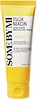
This brightening moisturizer is formulated around Niacinamide and Centella Asiatica Extract to brighten dull-looking skin and fade the look of dark spots.
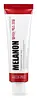
This brightening treatment is formulated around Niacinamide and Alpha-Arbutin to fade the look of dark spots and brighten dull-looking skin.

What's inside
What's inside
 Key Ingredients
Benefits
Concerns
Ingredients Side-by-side
Citrus Junos Fruit Extract 90%
Skin ConditioningNiacinamide 5%
Smoothing











1,2-Hexanediol
Skin Conditioning
Dipropylene Glycol
HumectantButylene Glycol
Humectant
Water
Skin ConditioningMelaleuca Alternifolia Leaf Water
Antimicrobial
Thuja Orientalis Leaf Extract
Antioxidant
Zanthoxylum Piperitum Fruit Extract
Skin ConditioningPolygonum Cuspidatum Root Extract
Antioxidant
Centella Asiatica Extract
Cleansing
Artemisia Princeps Leaf Extract
Skin ConditioningNelumbo Nucifera Flower Extract
Skin ConditioningCoptis Japonica Extract
AntimicrobialArbutin
Antioxidant
Bisabolol
Antioxidant
Glutathione
Biotin
AntiseborrhoeicAscorbic Acid
Antioxidant
Ascorbyl Glucoside
Antioxidant
Ascorbyl Tetraisopalmitate
Antioxidant

Tocopherol
Antioxidant
Panthenol
Skin Conditioning
Cyanocobalamin
Skin ConditioningMenadione
MaskingMadecassoside
Antioxidant
Madecassic Acid
Skin Conditioning
Asiaticoside
Antioxidant
Asiatic Acid
Skin Conditioning
Arginine
Masking
Adenosine
Skin Conditioning
Ethylhexyl Olivate
Skin Conditioning
Cetearyl Olivate
Sorbitan Olivate
Emulsifying
Polyglyceryl-4 Oleate
Emulsifying
C12-13 Pareth-9
EmulsifyingCarbomer
Emulsion StabilisingAmmonium Acryloyldimethyltaurate/Vp Copolymer
Sodium Acrylates Copolymer
Benzyl Glycol
SolventEthylhexylglycerin
Skin ConditioningRaspberry Ketone
Masking

Citrus Junos Peel Oil
Astringent
Melaleuca Alternifolia Leaf Oil
Antioxidant


Linalool
Perfuming
Limonene
Perfuming
Citrus Junos Fruit Extract 90%, Niacinamide 5%, 1,2-Hexanediol, Dipropylene Glycol, Butylene Glycol, Water, Melaleuca Alternifolia Leaf Water, Thuja Orientalis Leaf Extract, Zanthoxylum Piperitum Fruit Extract, Polygonum Cuspidatum Root Extract, Centella Asiatica Extract, Artemisia Princeps Leaf Extract, Nelumbo Nucifera Flower Extract, Coptis Japonica Extract, Arbutin, Bisabolol, Glutathione, Biotin, Ascorbic Acid, Ascorbyl Glucoside, Ascorbyl Tetraisopalmitate, Tocopherol, Panthenol, Cyanocobalamin, Menadione, Madecassoside, Madecassic Acid, Asiaticoside, Asiatic Acid, Arginine, Adenosine, Ethylhexyl Olivate, Cetearyl Olivate, Sorbitan Olivate, Polyglyceryl-4 Oleate, C12-13 Pareth-9, Carbomer, Ammonium Acryloyldimethyltaurate/Vp Copolymer, Sodium Acrylates Copolymer, Benzyl Glycol, Ethylhexylglycerin, Raspberry Ketone, Citrus Junos Peel Oil, Melaleuca Alternifolia Leaf Oil, Linalool, Limonene
Water
Skin ConditioningButyrospermum Parkii Butter
Skin Conditioning

Butylene Glycol
Humectant
Caprylic/Capric Triglyceride
Masking
Betaine
Humectant
Hydrogenated Polydecene
EmollientDimethicone
Emollient
Niacinamide
Smoothing
Polyglyceryl-3 Methylglucose Distearate
Emulsifying
Cetearyl Alcohol
Emollient
Glyceryl Stearate
Emollient
Beeswax
Emulsion Stabilising
Alpha-Arbutin
Antioxidant
Broussonetia Kazinoki Callus Culture Extract
Skin ConditioningMagnesium Ascorbyl Phosphate
Antioxidant
Glycyrrhiza Uralensis Extract
EmollientPEG-100 Stearate
Surfactant
Dimethicone/Vinyl Dimethicone Crosspolymer
Skin Conditioning
Sorbitan Stearate
Emulsifying
Sucrose Cocoate
Emulsifying
Cysteine
Antioxidant
Ascorbic Acid
Antioxidant
Carnitine
Cleansing
Tranexamic Acid
Astringent
Aletris Farinosa Root Extract
Antioxidant
Biota Orientalis Leaf Extract
HumectantZanthoxylum Schinifolium Leaf Extract
Skin ConditioningPolygonum Cuspidatum Root Extract
Antioxidant
Hamamelis Virginiana Extract
Antiseborrhoeic
Morus Alba Bark Extract
Skin ConditioningPhyllanthus Emblica Fruit Extract
HumectantTrichosanthes Kirilowii Root Extract
Skin ProtectingVitis Vinifera Seed Oil
Emollient
Simmondsia Chinensis Seed Oil
Emollient
Hydroxyacetophenone
Antioxidant
Ozokerite
Emulsion StabilisingTocopheryl Acetate
Antioxidant
Arginine
Masking
Ethylhexylglycerin
Skin ConditioningCarbomer
Emulsion StabilisingSodium Hyaluronate
Humectant
Sh-Oligopeptide-1
Skin Conditioning
Sh-Oligopeptide-2
Skin Conditioning
Sh-Polypeptide-1
Skin Conditioning
Sh-Polypeptide-3
Skin Conditioning
Sh-Polypeptide-16
Skin Protecting
Adenosine
Skin Conditioning
Xanthan Gum
EmulsifyingDisodium EDTA
Parfum
Masking
1,2-Hexanediol
Skin Conditioning
Glycerin
Humectant
Propanediol
Solvent
Water, Butyrospermum Parkii Butter, Butylene Glycol, Caprylic/Capric Triglyceride, Betaine, Hydrogenated Polydecene, Dimethicone, Niacinamide, Polyglyceryl-3 Methylglucose Distearate, Cetearyl Alcohol, Glyceryl Stearate, Beeswax, Alpha-Arbutin, Broussonetia Kazinoki Callus Culture Extract, Magnesium Ascorbyl Phosphate, Glycyrrhiza Uralensis Extract, PEG-100 Stearate, Dimethicone/Vinyl Dimethicone Crosspolymer, Sorbitan Stearate, Sucrose Cocoate, Cysteine, Ascorbic Acid, Carnitine, Tranexamic Acid, Aletris Farinosa Root Extract, Biota Orientalis Leaf Extract, Zanthoxylum Schinifolium Leaf Extract, Polygonum Cuspidatum Root Extract, Hamamelis Virginiana Extract, Morus Alba Bark Extract, Phyllanthus Emblica Fruit Extract, Trichosanthes Kirilowii Root Extract, Vitis Vinifera Seed Oil, Simmondsia Chinensis Seed Oil, Hydroxyacetophenone, Ozokerite, Tocopheryl Acetate, Arginine, Ethylhexylglycerin, Carbomer, Sodium Hyaluronate, Sh-Oligopeptide-1, Sh-Oligopeptide-2, Sh-Polypeptide-1, Sh-Polypeptide-3, Sh-Polypeptide-16, Adenosine, Xanthan Gum, Disodium EDTA, Parfum, 1,2-Hexanediol, Glycerin, Propanediol
Reviews
Ingredients Explained
These ingredients are found in both products.
Ingredients higher up in an ingredient list are typically present in a larger amount.
1,2-Hexanediol is a synthetic liquid and another multi-functional powerhouse.
It is a:
- Humectant, drawing moisture into the skin
- Emollient, helping to soften skin
- Solvent, dispersing and stabilizing formulas
- Preservative booster, enhancing the antimicrobial activity of other preservatives
Adenosine is a purine nucleoside that your body already makes in every cell. In skincare, it acts mainly as a skin conditioning and anti-aging agent.
The way it works is fairly well mapped out:
Your skin has cells called fibroblasts that build collagen (the stuff that keeps skin firm and smooth). Adenosine basically flips a switch on these cells that tells them to get to work making more collagen and other proteins. These cells slow down on their own as skin ages, so Adenosine helps give them a little nudge to keep going.
The clinical backing is pretty solid too.
A blind, randomized, placebo-controlled trial of 126 women aged 45-65 tested a 0.1% cream twice daily and found real improvements in crow's feet and frown lines using a precise 3D skin-mapping technique; these changes showed up by week 3 and held at 2 months.
A later study using Adenosine-loaded dissolving microneedle patches reported gains in wrinkle depth, dermal density, elasticity, and hydration.
On concentrations, South Korea's Ministry of Food and Drug Safety has set 0.04% as the approved functional anti-wrinkle level. You'll typically see this ingredient used somewhere in the 0.04-0.1% range since it works at low doses.
This ingredient has been found safe for cosmetics with the data showing no irritation or sensitization.
Overall, this is a great ingredient for any anti-aging routine and has no photosensitizing effect, so it suits both AM and PM use.
Learn more about AdenosineArginine is a semi-essential amino acid. This just means our bodies can product a bit on its own, but sometimes needs a little boost from food sources.
It is a part of your skin's natural moisturizing factor (NMF), or the water-loving molecules in your outermost layer of skin (stratum corneum) that keeps everything hydrated and happy.
Here's an interesting thing about Arginine: your skin converts it into urea through the Krebs-Henseleit urea cycle. Urea is one of the most effective humectants your skin naturally produces.
A clinical study showed applying 2.5% arginine hydrochloride to atopic dermatitis skin showed significant urea levels in the stratum corneum and improved moisture in just four weeks.
Arginine is also a precursor to nitric oxide; nitric oxide improves microcirculation and supports wound healing and collagen synthesis.
One study found that an amino acid complex containing Arginine reduced skin irritation, improved hydration, and accelerated skin repair in clinical / in-vivo studies.
Arginine itself is an amino acid and not a fatty acid, oil, or ester. On its own, it's not a direct food source for Malassezia, or the yeast that causes fungal acne.
Learn more about ArginineAscorbic Acid is is pure Vitamin C and is the biologically active form used directly by skin.
Not only is vitamin C great for your overall health and immune system, but it also has plenty of benefits for your skin. It is best supported by academic literature for:
Topical vitamin C has been shown to help neutralize oxidative stress from UV and pollution, helping to improve photoaging and hyperpigmentation when used consistently.
One clinical study found that using 5% topical vitamin C for six months improved signs of photodamaged skin, both on the surface and in the deeper structural layers of the skin.
While vitamin C doesn’t replace sunscreen, studies show it can boost photoprotection when combined with Vitamin E and ferulic acid. These two ingredients help improve stability and protective effects.
The big downside of this ingredient is formulation difficulty. Vitamin C is prone to oxidation and doesn't penetrate the skin unless formulated correctly. Research found that vitamin C absorbs into the skin best at a low pH (< 3.5) with about 20% being the upper limit for effective absorption.
Skin levels can saturate after repeated application; this means your skin won’t keep absorbing more once it’s full of vitamin C. This is why more isn’t always better with vitamin C and why very high concentrations don’t necessarily give extra benefits.
Ascorbic acid generally works well with many skincare ingredients but can be irritating when combined with other active ingredients. Strong oxidizing acne treatments like benzoyl peroxide can reduce the effectiveness of vitamin C if they are used at the same time; they are often recommended for use at different times of day.
Read more about other types of Vitamin C:
Foods rich with vitamin C include oranges, strawberries, broccoli, bell peppers, and more. When consuming Vitamin C, your skin receives a portion of the nutrients.
Learn more about Ascorbic AcidButylene Glycol (or BG) is used within cosmetic products for a few different reasons:
Overall, Butylene Glycol is a safe and well-rounded ingredient that works well with other ingredients.
Though this ingredient works well with most skin types, some people with sensitive skin may experience a reaction such as allergic rashes, closed comedones, or itchiness.
Learn more about Butylene GlycolCarbomer is a synthetic thickening and gelling agent. It's basically the ingredient that gives a lot of serums, gels, creams, and sunscreens their smooth, non-sticky texture.
Although legally permitted at very high levels, carbomers are normally used at concentrations below 1%.
It also needs to be neutralized to actually thicken, and because it is a large molecule, it doesn't really penetrate the skin barrier.
Allergy-wise, the risk is very low. Clinical studies show carbomers have low potential for skin irritation/sensitization even at concentrations up to 100%.
A 2024 UK study patch-tested 1,302 patients and found true allergy to the parent group of carbomer to be rare with no confirmed relevant reactions.
Learn more about CarbomerEthylhexylglycerin is created from glycerin. It is a multitasker ingredient that:
The CIR Expert Panel found minimal skin absorption or sensitization of any kind in a safety assessment. Though this ingredient is considered well-tolerated, a small number of cases of allergic dermatitis have been published since 2002. Just be sure to patch test if you are unsure.
Industry-reported use ranges from 8% in rinse-off products and 2% in leave-on formulations.
Learn more about EthylhexylglycerinNiacinamide is a multitasking form of vitamin B3 that strengthens the skin barrier, reduces pores and dark spots, regulates oil, and improves signs of aging.
And the best part? It's gentle and well-tolerated by most skin types, including sensitive and reactive skin.
You might have heard of "niacin flush", or the reddening of skin that causes itchiness. Niacinamide has not been found to cause this.
In very rare cases, some individuals may not be able to tolerate niacinamide at all or experience an allergic reaction to it.
If you are experiencing flaking, irritation, and dryness with this ingredient, be sure to double check all your products as this ingredient can be found in all categories of skincare.
When incorporating niacinamide into your routine, look out for concentration amounts. Typically, 5% niacinamide provides benefits such as fading dark spots. However, if you have sensitive skin, it is better to begin with a smaller concentration.
When you apply niacinamide to your skin, your body converts it into nicotinamide adenine dinucleotide (NAD). NAD is an essential coenzyme that is already found in your cells as "fuel" and powers countless biological processes.
In your skin, NAD helps repair cell damage, produce new healthy cells, support collagen production, strengthen the skin barrier, and fight environmental stressors (like UV and pollution).
Our natural NAD levels start to decline with age, leading to slower skin repair, visible aging, and a weaker skin barrier. By providing your skin niacinamide, you're recharging your skin's NAD levels. This leads to stronger, healthier, and younger looking skin.
Another name for vitamin B3 is nicotinamide. This vitamin is water-soluble and our bodies don't store it. We obtain Vitamin B3 from either food or skincare. Meat, fish, wheat, yeast, and leafy greens contain vitamin B3.
The type of niacinamide used in skincare is synthetically created.
Learn more about NiacinamidePolygonum Cuspidatum Root Extract comes from the Japanese Knotweed plant native to Japan, Korea, and China.
This plant contains anti-inflammatory and antioxidant properties. It contains high amounts of resveratrol, a potent antioxidant.
The root of the plant has been used in traditional folk medicine throughout Asia.
Learn more about Polygonum Cuspidatum Root ExtractWater. It's the most common cosmetic ingredient of all. You'll usually see it at the top of ingredient lists, meaning that it makes up the largest part of the product.
So why is it so popular? Water most often acts as a solvent - this means that it helps dissolve other ingredients into the formulation.
You'll also recognize water as that liquid we all need to stay alive. If you see this, drink a glass of water. Remember to stay hydrated!
Learn more about Water

