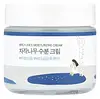
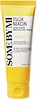
Round Lab Birch Juice Moisturizing Cream Versus Some By Mi Yuja Niacin Brightening Moisture Gel Cream
This barrier-repair moisturizer is formulated around Betula Platyphylla Japonica Juice and Panthenol to strengthen the skin barrier and hydrate skin.
This brightening moisturizer is formulated around Niacinamide and Centella Asiatica Extract to brighten dull-looking skin and fade the look of dark spots.

What's inside
What's inside
 Key Ingredients
Benefits
Concerns
Ingredients Side-by-side
Water
Skin ConditioningGlycerin
Humectant


Isononyl Isononanoate
EmollientIsododecane
Emollient1,2-Hexanediol
Skin Conditioning
Pentylene Glycol
Skin Conditioning
Polydecene
Skin ConditioningBetula Platyphylla Japonica Juice
Skin Conditioning
Jojoba Esters
Emollient

Panthenol
Skin Conditioning

Glyceryl Glucoside
Humectant
Acacia Senegal Gum
MaskingHydrolyzed Hibiscus Esculentus Extract
Skin ConditioningSodium Hyaluronate
Humectant

Hyaluronic Acid
Humectant
Lupinus Albus Seed Extract
Skin ConditioningMoringa Oleifera Seed Extract
Skin Conditioning
Melia Azadirachta Leaf Extract
Skin ConditioningCoccinia Indica Fruit Extract
Skin Conditioning
Aloe Barbadensis Flower Extract
EmollientSolanum Melongena Fruit Extract
Skin ConditioningOcimum Sanctum Leaf Extract
Skin ConditioningCorallina Officinalis Extract
Skin Conditioning
Curcuma Longa Root Extract
Antioxidant

Ascorbic Acid
Antioxidant



Pentaerythrityl Tetraethylhexanoate
Emollient
Ammonium Acryloyldimethyltaurate/Vp Copolymer
Polyglyceryl-3 Methylglucose Distearate
Emulsifying
Acrylates/C10-30 Alkyl Acrylate Crosspolymer
Emulsion StabilisingTromethamine
BufferingGlyceryl Acrylate/Acrylic Acid Copolymer
HumectantEthylhexylglycerin
Skin ConditioningAgar
MaskingDipotassium Glycyrrhizate
Humectant
Glyceryl Caprylate
EmollientButylene Glycol
Humectant
Disodium EDTA
Water, Glycerin, Isononyl Isononanoate, Isododecane, 1,2-Hexanediol, Pentylene Glycol, Polydecene, Betula Platyphylla Japonica Juice, Jojoba Esters, Panthenol, Glyceryl Glucoside, Acacia Senegal Gum, Hydrolyzed Hibiscus Esculentus Extract, Sodium Hyaluronate, Hyaluronic Acid, Lupinus Albus Seed Extract, Moringa Oleifera Seed Extract, Melia Azadirachta Leaf Extract, Coccinia Indica Fruit Extract, Aloe Barbadensis Flower Extract, Solanum Melongena Fruit Extract, Ocimum Sanctum Leaf Extract, Corallina Officinalis Extract, Curcuma Longa Root Extract, Ascorbic Acid, Pentaerythrityl Tetraethylhexanoate, Ammonium Acryloyldimethyltaurate/Vp Copolymer, Polyglyceryl-3 Methylglucose Distearate, Acrylates/C10-30 Alkyl Acrylate Crosspolymer, Tromethamine, Glyceryl Acrylate/Acrylic Acid Copolymer, Ethylhexylglycerin, Agar, Dipotassium Glycyrrhizate, Glyceryl Caprylate, Butylene Glycol, Disodium EDTA
Citrus Junos Fruit Extract 90%
Skin ConditioningNiacinamide 5%
Smoothing



1,2-Hexanediol
Skin Conditioning
Dipropylene Glycol
HumectantButylene Glycol
Humectant
Water
Skin ConditioningMelaleuca Alternifolia Leaf Water
Antimicrobial
Thuja Orientalis Leaf Extract
Antioxidant
Zanthoxylum Piperitum Fruit Extract
Skin ConditioningPolygonum Cuspidatum Root Extract
Antioxidant
Centella Asiatica Extract
Cleansing
Artemisia Princeps Leaf Extract
Skin ConditioningNelumbo Nucifera Flower Extract
Skin ConditioningCoptis Japonica Extract
AntimicrobialArbutin
Antioxidant
Bisabolol
Antioxidant
Glutathione
Biotin
AntiseborrhoeicAscorbic Acid
Antioxidant
Ascorbyl Glucoside
Antioxidant
Ascorbyl Tetraisopalmitate
Antioxidant
Tocopherol
Antioxidant
Panthenol
Skin Conditioning
Cyanocobalamin
Skin ConditioningMenadione
MaskingMadecassoside
Antioxidant
Madecassic Acid
Skin Conditioning
Asiaticoside
Antioxidant
Asiatic Acid
Skin Conditioning
Arginine
Masking
Adenosine
Skin Conditioning
Ethylhexyl Olivate
Skin Conditioning
Cetearyl Olivate
Sorbitan Olivate
Emulsifying
Polyglyceryl-4 Oleate
Emulsifying
C12-13 Pareth-9
EmulsifyingCarbomer
Emulsion StabilisingAmmonium Acryloyldimethyltaurate/Vp Copolymer
Sodium Acrylates Copolymer
Benzyl Glycol
SolventEthylhexylglycerin
Skin ConditioningRaspberry Ketone
Masking
Citrus Junos Peel Oil
Astringent
Melaleuca Alternifolia Leaf Oil
Antioxidant


Linalool
Perfuming
Limonene
Perfuming
Citrus Junos Fruit Extract 90%, Niacinamide 5%, 1,2-Hexanediol, Dipropylene Glycol, Butylene Glycol, Water, Melaleuca Alternifolia Leaf Water, Thuja Orientalis Leaf Extract, Zanthoxylum Piperitum Fruit Extract, Polygonum Cuspidatum Root Extract, Centella Asiatica Extract, Artemisia Princeps Leaf Extract, Nelumbo Nucifera Flower Extract, Coptis Japonica Extract, Arbutin, Bisabolol, Glutathione, Biotin, Ascorbic Acid, Ascorbyl Glucoside, Ascorbyl Tetraisopalmitate, Tocopherol, Panthenol, Cyanocobalamin, Menadione, Madecassoside, Madecassic Acid, Asiaticoside, Asiatic Acid, Arginine, Adenosine, Ethylhexyl Olivate, Cetearyl Olivate, Sorbitan Olivate, Polyglyceryl-4 Oleate, C12-13 Pareth-9, Carbomer, Ammonium Acryloyldimethyltaurate/Vp Copolymer, Sodium Acrylates Copolymer, Benzyl Glycol, Ethylhexylglycerin, Raspberry Ketone, Citrus Junos Peel Oil, Melaleuca Alternifolia Leaf Oil, Linalool, Limonene
Reviews
Ingredients Explained
These ingredients are found in both products.
Ingredients higher up in an ingredient list are typically present in a larger amount.
1,2-Hexanediol is a synthetic liquid and another multi-functional powerhouse.
It is a:
- Humectant, drawing moisture into the skin
- Emollient, helping to soften skin
- Solvent, dispersing and stabilizing formulas
- Preservative booster, enhancing the antimicrobial activity of other preservatives
Ammonium Acryloyldimethyltaurate/Vp Copolymer is a synthetically created polymer. It's used as a film-forming agent and used to thicken the consistency of products.
Think of it as a supportive ingredient that helps your gel-creams feel silky, "cloud cream-like", and spread evenly without being greasy.
The Cosmetic Ingredient Review (CIR) Expert Panel evaluated it (along with 22 other acryloyldimethyltaurate polymers) and concluded it's:
Due to its large molecular size, it sits on the surface of skin rather than penetrating it.
Learn more about Ammonium Acryloyldimethyltaurate/Vp CopolymerAscorbic Acid is is pure Vitamin C and is the biologically active form used directly by skin.
Not only is vitamin C great for your overall health and immune system, but it also has plenty of benefits for your skin. It is best supported by academic literature for:
Topical vitamin C has been shown to help neutralize oxidative stress from UV and pollution, helping to improve photoaging and hyperpigmentation when used consistently.
One clinical study found that using 5% topical vitamin C for six months improved signs of photodamaged skin, both on the surface and in the deeper structural layers of the skin.
While vitamin C doesn’t replace sunscreen, studies show it can boost photoprotection when combined with Vitamin E and ferulic acid. These two ingredients help improve stability and protective effects.
The big downside of this ingredient is formulation difficulty. Vitamin C is prone to oxidation and doesn't penetrate the skin unless formulated correctly. Research found that vitamin C absorbs into the skin best at a low pH (< 3.5) with about 20% being the upper limit for effective absorption.
Skin levels can saturate after repeated application; this means your skin won’t keep absorbing more once it’s full of vitamin C. This is why more isn’t always better with vitamin C and why very high concentrations don’t necessarily give extra benefits.
Ascorbic acid generally works well with many skincare ingredients but can be irritating when combined with other active ingredients. Strong oxidizing acne treatments like benzoyl peroxide can reduce the effectiveness of vitamin C if they are used at the same time; they are often recommended for use at different times of day.
Read more about other types of Vitamin C:
Foods rich with vitamin C include oranges, strawberries, broccoli, bell peppers, and more. When consuming Vitamin C, your skin receives a portion of the nutrients.
Learn more about Ascorbic AcidButylene Glycol (or BG) is used within cosmetic products for a few different reasons:
Overall, Butylene Glycol is a safe and well-rounded ingredient that works well with other ingredients.
Though this ingredient works well with most skin types, some people with sensitive skin may experience a reaction such as allergic rashes, closed comedones, or itchiness.
Learn more about Butylene GlycolEthylhexylglycerin is created from glycerin. It is a multitasker ingredient that:
The CIR Expert Panel found minimal skin absorption or sensitization of any kind in a safety assessment. Though this ingredient is considered well-tolerated, a small number of cases of allergic dermatitis have been published since 2002. Just be sure to patch test if you are unsure.
Industry-reported use ranges from 8% in rinse-off products and 2% in leave-on formulations.
Learn more about EthylhexylglycerinPanthenol is a common ingredient that helps hydrate and soothe the skin. It is found naturally in our skin and hair.
There are two forms of panthenol: D and L.
D-panthenol is also known as dexpanthenol. Most cosmetics use dexpanthenol or a mixture of D and L-panthenol.
Panthenol is famous due to its ability to go deeper into the skin's layers. Using this ingredient has numerous pros (and no cons):
Like hyaluronic acid, panthenol is a humectant. Humectants are able to bind and hold large amounts of water to keep skin hydrated.
This ingredient works well for wound healing. It works by increasing tissue in the wound and helps close open wounds.
Once oxidized, panthenol converts to pantothenic acid. Panthothenic acid is found in all living cells.
This ingredient is also referred to as pro-vitamin B5.
Learn more about PanthenolWater. It's the most common cosmetic ingredient of all. You'll usually see it at the top of ingredient lists, meaning that it makes up the largest part of the product.
So why is it so popular? Water most often acts as a solvent - this means that it helps dissolve other ingredients into the formulation.
You'll also recognize water as that liquid we all need to stay alive. If you see this, drink a glass of water. Remember to stay hydrated!
Learn more about Water

