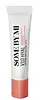
This barrier-repair lip moisturizer is formulated around Tocopheryl Acetate and Butyrospermum Parkii Butter to strengthen the lip barrier and hydrate lips.
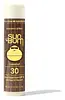
This calming lip moisturizer is formulated around Aloe Barbadensis Leaf Extract and Argania Spinosa Kernel Oil to calm redness and hydrate lips.


What's inside
What's inside
 Key Ingredients
Benefits
Concerns
Ingredients Side-by-side
Polyglyceryl-2 Isostearate/Dimer Dilinoleate Copolymer
EmollientBis-Diglyceryl Polyacyladipate-2
Emollient


Hydrogenated Castor Oil Isostearate
Skin Conditioning
Diisostearyl Malate
EmollientEthylhexyl Methoxycinnamate
UV Absorber


Phytosteryl/Isostearyl/Cetyl/Stearyl/Behenyl Dimer Dilinoleate
Skin Conditioning
Bis-Behenyl/Isostearyl/Phytosteryl Dimer Dilinoleyl Dimer Dilinoleate
EmollientTocopheryl Acetate
Antioxidant


Ethylhexyl Salicylate
UV Absorber
Euphorbia Cerifera Wax
Disteardimonium Hectorite
StabilisingPentaerythrityl Tetraisostearate
Emollient
Microcrystalline Wax
Emulsion StabilisingTridecyl Trimellitate
EmollientPolyglyceryl-6 Polyricinoleate
Emulsifying
Butyrospermum Parkii Butter
Skin Conditioning



Sorbitan Sesquioleate
Emulsifying
Glyceryl Behenate/Eicosadioate
Emollient
CI 77891
Cosmetic ColorantCitrus Aurantium Dulcis Peel Oil
Masking
Olea Europaea Fruit Oil
Masking
Citrus Limon Peel Oil
Masking

Caprylic/Capric Triglyceride
Masking
CI 15850
Cosmetic ColorantCI 15985
Cosmetic ColorantDehydroacetic Acid
Preservative
CI 19140
Cosmetic ColorantRosa Damascena Flower Oil
Masking
Hydrolyzed Hyaluronic Acid
Humectant


Sodium Hyaluronate
Humectant
Glycerin
Humectant
Water
Skin ConditioningHydrogenated Lecithin
Emulsifying
Polyglyceryl-10 Stearate
Skin Conditioning
Panthenol
Skin Conditioning
Sodium Ascorbyl Phosphate
Antioxidant


Niacinamide
Smoothing



Thiamine Hcl
MaskingPyridoxine
Skin ConditioningBiotin
AntiseborrhoeicRetinyl Palmitate
Skin Conditioning
Folic Acid
Skin ConditioningCyanocobalamin
Skin ConditioningLimonene
Perfuming
Citral
Perfuming
Polyglyceryl-2 Isostearate/Dimer Dilinoleate Copolymer, Bis-Diglyceryl Polyacyladipate-2, Hydrogenated Castor Oil Isostearate, Diisostearyl Malate, Ethylhexyl Methoxycinnamate, Phytosteryl/Isostearyl/Cetyl/Stearyl/Behenyl Dimer Dilinoleate, Bis-Behenyl/Isostearyl/Phytosteryl Dimer Dilinoleyl Dimer Dilinoleate, Tocopheryl Acetate, Ethylhexyl Salicylate, Euphorbia Cerifera Wax, Disteardimonium Hectorite, Pentaerythrityl Tetraisostearate, Microcrystalline Wax, Tridecyl Trimellitate, Polyglyceryl-6 Polyricinoleate, Butyrospermum Parkii Butter, Sorbitan Sesquioleate, Glyceryl Behenate/Eicosadioate, CI 77891, Citrus Aurantium Dulcis Peel Oil, Olea Europaea Fruit Oil, Citrus Limon Peel Oil, Caprylic/Capric Triglyceride, CI 15850, CI 15985, Dehydroacetic Acid, CI 19140, Rosa Damascena Flower Oil, Hydrolyzed Hyaluronic Acid, Sodium Hyaluronate, Glycerin, Water, Hydrogenated Lecithin, Polyglyceryl-10 Stearate, Panthenol, Sodium Ascorbyl Phosphate, Niacinamide, Thiamine Hcl, Pyridoxine, Biotin, Retinyl Palmitate, Folic Acid, Cyanocobalamin, Limonene, Citral
Butyl Methoxydibenzoylmethane 3%
UV Absorber
Homosalate 10%
Skin Conditioning
Ethylhexyl Salicylate 5%
UV Absorber
Octocrylene 8%
UV Absorber
Aloe Barbadensis Leaf Extract
Emollient
Argania Spinosa Kernel Oil
Emollient
Bisabolol
Antioxidant
Camellia Sinensis Leaf Extract
Antimicrobial
Caprylic/Capric Triglyceride
Masking
Calendula Officinalis Flower Extract
Masking
Cetyl Alcohol
Emollient
Citrus Grandis Fruit Extract
Astringent
Citrus Limon Peel Extract
EmollientCucumis Sativus Fruit Extract
Emollient
Diisobutyl Adipate
EmollientEquisetum Arvense Extract
AstringentEthylhexyl Palmitate
Emollient
Parfum
Masking
Ginkgo Biloba Leaf Extract
Skin Conditioning
Hydrogenated Ethylhexyl Olivate
EmollientHydrogenated Olive Oil Unsaponifiables
Emollient
Isostearyl Linoleate
EmollientMacrocystis Pyrifera Extract
Skin Conditioning
Paraffinum Liquidum
Emollient
Ozokerite
Emulsion StabilisingPanax Ginseng Root Extract
Emollient
PEG-8
HumectantPolysorbate 80
Emulsifying
Propylene Glycol
Humectant
Punica Granatum Extract
AstringentRosmarinus Officinalis Extract
AntimicrobialSaccharin
MaskingSalix Alba Bark Extract
Astringent
Salvia Officinalis Extract
Antimicrobial
Silica
Abrasive
Theobroma Cacao Seed Butter
Emollient
Tocopheryl Acetate
Antioxidant
Tocopheryl Linoleate/Oleate
Antioxidant
Water
Skin ConditioningButyl Methoxydibenzoylmethane 3%, Homosalate 10%, Ethylhexyl Salicylate 5%, Octocrylene 8%, Aloe Barbadensis Leaf Extract, Argania Spinosa Kernel Oil, Bisabolol, Camellia Sinensis Leaf Extract, Caprylic/Capric Triglyceride, Calendula Officinalis Flower Extract, Cetyl Alcohol, Citrus Grandis Fruit Extract, Citrus Limon Peel Extract, Cucumis Sativus Fruit Extract, Diisobutyl Adipate, Equisetum Arvense Extract, Ethylhexyl Palmitate, Parfum, Ginkgo Biloba Leaf Extract, Hydrogenated Ethylhexyl Olivate, Hydrogenated Olive Oil Unsaponifiables, Isostearyl Linoleate, Macrocystis Pyrifera Extract, Paraffinum Liquidum, Ozokerite, Panax Ginseng Root Extract, PEG-8, Polysorbate 80, Propylene Glycol, Punica Granatum Extract, Rosmarinus Officinalis Extract, Saccharin, Salix Alba Bark Extract, Salvia Officinalis Extract, Silica, Theobroma Cacao Seed Butter, Tocopheryl Acetate, Tocopheryl Linoleate/Oleate, Water
Reviews
Alternatives
Ingredients Explained
These ingredients are found in both products.
Ingredients higher up in an ingredient list are typically present in a larger amount.
Caprylic/Capric Triglyceride (aka MCT Oil) is a lightweight emollient, solvent, and texture enhancer. It is considered a skin-softener by helping to prevent moisture loss.
Though it behaves like an oil, it is not technically one due to its chemical composition. One perk of this ingredient is that it is very stable, resistant to oxidation, and unlikely to go rancid.
In practice, that translates to a long shelf life and a consistently elegant skin feel.
While there is an assumption Caprylic Triglyceride can clog pores due to it being derived from coconut oil, there is no research supporting this. Just patch test if you have concerns.
Fractionated coconut oil and MCT Oil are both listed as Caprylic/Capric Triglyceride according to INCI. This is because INCI names are based on the ingredient’s final chemical composition and not its marketing name or source.
This ingredient is treated as the gold standard fungal acne safe oil. Even though it is coconut derived, the problematic lauric acid is stripped out.
This leaves just caprylic (C8) and capric (C10) acid. These chain lengths actually trend antifungal; a 2020 study found caprylic acid was enough to disrupt Malassezia furfur cell membrane, with a caprylic acid derivative damaging membrane structures at concentrations as low as 0.2%.
Learn more about Caprylic/Capric TriglycerideEthylhexyl Salicylate (also called Octisalate or Octyl Salicylate) is an oil-soluble organic UV filter that's been used in sunscreen since the 1950's.
It absorbs UVB light in the 280-320 nm range with a peak absorbance around 306 nm.
You'll often see it paired with other UV filters to boost overall SPF because octisalate is a fairly week filter on its own.
The reason you'll see it so often is because it can help solubilize and stabilize the trickier filters like oxybenzone and avobenzone.
Unlike these filters, octisalate has pretty good photostability and doesn't create skin-damaging free radicals when exposed to sunlight.
The fatty-alcohol part of the molecule also gives it a light, emollient feel so it doubles as a nice texture enhancer.
Usage levels vary around the world:
Safety-wise, this ingredient has a pretty reassuring track record. The EU's Scientific Committee on Consumer Products (SCCP) found very low skin penetration in human skin tests and negative results for irritation, phototoxicity, and photoallergy.
The real-world allergy risk is pretty low too; a 2012 European study of 1,031 people recorded only 2 reactions to it (a rate of 0.19%).
You might have seen scary headlines about sunscreen getting into your blood.
In 2019, the FDA found that several chemical filters can absorb through the skin and show up in the bloodstream at small but measurable levels.
Here's the important part: these tiny levels are just a cutoff the FDA uses to decide which ingredients need more testing and doesn't mean anything harmful was found.
The researchers were clear that the results are no reason to stop wearing sunscreen.
Learn more about Ethylhexyl SalicylateTocopheryl Acetate is a stable, shelf-friendly form of vitamin E.
Formulators love it because plain vitamin E oxidizes quickly once it hits air. This acetate version stays stable and resists going off, helping to extend a product's shelf life.
It's actually inactive on its own and works like a slow-release "storage" form; the enzymes in your skin called esterases gradually convert it into active vitamin E over time.
One in vivo study showed 5% of the acetate in the living layer of the epidermis converted to vitamin E after 5 days of application. This study also found the skin gained protection against UV damage even though the conversion was slow and small.
Once converted, vitamin E acts as a skin's main fat-soluble antioxidant that fights free radicals to protect skin from damage.
Topical vitamin E generally boosts the skin's photoprotection, and it reduced UV-damage in animal models.
This ingredient has some brightening potential but it's more of a prevention ingredient than spot-fader. Cell studies show it can slow down melanin production but it's worth noting that it's not the most powerful brightener out there.
Overall, it has a pretty solid safety profile and has been found to be non-irritating and non-comedogenic. Allergic reactions may happen but stay rare due to how widely the ingredient gets used.
The concentration will vary depending on the formula; industry data shows 0.1% in baby lotions, 3% in lipsticks, and 5% in foot powders. You can also find this ingredient at 100% in a pure vitamin E oil.
Most leave-on skincare keeps it at the lower end, often between 0.5-1%.
Learn more about Tocopheryl AcetateWater. It's the most common cosmetic ingredient of all. You'll usually see it at the top of ingredient lists, meaning that it makes up the largest part of the product.
So why is it so popular? Water most often acts as a solvent - this means that it helps dissolve other ingredients into the formulation.
You'll also recognize water as that liquid we all need to stay alive. If you see this, drink a glass of water. Remember to stay hydrated!
Learn more about Water

