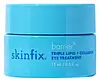
This barrier-repair eye moisturizer is formulated around Niacinamide and Squalane to strengthen the skin barrier and brighten dull-looking skin.
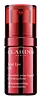
This anti-aging eye moisturizer is formulated around Caffeine to soften the look of wrinkles.


What's inside
What's inside
 Key Ingredients
Benefits
Concerns
Ingredients Side-by-side
Water
Skin ConditioningCaprylyl Caprylate/Caprate
Emollient
Jojoba Oil/Macadamia Seed Oil Esters
Skin Conditioning
Propanediol
Solvent
Niacinamide
Smoothing










Ammonium Acryloyldimethyltaurate/Vp Copolymer
Hydroxyethyl Acrylate/Sodium Acryloyldimethyl Taurate Copolymer
Emulsion StabilisingCollagen Amino Acids
Moisturising
Squalane
Emollient
Caffeine
Skin Conditioning
Squalene
Emollient

Macadamia Integrifolia Seed Oil
Skin Conditioning
Asparagopsis Armata Extract
Skin Protecting

Hydrogenated Starch Hydrolysate
HumectantPhytosteryl Macadamiate
Skin Conditioning
Acetyl Glucosamine
Skin Conditioning
Acetyl Glutamine
Skin ConditioningLecithin
Emollient
Phospholipids
Skin Conditioning
Leuconostoc/Radish Root Ferment Filtrate
Antimicrobial
Polyglutamic Acid
Skin Conditioning
Phytosterols
Skin Conditioning
Ascophyllum Nodosum Extract
Skin Conditioning
Ceramide NP
Skin Conditioning
Bacillus/Soybean Ferment Extract
Skin ConditioningOligopeptide-3
Skin Conditioning
Oligopeptide-2
Skin Conditioning
Oligopeptide-1
Skin Conditioning
Hexapeptide-11
Skin Conditioning
Tocopheryl Acetate
Antioxidant

Sodium Hyaluronate
Humectant
Folic Acid
Skin ConditioningAmylopectin
Tocopherol
Antioxidant
Phytosphingosine
Skin Conditioning
Ceramide AP
Skin Conditioning
Cholesterol
Emollient
Lithothamnion Calcareum Extract
Skin ConditioningLactic Acid
Buffering

Myrica Cerifera Fruit Extract
HumectantHydroxyacetophenone
Antioxidant
Prunus Lannesiana Flower Extract
Skin ConditioningAkebia Quinata Stem Extract
Skin ConditioningSaccharomyces Lysate
Skin Conditioning
Lactobacillus Ferment Lysate
Skin Conditioning
Ceramide EOP
Skin Conditioning
Tripeptide-1
Skin Conditioning
Caprylyl Glycol
Emollient
Polysorbate 60
Emulsifying
Glycerin
Humectant
Ethylhexylglycerin
Skin ConditioningHexylene Glycol
EmulsifyingSodium Lauroyl Lactylate
EmulsifyingSorbitan Isostearate
Emulsifying
Trisodium Ethylenediamine Disuccinate
ChelatingButylene Glycol
Humectant
Pentylene Glycol
Skin Conditioning
Xanthan Gum
EmulsifyingCarbomer
Emulsion StabilisingSodium Benzoate
Masking
Potassium Sorbate
Preservative
1,2-Hexanediol
Skin Conditioning
Dextran
Phenoxyethanol
Preservative
Water, Caprylyl Caprylate/Caprate, Jojoba Oil/Macadamia Seed Oil Esters, Propanediol, Niacinamide, Ammonium Acryloyldimethyltaurate/Vp Copolymer, Hydroxyethyl Acrylate/Sodium Acryloyldimethyl Taurate Copolymer, Collagen Amino Acids, Squalane, Caffeine, Squalene, Macadamia Integrifolia Seed Oil, Asparagopsis Armata Extract, Hydrogenated Starch Hydrolysate, Phytosteryl Macadamiate, Acetyl Glucosamine, Acetyl Glutamine, Lecithin, Phospholipids, Leuconostoc/Radish Root Ferment Filtrate, Polyglutamic Acid, Phytosterols, Ascophyllum Nodosum Extract, Ceramide NP, Bacillus/Soybean Ferment Extract, Oligopeptide-3, Oligopeptide-2, Oligopeptide-1, Hexapeptide-11, Tocopheryl Acetate, Sodium Hyaluronate, Folic Acid, Amylopectin, Tocopherol, Phytosphingosine, Ceramide AP, Cholesterol, Lithothamnion Calcareum Extract, Lactic Acid, Myrica Cerifera Fruit Extract, Hydroxyacetophenone, Prunus Lannesiana Flower Extract, Akebia Quinata Stem Extract, Saccharomyces Lysate, Lactobacillus Ferment Lysate, Ceramide EOP, Tripeptide-1, Caprylyl Glycol, Polysorbate 60, Glycerin, Ethylhexylglycerin, Hexylene Glycol, Sodium Lauroyl Lactylate, Sorbitan Isostearate, Trisodium Ethylenediamine Disuccinate, Butylene Glycol, Pentylene Glycol, Xanthan Gum, Carbomer, Sodium Benzoate, Potassium Sorbate, 1,2-Hexanediol, Dextran, Phenoxyethanol
Water
Skin ConditioningGlycerin
Humectant
Caprylic/Capric Triglyceride
Masking
Propanediol
Solvent
Cetearyl Alcohol
Emollient
Betaine
Humectant
Hydrogenated Coco-Glycerides
Emollient
Panthenol
Skin Conditioning
Glyceryl Stearate
Emollient
PEG-100 Stearate
Surfactant
Pentylene Glycol
Skin Conditioning
Butyrospermum Parkii Butter
Skin Conditioning
Cetearyl Glucoside
Emulsifying
Albizia Julibrissin Bark Extract
MaskingAcacia Farnesiana Flower Wax
Caffeine
Skin Conditioning
Steareth-21
CleansingDimethicone
Emollient
Carbomer
Emulsion StabilisingChlorphenesin
Antimicrobial
Ethylhexylglycerin
Skin ConditioningTocopheryl Acetate
Antioxidant
CI 77891
Cosmetic ColorantSynthetic Fluorphlogopite
Disodium EDTA
ChelatingEscin
TonicParfum
Masking

Butylene Glycol
Humectant
Dimethiconol
Emollient
Sodium Hydroxide
BufferingAlcohol
Antimicrobial

Harungana Madagascariensis Extract
Skin ConditioningOlea Europaea Fruit Extract
BleachingPaullinia Cupana Seed Extract
Skin ConditioningSodium Benzoate
Masking
Tin Oxide
Abrasive
Acetyl Tetrapeptide-2
Skin Conditioning
Dextran
Water, Glycerin, Caprylic/Capric Triglyceride, Propanediol, Cetearyl Alcohol, Betaine, Hydrogenated Coco-Glycerides, Panthenol, Glyceryl Stearate, PEG-100 Stearate, Pentylene Glycol, Butyrospermum Parkii Butter, Cetearyl Glucoside, Albizia Julibrissin Bark Extract, Acacia Farnesiana Flower Wax, Caffeine, Steareth-21, Dimethicone, Carbomer, Chlorphenesin, Ethylhexylglycerin, Tocopheryl Acetate, CI 77891, Synthetic Fluorphlogopite, Disodium EDTA, Escin, Parfum, Butylene Glycol, Dimethiconol, Sodium Hydroxide, Alcohol, Harungana Madagascariensis Extract, Olea Europaea Fruit Extract, Paullinia Cupana Seed Extract, Sodium Benzoate, Tin Oxide, Acetyl Tetrapeptide-2, Dextran
Reviews
Ingredients Explained
These ingredients are found in both products.
Ingredients higher up in an ingredient list are typically present in a larger amount.
Butylene Glycol (or BG) is used within cosmetic products for a few different reasons:
Overall, Butylene Glycol is a safe and well-rounded ingredient that works well with other ingredients.
Though this ingredient works well with most skin types, some people with sensitive skin may experience a reaction such as allergic rashes, closed comedones, or itchiness.
Learn more about Butylene GlycolCaffeine is a naturally occurring plant compound found in coffee beans, tea leaves, cocoa pods, and guarana.
As an antioxidant, caffeine protects your skin from free radical damage caused by UV exposure and envionrmnetal stressors.
Early research also shows that caffeine can help calm redness, soothe irritated skin, and support hair growth by stimulating microcirculation in the scalp.
You might have seen eye creams marketing caffeine as a depuffing ingredient. This is because it is a vasoconstrictor meaning it can temporarily constrict blood vessels, though clinical evidence for this specific use is still limited.
Most skincare products contain this ingredient at concentrations between 1-6%. It is able to penetrate skin easily regardless of skin type or thickness.
Just so you know, a very small number of case reports describe caffeine-induced allergy. This ingredient is generally well-tolerated, non-irritating, and non-sensitizing for the majority of people.
Learn more about CaffeineCarbomer is a synthetic thickening and gelling agent. It's basically the ingredient that gives a lot of serums, gels, creams, and sunscreens their smooth, non-sticky texture.
Although legally permitted at very high levels, carbomers are normally used at concentrations below 1%.
It also needs to be neutralized to actually thicken, and because it is a large molecule, it doesn't really penetrate the skin barrier.
Allergy-wise, the risk is very low. Clinical studies show carbomers have low potential for skin irritation/sensitization even at concentrations up to 100%.
A 2024 UK study patch-tested 1,302 patients and found true allergy to the parent group of carbomer to be rare with no confirmed relevant reactions.
Learn more about CarbomerDextran is a sugar (polysaccharide) with skin hydrating properties.
Fun fact: Louis Pasteur first discovered this ingredient as a microbial product in wine.
Ethylhexylglycerin is created from glycerin. It is a multitasker ingredient that:
The CIR Expert Panel found minimal skin absorption or sensitization of any kind in a safety assessment. Though this ingredient is considered well-tolerated, a small number of cases of allergic dermatitis have been published since 2002. Just be sure to patch test if you are unsure.
Industry-reported use ranges from 8% in rinse-off products and 2% in leave-on formulations.
Learn more about EthylhexylglycerinGlycerin (or glycerol) is a compound naturally found in your skin. It's a powerhouse humectant that pulls water into the stratum corneum.
Topically, glycerin does several things at once:
Your skin makes glycerin on its own (mostly from sebaceous oil breakdown) and shuttles it to your outermost layer of skin, or your epidermis, via aquaporin-3.
Aquaporin-3 is a transporter that is essential for normal skin hydration, elasticity, and repair. Interestingly, mice lacking in AQP3 have dry and less elastic skin that can be fully corrected with glycerin.
This ingredient is non-irritating, plays well with almost every ingredient, and works across all skin types. Typical use is anywhere between 3-10% but can go up to 79% in some leave-on products.
Just know very high concentrations (>40%) can feel tacky in low humidity.
Glycerin is the name for this ingredient in American English. British English uses Glycerol/Glycerine.
Learn more about GlycerinPentylene Glycol (1,2-pentanediol) is a multitasking little diol with three main roles in a formula:
Research on alkanediols (the family pentylene glycol belongs to) show they work by disrupting microbial cell membranes. This disruption helps the primary preservative system in a product work more effectively at lower doses.
On the safety side, the Cosmetic Ingredient Review Expert Panel has concluded this ingredient to be safe as used in current cosmetic practices + concentrations.
Typical use levels in a formula run about 1-5%.
Learn more about Pentylene GlycolPropanediol is an all-star ingredient. It softens, hydrates, and smooths the skin.
It’s often used to:
Propanediol is not likely to cause sensitivity and considered safe to use. It is derived from corn or petroleum with a clear color and no scent.
Learn more about PropanediolSodium Benzoate is a preservative. It's used in both cosmetic and food products to inhibit the growth of mold and bacteria. It is typically produced synthetically.
Both the US FDA and EU Health Committee have approved the use of sodium benzoate. In the US, levels of 0.1% (of the total product) are allowed.
Sodium benzoate works as a preservative by inhibiting the growth of bacteria inside of cells. It prevents the cell from fermenting a type of sugar using an enzyme called phosphofructokinase.
It is the salt of benzoic acid. Foods containing sodium benzoate include soda, salad dressings, condiments, fruit juices, wines, and snack foods.
Studies for using ascorbic acid and sodium benzoate in cosmetics are lacking, especially in skincare routines with multiple steps.
We always recommend speaking with a professional, such as a dermatologist, if you have any concerns.
Learn more about Sodium BenzoateTocopheryl Acetate is a stable, shelf-friendly form of vitamin E.
Formulators love it because plain vitamin E oxidizes quickly once it hits air. This acetate version stays stable and resists going off, helping to extend a product's shelf life.
It's actually inactive on its own and works like a slow-release "storage" form; the enzymes in your skin called esterases gradually convert it into active vitamin E over time.
One in vivo study showed 5% of the acetate in the living layer of the epidermis converted to vitamin E after 5 days of application. This study also found the skin gained protection against UV damage even though the conversion was slow and small.
Once converted, vitamin E acts as a skin's main fat-soluble antioxidant that fights free radicals to protect skin from damage.
Topical vitamin E generally boosts the skin's photoprotection, and it reduced UV-damage in animal models.
This ingredient has some brightening potential but it's more of a prevention ingredient than spot-fader. Cell studies show it can slow down melanin production but it's worth noting that it's not the most powerful brightener out there.
Overall, it has a pretty solid safety profile and has been found to be non-irritating and non-comedogenic. Allergic reactions may happen but stay rare due to how widely the ingredient gets used.
The concentration will vary depending on the formula; industry data shows 0.1% in baby lotions, 3% in lipsticks, and 5% in foot powders. You can also find this ingredient at 100% in a pure vitamin E oil.
Most leave-on skincare keeps it at the lower end, often between 0.5-1%.
Learn more about Tocopheryl AcetateWater. It's the most common cosmetic ingredient of all. You'll usually see it at the top of ingredient lists, meaning that it makes up the largest part of the product.
So why is it so popular? Water most often acts as a solvent - this means that it helps dissolve other ingredients into the formulation.
You'll also recognize water as that liquid we all need to stay alive. If you see this, drink a glass of water. Remember to stay hydrated!
Learn more about Water

