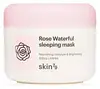
This barrier-repair overnight mask is formulated around Niacinamide and Rosa Damascena Flower Water to strengthen the skin barrier.
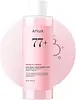
This brightening toner is formulated around Niacinamide and Alpha-Arbutin to brighten dull-looking skin.

What's inside
What's inside
 Key Ingredients
Benefits
Concerns
Ingredients Side-by-side
Water
Skin ConditioningGlycerin
Humectant


Cyclopentasiloxane
Emollient
Propanediol
Solvent
Dimethicone
Emollient
Niacinamide
Smoothing









Dimethicone/PEG-10/15 Crosspolymer
Butylene Glycol
Humectant
Rosa Damascena Flower Water
Masking
Citric Acid
Buffering

Glycolic Acid
Buffering

Lactic Acid
Buffering
Malic Acid
Buffering
Pyruvic Acid
MaskingTartaric Acid
Buffering
Trehalose
Humectant
Malpighia Emarginata Fruit Extract
Skin ConditioningTerminalia Ferdinandiana Fruit Extract
Antioxidant
Euterpe Oleracea Fruit Extract
Ficus Carica Fruit Extract
Humectant
Morus Alba Fruit Extract
Antioxidant
Ceramide NP
Skin Conditioning
Betaine
Humectant
Theobroma Cacao Seed Extract
Antioxidant
Sodium Citrate
BufferingBenzophenone-5
UV Absorber
Disodium EDTA
ChelatingPhenoxyethanol
Preservative
Chlorphenesin
Antimicrobial
Sodium Benzoate
Masking
Potassium Sorbate
Preservative
CI 17200
Cosmetic ColorantCI 42090
Cosmetic ColorantParfum
Masking

Water, Glycerin, Cyclopentasiloxane, Propanediol, Dimethicone, Niacinamide, Dimethicone/PEG-10/15 Crosspolymer, Butylene Glycol, Rosa Damascena Flower Water, Citric Acid, Glycolic Acid, Lactic Acid, Malic Acid, Pyruvic Acid, Tartaric Acid, Trehalose, Malpighia Emarginata Fruit Extract, Terminalia Ferdinandiana Fruit Extract, Euterpe Oleracea Fruit Extract, Ficus Carica Fruit Extract, Morus Alba Fruit Extract, Ceramide NP, Betaine, Theobroma Cacao Seed Extract, Sodium Citrate, Benzophenone-5, Disodium EDTA, Phenoxyethanol, Chlorphenesin, Sodium Benzoate, Potassium Sorbate, CI 17200, CI 42090, Parfum
Prunus Persica Fruit Water 77%
Masking
2,3-Butanediol
HumectantWater
Skin ConditioningGlycerin
Humectant
Dipropylene Glycol
HumectantNiacinamide
Smoothing
Butylene Glycol
Humectant
1,2-Hexanediol
Skin Conditioning
Lactobacillus Ferment
Skin Conditioning
Methylpropanediol
SolventStreptococcus Thermophilus Ferment
Humectant
Prunus Persica Fruit Extract
Abrasive
Pyrus Malus Juice
Skin ConditioningBifida Ferment Lysate
Skin Conditioning
Bacillus Ferment
Skin Conditioning
Phellinus Linteus Extract
Skin ConditioningXylose
HumectantGalactomyces Ferment Filtrate
Humectant
Alpha-Arbutin
Antioxidant
Prunus Persica Extract
CleansingSodium Hyaluronate
Humectant
Hydrolyzed Vegetable Protein
Skin ConditioningPolyglyceryl-10 Laurate
Skin Conditioning
Propanediol
Solvent
Squalane
Emollient
Acrylates/C10-30 Alkyl Acrylate Crosspolymer
Emulsion StabilisingCaprylic/Capric Triglyceride
Masking
Diphenyl Dimethicone
Emollient
Triethylhexanoin
MaskingEthylhexylglycerin
Skin ConditioningPolyglyceryl-10 Stearate
Skin Conditioning
Adenosine
Skin Conditioning
Hydrogenated Lecithin
Emulsifying
Dipotassium Glycyrrhizate
Humectant
Tromethamine
BufferingSodium Polyacrylate
Absorbent
Panthenol
Skin Conditioning
Sodium Hyaluronate Crosspolymer
Humectant
Ceramide NP
Skin Conditioning
Allantoin
Skin Conditioning
Cyanocobalamin
Skin ConditioningPolyglutamic Acid
Skin Conditioning
Sodium Stearoyl Glutamate
CleansingTocopherol
Antioxidant
Betaine Salicylate
Antimicrobial
Ascorbic Acid
Antioxidant
Ascorbyl Glucoside
Antioxidant
Maltodextrin
Absorbent
Glycine
Buffering
Serine
Masking
Glutamic Acid
Humectant
Aspartic Acid
Masking
Leucine
Skin ConditioningAlanine
Masking
Lysine
Skin ConditioningArginine
Masking
Tyrosine
MaskingPhenylalanine
Masking
Proline
Skin Conditioning
Theanine
EmollientValine
MaskingIsoleucine
Skin ConditioningHistidine
Humectant
Cysteine
Antioxidant
Methionine
Skin ConditioningXanthan Gum
EmulsifyingParfum
Masking
Prunus Persica Fruit Water 77%, 2,3-Butanediol, Water, Glycerin, Dipropylene Glycol, Niacinamide, Butylene Glycol, 1,2-Hexanediol, Lactobacillus Ferment, Methylpropanediol, Streptococcus Thermophilus Ferment, Prunus Persica Fruit Extract, Pyrus Malus Juice, Bifida Ferment Lysate, Bacillus Ferment, Phellinus Linteus Extract, Xylose, Galactomyces Ferment Filtrate, Alpha-Arbutin, Prunus Persica Extract, Sodium Hyaluronate, Hydrolyzed Vegetable Protein, Polyglyceryl-10 Laurate, Propanediol, Squalane, Acrylates/C10-30 Alkyl Acrylate Crosspolymer, Caprylic/Capric Triglyceride, Diphenyl Dimethicone, Triethylhexanoin, Ethylhexylglycerin, Polyglyceryl-10 Stearate, Adenosine, Hydrogenated Lecithin, Dipotassium Glycyrrhizate, Tromethamine, Sodium Polyacrylate, Panthenol, Sodium Hyaluronate Crosspolymer, Ceramide NP, Allantoin, Cyanocobalamin, Polyglutamic Acid, Sodium Stearoyl Glutamate, Tocopherol, Betaine Salicylate, Ascorbic Acid, Ascorbyl Glucoside, Maltodextrin, Glycine, Serine, Glutamic Acid, Aspartic Acid, Leucine, Alanine, Lysine, Arginine, Tyrosine, Phenylalanine, Proline, Theanine, Valine, Isoleucine, Histidine, Cysteine, Methionine, Xanthan Gum, Parfum
Reviews
Ingredients Explained
These ingredients are found in both products.
Ingredients higher up in an ingredient list are typically present in a larger amount.
Butylene Glycol (or BG) is used within cosmetic products for a few different reasons:
Overall, Butylene Glycol is a safe and well-rounded ingredient that works well with other ingredients.
Though this ingredient works well with most skin types, some people with sensitive skin may experience a reaction such as allergic rashes, closed comedones, or itchiness.
Learn more about Butylene GlycolCeramide NP (formerly known as Ceramide 3) is one of the skin's naturally occurring lipids.
Since ceramides are the major lipid components of the skin, they are crucial for maintaining skin barrier and hydration. Ceramide NP most closely mirrors the dominant kind in human skin amongst ceramide subtypes.
This ceramide works by slotting into gaps within the stratum corneum's lipid matrix to limit trans-epidermal water loss (TEWL) and shield the skin against external irritants.
A study with 312 patients found that using a ceramide-containing routine for 4 weeks reduced the severity of atopic dermatitis by over 61%.
Another clinical study in subjects aged 60 and older found that a ceramide body wash and moisturizer improved skin dryness and itchy skin in 15 days.
Overall, ceramides are considered non-irritating and safety tests have found little to no observable adverse effects from using this ingredient.
Ceramide NP is usually sourced from plants (like soybean or rice bran), or produced synthetically.
Learn more about Ceramide NPGlycerin (or glycerol) is a compound naturally found in your skin. It's a powerhouse humectant that pulls water into the stratum corneum.
Topically, glycerin does several things at once:
Your skin makes glycerin on its own (mostly from sebaceous oil breakdown) and shuttles it to your outermost layer of skin, or your epidermis, via aquaporin-3.
Aquaporin-3 is a transporter that is essential for normal skin hydration, elasticity, and repair. Interestingly, mice lacking in AQP3 have dry and less elastic skin that can be fully corrected with glycerin.
This ingredient is non-irritating, plays well with almost every ingredient, and works across all skin types. Typical use is anywhere between 3-10% but can go up to 79% in some leave-on products.
Just know very high concentrations (>40%) can feel tacky in low humidity.
Glycerin is the name for this ingredient in American English. British English uses Glycerol/Glycerine.
Learn more about GlycerinNiacinamide is a multitasking form of vitamin B3 that strengthens the skin barrier, reduces pores and dark spots, regulates oil, and improves signs of aging.
And the best part? It's gentle and well-tolerated by most skin types, including sensitive and reactive skin.
You might have heard of "niacin flush", or the reddening of skin that causes itchiness. Niacinamide has not been found to cause this.
In very rare cases, some individuals may not be able to tolerate niacinamide at all or experience an allergic reaction to it.
If you are experiencing flaking, irritation, and dryness with this ingredient, be sure to double check all your products as this ingredient can be found in all categories of skincare.
When incorporating niacinamide into your routine, look out for concentration amounts. Typically, 5% niacinamide provides benefits such as fading dark spots. However, if you have sensitive skin, it is better to begin with a smaller concentration.
When you apply niacinamide to your skin, your body converts it into nicotinamide adenine dinucleotide (NAD). NAD is an essential coenzyme that is already found in your cells as "fuel" and powers countless biological processes.
In your skin, NAD helps repair cell damage, produce new healthy cells, support collagen production, strengthen the skin barrier, and fight environmental stressors (like UV and pollution).
Our natural NAD levels start to decline with age, leading to slower skin repair, visible aging, and a weaker skin barrier. By providing your skin niacinamide, you're recharging your skin's NAD levels. This leads to stronger, healthier, and younger looking skin.
Another name for vitamin B3 is nicotinamide. This vitamin is water-soluble and our bodies don't store it. We obtain Vitamin B3 from either food or skincare. Meat, fish, wheat, yeast, and leafy greens contain vitamin B3.
The type of niacinamide used in skincare is synthetically created.
Learn more about NiacinamideParfum is a catch-all term for an ingredient or more that is used to give a scent to products.
Also called "fragrance", this ingredient can be a blend of hundreds of chemicals or plant oils. This means every product with "fragrance" or "parfum" in the ingredients list is a different mixture.
For instance, Habanolide is a proprietary trade name for a specific aroma chemical. When used as a fragrance ingredient in cosmetics, most aroma chemicals fall under the broad labeling category of “FRAGRANCE” or “PARFUM” according to EU and US regulations.
The term 'parfum' or 'fragrance' is not regulated in many countries. In many cases, it is up to the brand to define this term.
For instance, many brands choose to label themselves as "fragrance-free" because they are not using synthetic fragrances. However, their products may still contain ingredients such as essential oils that are considered a fragrance by INCI standards.
One example is Calendula flower extract. Calendula is an essential oil that still imparts a scent or 'fragrance'.
Depending on the blend, the ingredients in the mixture can cause allergies and sensitivities on the skin. Some ingredients that are known EU allergens include linalool and citronellol.
Parfum can also be used to mask or cover an unpleasant scent.
The bottom line is: not all fragrances/parfum/ingredients are created equally. If you are worried about fragrances, we recommend taking a closer look at an ingredient. And of course, we always recommend speaking with a professional.
Learn more about ParfumPropanediol is an all-star ingredient. It softens, hydrates, and smooths the skin.
It’s often used to:
Propanediol is not likely to cause sensitivity and considered safe to use. It is derived from corn or petroleum with a clear color and no scent.
Learn more about PropanediolWater. It's the most common cosmetic ingredient of all. You'll usually see it at the top of ingredient lists, meaning that it makes up the largest part of the product.
So why is it so popular? Water most often acts as a solvent - this means that it helps dissolve other ingredients into the formulation.
You'll also recognize water as that liquid we all need to stay alive. If you see this, drink a glass of water. Remember to stay hydrated!
Learn more about Water

