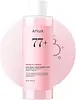
This brightening toner is formulated around Niacinamide and Alpha-Arbutin to brighten dull-looking skin.
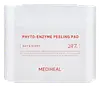
This smoothing exfoliating pad uses a pre-saturated pad with Betaine Salicylate and Papain to refine skin texture and refine the look of pores.

What's inside
What's inside
 Key Ingredients
Benefits
Concerns
Ingredients Side-by-side
Prunus Persica Fruit Water 77%
Masking
2,3-Butanediol
HumectantWater
Skin ConditioningGlycerin
Humectant


Dipropylene Glycol
HumectantNiacinamide
Smoothing









Butylene Glycol
Humectant
1,2-Hexanediol
Skin Conditioning
Lactobacillus Ferment
Skin Conditioning
Methylpropanediol
SolventStreptococcus Thermophilus Ferment
Humectant

Prunus Persica Fruit Extract
Abrasive
Pyrus Malus Juice
Skin ConditioningBifida Ferment Lysate
Skin Conditioning
Bacillus Ferment
Skin Conditioning
Phellinus Linteus Extract
Skin ConditioningXylose
HumectantGalactomyces Ferment Filtrate
Humectant
Alpha-Arbutin
Antioxidant

Prunus Persica Extract
CleansingSodium Hyaluronate
Humectant
Hydrolyzed Vegetable Protein
Skin ConditioningPolyglyceryl-10 Laurate
Skin Conditioning
Propanediol
Solvent
Squalane
Emollient
Acrylates/C10-30 Alkyl Acrylate Crosspolymer
Emulsion StabilisingCaprylic/Capric Triglyceride
Masking
Diphenyl Dimethicone
Emollient
Triethylhexanoin
MaskingEthylhexylglycerin
Skin ConditioningPolyglyceryl-10 Stearate
Skin Conditioning
Adenosine
Skin Conditioning
Hydrogenated Lecithin
Emulsifying
Dipotassium Glycyrrhizate
Humectant
Tromethamine
BufferingSodium Polyacrylate
Absorbent
Panthenol
Skin Conditioning
Sodium Hyaluronate Crosspolymer
Humectant
Ceramide NP
Skin Conditioning
Allantoin
Skin Conditioning
Cyanocobalamin
Skin ConditioningPolyglutamic Acid
Skin Conditioning
Sodium Stearoyl Glutamate
CleansingTocopherol
Antioxidant
Betaine Salicylate
Antimicrobial

Ascorbic Acid
Antioxidant
Ascorbyl Glucoside
Antioxidant
Maltodextrin
Absorbent
Glycine
Buffering
Serine
Masking
Glutamic Acid
Humectant
Aspartic Acid
Masking
Leucine
Skin ConditioningAlanine
Masking
Lysine
Skin ConditioningArginine
Masking
Tyrosine
MaskingPhenylalanine
Masking
Proline
Skin Conditioning
Theanine
EmollientValine
MaskingIsoleucine
Skin ConditioningHistidine
Humectant
Cysteine
Antioxidant
Methionine
Skin ConditioningXanthan Gum
EmulsifyingParfum
Masking

Prunus Persica Fruit Water 77%, 2,3-Butanediol, Water, Glycerin, Dipropylene Glycol, Niacinamide, Butylene Glycol, 1,2-Hexanediol, Lactobacillus Ferment, Methylpropanediol, Streptococcus Thermophilus Ferment, Prunus Persica Fruit Extract, Pyrus Malus Juice, Bifida Ferment Lysate, Bacillus Ferment, Phellinus Linteus Extract, Xylose, Galactomyces Ferment Filtrate, Alpha-Arbutin, Prunus Persica Extract, Sodium Hyaluronate, Hydrolyzed Vegetable Protein, Polyglyceryl-10 Laurate, Propanediol, Squalane, Acrylates/C10-30 Alkyl Acrylate Crosspolymer, Caprylic/Capric Triglyceride, Diphenyl Dimethicone, Triethylhexanoin, Ethylhexylglycerin, Polyglyceryl-10 Stearate, Adenosine, Hydrogenated Lecithin, Dipotassium Glycyrrhizate, Tromethamine, Sodium Polyacrylate, Panthenol, Sodium Hyaluronate Crosspolymer, Ceramide NP, Allantoin, Cyanocobalamin, Polyglutamic Acid, Sodium Stearoyl Glutamate, Tocopherol, Betaine Salicylate, Ascorbic Acid, Ascorbyl Glucoside, Maltodextrin, Glycine, Serine, Glutamic Acid, Aspartic Acid, Leucine, Alanine, Lysine, Arginine, Tyrosine, Phenylalanine, Proline, Theanine, Valine, Isoleucine, Histidine, Cysteine, Methionine, Xanthan Gum, Parfum
Water
Skin ConditioningDipropylene Glycol
HumectantGlycerin
Humectant
Butylene Glycol
Humectant
1,2-Hexanediol
Skin Conditioning
Betaine Salicylate
Antimicrobial
Betaine
Humectant
Hydroxyacetophenone
Antioxidant
Tromethamine
BufferingOctyldodeceth-16
EmulsifyingSodium Citrate
BufferingCitric Acid
Buffering
Disodium EDTA
ChelatingPapain
Skin Conditioning
Pogostemon Cablin Leaf Oil
Masking

Juniperus Virginiana Oil
Masking
Capryloyl Salicylic Acid
Exfoliating
Artemisia Vulgaris Oil
Perfuming
Beta-Glucan
Skin Conditioning
Mentha Arvensis Leaf Oil
Masking
Water, Dipropylene Glycol, Glycerin, Butylene Glycol, 1,2-Hexanediol, Betaine Salicylate, Betaine, Hydroxyacetophenone, Tromethamine, Octyldodeceth-16, Sodium Citrate, Citric Acid, Disodium EDTA, Papain, Pogostemon Cablin Leaf Oil, Juniperus Virginiana Oil, Capryloyl Salicylic Acid, Artemisia Vulgaris Oil, Beta-Glucan, Mentha Arvensis Leaf Oil
Reviews
Ingredients Explained
These ingredients are found in both products.
Ingredients higher up in an ingredient list are typically present in a larger amount.
1,2-Hexanediol is a synthetic liquid and another multi-functional powerhouse.
It is a:
- Humectant, drawing moisture into the skin
- Emollient, helping to soften skin
- Solvent, dispersing and stabilizing formulas
- Preservative booster, enhancing the antimicrobial activity of other preservatives
Betaine Salicylate is considered a salicylic acid alternative.
Limited studies exist proving this ingredient to be a complete alternative to salicylic acid. Based on existing research, this ingredient does not penetrate as deeply and is not shown to be as effective.
However, this makes it a great choice for those with sensitive skin or need gentle BHA action.
This ingredient is created using betaine and salicylic acid.
This ingredient is oil-soluble and is most effective at a pH range of 3.8-4.2.
Learn more about Betaine SalicylateButylene Glycol (or BG) is used within cosmetic products for a few different reasons:
Overall, Butylene Glycol is a safe and well-rounded ingredient that works well with other ingredients.
Though this ingredient works well with most skin types, some people with sensitive skin may experience a reaction such as allergic rashes, closed comedones, or itchiness.
Learn more about Butylene GlycolDipropylene Glycol is a synthetically created humectant, stabilizer, and solvent.
This ingredient helps:
Dipropylene glycol is technically an alcohol, but it belongs to the glycol family (often considered part of the ‘good’ alcohols). This means it is hydrating and gentle on skin unlike drying solvent alcohols like denatured alcohol.
As a masking agent, Dipropylene Glycol can be used to cover the smell of other ingredients. However, it does not have a scent.
Studies show Dipropylene Glycol is considered safe to use in skincare.
Learn more about Dipropylene GlycolGlycerin (or glycerol) is a compound naturally found in your skin. It's a powerhouse humectant that pulls water into the stratum corneum.
Topically, glycerin does several things at once:
Your skin makes glycerin on its own (mostly from sebaceous oil breakdown) and shuttles it to your outermost layer of skin, or your epidermis, via aquaporin-3.
Aquaporin-3 is a transporter that is essential for normal skin hydration, elasticity, and repair. Interestingly, mice lacking in AQP3 have dry and less elastic skin that can be fully corrected with glycerin.
This ingredient is non-irritating, plays well with almost every ingredient, and works across all skin types. Typical use is anywhere between 3-10% but can go up to 79% in some leave-on products.
Just know very high concentrations (>40%) can feel tacky in low humidity.
Glycerin is the name for this ingredient in American English. British English uses Glycerol/Glycerine.
Learn more about GlycerinTromethamine (aka THAM) is a synthetic amino acid that shows up in skincare as a helper ingredient.
It functions as a pH adjuster to help neutralize acidic ingredients and set a formula's pH to the right spot.
This matters a lot because a lot of actives (like vitamin C) needs a specific pH to work well and feel comfortable on skin.
Concentration use ranges from 0.1-1.0% depending on the formula.
Learn more about TromethamineWater. It's the most common cosmetic ingredient of all. You'll usually see it at the top of ingredient lists, meaning that it makes up the largest part of the product.
So why is it so popular? Water most often acts as a solvent - this means that it helps dissolve other ingredients into the formulation.
You'll also recognize water as that liquid we all need to stay alive. If you see this, drink a glass of water. Remember to stay hydrated!
Learn more about Water

