

What's inside
What's inside
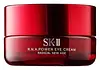 Key Ingredients
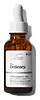
Benefits
Concerns
Ingredients Side-by-side
Water
Skin ConditioningGlycerin
Humectant


Galactomyces Ferment Filtrate
Humectant




Niacinamide
Smoothing





Isohexadecane
EmollientButylene Glycol
Humectant
Pentylene Glycol
Skin Conditioning
Isopropyl Isostearate
Emollient

Petrolatum
Emollient
Dimethicone
Emollient
Caprylic/Capric Triglyceride
Masking
Vinyl Dimethicone/Methicone Silsesquioxane Crosspolymer
Polyacrylamide
Phytosteryl/Behenyl/Octyldodecyl Lauroyl Glutamate
Skin ConditioningStearyl Alcohol
Emollient
Cetyl Alcohol
Emollient
C13-14 Isoparaffin
Emollient
Behenyl Alcohol
Emollient
Tocopheryl Acetate
Antioxidant

Polymethylsilsesquioxane
Panthenol
Skin Conditioning
Nylon-12

Benzyl Alcohol
Perfuming





Dimethiconol
Emollient
Methylparaben
Preservative
PEG-100 Stearate
Laureth-7
EmulsifyingCetearyl Glucoside
Emulsifying
Cetearyl Alcohol
Emollient
Stearic Acid
Cleansing
Mica
Cosmetic ColorantDisodium EDTA
Propylparaben
Preservative
Sodium PEG-7 Olive Oil Carboxylate
Emulsifying
Ethylparaben
Preservative
PEG-7 Glyceryl Cocoate
Emulsifying
Chlorella Vulgaris Extract
Skin ConditioningSodium Hydroxide
BufferingHydrolyzed Lupine Protein
Skin ConditioningDecyl Glucoside
Cleansing
Medicago Sativa Extract
TonicPhenoxyethanol
Preservative
Lactic Acid
Buffering

Sodium Benzoate
Masking
Hydrolyzed Soy Protein
Humectant
Polyquaternium-7
Tin Oxide
Abrasive
Ethylhexylglycerin
Skin ConditioningPalmitoyl Dipeptide-7
Skin Conditioning
Hydrolyzed Yeast Protein
Skin ConditioningAcanthopanax Senticosus Root Extract
Skin ConditioningPalmitoyl Pentapeptide-4
Skin Conditioning
Methylsilanol Tri-PEG-8 Glyceryl Cocoate
Emulsifying
Ammonium Polyacrylate
StabilisingMethicone
Emollient
Tocopherol
Antioxidant
Cynara Scolymus Leaf Extract
Skin ConditioningBHT
Antioxidant
Parfum
Masking
Limonene
Perfuming
Linalool
Perfuming
CI 77891
Cosmetic ColorantCI 77492
Cosmetic ColorantWater, Glycerin, Galactomyces Ferment Filtrate, Niacinamide, Isohexadecane, Butylene Glycol, Pentylene Glycol, Isopropyl Isostearate, Petrolatum, Dimethicone, Caprylic/Capric Triglyceride, Vinyl Dimethicone/Methicone Silsesquioxane Crosspolymer, Polyacrylamide, Phytosteryl/Behenyl/Octyldodecyl Lauroyl Glutamate, Stearyl Alcohol, Cetyl Alcohol, C13-14 Isoparaffin, Behenyl Alcohol, Tocopheryl Acetate, Polymethylsilsesquioxane, Panthenol, Nylon-12, Benzyl Alcohol, Dimethiconol, Methylparaben, PEG-100 Stearate, Laureth-7, Cetearyl Glucoside, Cetearyl Alcohol, Stearic Acid, Mica, Disodium EDTA, Propylparaben, Sodium PEG-7 Olive Oil Carboxylate, Ethylparaben, PEG-7 Glyceryl Cocoate, Chlorella Vulgaris Extract, Sodium Hydroxide, Hydrolyzed Lupine Protein, Decyl Glucoside, Medicago Sativa Extract, Phenoxyethanol, Lactic Acid, Sodium Benzoate, Hydrolyzed Soy Protein, Polyquaternium-7, Tin Oxide, Ethylhexylglycerin, Palmitoyl Dipeptide-7, Hydrolyzed Yeast Protein, Acanthopanax Senticosus Root Extract, Palmitoyl Pentapeptide-4, Methylsilanol Tri-PEG-8 Glyceryl Cocoate, Ammonium Polyacrylate, Methicone, Tocopherol, Cynara Scolymus Leaf Extract, BHT, Parfum, Limonene, Linalool, CI 77891, CI 77492
Water
Skin ConditioningCaffeine
Skin Conditioning
Maltodextrin
Absorbent
Glycerin
Humectant
Propanediol
Solvent
Epigallocatechin Gallatyl Glucoside
Antioxidant
Gallyl Glucoside
Antioxidant
Hyaluronic Acid
Humectant
Oxidized Glutathione
EmollientMelanin
Skin ProtectingGlycine Soja Seed Extract
Skin Conditioning
Pentylene Glycol
Skin Conditioning
Hydroxyethylcellulose
Emulsion StabilisingPolyacrylate Crosspolymer-6
Emulsion StabilisingXanthan Gum
EmulsifyingLactic Acid
Buffering
Dehydroacetic Acid
Preservative
Trisodium Ethylenediamine Disuccinate
Propyl Gallate
Antioxidant
Dimethyl Isosorbide
SolventBenzyl Alcohol
Perfuming
1,2-Hexanediol
Skin Conditioning
Ethylhexylglycerin
Skin ConditioningPhenoxyethanol
Preservative
Caprylyl Glycol
Emollient
Water, Caffeine, Maltodextrin, Glycerin, Propanediol, Epigallocatechin Gallatyl Glucoside, Gallyl Glucoside, Hyaluronic Acid, Oxidized Glutathione, Melanin, Glycine Soja Seed Extract, Pentylene Glycol, Hydroxyethylcellulose, Polyacrylate Crosspolymer-6, Xanthan Gum, Lactic Acid, Dehydroacetic Acid, Trisodium Ethylenediamine Disuccinate, Propyl Gallate, Dimethyl Isosorbide, Benzyl Alcohol, 1,2-Hexanediol, Ethylhexylglycerin, Phenoxyethanol, Caprylyl Glycol
Reviews
Ingredients Explained
These ingredients are found in both products.
Ingredients higher up in an ingredient list are typically present in a larger amount.
Benzyl Alcohol is most commonly used as a preservative. It also has a subtle, sweet smell. Small amounts of Benzyl Alcohol is not irritating and safe to use in skincare products. Most Benzyl Alcohol is derived from fruits such as apricots.
Benzyl Alcohol has both antibacterial and antioxidant properties. These properties help lengthen the shelf life of products. Benzyl Alcohol is a solvent and helps dissolve other ingredients. It can also improve the texture and spreadability.
Alcohol comes in many different forms. Different types of alcohol will have different effects on skin. This ingredient is an astringent alcohol.
Using high concentrations of these alcohols are drying on the skin. They may strip away your skin's natural oils and even damage your skin barrier. Astringent alcohols may also irritate skin.
Other types of astringent alcohols include:
According to the National Rosacea Society based in the US, you should be mindful of products with these alcohols in the top half of ingredients.
Any type of sanitizing product will have high amounts of alcohol to help kill bacteria and viruses.
Learn more about Benzyl AlcoholEthylhexylglycerin is created from glycerin. It is a multitasker ingredient that:
The CIR Expert Panel found minimal skin absorption or sensitization of any kind in a safety assessment. Though this ingredient is considered well-tolerated, a small number of cases of allergic dermatitis have been published since 2002. Just be sure to patch test if you are unsure.
Industry-reported use ranges from 8% in rinse-off products and 2% in leave-on formulations.
Learn more about EthylhexylglycerinGlycerin (or glycerol) is a compound naturally found in your skin. It's a powerhouse humectant that pulls water into the stratum corneum.
Topically, glycerin does several things at once:
Your skin makes glycerin on its own (mostly from sebaceous oil breakdown) and shuttles it to your outermost layer of skin, or your epidermis, via aquaporin-3.
Aquaporin-3 is a transporter that is essential for normal skin hydration, elasticity, and repair. Interestingly, mice lacking in AQP3 have dry and less elastic skin that can be fully corrected with glycerin.
This ingredient is non-irritating, plays well with almost every ingredient, and works across all skin types. Typical use is anywhere between 3-10% but can go up to 79% in some leave-on products.
Just know very high concentrations (>40%) can feel tacky in low humidity.
Glycerin is the name for this ingredient in American English. British English uses Glycerol/Glycerine.
Learn more about GlycerinLactic Acid is another well-loved alpha hydroxy acid (AHA). It is gentler than glycolic acid but still highly effective.
Its main role is to exfoliate the surface of the skin by loosening the “glue” that holds dead skin cells together. Shedding those old cells leads to smoother, softer, and more even-toned skin.
Because lactic acid molecules are larger than glycolic acid, they don’t penetrate as deeply. This means they’re less likely to sting or irritate, making it a great choice for beginners or those with sensitive skin.
Like glycolic acid, it can:
Lactic acid also acts as a humectant (like hyaluronic acid). It can draw water into the skin to improve hydration and also plays a role in the skin's natural moisturizing factor (NMF) in the form of sodium lactate.
Studies show it can boost ceramide production to strengthen the skin barrier and even help balance the skin’s microbiome.
To get results, choose products with a pH between 3-4.
Lower strengths (5-12%) focus on surface exfoliation; higher strengths (12% and up) can reach deeper in the dermis (deeper, supportive layer) to improve skin texture and firmness over time.
Though it was originally derived from milk, most modern lactic acid used in skincare is vegan. It is made through non-dairy fermentation to create a bio-identical and stable form suitable for all formulations.
When lactic acid shows up near the end of an ingredient list, it usually means the brand added just a tiny amount to adjust the product’s pH.
Legend has it that Cleopatra used to bathe in sour milk to help reduce wrinkles.
Lactic acid is truly a gentle multitasker: it exfoliates, hydrates, strengthens, and brightens. It's a great ingredient for giving your skin a smooth, glowing, and healthy look without the harshness of stronger acids.
Read more about some other popular AHA's here:
Learn more about Lactic AcidPentylene glycol is typically used within a product to thicken it. It also adds a smooth, soft, and moisturizing feel to the product. It is naturally found in plants such as sugar beets.
The hydrophilic trait of Pentylene Glycol makes it a humectant. As a humectant, Pentylene Glycol helps draw moisture from the air to your skin. This can help keep your skin hydrated.
This property also makes Pentylene Glycol a great texture enhancer. It can also help thicken or stabilize a product.
Pentylene Glycol also acts as a mild preservative and helps to keep a product microbe-free.
Some people may experience mild eye and skin irritation from Pentylene Glycol. We always recommend speaking with a professional about using this ingredient in your routine.
Pentylene Glycol has a low molecular weight and is part of the 1,2-glycol family.
Learn more about Pentylene GlycolPhenoxyethanol is a preservative that has germicide, antimicrobial, and aromatic properties. Studies show that phenoxyethanol can prevent microbial growth. By itself, it has a scent that is similar to that of a rose.
It's often used in formulations along with Caprylyl Glycol to preserve the shelf life of products.
Water. It's the most common cosmetic ingredient of all. You'll usually see it at the top of ingredient lists, meaning that it makes up the largest part of the product.
So why is it so popular? Water most often acts as a solvent - this means that it helps dissolve other ingredients into the formulation.
You'll also recognize water as that liquid we all need to stay alive. If you see this, drink a glass of water. Remember to stay hydrated!
Learn more about Water
