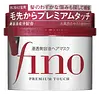
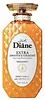
Shiseido Fino Premium Touch Hair Mask Versus Moist Diane Perfect Beauty Extra Smooth and Straight Treatment

What's inside
What's inside
 Key Ingredients
Benefits
Concerns
Ingredients Side-by-side
Water
Skin ConditioningSorbitol
Humectant

Dimethicone
Emollient

Hydrogenated Rapeseed Oil
Emollient


Isopentyldiol
Humectant
Behentrimonium Chloride
Preservative
Amodimethicone
Hydroxypropyl Arginine Lauryl/Myristyl Ether Hcl
Skin ConditioningDihydroxyethyl Stearyl Glycinate
Glutamic Acid
Humectant
Trehalose
Humectant
Squalane
Emollient
Steartrimonium Chloride
Preservative
PEG-90m
Emulsion StabilisingPCA
Humectant
Phytosteryl/Octyldodecyl Lauroyl Glutamate
Skin ConditioningHydrolyzed Wheat Protein
Skin ConditioningPolyquaternium-64
Hydrolyzed Silk Gland Powder
HumectantRoyal Jelly Extract
Skin Conditioning
Isopropyl Alcohol
Solvent



Cetyl Alcohol
Emollient

Octyldodecanol
Emollient
Alcohol
Antimicrobial
Propylene Glycol
Humectant
Butylene Glycol
Humectant
Tocopherol
Antioxidant




Phenoxyethanol
Preservative
Sodium Benzoate
Masking
Parfum
Masking

CI 15985
Cosmetic ColorantWater, Sorbitol, Dimethicone, Hydrogenated Rapeseed Oil, Isopentyldiol, Behentrimonium Chloride, Amodimethicone, Hydroxypropyl Arginine Lauryl/Myristyl Ether Hcl, Dihydroxyethyl Stearyl Glycinate, Glutamic Acid, Trehalose, Squalane, Steartrimonium Chloride, PEG-90m, PCA, Phytosteryl/Octyldodecyl Lauroyl Glutamate, Hydrolyzed Wheat Protein, Polyquaternium-64, Hydrolyzed Silk Gland Powder, Royal Jelly Extract, Isopropyl Alcohol, Cetyl Alcohol, Octyldodecanol, Alcohol, Propylene Glycol, Butylene Glycol, Tocopherol, Phenoxyethanol, Sodium Benzoate, Parfum, CI 15985
Water
Skin ConditioningCetearyl Alcohol
Emollient

Dimethicone
Emollient
Ricinus Communis Seed Oil
Masking
Propanediol
Solvent
Terminalia Ferdinandiana Fruit Extract
Antioxidant
Quaternium-33
Gamma-Docosalactone
Skin ConditioningGlucose
Humectant
Butylene Glycol
Humectant
Acetyl Cysteine
Antioxidant
Keratin
Skin ConditioningPrunus Domestica Seed Extract
EmollientHydrolyzed Conchiolin Protein
Skin ConditioningMalus Domestica Fruit Cell Culture Extract
Skin ConditioningCollagen
Moisturising
Ceramide AP
Skin Conditioning
Isomalt
HumectantHydrolyzed Silk Pg-Propyl Methylsilanediol
Skin ConditioningHydrolyzed Quinoa
Skin ConditioningHydrolyzed Adansonia Digitata Seed Extract
Hydrolyzed Keratin
Humectant
Hydroxypropyltrimonium Hydrolyzed Keratin
Skin ConditioningIsostearoyl Hydrolyzed Collagen
Cleansing
Glyoxylic Acid
BufferingCetearamidoethyl Diethonium Hydrolyzed Rice Protein
Laurdimonium Hydroxypropyl Hydrolyzed Keratin
Skin ConditioningEthylhexyl Palmitate
Emollient
Oenocarpus Bataua Fruit Oil
Emollient
Schinziophyton Rautanenii Kernel Oil
Emollient
Pouteria Sapota Seed Oil
Emollient
Sclerocarya Birrea Seed Oil
Humectant
Theobroma Grandiflorum Seed Butter
Skin Conditioning
Mangifera Indica Seed Oil
Emollient
Ceramide Ng
Skin Conditioning
Glycine Soja Sterols
Emollient
Argania Spinosa Kernel Oil
Emollient
Ceramide Ag
Humectant
Ceramide NP
Skin Conditioning
Ceramide EOP
Skin Conditioning
Chenopodium Quinoa Seed Oil
Emollient
Carapa Guaianensis Seed Oil
Skin Conditioning
Adansonia Digitata Seed Oil
Emollient
Hydrogenated Castor Oil Isostearate
Skin Conditioning
Dimethiconol
Emollient
Sodium Lactate
Buffering
Isostearic Acid
Cleansing
Sodium Lauraminopropionate
CleansingCholesterol
Emollient
Sodium Bicarbonate
Abrasive
Argania Spinosa Sprout Cell Extract
Skin ConditioningO-Cymen-5-Ol
Antimicrobial
Hydroxyethylcellulose
Emulsion StabilisingCellulose Gum
Emulsion StabilisingXanthan Gum
EmulsifyingLecithin
Emollient
Steartrimonium Chloride
Preservative
Cetrimonium Chloride
Antimicrobial
Dicocodimonium Chloride
EmulsifyingQuaternium-18
SurfactantBehentrimonium Chloride
Preservative
Isopropyl Alcohol
Solvent
Glycerin
Humectant
Propylene Glycol
Humectant
Alcohol Denat.
Antimicrobial
Alcohol
Antimicrobial
Benzyl Alcohol
Perfuming
Lactic Acid
Buffering


Citric Acid
Buffering
Tocopherol
Antioxidant
Disodium EDTA
ChelatingPhenoxyethanol
Preservative
Potassium Sorbate
Preservative
Sodium Benzoate
Masking
Parfum
Masking
Caramel
Cosmetic ColorantGold
Cosmetic ColorantSilver
Cosmetic ColorantWater, Cetearyl Alcohol, Dimethicone, Ricinus Communis Seed Oil, Propanediol, Terminalia Ferdinandiana Fruit Extract, Quaternium-33, Gamma-Docosalactone, Glucose, Butylene Glycol, Acetyl Cysteine, Keratin, Prunus Domestica Seed Extract, Hydrolyzed Conchiolin Protein, Malus Domestica Fruit Cell Culture Extract, Collagen, Ceramide AP, Isomalt, Hydrolyzed Silk Pg-Propyl Methylsilanediol, Hydrolyzed Quinoa, Hydrolyzed Adansonia Digitata Seed Extract, Hydrolyzed Keratin, Hydroxypropyltrimonium Hydrolyzed Keratin, Isostearoyl Hydrolyzed Collagen, Glyoxylic Acid, Cetearamidoethyl Diethonium Hydrolyzed Rice Protein, Laurdimonium Hydroxypropyl Hydrolyzed Keratin, Ethylhexyl Palmitate, Oenocarpus Bataua Fruit Oil, Schinziophyton Rautanenii Kernel Oil, Pouteria Sapota Seed Oil, Sclerocarya Birrea Seed Oil, Theobroma Grandiflorum Seed Butter, Mangifera Indica Seed Oil, Ceramide Ng, Glycine Soja Sterols, Argania Spinosa Kernel Oil, Ceramide Ag, Ceramide NP, Ceramide EOP, Chenopodium Quinoa Seed Oil, Carapa Guaianensis Seed Oil, Adansonia Digitata Seed Oil, Hydrogenated Castor Oil Isostearate, Dimethiconol, Sodium Lactate, Isostearic Acid, Sodium Lauraminopropionate, Cholesterol, Sodium Bicarbonate, Argania Spinosa Sprout Cell Extract, O-Cymen-5-Ol, Hydroxyethylcellulose, Cellulose Gum, Xanthan Gum, Lecithin, Steartrimonium Chloride, Cetrimonium Chloride, Dicocodimonium Chloride, Quaternium-18, Behentrimonium Chloride, Isopropyl Alcohol, Glycerin, Propylene Glycol, Alcohol Denat., Alcohol, Benzyl Alcohol, Lactic Acid, Citric Acid, Tocopherol, Disodium EDTA, Phenoxyethanol, Potassium Sorbate, Sodium Benzoate, Parfum, Caramel, Gold, Silver
Reviews
Ingredients Explained
These ingredients are found in both products.
Ingredients higher up in an ingredient list are typically present in a larger amount.
This ingredient is also called ethanol or ethyl alcohol. It is denatured, meaning made undrinkable for cosmetic use.
In formulas, it:
Is it bad for your skin?
The answer comes down to concentration. Patch and wash studies have found highly concentrated alcohol-based hand rubs (60-100%) cause less barrier disruption than washing with a basic detergent like SLS. The only measurable effect in these studies was a temporary dip in skin hydration.
Concentrations below 12-15% in leave-on cosmetics is generally well-tolerated. Concentrations above start to see increased transepidermal water loss (TEWL) and reduced hydration.
In concentrations about 58%, it creates temporary channels in your skin's lipid layers to become more permeable and allow other ingredients to slip through easily.
This ingredient can be up to 80% of the formula in alcohol-based perfumes.
Overall, this ingredient is probably harmless if found lower down an ingredients list but worth side-eyeing if it's high up (especially if your barrier is already struggling).
Alcohol can worsen dry skin, eczema, and oily skin, especially at higher concentrations. This is because it can increase transepidermal water loss and decrease hydration to disrupt the skin barrier.
According to the National Rosacea Society based in the US, you should be mindful of products with these alcohols in the top half of ingredients.
True allergic contact dermatitis to ethanol is uncommon, but be sure to patch test if you have dry or sensitive skin.
Learn more about AlcoholThis ingredient is a preservative and often used for it's anti-static properties. You'll most likely see this ingredient in hair conditioners.
It does not cause irritation or sensitization in leave-on products at 1-5%.
Butylene Glycol (or BG) is used within cosmetic products for a few different reasons:
Overall, Butylene Glycol is a safe and well-rounded ingredient that works well with other ingredients.
Though this ingredient works well with most skin types, some people with sensitive skin may experience a reaction such as allergic rashes, closed comedones, or itchiness.
Learn more about Butylene GlycolDimethicone is a type of synthetic silicone created from natural materials such as quartz. It is also known as polydimethylsiloxane.
What it does:
Dimethicone comes in different viscosities:
Depending on the viscosity, dimethicone has different properties.
Ingredients lists don't always show which type is used, so we recommend reaching out to the brand if you have questions about the viscosity.
This ingredient is unlikely to cause irritation because it does not get absorbed into skin. However, people with silicone allergies should be careful about using this ingredient.
Note: Dimethicone may contribute to pilling. This is because it is not oil or water soluble, so pilling may occur when layered with products. When mixed with heavy oils in a formula, the outcome is also quite greasy.
Learn more about DimethiconeIsopropyl Alcohol is a small, fast-evaporating alcohol.
Formulators use it as a solvent, a way to think out thick liquids, an antifoaming agent, and occasionally a fragrance ingredient.
Reported use concentrations run from 0.002%-100% and any number over 50% usually comes from a nail product.
Actual skincare numbers run much lower: cleansers (0.3-26%), toners (0.07-7%), face moisturizers (0.04-0.2%).
The Cosmetic Ingredient Review Expert Panel reviewed it and concluded it is safe in the present practices of use and the International Agency for Research on Cancer classifies it as a non-carcinogenic to humans.
True allergy to this ingredient is uncommon but real: 44 out of 1,450 patients patch tested between 1992-2011 reacted with most cases clustering in people with leg ulcers, occupational hand eczema, or repeated use of Isopropyl Alcohol on already-broken skin.
Irritation and dryness are far more likely than allergy; before you throw away your skincare, just know this is dose-dependent and the risk is modest.
The irritant potential of the alcohols used in hand antiseptics is very low and skin irritation is significantly lower after alcohol application than after detergents (though isopropanol is somewhat more irritating than ethanol).
A 70% solution was a severe eye irritant in rabbit eye tests so the industry keeps this ingredient at low percentages in eye-area products.
One genuine caution: a 70% solution was a severe eye irritant in rabbit eye tests, so it belongs at low percentages in eye-area products, which is where the industry already keeps it.
According to the National Rosacea Society based in the US, you should be mindful of products with these alcohols in the top half of ingredients.
Learn more about Isopropyl AlcoholParfum is a catch-all term for an ingredient or more that is used to give a scent to products.
Also called "fragrance", this ingredient can be a blend of hundreds of chemicals or plant oils. This means every product with "fragrance" or "parfum" in the ingredients list is a different mixture.
For instance, Habanolide is a proprietary trade name for a specific aroma chemical. When used as a fragrance ingredient in cosmetics, most aroma chemicals fall under the broad labeling category of “FRAGRANCE” or “PARFUM” according to EU and US regulations.
The term 'parfum' or 'fragrance' is not regulated in many countries. In many cases, it is up to the brand to define this term.
For instance, many brands choose to label themselves as "fragrance-free" because they are not using synthetic fragrances. However, their products may still contain ingredients such as essential oils that are considered a fragrance by INCI standards.
One example is Calendula flower extract. Calendula is an essential oil that still imparts a scent or 'fragrance'.
Depending on the blend, the ingredients in the mixture can cause allergies and sensitivities on the skin. Some ingredients that are known EU allergens include linalool and citronellol.
Parfum can also be used to mask or cover an unpleasant scent.
The bottom line is: not all fragrances/parfum/ingredients are created equally. If you are worried about fragrances, we recommend taking a closer look at an ingredient. And of course, we always recommend speaking with a professional.
Learn more about ParfumPhenoxyethanol is one of the most widely used preservatives in skincare (and for good reason!).
It has a large spectrum of antimicrobial activity and especially effective bacteria, yeast, and mold while only having a weak effect on your skin's natural microbiome.
On a cellular level, it disrupts the cell membranes of microbes by poking holes that make the cell leak. This shuts down the chemical reactions the microbe needs to make energy so it can no longer survive.
Another perk of this ingredient is that it stays functional across a wide pH range (3-10).
You'll often see it paired with boosters like Ethylhexylglycerin; one study showed that a 1:9 ratio of Ethylhexylglycerin to Phenoxyethanol damages bacterial membranes as effectively as doubling the Phenoxyethanol concentration on its own.
Typical use concentrations range from 0.3-1% depending on the formula, and this ingredient is capped at 1% int the EU.
Safety-wise, the fear mongering does not hold up to the evidence. The EU's Scientific Committee on Consumer Safety and FDA consider it safe as a preservative at up to 1%, including for children of all ages.
Adverse systemic effects only showed up in animal studies at exposures roughly 200x higher than what people get from cosmetics. And despite its very widespread use, this ingredient is a rare sensitizer and allergic reactions are uncommon.
Learn more about PhenoxyethanolPropylene Glycol is a synthetic, colorless, odorless liquid that has been a staple in cosmetics for decades. It is a skin conditioning agent, humectant, and solvent.
As a humectant, it draw water to the skin to reduce flaking and restore suppleness. It's also a solvent that helps dissolve other actives and keeps formulas stable across temperature changes.
The CIR Expert Panel has confirmed this ingredient to be nontoxic and clinical studies show no sensitization at cosmetic use concentrations.
True allergic reactions are quite rare: a 15-year retrospective study of 6,751 patients found only 0.31% had a positive reaction (and less than half were considered clinically relevant).
It seemed that when sensitization does occur, it's most commonly linked to topical medication (like corticosteroids) and not cosmetics. Allergic contact dermatitis also appears largely limited to individuals with underlying skin conditions.
Overall, propylene glycol is a well-studied ingredient that most people can tolerate without issue.
Learn more about Propylene GlycolSodium Benzoate is a preservative. It's used in both cosmetic and food products to inhibit the growth of mold and bacteria. It is typically produced synthetically.
Both the US FDA and EU Health Committee have approved the use of sodium benzoate. In the US, levels of 0.1% (of the total product) are allowed.
Sodium benzoate works as a preservative by inhibiting the growth of bacteria inside of cells. It prevents the cell from fermenting a type of sugar using an enzyme called phosphofructokinase.
It is the salt of benzoic acid. Foods containing sodium benzoate include soda, salad dressings, condiments, fruit juices, wines, and snack foods.
Studies for using ascorbic acid and sodium benzoate in cosmetics are lacking, especially in skincare routines with multiple steps.
We always recommend speaking with a professional, such as a dermatologist, if you have any concerns.
Learn more about Sodium BenzoateSteartrimonium Chloride is a preservative.
Tocopherol is a fat-soluble antioxidant known as Vitamin E.
You'll find this ingredient in the vast majority of skincare (for good reason). It works to neutralize free radicals, or unstable molecules generated by UV exposure, pollution, and other environmental stressors, before they can cause oxidative damage to your skin cells.
Topically applied tocopherol has been shown to protect against UV damage by ramping up the skin's own natural defense enzymes.
It also acts as a skin conditioning agent; some studies show that regular topical use can improve the skin's water-binding capacity over 2-4 weeks.
This ingredient is especially loved for being a team player. When combined with Vitamin C, the photoprotective effect of both ingredients roughly doubles and the combo also helps reduce UV-induced DNA damage.
This ingredient has some brightening potential but it's more of a prevention ingredient than spot-fader. Cell studies show it can slow down melanin production but it's worth noting that it's not the most powerful brightener out there.
In formulations, it also serves as a stabilizer that helps protect other oxidation-prone ingredients from degrading.
Concentrations usually range from 0.1-1% in most leave-on products.
Learn more about TocopherolWater. It's the most common cosmetic ingredient of all. You'll usually see it at the top of ingredient lists, meaning that it makes up the largest part of the product.
So why is it so popular? Water most often acts as a solvent - this means that it helps dissolve other ingredients into the formulation.
You'll also recognize water as that liquid we all need to stay alive. If you see this, drink a glass of water. Remember to stay hydrated!
Learn more about Water

