This chemical sunscreen covers the full UV range and blocks ~98% of UVB at SPF 50.
This hybrid sunscreen covers the full UV range, though its SPF isn't confirmed on file yet.

What's inside
What's inside
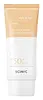 Key Ingredients
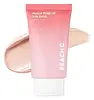
Benefits
Concerns
Ingredients Side-by-side
Water
Skin ConditioningDibutyl Adipate
EmollientDipropylene Glycol
HumectantCI 77891
Cosmetic ColorantC12-15 Alkyl Benzoate
AntimicrobialCoco-Caprylate/Caprate
Emollient
Isononyl Isononanoate
EmollientDiethylamino Hydroxybenzoyl Hexyl Benzoate
UV Filter
Phenethyl Benzoate
Emollient

Glycerin
Humectant


Bis-Ethylhexyloxyphenol Methoxyphenyl Triazine
UV Absorber
Ethylhexyl Triazone
UV Absorber
Polysilicone-15
UV Filter
Terephthalylidene Dicamphor Sulfonic Acid
UV Absorber
Pentylene Glycol
Skin Conditioning
1,2-Hexanediol
Skin Conditioning
Polyhydroxystearic Acid
Emulsifying

Poly C10-30 Alkyl Acrylate
Emulsion StabilisingPolyglyceryl-3 Methylglucose Distearate
Emulsifying
Behenyl Alcohol
Emollient
Tromethamine
BufferingPotassium Cetyl Phosphate
EmulsifyingIsododecane
EmollientOctyldodecanol
Emollient
Sodium Polyacryloyldimethyl Taurate
Emulsion StabilisingHydroxyethyl Urea
Humectant
Aluminum Hydroxide
EmollientHydroxyacetophenone
Antioxidant
Panthenol
Skin Conditioning

Stearic Acid
Cleansing
Hydroxyethyl Acrylate/Sodium Acryloyldimethyl Taurate Copolymer
Emulsion StabilisingPropanediol
Solvent
Polyglyceryl-4 Isostearate
Emulsifying
CI 77492
Cosmetic ColorantIsopropyl Titanium Triisostearate
Emollient
Polyglyceryl-2 Dipolyhydroxystearate
Skin Conditioning
Hydroxypropyl Methylcellulose Stearoxy Ether
Polyacrylate Crosspolymer-6
Emulsion StabilisingAdenosine
Skin Conditioning
Polyacrylic Acid
Emulsion StabilisingDisodium EDTA
ChelatingXanthan Gum
EmulsifyingCI 77491
Cosmetic ColorantBiosaccharide Gum-1
Humectant
Acetyl Glucosamine
Skin Conditioning

Sodium Hyaluronate
Humectant
Sodium Hyaluronate Crosspolymer
Humectant
Caprylyl Glycol
Emollient
Allantoin
Skin Conditioning
Madecassoside
Antioxidant
Benzyl Glycol
SolventHydrolyzed Glycosaminoglycans
HumectantHydroxypropyltrimonium Hyaluronate
Hydrolyzed Hyaluronic Acid
Humectant
Ethylhexylglycerin
Skin ConditioningSodium Acetylated Hyaluronate
Humectant
Hyaluronic Acid
Humectant
Hydrolyzed Sodium Hyaluronate
Skin Conditioning
Potassium Hyaluronate
Skin ConditioningWater, Dibutyl Adipate, Dipropylene Glycol, CI 77891, C12-15 Alkyl Benzoate, Coco-Caprylate/Caprate, Isononyl Isononanoate, Diethylamino Hydroxybenzoyl Hexyl Benzoate, Phenethyl Benzoate, Glycerin, Bis-Ethylhexyloxyphenol Methoxyphenyl Triazine, Ethylhexyl Triazone, Polysilicone-15, Terephthalylidene Dicamphor Sulfonic Acid, Pentylene Glycol, 1,2-Hexanediol, Polyhydroxystearic Acid, Poly C10-30 Alkyl Acrylate, Polyglyceryl-3 Methylglucose Distearate, Behenyl Alcohol, Tromethamine, Potassium Cetyl Phosphate, Isododecane, Octyldodecanol, Sodium Polyacryloyldimethyl Taurate, Hydroxyethyl Urea, Aluminum Hydroxide, Hydroxyacetophenone, Panthenol, Stearic Acid, Hydroxyethyl Acrylate/Sodium Acryloyldimethyl Taurate Copolymer, Propanediol, Polyglyceryl-4 Isostearate, CI 77492, Isopropyl Titanium Triisostearate, Polyglyceryl-2 Dipolyhydroxystearate, Hydroxypropyl Methylcellulose Stearoxy Ether, Polyacrylate Crosspolymer-6, Adenosine, Polyacrylic Acid, Disodium EDTA, Xanthan Gum, CI 77491, Biosaccharide Gum-1, Acetyl Glucosamine, Sodium Hyaluronate, Sodium Hyaluronate Crosspolymer, Caprylyl Glycol, Allantoin, Madecassoside, Benzyl Glycol, Hydrolyzed Glycosaminoglycans, Hydroxypropyltrimonium Hyaluronate, Hydrolyzed Hyaluronic Acid, Ethylhexylglycerin, Sodium Acetylated Hyaluronate, Hyaluronic Acid, Hydrolyzed Sodium Hyaluronate, Potassium Hyaluronate
Water
Skin ConditioningZinc Oxide
Cosmetic Colorant

Cyclopentasiloxane
Emollient
Titanium Dioxide
Cosmetic Colorant
Coco-Caprylate/Caprate
Emollient
Cyclohexasiloxane
Emollient
PEG-9 Polydimethylsiloxyethyl Dimethicone
Emulsifying
Polypropanediol-4
EmulsifyingNiacinamide
Smoothing


Silica
Abrasive
Isododecane
EmollientCaprylyl Methicone
Skin Conditioning
Disteardimonium Hectorite
StabilisingButyloctyl Salicylate
Skin Conditioning
Diphenylsiloxy Phenyl Trimethicone
Skin Conditioning
Aluminum Hydroxide Oxide
AntimicrobialStearic Acid
Cleansing
Acrylates/Polytrimethylsiloxymethacrylate Copolymer
Skin ConditioningMagnesium Sulfate
Cetyl PEG/PPG-10/1 Dimethicone
Emulsifying
Lauryl Polyglyceryl-3 Polydimethylsiloxyethyl Dimethicone
Skin Conditioning
Triethoxycaprylylsilane
C30-45 Alkyl Cetearyl Dimethicone Crosspolymer
Emollient
Caprylyl Glycol
Emollient
Glyceryl Caprylate
EmollientDicaprylyl Carbonate
EmollientPolyurethane-1
Ethylhexylglycerin
Skin Conditioning1,2-Hexanediol
Skin Conditioning
Prunus Persica Flower Extract
MoisturisingTocopherol
Antioxidant
Maltodextrin
Absorbent
Pentaerythrityl Tetra-Di-T-Butyl Hydroxyhydrocinnamate
Antioxidant
Sodium Citrate
BufferingCitric Acid
Buffering
Cyanocobalamin
Skin ConditioningCI 77491
Cosmetic ColorantCI 77492
Cosmetic ColorantParfum
Masking

Water, Zinc Oxide, Cyclopentasiloxane, Titanium Dioxide, Coco-Caprylate/Caprate, Cyclohexasiloxane, PEG-9 Polydimethylsiloxyethyl Dimethicone, Polypropanediol-4, Niacinamide, Silica, Isododecane, Caprylyl Methicone, Disteardimonium Hectorite, Butyloctyl Salicylate, Diphenylsiloxy Phenyl Trimethicone, Aluminum Hydroxide Oxide, Stearic Acid, Acrylates/Polytrimethylsiloxymethacrylate Copolymer, Magnesium Sulfate, Cetyl PEG/PPG-10/1 Dimethicone, Lauryl Polyglyceryl-3 Polydimethylsiloxyethyl Dimethicone, Triethoxycaprylylsilane, C30-45 Alkyl Cetearyl Dimethicone Crosspolymer, Caprylyl Glycol, Glyceryl Caprylate, Dicaprylyl Carbonate, Polyurethane-1, Ethylhexylglycerin, 1,2-Hexanediol, Prunus Persica Flower Extract, Tocopherol, Maltodextrin, Pentaerythrityl Tetra-Di-T-Butyl Hydroxyhydrocinnamate, Sodium Citrate, Citric Acid, Cyanocobalamin, CI 77491, CI 77492, Parfum
Reviews
Ingredients Explained
These ingredients are found in both products.
Ingredients higher up in an ingredient list are typically present in a larger amount.
1,2-Hexanediol is a synthetic liquid and another multi-functional powerhouse.
It is a:
- Humectant, drawing moisture into the skin
- Emollient, helping to soften skin
- Solvent, dispersing and stabilizing formulas
- Preservative booster, enhancing the antimicrobial activity of other preservatives
Caprylyl Glycol is a humectant, skin conditioner, emollient, and preservative booster derived from either caprylic acid or synthetically created.
Typical use levels vary from 0.3-1% as a preservative booster and go up to 2% to condition skin.
Because it is not a free-fatty acid, this ingredient is fungal acne safe (there's nothing for Malassezia to feed on).
Learn more about Caprylyl GlycolCi 77491 is also hydrated iron III oxide. It's sole purpose is to give a red/pink hue to products.
Iron III oxides are classified as inorganic chemicals for coloring.
Synthetically created Ci 77491 is considered safer than those naturally found. This is because the synthetically created version may contain less impurities. Iron oxides are generally non-toxic and non-allergenic.
Learn more about CI 77491CI 77492 is also hydrated iron III oxide. It's sole purpose is to give a yellow hue to products.
Iron III oxides are classified as inorganic chemicals for coloring.
Synthetically created CI 77492 is considered safer than those naturally found. This is because the synthetically created version may contain less impurities. Iron oxides are generally non-toxic and non-allergenic.
Learn more about CI 77492Coco-Caprylate/Caprate is a lightweight ester created from coconut oil fatty acids, caprylic acid, and capric acid.
It is an emollient that helps soften skin and reduce transepidermal water loss (TEWL). What sets it apart from heavier emollients is its ultralight, non-greasy feel.
Once applied, this ingredient dries down quickly and leaves a dry, silky finish behind. This also helps improve spreadability and texture.
This ingredient has an excellent safety-record and is non-irritating.
Typical concentrations for cosmetics range from 0.5-62%.
Research on Malassezia growth found no growth on fatty acid esters with chain lengths shorter than 12 carbons (it prefers C11-24).
Since Coco-Caprylate/Caprate is built on C8 and C10 fatty acids, it is out of the range that Malassezia metabolizes, and therefore safe for fungal acne.
Learn more about Coco-Caprylate/CaprateEthylhexylglycerin is created from glycerin. It is a multitasker ingredient that:
The CIR Expert Panel found minimal skin absorption or sensitization of any kind in a safety assessment. Though this ingredient is considered well-tolerated, a small number of cases of allergic dermatitis have been published since 2002. Just be sure to patch test if you are unsure.
Industry-reported use ranges from 8% in rinse-off products and 2% in leave-on formulations.
Learn more about EthylhexylglycerinIsododecane is a fragrance, emollient, and solvent.
As an emollient, it helps your skin stay soft and hydrated. Emollients help trap moisture into your skin.
Isododecane's role as a solvent makes it a great texture enhancer. It spreads smoothly on skin and does not leave a sticky feeling behind. Isododecane also helps prevent color transfer in makeup products.
Isododecane is not absorbed into skin.
The chemical name for this ingredient is 2,2,4,6,6-PENTAMETHYLHEPTANE.
Learn more about IsododecaneStearic Acid is a fatty acid that is already found in your skin. It's one of the free fatty acids that works alongside ceramides and cholesterols to maintain your barrier.
In cosmetics, it is a multitasker:
Safety-wise, the CIR Expert Panel has concluded it to be safe in cosmetics when formulated to be non-irritating and non-sensitizing.
Free stearic acid is a C18 fatty acid that the Malassezia yeast can substrate, so this ingredient may not be fungal acne safe.
Learn more about Stearic AcidWater. It's the most common cosmetic ingredient of all. You'll usually see it at the top of ingredient lists, meaning that it makes up the largest part of the product.
So why is it so popular? Water most often acts as a solvent - this means that it helps dissolve other ingredients into the formulation.
You'll also recognize water as that liquid we all need to stay alive. If you see this, drink a glass of water. Remember to stay hydrated!
Learn more about Water

