

What's inside
What's inside
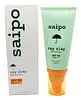 Key Ingredients
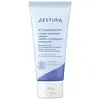
Benefits
Concerns
Ingredients Side-by-side
Water
Skin ConditioningDiisopropyl Sebacate
EmollientBis-Ethylhexyloxyphenol Methoxyphenyl Triazine
Skin Conditioning
Ethylhexyl Salicylate
UV Absorber
C12-15 Alkyl Benzoate
AntimicrobialDipropylene Glycol
HumectantTitanium Dioxide
Cosmetic Colorant
Diethylamino Hydroxybenzoyl Hexyl Benzoate
UV Filter
Potassium Cetyl Phosphate
EmulsifyingEthylhexyl Triazone
UV Absorber
Cetearyl Alcohol
Emollient




Methylene Bis-Benzotriazolyl Tetramethylbutylphenol
UV Filter
Silica
Abrasive


Phenoxyethanol
Preservative
Boron Nitride
Absorbent
Glyceryl Stearate
Emollient
PEG-100 Stearate
Acrylates/C10-30 Alkyl Acrylate Crosspolymer
Emulsion StabilisingChlorphenesin
Antimicrobial
Stearic Acid
Cleansing
Alumina
Abrasive
Decyl Glucoside
Cleansing
Disodium EDTA
Sodium Hydroxide
BufferingAcacia Senegal Gum
MaskingXanthan Gum
EmulsifyingPropylene Glycol
Humectant

3-O-Ethyl Ascorbic Acid
Skin Conditioning



Camellia Japonica Seed Oil
Emollient
Butylene Glycol
Humectant
Propanediol
Solvent
Cucumis Sativus Fruit Extract
Emollient
Chamomilla Recutita Flower Extract
Masking
Acetyl Cysteine
Antioxidant
Vaccinium Vitis-Idaea Fruit Extract
Antioxidant
Cinnamomum Cassia Bark Extract
Masking
Sanguisorba Officinalis Root Extract
CleansingZingiber Officinale Root Extract
Masking
Potassium Sorbate
Preservative
Sodium Benzoate
Masking
Sodium Sulfite
Preservative
Citrus Unshiu Peel Extract
Masking
Hippophae Rhamnoides Fruit Extract
Skin Conditioning
Litchi Chinensis Seed Extract
Skin ConditioningMangifera Indica Leaf Extract
Skin ConditioningCI 77163
Cosmetic Colorant
Water, Diisopropyl Sebacate, Bis-Ethylhexyloxyphenol Methoxyphenyl Triazine, Ethylhexyl Salicylate, C12-15 Alkyl Benzoate, Dipropylene Glycol, Titanium Dioxide, Diethylamino Hydroxybenzoyl Hexyl Benzoate, Potassium Cetyl Phosphate, Ethylhexyl Triazone, Cetearyl Alcohol, Methylene Bis-Benzotriazolyl Tetramethylbutylphenol, Silica, Phenoxyethanol, Boron Nitride, Glyceryl Stearate, PEG-100 Stearate, Acrylates/C10-30 Alkyl Acrylate Crosspolymer, Chlorphenesin, Stearic Acid, Alumina, Decyl Glucoside, Disodium EDTA, Sodium Hydroxide, Acacia Senegal Gum, Xanthan Gum, Propylene Glycol, 3-O-Ethyl Ascorbic Acid, Camellia Japonica Seed Oil, Butylene Glycol, Propanediol, Cucumis Sativus Fruit Extract, Chamomilla Recutita Flower Extract, Acetyl Cysteine, Vaccinium Vitis-Idaea Fruit Extract, Cinnamomum Cassia Bark Extract, Sanguisorba Officinalis Root Extract, Zingiber Officinale Root Extract, Potassium Sorbate, Sodium Benzoate, Sodium Sulfite, Citrus Unshiu Peel Extract, Hippophae Rhamnoides Fruit Extract, Litchi Chinensis Seed Extract, Mangifera Indica Leaf Extract, CI 77163
Water
Skin ConditioningGlycerin
Humectant
Butylene Glycol
Humectant
Dimethicone
Emollient
Squalane
Emollient
1,2-Hexanediol
Skin Conditioning
Betaine
Humectant
Cetearyl Alcohol
Emollient
Ammonium Acryloyldimethyltaurate/Vp Copolymer
Hydrogenated Rice Bran Oil
Skin Conditioning
Hydrogenated Lecithin
Emulsifying
Polyglyceryl-3 Methylglucose Distearate
Emulsifying
Polyacrylate Crosspolymer-6
Emulsion StabilisingMannitol
Humectant
Cetyl-Pg Hydroxyethyl Palmitamide
Skin ConditioningStearic Acid
Cleansing
Ethylhexylglycerin
Skin ConditioningGlyceryl Caprylate
EmollientPropanediol
Solvent
Glyceryl Stearate
Emollient
Sodium Metaphosphate
BufferingCeramide NP
Skin Conditioning
Carbomer
Emulsion StabilisingPalmitic Acid
Emollient
Silica
Abrasive
Zinc Chloride
AntimicrobialCholesterol
Emollient
Beta-Glucan
Skin Conditioning
Sphingolipids
Emollient
Sodium Hyaluronate
Humectant
Hydroxypropyl Methylcellulose
Emulsion StabilisingMyristic Acid
Cleansing
Propylene Glycol
Humectant
Lauric Acid
Cleansing
Tocopherol
Antioxidant


Water, Glycerin, Butylene Glycol, Dimethicone, Squalane, 1,2-Hexanediol, Betaine, Cetearyl Alcohol, Ammonium Acryloyldimethyltaurate/Vp Copolymer, Hydrogenated Rice Bran Oil, Hydrogenated Lecithin, Polyglyceryl-3 Methylglucose Distearate, Polyacrylate Crosspolymer-6, Mannitol, Cetyl-Pg Hydroxyethyl Palmitamide, Stearic Acid, Ethylhexylglycerin, Glyceryl Caprylate, Propanediol, Glyceryl Stearate, Sodium Metaphosphate, Ceramide NP, Carbomer, Palmitic Acid, Silica, Zinc Chloride, Cholesterol, Beta-Glucan, Sphingolipids, Sodium Hyaluronate, Hydroxypropyl Methylcellulose, Myristic Acid, Propylene Glycol, Lauric Acid, Tocopherol
Reviews
Ingredients Explained
These ingredients are found in both products.
Ingredients higher up in an ingredient list are typically present in a larger amount.
Butylene Glycol (or BG) is used within cosmetic products for a few different reasons:
Overall, Butylene Glycol is a safe and well-rounded ingredient that works well with other ingredients.
Though this ingredient works well with most skin types, some people with sensitive skin may experience a reaction such as allergic rashes, closed comedones, or itchiness.
Learn more about Butylene GlycolCetearyl alcohol is a waxy mixture of two fatty alcohols: cetyl alcohol and stearyl alcohol. It is an emollient and emulsifier.
Despite having "alcohol" in its name, it has nothing to do with drying solvent alcohols; the FDA also allows "alcohol-free" products to contain fatty alcohols like this ingredient.
It plays several roles in a formula:
Typical use levels for this ingredient sit around 1-10% and the Cosmetic Ingredient Review Expert Panel has affirmed safety at concentrations up to 25% in leave-on products.
Multiple assessments have found it to be non-irritating and non-sensitizing to most people.
However, there have been some cases of allergic contact dermatitis in patients with chronically compromised skin barriers.
Cetearyl alcohol has a comedogenic rating of 2 and irritancy rating of 1. Both of these numbers come from the 1989 study that used rabbit ears; a "2" means mildly comedogenic and a "1" means low irritancy.
Here's the catch: rabbit skin is more sensitive than human skin and throws a lot of false positives. A 1996 reappraisal found that ingredients rated 1-2 in the rabbit ear tests are generally safe for humans.
Remember comedogenic ratings are unable to assess the entire formula of a product or how it will react on your skin. Just be sure to patch test if you are unsure about certain ingredients.
This ingredient is not fungal acne safe. Cetearyl alcohol is a fatty alcohol with chain lengths that fall within the range that Malassezia can metabolize.
Learn more about Cetearyl AlcoholGlyceryl Stearate is made by reacting glycerin with stearic acid (typically sourced from plant oils like palm or coconut). It's an emulsifier, emollient, and mild occlusive.
Emulsifiers help ingredients like oil and water stay mixed so your formula stays nicely blended and uniform in texture.
This ingredient is typically used in concentrations between 1-10%. Studies have found it to be non-sensitizing, non-phototoxic, and non-photoallergenic.
A close cousin of this ingredient is Glyceryl Stearate SE ("self-emulsifying"). This just has a small amount of sodium or potassium stearate added so it can emulsify without a co-emulsifier.
Since this ingredient is an ester of a C18 fatty acid, it may not be fungal acne safe. The Malassezia yeast can potentially metabolize within the C11-C24 range.
Fun fact: The human body also creates Glyceryl Stearate naturally.
Learn more about Glyceryl StearatePropanediol is an all-star ingredient. It softens, hydrates, and smooths the skin.
It’s often used to:
Propanediol is not likely to cause sensitivity and considered safe to use. It is derived from corn or petroleum with a clear color and no scent.
Learn more about PropanediolPropylene Glycol is a synthetic, colorless, odorless liquid that has been a staple in cosmetics for decades. It is a skin conditioning agent, humectant, and solvent.
As a humectant, it draw water to the skin to reduce flaking and restore suppleness. It's also a solvent that helps dissolve other actives and keeps formulas stable across temperature changes.
The CIR Expert Panel has confirmed this ingredient to be nontoxic and clinical studies show no sensitization at cosmetic use concentrations.
True allergic reactions are quite rare: a 15-year retrospective study of 6,751 patients found only 0.31% had a positive reaction (and less than half were considered clinically relevant).
It seemed that when sensitization does occur, it's most commonly linked to topical medication (like corticosteroids) and not cosmetics. Allergic contact dermatitis also appears largely limited to individuals with underlying skin conditions.
Overall, propylene glycol is a well-studied ingredient that most people can tolerate without issue.
Learn more about Propylene GlycolSilica, also known as silicon dioxide, is a naturally occurring mineral. It is used as a fine, spherical, and porous powder in cosmetics.
Though it has exfoliant properties, the function of silica varies depending on the product.
The unique structure of silica enhances the spreadability and adds smoothness, making it a great texture enhancer.
It is also used as an active carrier, emulsifier, and mattifier due to its ability to absorb excess oil.
In some products, tiny microneedles called spicules are made from silica or hydrolyzed sponge. When you rub them in, they lightly polish away dead skin layers and enhance the penetration of active ingredients.
Learn more about SilicaStearic Acid is a fatty acid that is already found in your skin. It's one of the free fatty acids that works alongside ceramides and cholesterols to maintain your barrier.
In cosmetics, it is a multitasker:
Safety-wise, the CIR Expert Panel has concluded it to be safe in cosmetics when formulated to be non-irritating and non-sensitizing.
Free stearic acid is a C18 fatty acid that the Malassezia yeast can substrate, so this ingredient may not be fungal acne safe.
Learn more about Stearic AcidWater. It's the most common cosmetic ingredient of all. You'll usually see it at the top of ingredient lists, meaning that it makes up the largest part of the product.
So why is it so popular? Water most often acts as a solvent - this means that it helps dissolve other ingredients into the formulation.
You'll also recognize water as that liquid we all need to stay alive. If you see this, drink a glass of water. Remember to stay hydrated!
Learn more about Water
