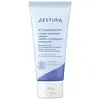
This barrier-repair moisturizer is formulated around Squalane and Ceramide NP to strengthen the skin barrier and hydrate skin.
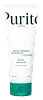
This mild gel cleanser is made to cleanse while calming and soothing your skin.

What's inside
What's inside
 Key Ingredients
Benefits
Concerns
Ingredients Side-by-side
Water
Skin ConditioningGlycerin
Humectant


Butylene Glycol
Humectant
Dimethicone
Emollient
Squalane
Emollient
1,2-Hexanediol
Skin Conditioning
Betaine
Humectant
Cetearyl Alcohol
Emollient






Ammonium Acryloyldimethyltaurate/Vp Copolymer
Hydrogenated Rice Bran Oil
Skin Conditioning
Hydrogenated Lecithin
Emulsifying
Polyglyceryl-3 Methylglucose Distearate
Emulsifying
Polyacrylate Crosspolymer-6
Emulsion StabilisingMannitol
Humectant
Cetyl-Pg Hydroxyethyl Palmitamide
Skin ConditioningStearic Acid
Cleansing
Ethylhexylglycerin
Skin ConditioningGlyceryl Caprylate
EmollientPropanediol
Solvent
Glyceryl Stearate
Emollient
Sodium Metaphosphate
BufferingCeramide NP
Skin Conditioning

Carbomer
Emulsion StabilisingPalmitic Acid
Emollient
Silica
Abrasive


Zinc Chloride
AntimicrobialCholesterol
Emollient
Beta-Glucan
Skin Conditioning
Sphingolipids
Emollient
Sodium Hyaluronate
Humectant
Hydroxypropyl Methylcellulose
Emulsion StabilisingMyristic Acid
Cleansing
Propylene Glycol
Humectant
Lauric Acid
Cleansing
Tocopherol
Antioxidant



Water, Glycerin, Butylene Glycol, Dimethicone, Squalane, 1,2-Hexanediol, Betaine, Cetearyl Alcohol, Ammonium Acryloyldimethyltaurate/Vp Copolymer, Hydrogenated Rice Bran Oil, Hydrogenated Lecithin, Polyglyceryl-3 Methylglucose Distearate, Polyacrylate Crosspolymer-6, Mannitol, Cetyl-Pg Hydroxyethyl Palmitamide, Stearic Acid, Ethylhexylglycerin, Glyceryl Caprylate, Propanediol, Glyceryl Stearate, Sodium Metaphosphate, Ceramide NP, Carbomer, Palmitic Acid, Silica, Zinc Chloride, Cholesterol, Beta-Glucan, Sphingolipids, Sodium Hyaluronate, Hydroxypropyl Methylcellulose, Myristic Acid, Propylene Glycol, Lauric Acid, Tocopherol
Water
Skin ConditioningCoco-Betaine
Cleansing
Sodium Lauroyl Methyl Isethionate
CleansingSodium Chloride
MaskingAcrylates/C10-30 Alkyl Acrylate Crosspolymer
Emulsion StabilisingTromethamine
BufferingHydroxyacetophenone
Antioxidant
Sodium Methyl Isethionate
EmulsifyingPanthenol
Skin Conditioning
Allantoin
Skin Conditioning
Bambusa Vulgaris Extract
Skin Conditioning
Lauric Acid
Cleansing
Melaleuca Alternifolia Leaf Oil
Antioxidant



Sodium Laurate
CleansingEthylhexylglycerin
Skin Conditioning1,2-Hexanediol
Skin Conditioning
Betaine
Humectant
Disodium EDTA
Water, Coco-Betaine, Sodium Lauroyl Methyl Isethionate, Sodium Chloride, Acrylates/C10-30 Alkyl Acrylate Crosspolymer, Tromethamine, Hydroxyacetophenone, Sodium Methyl Isethionate, Panthenol, Allantoin, Bambusa Vulgaris Extract, Lauric Acid, Melaleuca Alternifolia Leaf Oil, Sodium Laurate, Ethylhexylglycerin, 1,2-Hexanediol, Betaine, Disodium EDTA
Reviews
Ingredients Explained
These ingredients are found in both products.
Ingredients higher up in an ingredient list are typically present in a larger amount.
1,2-Hexanediol is a synthetic liquid and another multi-functional powerhouse.
It is a:
- Humectant, drawing moisture into the skin
- Emollient, helping to soften skin
- Solvent, dispersing and stabilizing formulas
- Preservative booster, enhancing the antimicrobial activity of other preservatives
Betaine is a humectant. Like hyaluronic acid, it helps attract and retain moisture in the skin. It’s known for being gentle and for helping the skin maintain balanced hydration.
Betaine is mainly used to improve hydration and support calmer skin. It helps skin cells regulate water balance because it functions as an osmolyte.
Some studies suggest betaine may support making skin tone more even.
Fun fact: Betaine naturally exists in the skin and the body. In cosmetic products, it can be either plant-derived (most commonly from sugar beets) or synthetically produced for consistency and stability.
Betaine is also known as trimethylglycine.
Learn more about BetaineEthylhexylglycerin is created from glycerin. It is a multitasker ingredient that:
The CIR Expert Panel found minimal skin absorption or sensitization of any kind in a safety assessment. Though this ingredient is considered well-tolerated, a small number of cases of allergic dermatitis have been published since 2002. Just be sure to patch test if you are unsure.
Industry-reported use ranges from 8% in rinse-off products and 2% in leave-on formulations.
Learn more about EthylhexylglycerinLauric Acid is a saturated fatty acid naturally found in coconut oil, palm kernel oil, and even breast milk.
In cosmetics, it is an:
Lab studies have found that lauric acid is surprisingly good at killing acne-causing bacteria. However, these tests were done on bacteria in a petri dish and not on real skin, so we can't say for certain it works the same in a formulation on a real face.
The comedogenic rating of 4 comes from the 1972 rabbit ear model using undiluted ingredients. Comedogenicity is highly individual and one comedogenic ingredient cannot predict how a formula will behave on skin.
This ingredient is not fungal acne safe and research has confirmed Malassezia can use it as a food source. Even though "fungal acne" has the word "acne" in it, they are completely different. Regular acne is driven by a bacteria called Cutibacterium acnes, clogged pores, and excess oil. Fungal acne isn't really acne; it's caused by an overgrowth of a yeast called Malassezia that already lives on everyone's skin. Because one is bacterial and the other is fungal, they respond to different ingredients.
Learn more about Lauric AcidWater. It's the most common cosmetic ingredient of all. You'll usually see it at the top of ingredient lists, meaning that it makes up the largest part of the product.
So why is it so popular? Water most often acts as a solvent - this means that it helps dissolve other ingredients into the formulation.
You'll also recognize water as that liquid we all need to stay alive. If you see this, drink a glass of water. Remember to stay hydrated!
Learn more about Water

