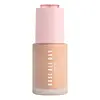
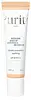
Rose All Day The Realest Lightweight Skin Tint SPF 35 PA++++ Versus PURITO Wonder Releaf Centella BB Cream SPF 30


What's inside
What's inside
 Key Ingredients
Benefits
Concerns
Ingredients Side-by-side
Water
Skin ConditioningCyclopentasiloxane
Emollient
Ethylhexyl Methoxycinnamate
UV Absorber


CI 77891
Cosmetic ColorantTrimethylsiloxysilicate
Emollient
Isododecane
EmollientPolymethylsilsesquioxane
Alcohol Denat.
Antimicrobial



Butylene Glycol
Humectant

Lauryl PEG-10 Tris(Trimethylsiloxy)Silylethyl Dimethicone
Emulsifying
Diphenylsiloxy Phenyl Trimethicone
Skin Conditioning
Ethylhexyl Salicylate
UV Absorber
Pentylene Glycol
Skin Conditioning
Dimethicone
Emollient
Diethylamino Hydroxybenzoyl Hexyl Benzoate
UV Filter
PEG-10 Dimethicone
Skin Conditioning
Magnesium Sulfate
Synthetic Fluorphlogopite
Phenoxyethanol
Preservative
Ethylhexyl Hydroxystearate
Emollient
Disteardimonium Hectorite
StabilisingDimethicone/Vinyl Dimethicone Crosspolymer
Skin Conditioning
Aluminum Hydroxide
EmollientTriethoxycaprylylsilane
Polyhydroxystearic Acid
Emulsifying
Vp/Va Copolymer
Stearic Acid
Cleansing
Propylene Carbonate
SolventEthylhexylglycerin
Skin ConditioningLecithin
Emollient
Ethylhexyl Palmitate
Emollient
Isostearic Acid
Cleansing
Isopropyl Myristate
Emollient
Glycerin
Humectant
Polyglyceryl-3 Polyricinoleate
Emulsifying
Disodium EDTA
Marrubium Vulgare Extract
Skin ConditioningBHT
Antioxidant
Tocopherol
Antioxidant




Citric Acid
Buffering
Squalane
Emollient
Niacinamide
Smoothing





Acetyl Glucosamine
Skin Conditioning
Broussonetia Kazinoki Root Extract
Skin ConditioningPyrus Malus Fruit Extract
Skin Conditioning
Morus Alba Bark Extract
Skin ConditioningCamellia Japonica Leaf Extract
Skin ConditioningCamellia Sinensis Leaf Extract
Antimicrobial
Centella Asiatica Extract
Cleansing
Galactoarabinan
Tricholoma Matsutake Extract
Skin ConditioningCI 77492
Cosmetic ColorantCI 77163
Cosmetic Colorant
CI 77491
Cosmetic ColorantWater, Cyclopentasiloxane, Ethylhexyl Methoxycinnamate, CI 77891, Trimethylsiloxysilicate, Isododecane, Polymethylsilsesquioxane, Alcohol Denat., Butylene Glycol, Lauryl PEG-10 Tris(Trimethylsiloxy)Silylethyl Dimethicone, Diphenylsiloxy Phenyl Trimethicone, Ethylhexyl Salicylate, Pentylene Glycol, Dimethicone, Diethylamino Hydroxybenzoyl Hexyl Benzoate, PEG-10 Dimethicone, Magnesium Sulfate, Synthetic Fluorphlogopite, Phenoxyethanol, Ethylhexyl Hydroxystearate, Disteardimonium Hectorite, Dimethicone/Vinyl Dimethicone Crosspolymer, Aluminum Hydroxide, Triethoxycaprylylsilane, Polyhydroxystearic Acid, Vp/Va Copolymer, Stearic Acid, Propylene Carbonate, Ethylhexylglycerin, Lecithin, Ethylhexyl Palmitate, Isostearic Acid, Isopropyl Myristate, Glycerin, Polyglyceryl-3 Polyricinoleate, Disodium EDTA, Marrubium Vulgare Extract, BHT, Tocopherol, Citric Acid, Squalane, Niacinamide, Acetyl Glucosamine, Broussonetia Kazinoki Root Extract, Pyrus Malus Fruit Extract, Morus Alba Bark Extract, Camellia Japonica Leaf Extract, Camellia Sinensis Leaf Extract, Centella Asiatica Extract, Galactoarabinan, Tricholoma Matsutake Extract, CI 77492, CI 77163, CI 77491
Water
Skin ConditioningTitanium Dioxide
Cosmetic Colorant
Cyclopentasiloxane
Emollient
Caprylic/Capric Triglyceride
Masking
Butylene Glycol
Humectant
Zinc Oxide
Cosmetic Colorant
Lauryl Polyglyceryl-3 Polydimethylsiloxyethyl Dimethicone
Skin Conditioning
Cyclohexasiloxane
Emollient
Diisostearyl Malate
EmollientHydrogenated Poly(C6-14 Olefin)
EmollientNiacinamide
Smoothing
Sorbitan Sesquioleate
Emulsifying
Centella Asiatica Extract
Cleansing
Sodium Chloride
MaskingPanthenol
Skin Conditioning
1,2-Hexanediol
Skin Conditioning
Disteardimonium Hectorite
StabilisingAluminum Hydroxide
EmollientDextrin Palmitate
Emulsifying
Triethoxycaprylylsilane
Stearic Acid
Cleansing
Polyglyceryl-4 Isostearate
Emulsifying
Coco-Caprylate/Caprate
Emollient
Tocopherol
Antioxidant
Caprylyl Glycol
Emollient
Polyglyceryl-3 Polyricinoleate
Emulsifying
Sorbitan Isostearate
Emulsifying
Adenosine
Skin Conditioning
Dimethicone/Vinyl Dimethicone Crosspolymer
Skin Conditioning
Ethylhexylglycerin
Skin ConditioningAllantoin
Skin Conditioning
Mica
Cosmetic ColorantCI 77492
Cosmetic ColorantCI 77491
Cosmetic ColorantCI 77499
Cosmetic ColorantWater, Titanium Dioxide, Cyclopentasiloxane, Caprylic/Capric Triglyceride, Butylene Glycol, Zinc Oxide, Lauryl Polyglyceryl-3 Polydimethylsiloxyethyl Dimethicone, Cyclohexasiloxane, Diisostearyl Malate, Hydrogenated Poly(C6-14 Olefin), Niacinamide, Sorbitan Sesquioleate, Centella Asiatica Extract, Sodium Chloride, Panthenol, 1,2-Hexanediol, Disteardimonium Hectorite, Aluminum Hydroxide, Dextrin Palmitate, Triethoxycaprylylsilane, Stearic Acid, Polyglyceryl-4 Isostearate, Coco-Caprylate/Caprate, Tocopherol, Caprylyl Glycol, Polyglyceryl-3 Polyricinoleate, Sorbitan Isostearate, Adenosine, Dimethicone/Vinyl Dimethicone Crosspolymer, Ethylhexylglycerin, Allantoin, Mica, CI 77492, CI 77491, CI 77499
Reviews
Ingredients Explained
These ingredients are found in both products.
Ingredients higher up in an ingredient list are typically present in a larger amount.
Aluminum Hydroxide is a form of aluminum. It can be naturally found in nature as the mineral gibbsite. In cosmetics, Aluminum Hydroxide is used as a colorant, pH adjuster, and absorbent.
As a colorant, Aluminum Hydroxide may add opacity, or reduce the transparency. Aluminum hydroxide is contains both basic and acidic properties.
According to manufacturers, this ingredient is an emollient and humectant. This means it helps hydrate the skin.
In medicine, this ingredient is used to help relieve heartburn and help heal ulcers.
There is currently no credible scientific evidence linking aluminum hydroxide in cosmetics to increased cancer risk.
Major health organizations allow the use of aluminum hydroxide in personal care products and have not flagged it as a carcinogenic risk at typical usage levels.
Learn more about Aluminum HydroxideButylene Glycol (or BG) is used within cosmetic products for a few different reasons:
Overall, Butylene Glycol is a safe and well-rounded ingredient that works well with other ingredients.
Though this ingredient works well with most skin types, some people with sensitive skin may experience a reaction such as allergic rashes, closed comedones, or itchiness.
Learn more about Butylene GlycolCentella Asiatica Extract (Centella) is one of the most researched botanical extracts in skincare with decades of studies backing its effects on inflammation, collagen, and the skin barrier.
That research keeps pointing back to the same four triterpenoid saponins: Asiaticoside, Madecassoside, Asiatic Acid, and Madecassic Acid.
These compounds allow centella to dial back inflammation, encourage the skin to build and hold onto collagen, support the barrier and hydration, and bring solid antioxidant activity to protect against signs of aging.
Centella also carries a nice supporting cast of Vitamin A, vitamin C, several B vitamins, and amino acids. Put it all together and you get an ingredient that soothes, hydrates, and protects, all at once.
Most of centella's magic comes from the four big compounds (Asiaticoside, Madecassoside, Asiatic Acid, and Madecassic Acid). These are the actives doing the heavy lifting in almost every centella study.
Here is the short version of what they do in the skin:
So it is not just soothing for the sake of soothing. Centella calms the skin AND helps it rebuild.
Just FYI, not all centella on an ingredient list is the same. What you are getting actually depends on the extract:
Fun fact on the ratios: the leaves tend to be richest in Madecassoside and Asiaticoside, and lower in the two acids. The exact amounts shift with where the plant is grown and how it is processed. This means purity really does vary brand to brand.
Centella is one of the most easygoing actives out there.
It layers well with basically everything: niacinamide, hyaluronic acid, peptides, and vitamin C, and also pairs nicely with stronger actives like retinoids and exfoliating acids where it can help take the edge off irritation.
On the safety side, centella and its triterpenes are classified as weak sensitizers, meaning allergic reactions are possible but uncommon.
Patch tests at 1% and 5% came back negative in test panels, and creams at typical use levels did not cause allergic reactions across large groups of people.
But as with any new active, a patch test is still a smart move for very reactive skin.
Centella is widely used because it is effective at low percentages. For context, human safety testing found no meaningful irritation from creams containing centella extract at everyday use levels (the tested amounts were well under 1%).
The irritancy threshold in animal testing was also above 30% (so real-world formulas sit far below anything concerning).
In collagen lab studies, higher concentrations drove more collagen synthesis, so serums built around centella tend to feature it more prominently.
Bottom line: you will find centella working nicely anywhere from a fraction of a percent up to hero-ingredient levels depending on whether it is a supporting soother or the main event.
Fun fact: Centella has been used as a medicine and in food for many centuries. As a medicine, it is used to treat burns, scratches, and wounds.
Learn more about Centella Asiatica ExtractCi 77491 is also hydrated iron III oxide. It's sole purpose is to give a red/pink hue to products.
Iron III oxides are classified as inorganic chemicals for coloring.
Synthetically created Ci 77491 is considered safer than those naturally found. This is because the synthetically created version may contain less impurities. Iron oxides are generally non-toxic and non-allergenic.
Learn more about CI 77491CI 77492 is also hydrated iron III oxide. It's sole purpose is to give a yellow hue to products.
Iron III oxides are classified as inorganic chemicals for coloring.
Synthetically created CI 77492 is considered safer than those naturally found. This is because the synthetically created version may contain less impurities. Iron oxides are generally non-toxic and non-allergenic.
Learn more about CI 77492Cyclopentasiloxane (D5) is a lightweight silicone that mostly acts as an emollient and solvent in cosmetics. Its the reason your products feel silky, fast-spreading, and non-greasy.
Since D5 is volatile, it does its thing and then evaporates off the skin quickly.
The safety profile of this ingredient is reassuring; the US CIR Expert Panel concluded D5 is safe as used in cosmetics and Health Canada concluded that D5 is not harmful to human health or the environment as currently used in cosmetics
There's a study that people mention about D5 in a rat study showing tumors. This study is related to long-term inhalation of high D5 levels.
Regulatory bodies have judged this study to be not applicable in topical skincare since skin absorption of D5 is very low and we're not really inhaling huge amounts of D5.
The only restriction for this ingredient is environmental. The European Chemicals Agency (ECHA) restricted D5 in wash-off cosmetics at or above 0.1% due to their persistence in water.
Learn more about CyclopentasiloxaneThis ingredient is a silicone elastomer that works as a texture enhancer, adds a silky slip, and also helps absorb excess oil.
Because it's a large macromolecule that's insoluble in water and chemically inert, it's not expected to penetrate or be absorbed into skin.
Human patch tests with a facial lotion containing 1% of this ingredient found no sensitization.
Learn more about Dimethicone/Vinyl Dimethicone CrosspolymerDisteardimonium Hectorite comes from the clay mineral named hectorite. It is used to add thickness to a product.
It can also help stabilize a product by helping to disperse other ingredients.
Hectorite is a rare, white clay mineral.
Learn more about Disteardimonium HectoriteEthylhexylglycerin is created from glycerin. It is a multitasker ingredient that:
The CIR Expert Panel found minimal skin absorption or sensitization of any kind in a safety assessment. Though this ingredient is considered well-tolerated, a small number of cases of allergic dermatitis have been published since 2002. Just be sure to patch test if you are unsure.
Industry-reported use ranges from 8% in rinse-off products and 2% in leave-on formulations.
Learn more about EthylhexylglycerinNiacinamide is a multitasking form of vitamin B3 that strengthens the skin barrier, reduces pores and dark spots, regulates oil, and improves signs of aging.
And the best part? It's gentle and well-tolerated by most skin types, including sensitive and reactive skin.
You might have heard of "niacin flush", or the reddening of skin that causes itchiness. Niacinamide has not been found to cause this.
In very rare cases, some individuals may not be able to tolerate niacinamide at all or experience an allergic reaction to it.
If you are experiencing flaking, irritation, and dryness with this ingredient, be sure to double check all your products as this ingredient can be found in all categories of skincare.
When incorporating niacinamide into your routine, look out for concentration amounts. Typically, 5% niacinamide provides benefits such as fading dark spots. However, if you have sensitive skin, it is better to begin with a smaller concentration.
When you apply niacinamide to your skin, your body converts it into nicotinamide adenine dinucleotide (NAD). NAD is an essential coenzyme that is already found in your cells as "fuel" and powers countless biological processes.
In your skin, NAD helps repair cell damage, produce new healthy cells, support collagen production, strengthen the skin barrier, and fight environmental stressors (like UV and pollution).
Our natural NAD levels start to decline with age, leading to slower skin repair, visible aging, and a weaker skin barrier. By providing your skin niacinamide, you're recharging your skin's NAD levels. This leads to stronger, healthier, and younger looking skin.
Another name for vitamin B3 is nicotinamide. This vitamin is water-soluble and our bodies don't store it. We obtain Vitamin B3 from either food or skincare. Meat, fish, wheat, yeast, and leafy greens contain vitamin B3.
The type of niacinamide used in skincare is synthetically created.
Learn more about NiacinamidePolyglyceryl-3 Polyricinoleate is a plant-derived emulsifier made by combining glycerin and ricinoleic acid.
It works well for giving buttery lip balms and low-viscosity water-in-oil emulsions a non-greasy and pleasant skin feel.
Typical concentrations range from 0.1-3%.
This ingredient is mild and non-irritating in nature.
Because it is derived from ricinoleic acid, this ingredient may not be fungal acne safe. Ricinoleic acid is an unsaturated fatty acid that the Malassezia yeast can metabolize.
Learn more about Polyglyceryl-3 PolyricinoleateStearic Acid is a fatty acid that is already found in your skin. It's one of the free fatty acids that works alongside ceramides and cholesterols to maintain your barrier.
In cosmetics, it is a multitasker:
Safety-wise, the CIR Expert Panel has concluded it to be safe in cosmetics when formulated to be non-irritating and non-sensitizing.
Free stearic acid is a C18 fatty acid that the Malassezia yeast can substrate, so this ingredient may not be fungal acne safe.
Learn more about Stearic AcidTocopherol is a fat-soluble antioxidant known as Vitamin E.
You'll find this ingredient in the vast majority of skincare (for good reason). It works to neutralize free radicals, or unstable molecules generated by UV exposure, pollution, and other environmental stressors, before they can cause oxidative damage to your skin cells.
Topically applied tocopherol has been shown to protect against UV damage by ramping up the skin's own natural defense enzymes.
It also acts as a skin conditioning agent; some studies show that regular topical use can improve the skin's water-binding capacity over 2-4 weeks.
This ingredient is especially loved for being a team player. When combined with Vitamin C, the photoprotective effect of both ingredients roughly doubles and the combo also helps reduce UV-induced DNA damage.
This ingredient has some brightening potential but it's more of a prevention ingredient than spot-fader. Cell studies show it can slow down melanin production but it's worth noting that it's not the most powerful brightener out there.
In formulations, it also serves as a stabilizer that helps protect other oxidation-prone ingredients from degrading.
Concentrations usually range from 0.1-1% in most leave-on products.
Learn more about TocopherolTriethoxycaprylylsilane is a silicon-based surface modifier that makes sunscreens feel silky and makeup stay put.
Its main job is to coat mineral particles like titanium dioxide, zinc oxide, and color pigments in a thin, oily layer so they spread smoothly, don't clump, and stick to skin better.
This ingredient is typically used at low levels (up to 2.5% in eyeshadow and 1% in lipstick).
Learn more about TriethoxycaprylylsilaneWater. It's the most common cosmetic ingredient of all. You'll usually see it at the top of ingredient lists, meaning that it makes up the largest part of the product.
So why is it so popular? Water most often acts as a solvent - this means that it helps dissolve other ingredients into the formulation.
You'll also recognize water as that liquid we all need to stay alive. If you see this, drink a glass of water. Remember to stay hydrated!
Learn more about Water

