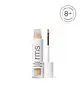
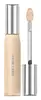
RMS Beauty Revitalize Hydra Concealer Versus Haus Labs By Lady Gaga Triclone Skin Tech Hydrating Concealer with Fermented Arnica

What's inside
What's inside
 Key Ingredients
Benefits
Concerns
Ingredients Side-by-side
Water
Skin ConditioningCoco-Caprylate/Caprate
Emollient
Hexyl Laurate
Emollient

Propanediol
Solvent

Hydrogenated Ethylhexyl Olivate
EmollientPolyglyceryl-3 Polyricinoleate
Emulsifying
Glycerin
Humectant
Polyglyceryl-4 Isostearate
Emulsifying
Butyrospermum Parkii Butter
Skin Conditioning


Disteardimonium Hectorite
StabilisingSorbitan Isostearate
Emulsifying
Magnesium Sulfate
Pentylene Glycol
Skin Conditioning
Glyceryl Caprylate
EmollientAluminum Hydroxide
EmollientGlyceryl Undecylenate
Emollient
Magnesium Stearate
Cosmetic ColorantHydrogenated Olive Oil Unsaponifiables
Emollient
Xanthan Gum
EmulsifyingSimmondsia Chinensis Seed Oil
Emollient
Sodium Lauroyl Glutamate
SurfactantSodium Phytate
ChelatingMica
Cosmetic ColorantHelianthus Annuus Seed Oil
Emollient
Euphrasia Officinalis Extract
AntimicrobialLysine
Skin ConditioningMagnesium Chloride
Tocopherol
Antioxidant





Lactobacillus Ferment Lysate
Skin Conditioning
Camellia Sinensis Leaf Extract
Antimicrobial


Punica Granatum Extract
AstringentDisodium Acetyl Glucosamine Phosphate
Skin ConditioningSodium Glucuronate
HumectantBeta-Sitosterol
Emulsion Stabilising
Aloe Barbadensis Leaf Extract
Emollient
Calendula Officinalis Flower Extract
Masking
Squalene
Emollient
Hypericum Perforatum Flower Extract
Skin ConditioningEquisetum Arvense Leaf Extract
AstringentHemidesmus Indicus Root Powder
Skin ConditioningCurcuma Longa Root Extract
Antioxidant
Withania Somnifera Root Extract
Skin Conditioning
Lactobacillus Ferment
Skin Conditioning
Glycyrrhiza Glabra Root Extract
Bleaching
Olea Europaea Leaf Extract
Perfuming
Caffeine
Skin Conditioning
CI 77891
Cosmetic ColorantIron Oxides
Water, Coco-Caprylate/Caprate, Hexyl Laurate, Propanediol, Hydrogenated Ethylhexyl Olivate, Polyglyceryl-3 Polyricinoleate, Glycerin, Polyglyceryl-4 Isostearate, Butyrospermum Parkii Butter, Disteardimonium Hectorite, Sorbitan Isostearate, Magnesium Sulfate, Pentylene Glycol, Glyceryl Caprylate, Aluminum Hydroxide, Glyceryl Undecylenate, Magnesium Stearate, Hydrogenated Olive Oil Unsaponifiables, Xanthan Gum, Simmondsia Chinensis Seed Oil, Sodium Lauroyl Glutamate, Sodium Phytate, Mica, Helianthus Annuus Seed Oil, Euphrasia Officinalis Extract, Lysine, Magnesium Chloride, Tocopherol, Lactobacillus Ferment Lysate, Camellia Sinensis Leaf Extract, Punica Granatum Extract, Disodium Acetyl Glucosamine Phosphate, Sodium Glucuronate, Beta-Sitosterol, Aloe Barbadensis Leaf Extract, Calendula Officinalis Flower Extract, Squalene, Hypericum Perforatum Flower Extract, Equisetum Arvense Leaf Extract, Hemidesmus Indicus Root Powder, Curcuma Longa Root Extract, Withania Somnifera Root Extract, Lactobacillus Ferment, Glycyrrhiza Glabra Root Extract, Olea Europaea Leaf Extract, Caffeine, CI 77891, Iron Oxides
Water
Skin ConditioningGlycerin
Humectant
Diphenylsiloxy Phenyl Trimethicone
Skin Conditioning
Trimethylsiloxysilicate
Emollient
Caprylyl Methicone
Skin Conditioning
Lauryl Polyglyceryl-3 Polydimethylsiloxyethyl Dimethicone
Skin Conditioning
C13-15 Alkane
SolventIsododecane
EmollientDimethicone
Emollient
Methyl Trimethicone
Skin Conditioning
Polypropylsilsesquioxane
Phenyl Trimethicone
Skin Conditioning
Disteardimonium Hectorite
StabilisingPolymethylsilsesquioxane
Magnesium Sulfate
Acrylates/Dimethicone Copolymer
Skin Conditioning
Arnica Montana Flower Extract
Masking
Niacinamide
Smoothing


Squalane
Emollient
Hydrolyzed Hyaluronic Acid
Humectant
Coleus Forskohlii Root Extract
EmollientSodium Hyaluronate
Humectant
Hyaluronic Acid
Humectant
Pseudozyma Epicola/Camellia Sinensis Seed Oil Ferment Extract Filtrate
Humectant
Prunus Armeniaca Kernel Oil
Masking
Pseudozyma Epicola/Apricot Kernel Oil/Olive Fruit Oil/Sunflower Seed Oil/Sweet Almond Oil/(Angelica Gigas/Lithospermum Erythrorhizon) Root Extract Ferment Extract Filtrate
Solanum Lycopersicum Fruit Extract
Antioxidant
Dunaliella Salina Extract
Skin ConditioningSodium Acetylated Hyaluronate
Humectant
Sodium Hyaluronate Crosspolymer
Humectant
Pseudanabaena Galeata Extract
Skin ConditioningHydrolyzed Sodium Hyaluronate
Skin Conditioning
Tocopherol
Antioxidant
Potassium Hyaluronate
Skin ConditioningPseudozyma Epicola/Sunflower Seed Oil Ferment Extract Filtrate
Emulsion Stabilising
Betaine
Humectant
Hydroxypropyltrimonium Hyaluronate
Caprylyl Glycol
Emollient
Aloe Barbadensis Leaf Extract
Emollient
Sorbitan Sesquioleate
Emulsifying
Polyglyceryl-3 Polydimethylsiloxyethyl Dimethicone
Skin Conditioning
Acrylates/Polytrimethylsiloxymethacrylate Copolymer
Skin Conditioning1,2-Hexanediol
Skin Conditioning
Ethylhexylglycerin
Skin ConditioningDimethicone/Vinyl Dimethicone Crosspolymer
Skin Conditioning
Cetearyl Dimethicone/Vinyl Dimethicone Crosspolymer
Emollient
Triethoxycaprylylsilane
Xanthan Gum
EmulsifyingSilica Silylate
Emollient
Aluminum Hydroxide
EmollientBoron Nitride
Absorbent
CI 77491
Cosmetic ColorantCI 77891
Cosmetic ColorantWater, Glycerin, Diphenylsiloxy Phenyl Trimethicone, Trimethylsiloxysilicate, Caprylyl Methicone, Lauryl Polyglyceryl-3 Polydimethylsiloxyethyl Dimethicone, C13-15 Alkane, Isododecane, Dimethicone, Methyl Trimethicone, Polypropylsilsesquioxane, Phenyl Trimethicone, Disteardimonium Hectorite, Polymethylsilsesquioxane, Magnesium Sulfate, Acrylates/Dimethicone Copolymer, Arnica Montana Flower Extract, Niacinamide, Squalane, Hydrolyzed Hyaluronic Acid, Coleus Forskohlii Root Extract, Sodium Hyaluronate, Hyaluronic Acid, Pseudozyma Epicola/Camellia Sinensis Seed Oil Ferment Extract Filtrate, Prunus Armeniaca Kernel Oil, Pseudozyma Epicola/Apricot Kernel Oil/Olive Fruit Oil/Sunflower Seed Oil/Sweet Almond Oil/(Angelica Gigas/Lithospermum Erythrorhizon) Root Extract Ferment Extract Filtrate, Solanum Lycopersicum Fruit Extract, Dunaliella Salina Extract, Sodium Acetylated Hyaluronate, Sodium Hyaluronate Crosspolymer, Pseudanabaena Galeata Extract, Hydrolyzed Sodium Hyaluronate, Tocopherol, Potassium Hyaluronate, Pseudozyma Epicola/Sunflower Seed Oil Ferment Extract Filtrate, Betaine, Hydroxypropyltrimonium Hyaluronate, Caprylyl Glycol, Aloe Barbadensis Leaf Extract, Sorbitan Sesquioleate, Polyglyceryl-3 Polydimethylsiloxyethyl Dimethicone, Acrylates/Polytrimethylsiloxymethacrylate Copolymer, 1,2-Hexanediol, Ethylhexylglycerin, Dimethicone/Vinyl Dimethicone Crosspolymer, Cetearyl Dimethicone/Vinyl Dimethicone Crosspolymer, Triethoxycaprylylsilane, Xanthan Gum, Silica Silylate, Aluminum Hydroxide, Boron Nitride, CI 77491, CI 77891
Reviews
Ingredients Explained
These ingredients are found in both products.
Ingredients higher up in an ingredient list are typically present in a larger amount.
Aloe Barbadensis Leaf Extract is a botanical extract pulled from the leaves of aloe vera and one of the most studied plant ingredients in cosmetics.
The inner leaf gel it comes from is mostly water (~99-99.5%) and the remaining fraction is made up of pretty good stuff: polysaccharides, vitamins, phenolics, and enzymes.
Its headline job is hydration.
The star polysaccharide in aloe, acemannan, is a humectant that retains moisture and helps reduce trans-epidermal water loss.
Aloe also has real soothing credentials; it contains anti-inflammatory compounds like bradykinase and C-glucosyl chromone that help calm irritation and redness.
On the repair side, lab work shows that acemannan wakes up your skin's repair cells (fibroblasts), prompting them to multiply and speed up healing.
There's some human data for cosmetic benefit too: a cream containing 10% Aloe Barbadensis leaf extract improved skin hydration and elasticity in a real-use study.
Safety-wise, this ingredient is well-regarded with just one rare downside; there have been some case reports of acute eczema, contact urticaria, and dermatitis in people who applied aloe-derived ingredients topically. Those with a known aloe or Liliaceae sensitivity should patch test.
Typical use levels range widely, from under 1% up to 90%+ depending on the format and the effect you are after.
Learn more about Aloe Barbadensis Leaf ExtractAluminum Hydroxide is a form of aluminum. It can be naturally found in nature as the mineral gibbsite. In cosmetics, Aluminum Hydroxide is used as a colorant, pH adjuster, and absorbent.
As a colorant, Aluminum Hydroxide may add opacity, or reduce the transparency. Aluminum hydroxide is contains both basic and acidic properties.
According to manufacturers, this ingredient is an emollient and humectant. This means it helps hydrate the skin.
In medicine, this ingredient is used to help relieve heartburn and help heal ulcers.
There is currently no credible scientific evidence linking aluminum hydroxide in cosmetics to increased cancer risk.
Major health organizations allow the use of aluminum hydroxide in personal care products and have not flagged it as a carcinogenic risk at typical usage levels.
Learn more about Aluminum HydroxideCi 77891 is a white pigment from Titanium dioxide. It is naturally found in minerals such as rutile and ilmenite.
It's main function is to add a white color to cosmetics. It can also be mixed with other colors to create different shades.
Ci 77891 is commonly found in sunscreens due to its ability to block UV rays.
Learn more about CI 77891Disteardimonium Hectorite comes from the clay mineral named hectorite. It is used to add thickness to a product.
It can also help stabilize a product by helping to disperse other ingredients.
Hectorite is a rare, white clay mineral.
Learn more about Disteardimonium HectoriteGlycerin (or glycerol) is a compound naturally found in your skin. It's a powerhouse humectant that pulls water into the stratum corneum.
Topically, glycerin does several things at once:
Your skin makes glycerin on its own (mostly from sebaceous oil breakdown) and shuttles it to your outermost layer of skin, or your epidermis, via aquaporin-3.
Aquaporin-3 is a transporter that is essential for normal skin hydration, elasticity, and repair. Interestingly, mice lacking in AQP3 have dry and less elastic skin that can be fully corrected with glycerin.
This ingredient is non-irritating, plays well with almost every ingredient, and works across all skin types. Typical use is anywhere between 3-10% but can go up to 79% in some leave-on products.
Just know very high concentrations (>40%) can feel tacky in low humidity.
Glycerin is the name for this ingredient in American English. British English uses Glycerol/Glycerine.
Learn more about GlycerinMagnesium Sulfate is a salt. More specifically, it is an epsom salt, or the bath salt used to help relieve muscle aches.
Despite having ‘sulfate’ in the name, it isn’t a surfactant or cleansing agent like sodium lauryl sulfate. Unlike those sulfates, magnesium sulfate doesn’t have the same cleansing or foaming properties (it's simply a type of salt).
In cosmetics, Magnesium Sulfate is used to thicken a product or help dilute other solids. It is a non-reactive and non-irritating ingredient.
One study shows magnesium deficiency may lead to inflammation of the skin. Applying magnesium topically may help reduce inflammation.
You can find this ingredient in sea water or mineral deposits.
Learn more about Magnesium SulfateTocopherol is a fat-soluble antioxidant known as Vitamin E.
You'll find this ingredient in the vast majority of skincare (for good reason). It works to neutralize free radicals, or unstable molecules generated by UV exposure, pollution, and other environmental stressors, before they can cause oxidative damage to your skin cells.
Topically applied tocopherol has been shown to protect against UV damage by ramping up the skin's own natural defense enzymes.
It also acts as a skin conditioning agent; some studies show that regular topical use can improve the skin's water-binding capacity over 2-4 weeks.
This ingredient is especially loved for being a team player. When combined with Vitamin C, the photoprotective effect of both ingredients roughly doubles and the combo also helps reduce UV-induced DNA damage.
This ingredient has some brightening potential but it's more of a prevention ingredient than spot-fader. Cell studies show it can slow down melanin production but it's worth noting that it's not the most powerful brightener out there.
In formulations, it also serves as a stabilizer that helps protect other oxidation-prone ingredients from degrading.
Concentrations usually range from 0.1-1% in most leave-on products.
Learn more about TocopherolWater. It's the most common cosmetic ingredient of all. You'll usually see it at the top of ingredient lists, meaning that it makes up the largest part of the product.
So why is it so popular? Water most often acts as a solvent - this means that it helps dissolve other ingredients into the formulation.
You'll also recognize water as that liquid we all need to stay alive. If you see this, drink a glass of water. Remember to stay hydrated!
Learn more about WaterXanthan gum is used as a stabilizer and thickener within cosmetic products. It helps give products a sticky, thick feeling - preventing them from being too runny.
On the technical side of things, xanthan gum is a polysaccharide - a combination consisting of multiple sugar molecules bonded together.
Xanthan gum is a pretty common and great ingredient. It is a natural, non-toxic, non-irritating ingredient that is also commonly used in food products.
Learn more about Xanthan Gum

