Rituals Cosmetics The Ritual Of Namaste Bakuchiol Natural Booster Versus Eqqualberry Bakuchiol Plumping Serum
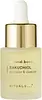
This anti-aging serum is formulated around Bakuchiol and Simmondsia Chinensis Seed Oil to soften the look of wrinkles and refine skin texture.
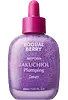
This anti-aging serum is formulated around Bakuchiol and Niacinamide to soften the look of wrinkles and strengthen the skin barrier.


What's inside
What's inside
 Key Ingredients
Benefits
Concerns
Ingredients Side-by-side
Isoamyl Laurate
Emollient

C15-19 Alkane
SolventMacadamia Integrifolia/Tetraphylla Seed Oil
Emollient
Cocos Nucifera Oil
Masking





Cocoglycerides
Emollient
Coco-Caprylate
Emollient
Simmondsia Chinensis Seed Oil
Emollient

Caprylic/Capric Triglyceride
Masking
Camellia Oleifera Seed Oil
Skin Conditioning
Bakuchiol
Antimicrobial








Tocopherol
Antioxidant
Helianthus Annuus Seed Oil
Emollient
Citronellol
Perfuming

Benzyl Salicylate
Perfuming
Limonene
Perfuming
Geraniol
Perfuming
Eugenol
Perfuming
Linalool
Perfuming
Parfum
Masking
Isoamyl Laurate, C15-19 Alkane, Macadamia Integrifolia/Tetraphylla Seed Oil, Cocos Nucifera Oil, Cocoglycerides, Coco-Caprylate, Simmondsia Chinensis Seed Oil, Caprylic/Capric Triglyceride, Camellia Oleifera Seed Oil, Bakuchiol, Tocopherol, Helianthus Annuus Seed Oil, Citronellol, Benzyl Salicylate, Limonene, Geraniol, Eugenol, Linalool, Parfum
Water
Skin ConditioningButylene Glycol
Humectant
Glycerin
Humectant
Cetyl Ethylhexanoate
Emollient1,2-Hexanediol
Skin Conditioning
Niacinamide
Smoothing


Hydrogenated Lecithin
Emulsifying
Pentaerythrityl Tetrabehenate
EmollientDiethoxyethyl Succinate
SolventBetaine
Humectant
Ceramide NP
Skin Conditioning
Melia Azadirachta Flower Extract
Skin ConditioningHydroxyethyl Urea
Humectant
Bakuchiol
Antimicrobial
Cetearyl Alcohol
Emollient
Squalane
Emollient
Coccinia Indica Fruit Extract
Skin Conditioning
Panthenol
Skin Conditioning
Carbomer
Emulsion StabilisingButyrospermum Parkii Butter
Skin Conditioning
Tromethamine
BufferingXanthan Gum
EmulsifyingAllantoin
Skin Conditioning
Ethylhexylglycerin
Skin Conditioning2,3-Butanediol
HumectantAdenosine
Skin Conditioning
Disodium EDTA
ChelatingLavandula Angustifolia Oil
Masking
Sodium Carboxymethyl Beta-Glucan
CleansingGlyceryl Stearate
Emollient
Dipropylene Glycol
HumectantCitrus Aurantium Bergamia Fruit Oil
Masking
Sodium Hyaluronate
Humectant
Rubus Fruticosus Fruit Extract
AstringentVaccinium Macrocarpon Fruit Extract
AstringentVaccinium Angustifolium Fruit Extract
Skin Protecting
Rubus Idaeus Fruit Extract
AstringentSambucus Nigra Fruit Extract
AstringentSodium Lactate
Buffering
Polyglyceryl-10 Laurate
Skin Conditioning
Ceramide Ns
Skin Conditioning
Ceramide As
Skin Conditioning
Ceramide AP
Skin Conditioning
Cholesterol
Emollient
Salvia Officinalis Oil
Masking
Polysorbate 20
Emulsifying
Octyldodecanol
Emollient
Polyglyceryl-4 Caprate
EmulsifyingMethylpropanediol
SolventHydrolyzed Hyaluronic Acid
Humectant
Hydrolyzed Sodium Hyaluronate
Skin Conditioning
Hyaluronic Acid
Humectant
Hydroxypropyltrimonium Hyaluronate
Potassium Hyaluronate
Skin ConditioningAstaxanthin
Skin Conditioning
Pentylene Glycol
Skin Conditioning
Sodium Hyaluronate Crosspolymer
Humectant
Palmitoyl Tripeptide-1
Skin Conditioning
Soluble Collagen
Humectant
Sodium Acetylated Hyaluronate
Humectant
Copper Tripeptide-1
Skin Conditioning
Palmitoyl Tetrapeptide-7
Skin Conditioning
Oligopeptide-32
Antiseborrhoeic
Oligopeptide-29
Antioxidant
Acetyl Hexapeptide-8
Humectant
Ceramide EOP
Skin Conditioning
Acetyl Tetrapeptide-2
Skin Conditioning
Acetyl Tetrapeptide-3
Skin Protecting
Acetyl Octapeptide-3
Humectant
Palmitoyl Pentapeptide-4
Skin Conditioning
Oligopeptide-6
Skin Conditioning
Hexapeptide-9
Skin Conditioning
Nonapeptide-1
Skin Conditioning
Limonene
Perfuming
Linalool
Perfuming
Water, Butylene Glycol, Glycerin, Cetyl Ethylhexanoate, 1,2-Hexanediol, Niacinamide, Hydrogenated Lecithin, Pentaerythrityl Tetrabehenate, Diethoxyethyl Succinate, Betaine, Ceramide NP, Melia Azadirachta Flower Extract, Hydroxyethyl Urea, Bakuchiol, Cetearyl Alcohol, Squalane, Coccinia Indica Fruit Extract, Panthenol, Carbomer, Butyrospermum Parkii Butter, Tromethamine, Xanthan Gum, Allantoin, Ethylhexylglycerin, 2,3-Butanediol, Adenosine, Disodium EDTA, Lavandula Angustifolia Oil, Sodium Carboxymethyl Beta-Glucan, Glyceryl Stearate, Dipropylene Glycol, Citrus Aurantium Bergamia Fruit Oil, Sodium Hyaluronate, Rubus Fruticosus Fruit Extract, Vaccinium Macrocarpon Fruit Extract, Vaccinium Angustifolium Fruit Extract, Rubus Idaeus Fruit Extract, Sambucus Nigra Fruit Extract, Sodium Lactate, Polyglyceryl-10 Laurate, Ceramide Ns, Ceramide As, Ceramide AP, Cholesterol, Salvia Officinalis Oil, Polysorbate 20, Octyldodecanol, Polyglyceryl-4 Caprate, Methylpropanediol, Hydrolyzed Hyaluronic Acid, Hydrolyzed Sodium Hyaluronate, Hyaluronic Acid, Hydroxypropyltrimonium Hyaluronate, Potassium Hyaluronate, Astaxanthin, Pentylene Glycol, Sodium Hyaluronate Crosspolymer, Palmitoyl Tripeptide-1, Soluble Collagen, Sodium Acetylated Hyaluronate, Copper Tripeptide-1, Palmitoyl Tetrapeptide-7, Oligopeptide-32, Oligopeptide-29, Acetyl Hexapeptide-8, Ceramide EOP, Acetyl Tetrapeptide-2, Acetyl Tetrapeptide-3, Acetyl Octapeptide-3, Palmitoyl Pentapeptide-4, Oligopeptide-6, Hexapeptide-9, Nonapeptide-1, Limonene, Linalool
Reviews
Ingredients Explained
These ingredients are found in both products.
Ingredients higher up in an ingredient list are typically present in a larger amount.
Bakuchiol is a plant-derived antioxidant from the seeds of the Psoralea corylifolia plant. It has antimicrobial, emollient, skin conditioning, and antioxidant properties.
You'll likely see it called a "retinol replacement" but the two are technically not related. This is because bakuchiol is able to flip many of the same switches in your skin cells to tell them to:
1) produce more collagen (type I, III, and IV)
2) activate the same genes retinoids do
Unlike retinoids, this ingredient will not increase photosensitivity and is safe to use during pregnancy (but please still check in with your doctor!).
The flagship clinical trial from Dhaliwal et al. 2019 found 0.5% bakuchiol (twice daily) and 0.5% retinol (once daily) reduced wrinkles and hyperpigmentation equally, but bakuchiol had significantly less irritation.
Systematic reviews also back this up:
Bakuchiol is comparable to retinol for photoaging but with better tolerability. It also has mild antibacterial properties against Cutibacterium acnes and antifungal activity in vitro against Candida and dermatophytes.
The reason bakuchiol works well is due to its structure; it is a meroterpene phenol, or a hybrid molecule. The phenol half acts as an antioxidant while the terpene half is fat-loving. This helps the molecule slip through the skin barrier.
This ingredient is usually used between 0.5-2%. Only one case of contact dermatitis has ever been reported for this ingredient.
Learn more about BakuchiolLimonene is the compound that gives citrus peel its smell.
In skincare, it shows up as a standalone fragrance ingredient or as a natural compound of citrus and other essential oils.
You'll typically see this ingredient used in very small amounts; anything above 0.001% in a leave-on product or 0.01% in a rinse-off has to be named on the label in the EU. The citrus oils that carry it sit around 0.5-1% in a finished formula.
Fresh limonene is a weak allergen; the real issue is that it slowly reacts with air and then breaks down from oxidation to create hydroperoxides (which are strong sensitizers). This is why suppliers are required to keep the peroxide value below 20 mmol.
Positive reactions in people being investigated for eczema vary:
It's worth skipping if you have a known fragrance allergy or a compromised barrier, but the risk is low for most people.
Older or long-opened products are also more likely to bother you than fresh ones due to oxidation.
Learn more about LimoneneLinalool is a small, naturally occurring scent molecule found in plants like lavender, coriander, bergamot, and more.
It is one of the two most-used fragrance ingredients in cosmetics and added purely for smell. Since it's not used for a skin benefit, there's no "effective dose". Concentration depends on the fragrance load of the product.
The EU requires it to be named on the label above 0.001% in leave-on and 0.01% in rinse-off products.
Fresh linalool is a weak sensitizer but air exposure turns some of it into hydroperoxides, which are strong sensitizers. Those oxidation products are the actual allergy concern.
Patch-test clinics see positive reactions to linalool hydroperoxides in about 4% to 12% of dermatitis patients depending on country and test concentration.
Resassuringly, one analytical study found hydroperoxide levels in real fragranced products to be orders of magnitude below what induced sensitization in animal studies with no evidence of oxidation building up during normal storage.
The practical takeaway is that linalool is fine for most people but worth avoiding if you have a confirmed fragrance contact allergy or a badly compromised barrier.
Products stored a long time after opening are also the high-risk scenario since that is when oxidation happens.
The scent of linalool is described as floral, spicy tropical, and citrus-like.
Learn more about Linalool

