Rituals Cosmetics The Ritual Of Namaste Anti Aging Night Cream Versus APLB Bakuchiol Propolis Facial Cream
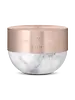
This anti-aging night moisturizer is formulated around Bakuchiol and Squalane to soften the look of wrinkles and hydrate skin.
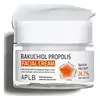
This anti-aging moisturizer is formulated around Centella Asiatica Leaf Water and Bakuchiol to soften the look of wrinkles and calm redness.


What's inside
What's inside
 Key Ingredients
Benefits
Concerns
Ingredients Side-by-side
Water
Skin ConditioningGlycerin
Humectant


Cetearyl Alcohol
Emollient






Isoamyl Laurate
Emollient
Cocoglycerides
Emollient
Dicaprylyl Ether
Emollient
Squalane
Emollient
Distarch Phosphate
AbsorbentButyrospermum Parkii Butter
Skin Conditioning
Xylitylglucoside
Humectant
Jojoba Esters
Emollient
Palmitic Acid
Emollient
Stearic Acid
Cleansing
Tephrosia Purpurea Seed Extract
Skin ConditioningNelumbo Nucifera Flower Extract
Skin ConditioningSesamum Indicum Seed Oil
Emollient
Simmondsia Chinensis Seed Oil
Emollient
Helianthus Annuus Seed Oil
Emollient
Bakuchiol
Antimicrobial







Bisabolol
Antioxidant
Sodium Hyaluronate
Humectant
Anhydroxylitol
Humectant
Polyglycerin-3
Humectant
Xylitol
Humectant
Cetyl Palmitate
Emollient
Acacia Decurrens Flower Wax
Emollient
Helianthus Annuus Seed Wax
Skin Conditioning
Dimethicone
Emollient
Cetearyl Glucoside
Emulsifying
Sorbitan Palmitate
Emulsifying
Sorbitan Oleate
Emulsifying
Acacia Senegal Gum
MaskingXanthan Gum
EmulsifyingTocopherol
Antioxidant
Propanediol
Solvent
Phytic Acid
Chelating
Citric Acid
Buffering
Lactic Acid
Buffering

Sodium Hydroxide
BufferingBenzoic Acid
Masking
Dehydroacetic Acid
Preservative
Sodium Benzoate
Masking
Potassium Sorbate
Preservative
Benzyl Alcohol
Perfuming



Linalool
Perfuming
Limonene
Perfuming
Citronellol
Perfuming
Geraniol
Perfuming
Parfum
Masking
Water, Glycerin, Cetearyl Alcohol, Isoamyl Laurate, Cocoglycerides, Dicaprylyl Ether, Squalane, Distarch Phosphate, Butyrospermum Parkii Butter, Xylitylglucoside, Jojoba Esters, Palmitic Acid, Stearic Acid, Tephrosia Purpurea Seed Extract, Nelumbo Nucifera Flower Extract, Sesamum Indicum Seed Oil, Simmondsia Chinensis Seed Oil, Helianthus Annuus Seed Oil, Bakuchiol, Bisabolol, Sodium Hyaluronate, Anhydroxylitol, Polyglycerin-3, Xylitol, Cetyl Palmitate, Acacia Decurrens Flower Wax, Helianthus Annuus Seed Wax, Dimethicone, Cetearyl Glucoside, Sorbitan Palmitate, Sorbitan Oleate, Acacia Senegal Gum, Xanthan Gum, Tocopherol, Propanediol, Phytic Acid, Citric Acid, Lactic Acid, Sodium Hydroxide, Benzoic Acid, Dehydroacetic Acid, Sodium Benzoate, Potassium Sorbate, Benzyl Alcohol, Linalool, Limonene, Citronellol, Geraniol, Parfum
Water
Skin ConditioningCentella Asiatica Leaf Water 24%
Skin Conditioning
Glycerin
Humectant
Cetyl Ethylhexanoate
EmollientButylene Glycol
Humectant
Polyglyceryl-3 Methylglucose Distearate
Emulsifying
Bakuchiol
Antimicrobial
Propolis Extract
Skin Conditioning

Stearic Acid
Cleansing
Sodium Polyacryloyldimethyl Taurate
Emulsion StabilisingHydrogenated Polydecene
EmollientTrideceth-10
CleansingSilica
Abrasive
Glyceryl Stearate
Emollient
Beeswax
Emulsion Stabilising
Butyrospermum Parkii Butter
Skin Conditioning
Macadamia Integrifolia Seed Oil
Skin Conditioning
Betaine
Humectant
Trehalose
Humectant
Citric Acid
Buffering
Sodium Citrate
BufferingNelumbo Nucifera Flower Extract
Skin ConditioningArtemisia Princeps Leaf Extract
Skin ConditioningOryza Sativa Extract
Absorbent
Saccharomyces Ferment
Skin Conditioning
Solanum Melongena Fruit Extract
Skin ConditioningMelaleuca Alternifolia Leaf Extract
Perfuming
Hydrolyzed Collagen
Emollient
Squalane
Emollient
Beta-Glucan
Skin Conditioning
Dipropylene Glycol
HumectantHippophae Rhamnoides Fruit Extract
Skin Conditioning
Madecassic Acid
Skin Conditioning
Asiaticoside
Antioxidant
Asiatic Acid
Skin Conditioning
Disodium EDTA
ChelatingPropanediol
Solvent
Hydroxyacetophenone
Antioxidant
1,2-Hexanediol
Skin Conditioning
Ethylhexylglycerin
Skin ConditioningDipotassium Glycyrrhizate
Humectant
Water, Centella Asiatica Leaf Water 24%, Glycerin, Cetyl Ethylhexanoate, Butylene Glycol, Polyglyceryl-3 Methylglucose Distearate, Bakuchiol, Propolis Extract, Stearic Acid, Sodium Polyacryloyldimethyl Taurate, Hydrogenated Polydecene, Trideceth-10, Silica, Glyceryl Stearate, Beeswax, Butyrospermum Parkii Butter, Macadamia Integrifolia Seed Oil, Betaine, Trehalose, Citric Acid, Sodium Citrate, Nelumbo Nucifera Flower Extract, Artemisia Princeps Leaf Extract, Oryza Sativa Extract, Saccharomyces Ferment, Solanum Melongena Fruit Extract, Melaleuca Alternifolia Leaf Extract, Hydrolyzed Collagen, Squalane, Beta-Glucan, Dipropylene Glycol, Hippophae Rhamnoides Fruit Extract, Madecassic Acid, Asiaticoside, Asiatic Acid, Disodium EDTA, Propanediol, Hydroxyacetophenone, 1,2-Hexanediol, Ethylhexylglycerin, Dipotassium Glycyrrhizate
Reviews
Ingredients Explained
These ingredients are found in both products.
Ingredients higher up in an ingredient list are typically present in a larger amount.
Bakuchiol is a plant-derived antioxidant from the seeds of the Psoralea corylifolia plant. It has antimicrobial, emollient, skin conditioning, and antioxidant properties.
You'll likely see it called a "retinol replacement" but the two are technically not related. This is because bakuchiol is able to flip many of the same switches in your skin cells to tell them to:
1) produce more collagen (type I, III, and IV)
2) activate the same genes retinoids do
Unlike retinoids, this ingredient will not increase photosensitivity and is safe to use during pregnancy (but please still check in with your doctor!).
The flagship clinical trial from Dhaliwal et al. 2019 found 0.5% bakuchiol (twice daily) and 0.5% retinol (once daily) reduced wrinkles and hyperpigmentation equally, but bakuchiol had significantly less irritation.
Systematic reviews also back this up:
Bakuchiol is comparable to retinol for photoaging but with better tolerability. It also has mild antibacterial properties against Cutibacterium acnes and antifungal activity in vitro against Candida and dermatophytes.
The reason bakuchiol works well is due to its structure; it is a meroterpene phenol, or a hybrid molecule. The phenol half acts as an antioxidant while the terpene half is fat-loving. This helps the molecule slip through the skin barrier.
This ingredient is usually used between 0.5-2%. Only one case of contact dermatitis has ever been reported for this ingredient.
Learn more about BakuchiolThis ingredient is also known as shea butter. It is a plant-derived extract from the nuts of the Africa shea tree and one of the most well-studied emollients.
Because it has a high concentration of fatty acids (primarily oleic, stearic, and linoleic) it is able to form a protective barrier on the skin's surface. This helps seal in moisture and prevents transepidermal water loss (TEWL).
In vitro research found an increase in skin hydration by 58% and a decrease in TEWL by 37.8% after 24 hours of applying this ingredient (pretty impressive for a single ingredient!).
Besides hydration, shea butter also contains triterpenes that have anti-inflammatory potential. In particule, lupeol cinnamate has shown the highest anti-inflammatory activity in vivo.
Shea butter also contains vitamins A and E which may contribute to antioxidant activity.
While Shea Butter has an SPF rating of about 3-4, it is not a sunscreen replacement.
This ingredient may not be fungal acne safe because its fatty acids fall within the C11-C24 range that the Malassezia yeast can metabolize.
This ingredient shows up on a lot of "pore-clogging" lists but there's no real evidence behind that. It doesn't even have a comedogenic rating from an actual study; the numbers you'll find online come from blogs citing other blogs.
Ratings for other ingredients mostly come from a 1980s rabbit ear test. This test doesn't translate well to human skin or to real products because the ingredient sits at a much lower percentage.
Some people still find it breaks them out. So if that's you, definitely trust your skin. Just know this one's based on experience and not evidence.
Learn more about Butyrospermum Parkii ButterCitric Acid is an alpha hydroxy acid (AHA) naturally found in citrus fruits like oranges, lemons, and limes.
Like other AHAs, citric acid can exfoliate skin by breaking down the bonds that hold dead skin cells together. This helps reveal smoother and brighter skin underneath.
However, this exfoliating effect only happens at high concentrations (20%) which can be hard to find in cosmetic products.
Due to this, citric acid is usually included in small amounts as a pH adjuster. This helps keep products slightly more acidic and compatible with skin's natural pH.
In skincare formulas, citric acid can:
While it can provide some skin benefits, research shows lactic acid and glycolic acid are generally more effective and less irritating exfoliants.
Most citric acid used in skincare today is made by fermenting sugars (usually from molasses). This synthetic version is identical to the natural citrus form but easier to stabilize and use in formulations.
Rosacea skin has a lower threshold for acids generally, with 62.5% of rosacea subjects in one study reacting to lactic acid in a sting test. This is why we mark citric acid as a potential rosacea trigger.
However, this ingredient shows up as a pH adjuster or chelator at roughly 0.1-1% in many products. These low levels are unlikely to be an issue for rosacea skin and becomes a potential trigger at exfoliating concentrations (20%). Because everybody's skin is unique, we recommend a patch test if you are unsure.
Learn more about Citric AcidGlycerin (or glycerol) is a compound naturally found in your skin. It's a powerhouse humectant that pulls water into the stratum corneum.
Topically, glycerin does several things at once:
Your skin makes glycerin on its own (mostly from sebaceous oil breakdown) and shuttles it to your outermost layer of skin, or your epidermis, via aquaporin-3.
Aquaporin-3 is a transporter that is essential for normal skin hydration, elasticity, and repair. Interestingly, mice lacking in AQP3 have dry and less elastic skin that can be fully corrected with glycerin.
This ingredient is non-irritating, plays well with almost every ingredient, and works across all skin types. Typical use is anywhere between 3-10% but can go up to 79% in some leave-on products.
Just know very high concentrations (>40%) can feel tacky in low humidity.
Glycerin is the name for this ingredient in American English. British English uses Glycerol/Glycerine.
Learn more about GlycerinNelumbo Nucifera Flower Extract is also known as Lotus Flower Extract and it's mainly valued as an antioxidant + soothing ingredient for skincare.
It's rich in polyphenols and flavonoids that protect skin against radical damage from UV rays and pollution.
Lab studies on human skin show it calms inflammation by reducing inflammatory signals in skin cells without causing cell damage.
Cell and formulation studies also point to whitening/brightening + anti-wrinkle effects; the extracts from the leaf, seed, and flower showed measurable elastase (wrinkle-related enzyme) and tyrosinase (pigment related enzyme) inhibition.
A cream containing lotus extract also no significant irritation and stayed stable over a month of storage.
Typical usage in cosmetics is usually on the lower end (~0.5-5%) depending on the formula.
Allergy-wise, this ingredient is considered low risk and often included in products made for sensitive/irritated skin. But like any plant extract, it carries a small possibility of contact allergy in people sensitive to plant extracts.
Learn more about Nelumbo Nucifera Flower ExtractPropanediol is an all-star ingredient. It softens, hydrates, and smooths the skin.
It’s often used to:
Propanediol is not likely to cause sensitivity and considered safe to use. It is derived from corn or petroleum with a clear color and no scent.
Learn more about PropanediolSqualane is the hydrogenated and shelf-stable form of squalene (a lipid that naturally occurs in human sebum).
It is an emollient and skin conditioning agent that is able to integrate seamlessly into the skin's lipid barrier without clogging pores.
This is due to how structurally similar it is to what your skin already produces.
Though it is mostly an emollient that helps soften and hydrate skin, it also has some humectant and occlusive action. Humectants help the skin retain moisture while occlusives seal it in, making squalane a triple-threat moisturizer.
Research shows it has antioxidant capabilities that help protect against stressors like UV exposure, specifically UVA induced oxidative stress. This study also found that it supports collagen biosynthesis in human dermal fibroblasts.
No clinical study has reported significant adverse effects and irritation reactions are very rare from this ingredient (even at 100% concentration).
Overall, it's a fantastic ingredient for hydration and is suitable for all skin types.
This depends on the source. Squalane can be derived from both plants and animals. Most squalane used in skincare comes from plants.
Please note: the source of squalane is only known if disclosed by the brand. We recommend reaching out to the brand if you have any questions about their squalane.
Read more about squalene with an "e".
Though squalane is often called an oil, it’s technically not one. It is a hydrocarbon, meaning it is only made of carbon and hydrogen. True oils are triglycerides and made of fatty acids and glycerol.
The term “oil-free” isn’t regulated so companies can define it however they want. Some exclude all oils, while others just avoid mineral oil or comedogenic oils.
Squalane has a comedogenic rating of 1 from the original 1972 study that tested raw ingredients under occlusion on rabbit ears. This system is not standardized or peer-reviewed, and using the raw ingredients is very different from how diluted cosmetic formulations are used on human skin.
A comedogenic rating of 1 means it is "unlikely to clog pores" according to the original rating system.
The overall formula of a product matters more than the individual ingredients on whether or not it will cause clogged pores.
Learn more about SqualaneStearic Acid is a fatty acid that is already found in your skin. It's one of the free fatty acids that works alongside ceramides and cholesterols to maintain your barrier.
In cosmetics, it is a multitasker:
Safety-wise, the CIR Expert Panel has concluded it to be safe in cosmetics when formulated to be non-irritating and non-sensitizing.
Free stearic acid is a C18 fatty acid that the Malassezia yeast can substrate, so this ingredient may not be fungal acne safe.
This ingredient does have a comedogenic rating of 2-3, but this doesn't mean a formula with this ingredient will clog pores.
Human testing has proved that any finished product with this ingredient won't automatically make you break out; it really comes down to concentration, formula, and your skin.
Learn more about Stearic AcidWater. It's the most common cosmetic ingredient of all. You'll usually see it at the top of ingredient lists, meaning that it makes up the largest part of the product.
So why is it so popular? Water most often acts as a solvent - this means that it helps dissolve other ingredients into the formulation.
You'll also recognize water as that liquid we all need to stay alive. If you see this, drink a glass of water. Remember to stay hydrated!
Learn more about Water


