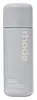
This hydrating essence is formulated around Sodium Hyaluronate and Ceramide NP to hydrate skin and strengthen the skin barrier.
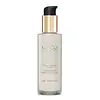
This essence is formulated around Palmitoyl Tripeptide-1 to soften signs of aging and support scar healing.

What's inside
What's inside
 Key Ingredients
Benefits
Concerns
Ingredients Side-by-side
Water
Skin ConditioningC12-15 Alkyl Benzoate
AntimicrobialCoconut Alkanes
Emollient


Glycerin
Humectant


Polyglyceryl-3 Oleate
Emulsifying

Polyglyceryl-10 Mono/Dioleate
Skin ConditioningTocopheryl Acetate
Antioxidant


Sodium Hyaluronate
Humectant


Sodium Hyaluronate Crosspolymer
Humectant
Hydrolyzed Sodium Hyaluronate
Skin Conditioning
Sodium Acetylated Hyaluronate
Humectant
Ceramide NP
Skin Conditioning
Ceramide AP
Skin Conditioning
Ceramide EOP
Skin Conditioning
Beta-Glucan
Skin Conditioning
Copper Gluconate
Skin Conditioning
Magnesium Aspartate
Skin ConditioningOleic Acid
Emollient
Linoleic Acid
Cleansing
Linolenic Acid
Cleansing

Xanthan Gum
EmulsifyingZinc Gluconate
Skin Conditioning



Euterpe Oleracea Sterols
Skin ConditioningPhosphatidylglycerol
Phytosphingosine
Skin Conditioning
Caprylyl Glycol
Emollient
Cholesterol
Emollient
Coco-Caprylate/Caprate
Emollient
PEG-7 Glyceryl Cocoate
Emulsifying
Cetyl Hydroxyethylcellulose
Emulsion StabilisingCarbomer
Emulsion StabilisingSodium Lauroyl Lactylate
EmulsifyingPentylene Glycol
Skin Conditioning
1,2-Hexanediol
Skin Conditioning
Sodium Phytate
ChelatingPhenoxyethanol
Preservative
Ethylhexylglycerin
Skin ConditioningSodium Benzoate
Masking
Chlorphenesin
Antimicrobial
Citric Acid
Buffering
Water, C12-15 Alkyl Benzoate, Coconut Alkanes, Glycerin, Polyglyceryl-3 Oleate, Polyglyceryl-10 Mono/Dioleate, Tocopheryl Acetate, Sodium Hyaluronate, Sodium Hyaluronate Crosspolymer, Hydrolyzed Sodium Hyaluronate, Sodium Acetylated Hyaluronate, Ceramide NP, Ceramide AP, Ceramide EOP, Beta-Glucan, Copper Gluconate, Magnesium Aspartate, Oleic Acid, Linoleic Acid, Linolenic Acid, Xanthan Gum, Zinc Gluconate, Euterpe Oleracea Sterols, Phosphatidylglycerol, Phytosphingosine, Caprylyl Glycol, Cholesterol, Coco-Caprylate/Caprate, PEG-7 Glyceryl Cocoate, Cetyl Hydroxyethylcellulose, Carbomer, Sodium Lauroyl Lactylate, Pentylene Glycol, 1,2-Hexanediol, Sodium Phytate, Phenoxyethanol, Ethylhexylglycerin, Sodium Benzoate, Chlorphenesin, Citric Acid
Sea Silt Extract
Skin ConditioningWater
Skin ConditioningPropanediol
Solvent
Glyceryl Oleate Citrate
Emulsifying
Octyldodecanol
Emollient
Glycerin
Humectant
Hydrogenated Coco-Glycerides
Emollient
Squalane
Emollient
Pearl Powder
Beta-Glucan
Skin Conditioning
Palmitoyl Tripeptide-1
Skin Conditioning

Sr-Hydrozoan Polypeptide-1
Humectant
Berberis Vulgaris Root Extract
AntimicrobialAcer Saccharum Extract
Skin ConditioningBoswellia Carterii Oil
Masking
Gluconolactone
Chelating
Vaccinium Myrtillus Fruit Extract
Skin ConditioningSea Water
HumectantCitrus Aurantium Bergamia Peel Oil
Perfuming


Citrus Aurantium Dulcis Fruit Extract
MaskingCitrus Limon Fruit Extract
Masking
Hydroxyethylcellulose
Emulsion StabilisingLecithin
Emollient
Panthenol
Skin Conditioning
Pelvetia Canaliculata Extract
Skin Protecting
Pentylene Glycol
Skin Conditioning
Potassium Sorbate
Preservative
Saccharum Officinarum Extract
MoisturisingSodium Acrylates Copolymer
Sodium Benzoate
Masking
Sodium Hydroxide
BufferingSodium Phytate
ChelatingBenzyl Alcohol
Perfuming
Calcium Gluconate
HumectantCaprylyl Glycol
Emollient
Citric Acid
Buffering
Dehydroacetic Acid
Preservative
Disodium Phosphate
BufferingHydroxyacetophenone
Antioxidant
Sodium Citrate
BufferingSodium Phosphate
BufferingLimonene
Perfuming
Linalool
Perfuming
Sea Silt Extract, Water, Propanediol, Glyceryl Oleate Citrate, Octyldodecanol, Glycerin, Hydrogenated Coco-Glycerides, Squalane, Pearl Powder, Beta-Glucan, Palmitoyl Tripeptide-1, Sr-Hydrozoan Polypeptide-1, Berberis Vulgaris Root Extract, Acer Saccharum Extract, Boswellia Carterii Oil, Gluconolactone, Vaccinium Myrtillus Fruit Extract, Sea Water, Citrus Aurantium Bergamia Peel Oil, Citrus Aurantium Dulcis Fruit Extract, Citrus Limon Fruit Extract, Hydroxyethylcellulose, Lecithin, Panthenol, Pelvetia Canaliculata Extract, Pentylene Glycol, Potassium Sorbate, Saccharum Officinarum Extract, Sodium Acrylates Copolymer, Sodium Benzoate, Sodium Hydroxide, Sodium Phytate, Benzyl Alcohol, Calcium Gluconate, Caprylyl Glycol, Citric Acid, Dehydroacetic Acid, Disodium Phosphate, Hydroxyacetophenone, Sodium Citrate, Sodium Phosphate, Limonene, Linalool
Reviews
Ingredients Explained
These ingredients are found in both products.
Ingredients higher up in an ingredient list are typically present in a larger amount.
Beta-Glucan is a soluble polysaccharide (a chain of glucose sugars) sourced from the cells walls of oats, baker's yeast, mushrooms, and seaweed.
It's a rare ingredient that pulls double-duty as a heavy-duty hydrator and skin-soothing repair agent.
On the surface, it acts as a humectant that holds water in place and reduces moisture loss for a plumper, smoother feel, while its anti-inflammatory and antioxidant properties make it a great pick for calming redness or sensitive skin
The more interesting story is underneath:
Despite its large molecular size, oat beta-glucan has been shown to penetrate the epidermis and reach the dermis by slipping between skin cells. Here, it interacts with fibroblasts and macrophages to nudge collagen synthesis and support wound repair.
A small 2005 split-face clinical study of 27 subjects found topical beta-glucan produced measurable reductions in wrinkle depth, height, and roughness after 8 weeks of use.
It is worth noting the trial was small and the penetration testing used frozen, irradiated skin so the anti-aging data is encouraging rather than definitive.
This ingredient gets along with pretty much everything and is typically used around 0.1-1%.
Fungal acne: This ingredient is not a food source for the Malassezia yeast because it is a glucose polysaccharide with no fatty acid or ester component.
Learn more about Beta-GlucanCaprylyl Glycol is a humectant, skin conditioner, emollient, and preservative booster derived from either caprylic acid or synthetically created.
Typical use levels vary from 0.3-1% as a preservative booster and go up to 2% to condition skin.
Because it is not a free-fatty acid, this ingredient is fungal acne safe (there's nothing for Malassezia to feed on).
Learn more about Caprylyl GlycolCitric Acid is an alpha hydroxy acid (AHA) naturally found in citrus fruits like oranges, lemons, and limes.
Like other AHAs, citric acid can exfoliate skin by breaking down the bonds that hold dead skin cells together. This helps reveal smoother and brighter skin underneath.
However, this exfoliating effect only happens at high concentrations (20%) which can be hard to find in cosmetic products.
Due to this, citric acid is usually included in small amounts as a pH adjuster. This helps keep products slightly more acidic and compatible with skin's natural pH.
In skincare formulas, citric acid can:
While it can provide some skin benefits, research shows lactic acid and glycolic acid are generally more effective and less irritating exfoliants.
Most citric acid used in skincare today is made by fermenting sugars (usually from molasses). This synthetic version is identical to the natural citrus form but easier to stabilize and use in formulations.
Rosacea skin has a lower threshold for acids generally, with 62.5% of rosacea subjects in one study reacting to lactic acid in a sting test. This is why we mark citric acid as a potential rosacea trigger.
However, this ingredient shows up as a pH adjuster or chelator at roughly 0.1-1% in many products. These low levels are unlikely to be an issue for rosacea skin and becomes a potential trigger at exfoliating concentrations (20%). Because everybody's skin is unique, we recommend a patch test if you are unsure.
Learn more about Citric AcidGlycerin (or glycerol) is a compound naturally found in your skin. It's a powerhouse humectant that pulls water into the stratum corneum.
Topically, glycerin does several things at once:
Your skin makes glycerin on its own (mostly from sebaceous oil breakdown) and shuttles it to your outermost layer of skin, or your epidermis, via aquaporin-3.
Aquaporin-3 is a transporter that is essential for normal skin hydration, elasticity, and repair. Interestingly, mice lacking in AQP3 have dry and less elastic skin that can be fully corrected with glycerin.
This ingredient is non-irritating, plays well with almost every ingredient, and works across all skin types. Typical use is anywhere between 3-10% but can go up to 79% in some leave-on products.
Just know very high concentrations (>40%) can feel tacky in low humidity.
Glycerin is the name for this ingredient in American English. British English uses Glycerol/Glycerine.
Learn more about GlycerinPentylene Glycol (1,2-pentanediol) is a multitasking little diol with three main roles in a formula:
Research on alkanediols (the family pentylene glycol belongs to) show they work by disrupting microbial cell membranes. This disruption helps the primary preservative system in a product work more effectively at lower doses.
On the safety side, the Cosmetic Ingredient Review Expert Panel has concluded this ingredient to be safe as used in current cosmetic practices + concentrations.
Typical use levels in a formula run about 1-5%.
Learn more about Pentylene GlycolSodium Benzoate is a preservative. It's used in both cosmetic and food products to inhibit the growth of mold and bacteria. It is typically produced synthetically.
Both the US FDA and EU Health Committee have approved the use of sodium benzoate. In the US, levels of 0.1% (of the total product) are allowed.
Sodium benzoate works as a preservative by inhibiting the growth of bacteria inside of cells. It prevents the cell from fermenting a type of sugar using an enzyme called phosphofructokinase.
It is the salt of benzoic acid. Foods containing sodium benzoate include soda, salad dressings, condiments, fruit juices, wines, and snack foods.
Studies for using ascorbic acid and sodium benzoate in cosmetics are lacking, especially in skincare routines with multiple steps.
We always recommend speaking with a professional, such as a dermatologist, if you have any concerns.
Learn more about Sodium BenzoateSodium Phytate is the sodium salt of Phytic acid, a compound that plants store phosphorus in. It's the plant-derived alternative to ingredients like Disodium EDTA.
In skincare, this ingredient is a chelator that grabs onto trace metal ions like iron and copper that sneak into formulas through water/raw materials.
Those metals speed up oxidation so binding them keeps oils, fragrance, and actives from going off, stops color changes, and helps the preservative system work harder.
Survey data shows usage levels range from 0.0099%-0.5% in leave-on products, 0.025%-0.3% in rinse-off, and up to 0.05% in eye-area products. Suppliers typically recommend a range between 0.05-0.5%.
Learn more about Sodium PhytateWater. It's the most common cosmetic ingredient of all. You'll usually see it at the top of ingredient lists, meaning that it makes up the largest part of the product.
So why is it so popular? Water most often acts as a solvent - this means that it helps dissolve other ingredients into the formulation.
You'll also recognize water as that liquid we all need to stay alive. If you see this, drink a glass of water. Remember to stay hydrated!
Learn more about Water

