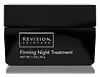
This anti-aging overnight mask is formulated around Palmitoyl Tripeptide-5 and Sodium Hyaluronate to soften the look of wrinkles and hydrate skin.
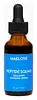
This anti-aging serum is formulated around Niacinamide and Copper Tripeptide-1 to soften the look of wrinkles and strengthen the skin barrier.

What's inside
What's inside
 Key Ingredients
Benefits
Concerns
Ingredients Side-by-side
Water
Skin ConditioningGlycerin
Humectant


Butyrospermum Parkii Butter
Skin Conditioning




Ethylhexyl Stearate
Emollient
Glyceryl Stearate
Emollient
Cetearyl Alcohol
Emollient

Hordeum Distichon Extract
Skin ProtectingCyclopentasiloxane
Emollient
Dimethiconol
Emollient
Cetyl Esters
Emollient
PEG-100 Stearate
Surfactant
Glycereth-2 Cocoate
Emulsifying
Dimethicone
Emollient
Phellodendron Amurense Bark Extract
Skin ConditioningSteareth-10
Emulsifying
Ethylhexyl Cocoate
Emollient
Santalum Album Extract
CleansingPalmitoyl Tripeptide-5
Skin Conditioning


Phenyl Trimethicone
Skin Conditioning
Sodium Hyaluronate
Humectant

Lecithin
Emollient
Glycolipids
Skin ConditioningBisabolol
Antioxidant

Palmitoyl Tetrapeptide-7
Skin Conditioning
Caprylyl Glycol
Emollient
Steareth-20
CleansingRosa Damascena Flower Extract
Masking
Triethanolamine
BufferingPentylene Glycol
Skin Conditioning
Lavandula Angustifolia Flower Extract
Cleansing
Sodium Polyacrylate
Absorbent
Benzoic Acid
Masking
Water, Glycerin, Butyrospermum Parkii Butter, Ethylhexyl Stearate, Glyceryl Stearate, Cetearyl Alcohol, Hordeum Distichon Extract, Cyclopentasiloxane, Dimethiconol, Cetyl Esters, PEG-100 Stearate, Glycereth-2 Cocoate, Dimethicone, Phellodendron Amurense Bark Extract, Steareth-10, Ethylhexyl Cocoate, Santalum Album Extract, Palmitoyl Tripeptide-5, Phenyl Trimethicone, Sodium Hyaluronate, Lecithin, Glycolipids, Bisabolol, Palmitoyl Tetrapeptide-7, Caprylyl Glycol, Steareth-20, Rosa Damascena Flower Extract, Triethanolamine, Pentylene Glycol, Lavandula Angustifolia Flower Extract, Sodium Polyacrylate, Benzoic Acid
Water
Skin ConditioningGlycerin
Humectant
Propanediol
Solvent
Caprylyl Glycol
Emollient
Niacinamide
Smoothing





Panthenol
Skin Conditioning
Simmondsia Chinensis Seed Oil
Emollient
Copper Tripeptide-1
Skin Conditioning
Ceramide EOP
Skin Conditioning
Ceramide NP
Skin Conditioning
Acetyl Hexapeptide-8
Humectant
Ceramide AP
Skin Conditioning
Allantoin
Skin Conditioning
Sodium Hyaluronate
Humectant
Palmitoyl Tripeptide-1
Skin Conditioning
Palmitoyl Tetrapeptide-7
Skin Conditioning
Hydrolyzed Rice Protein
Skin ConditioningAloe Barbadensis Flower Extract
EmollientBisabolol
Antioxidant
Curcuma Longa Root Extract
Antioxidant
Camellia Sinensis Leaf Extract
Antimicrobial
Melia Azadirachta Flower Extract
Skin ConditioningHamamelis Virginiana Water
Astringent
Chondrus Crispus Extract
Skin Conditioning
Glycine
Buffering
Pullulan
Sodium Lactate
Buffering
Coccinia Indica Fruit Extract
Skin Conditioning
Dimethicone
Emollient
Butylene Glycol
Humectant
Polysorbate 20
Emulsifying
Sodium Gluconate
Skin ConditioningMadecassoside
Antioxidant
Hydrolyzed Gardenia Florida Extract
Antioxidant
Phytosphingosine
Skin Conditioning
Corallina Officinalis Extract
Skin Conditioning
Ocimum Sanctum Leaf Extract
Skin ConditioningSodium Lauroyl Lactylate
EmulsifyingSclerotium Gum
Emulsion StabilisingMaltodextrin
Absorbent
Ethylhexylglycerin
Skin ConditioningProline
Skin Conditioning
Xanthan Gum
EmulsifyingSodium PCA
Humectant
Sodium Hydroxide
BufferingLecithin
Emollient
Phenoxyethanol
Preservative
Citric Acid
Buffering
Alcohol
Antimicrobial
Alcohol Denat.
Antimicrobial
Water, Glycerin, Propanediol, Caprylyl Glycol, Niacinamide, Panthenol, Simmondsia Chinensis Seed Oil, Copper Tripeptide-1, Ceramide EOP, Ceramide NP, Acetyl Hexapeptide-8, Ceramide AP, Allantoin, Sodium Hyaluronate, Palmitoyl Tripeptide-1, Palmitoyl Tetrapeptide-7, Hydrolyzed Rice Protein, Aloe Barbadensis Flower Extract, Bisabolol, Curcuma Longa Root Extract, Camellia Sinensis Leaf Extract, Melia Azadirachta Flower Extract, Hamamelis Virginiana Water, Chondrus Crispus Extract, Glycine, Pullulan, Sodium Lactate, Coccinia Indica Fruit Extract, Dimethicone, Butylene Glycol, Polysorbate 20, Sodium Gluconate, Madecassoside, Hydrolyzed Gardenia Florida Extract, Phytosphingosine, Corallina Officinalis Extract, Ocimum Sanctum Leaf Extract, Sodium Lauroyl Lactylate, Sclerotium Gum, Maltodextrin, Ethylhexylglycerin, Proline, Xanthan Gum, Sodium PCA, Sodium Hydroxide, Lecithin, Phenoxyethanol, Citric Acid, Alcohol, Alcohol Denat.
Reviews
Ingredients Explained
These ingredients are found in both products.
Ingredients higher up in an ingredient list are typically present in a larger amount.
Bisabolol is a gentle skin conditioner, antioxidant, and soothing ingredient.
It's primary claim to fame is soothing and research shows topically applied bisabolol can quiet the chemical messengers that cause your skin to become inflamed, helping to sooth any irritation.
A clinical study found that applying 0.5% bisabolol daily for 8 weeks produced an average 9% decrease in skin pigmentation. Researchers found it can also suppress the process that leads to excess melanin production in skin.
In vitro studies found that bisabolol combined with propylene glycol significantly increased skin permeability by increasing lipid fluidity in the stratum corneum.
You'll likely see use concentrations quite low, usually 0.1-0.2%.
Overall, this is a well-tolerated ingredient that works well in formulas designed for sensitive, reactive, or post-procedure skin.
Learn more about BisabololCaprylyl Glycol is a humectant, skin conditioner, emollient, and preservative booster derived from either caprylic acid or synthetically created.
Typical use levels vary from 0.3-1% as a preservative booster and go up to 2% to condition skin.
Because it is not a free-fatty acid, this ingredient is fungal acne safe (there's nothing for Malassezia to feed on).
Learn more about Caprylyl GlycolDimethicone is a type of synthetic silicone created from natural materials such as quartz. It is also known as polydimethylsiloxane.
What it does:
Dimethicone comes in different viscosities:
Depending on the viscosity, dimethicone has different properties.
Ingredients lists don't always show which type is used, so we recommend reaching out to the brand if you have questions about the viscosity.
This ingredient is unlikely to cause irritation because it does not get absorbed into skin. However, people with silicone allergies should be careful about using this ingredient.
Note: Dimethicone may contribute to pilling. This is because it is not oil or water soluble, so pilling may occur when layered with products. When mixed with heavy oils in a formula, the outcome is also quite greasy.
Learn more about DimethiconeGlycerin (or glycerol) is a compound naturally found in your skin. It's a powerhouse humectant that pulls water into the stratum corneum.
Topically, glycerin does several things at once:
Your skin makes glycerin on its own (mostly from sebaceous oil breakdown) and shuttles it to your outermost layer of skin, or your epidermis, via aquaporin-3.
Aquaporin-3 is a transporter that is essential for normal skin hydration, elasticity, and repair. Interestingly, mice lacking in AQP3 have dry and less elastic skin that can be fully corrected with glycerin.
This ingredient is non-irritating, plays well with almost every ingredient, and works across all skin types. Typical use is anywhere between 3-10% but can go up to 79% in some leave-on products.
Just know very high concentrations (>40%) can feel tacky in low humidity.
Glycerin is the name for this ingredient in American English. British English uses Glycerol/Glycerine.
Learn more about GlycerinLecithin is a term for a group of substances found in the cell membranes of plants, animals, and humans. They are made up of phospholipids.
Thanks to its amphiphilic structure (water-loving head and oil-loving tail), it is a true multitasker:
It plays well with most ingredients and is typically used at 0.1-1%. However, concentrations up to 50% have been reported in moisturizers.
Learn more about LecithinPalmitoyl Tetrapeptide-7 (formerly Palmitoyl Tetrapeptide-3) is a synthetic peptide. Its main job is to fight what researchers call "inflammaging".
"Inflammaging" is the slow, low-grade chronic inflammation that quietly breaks down collagen as we age.
This ingredient calms down a specific inflammation signal in your skin cells (called IL-6). When left unchecked, this signal triggers enzymes that break down collagen and elastin.
Clinical testing showed statistically significant improvements in:
Studies also found the more of this ingredient used, the more your skin produces Collagen I, fibronectin, and hyaluronic acid.
You'll likely see this ingredient paired with Palmitoyl Tripeptide-1 in the well-known Matrixyl 3000 complex for enhanced anti-aging effects.
A 3% concentration applied twice daily for two months showed meaningful skin rejuvenation results in clinical panels.
Fungal acne note:
Usually a palmitic acid component can feed Malassezia in unbound form, but here is is covalently bonded to the peptide. This means it is very difficult for Malassezia to access, and therefore very unlikely to cause fungal acne.
Sodium Hyaluronate is the salt form of hyaluronic acid. It is a long sugar chain that is naturally found in your skin, joints, and connective tissue that maintains hydration and elasticity.
In skincare, it works as a humectant. It pulls water from the environment and deeper layers of skin and binds it to the surface.
Interestingly, the size of the molecule affects its behavior:
Some clinical evidence links low molecular weight versions to improved wrinkle depth, elasticity, anti-inflammatory effects, and barrier repair.
Many serums use a blend of both weights so you can get surface hydration plus longer-lasting and deeper effects.
You'll typically see concentrations between 0.1-2% for this ingredient.
Learn more about Sodium HyaluronateWater. It's the most common cosmetic ingredient of all. You'll usually see it at the top of ingredient lists, meaning that it makes up the largest part of the product.
So why is it so popular? Water most often acts as a solvent - this means that it helps dissolve other ingredients into the formulation.
You'll also recognize water as that liquid we all need to stay alive. If you see this, drink a glass of water. Remember to stay hydrated!
Learn more about Water

