

What's inside
What's inside
 Key Ingredients
Benefits
Concerns
Ingredients Side-by-side
Water
Skin ConditioningSodium Laureth Sulfate
Cleansing



Sodium Chloride
MaskingCocamidopropyl Betaine
Cleansing

Dimethicone
Emollient

Parfum
Masking

Sodium Benzoate
Masking
Amodimethicone
Carbomer
Emulsion StabilisingGlycerin
Humectant

Guar Hydroxypropyltrimonium Chloride
Skin ConditioningTrideceth-10
CleansingSalicylic Acid
Masking





Hexylene Glycol
EmulsifyingGlycol Distearate
Emollient
Citric Acid
Buffering
Mica
Cosmetic ColorantSodium Cocoyl Amino Acids
Cleansing
PEG-100 Stearate
Surfactant
Phenoxyethanol
Preservative
Steareth-6
EmulsifyingTrideceth-3
EmulsifyingPotassium Dimethicone PEG-7 Panthenyl Phosphate
Skin Conditioning
CI 77891
Cosmetic ColorantSodium Sarcosinate
Benzyl Alcohol
Perfuming

Propylene Glycol
Humectant
Coumarin
Perfuming
Linalool
Perfuming
PEG-45m
HumectantBenzyl Benzoate
Antimicrobial
Hexyl Cinnamal
Perfuming
Limonene
Perfuming
Aloe Barbadensis Leaf Juice Powder
Skin Conditioning

Arginine
Masking
Hydrolyzed Soy Protein
Humectant
Plukenetia Volubilis Seed Oil
Emollient
Caramel
Cosmetic ColorantAcetic Acid
BufferingFumaric Acid
BufferingHydrolyzed Vegetable Protein Pg-Propyl Silanetriol
Skin ConditioningCereus Grandiflorus Flower Extract
Skin ConditioningOpuntia Ficus-Indica Flower Extract
Skin ConditioningGlucose
Humectant
Lactic Acid
Buffering

Potassium Sorbate
Preservative
Tetrasodium EDTA
ChelatingBHT
Antioxidant
Tocopherol
Antioxidant
Sodium Hydroxide
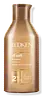
BufferingWater, Sodium Laureth Sulfate, Sodium Chloride, Cocamidopropyl Betaine, Dimethicone, Parfum, Sodium Benzoate, Amodimethicone, Carbomer, Glycerin, Guar Hydroxypropyltrimonium Chloride, Trideceth-10, Salicylic Acid, Hexylene Glycol, Glycol Distearate, Citric Acid, Mica, Sodium Cocoyl Amino Acids, PEG-100 Stearate, Phenoxyethanol, Steareth-6, Trideceth-3, Potassium Dimethicone PEG-7 Panthenyl Phosphate, CI 77891, Sodium Sarcosinate, Benzyl Alcohol, Propylene Glycol, Coumarin, Linalool, PEG-45m, Benzyl Benzoate, Hexyl Cinnamal, Limonene, Aloe Barbadensis Leaf Juice Powder, Arginine, Hydrolyzed Soy Protein, Plukenetia Volubilis Seed Oil, Caramel, Acetic Acid, Fumaric Acid, Hydrolyzed Vegetable Protein Pg-Propyl Silanetriol, Cereus Grandiflorus Flower Extract, Opuntia Ficus-Indica Flower Extract, Glucose, Lactic Acid, Potassium Sorbate, Tetrasodium EDTA, BHT, Tocopherol, Sodium Hydroxide
Water
Skin ConditioningSodium C14-16 Olefin Sulfonate
Cleansing
Cocamidopropyl Betaine
Cleansing
Cocamide Mea
Emulsifying
Parfum
Masking
Coco-Glucoside
Cleansing
Decyl Glucoside
Cleansing
Dipropylene Glycol
HumectantSodium Chloride
MaskingSodium Benzoate
Masking
PPG-3 Caprylyl Ether
Foam BoostingPolyquaternium-10
Caprylyl Glycol
Emollient
Citric Acid
Buffering
Hydroxypropyl Guar Hydroxypropyltrimonium Chloride
Disodium EDTA
ChelatingHydrolyzed Collagen
Emollient
Butylene Glycol
Humectant
Hydrolyzed Silk
Humectant
Aspergillus Ferment
Skin ConditioningArginine
Masking
Glycerin
Humectant
1,2-Hexanediol
Skin Conditioning
Panthenol
Skin Conditioning
Linum Usitatissimum Seed Extract
Perfuming
Salvia Hispanica Seed Extract
Emollient
Polyglyceryl-10 Laurate
Skin Conditioning
Hydrolyzed Keratin
Humectant
Avena Sativa Protein Extract
Skin ConditioningHydrolyzed Corn Protein
Skin ConditioningHydrolyzed Soy Protein
Humectant
Lavandula Angustifolia Extract
Skin Conditioning
Rosmarinus Officinalis Leaf Extract
AntimicrobialChamomilla Recutita Flower Extract
Masking
Monarda Didyma Leaf Extract
Skin ConditioningMentha Piperita Leaf Extract
Skin ConditioningFreesia Refracta Extract
Skin ConditioningBenzyl Alcohol
Perfuming
Xylitol
Humectant
Caprylic Acid
CleansingSilk Amino Acids
HumectantEthyl Hexanediol
SolventCamellia Japonica Seed Oil
Emollient
Argania Spinosa Kernel Oil
Emollient
Ethylhexylglycerin
Skin ConditioningOlea Europaea Fruit Oil
Masking
Macadamia Integrifolia Seed Oil
Skin Conditioning
Helianthus Annuus Seed Oil
Emollient
Hexyl Cinnamal
Perfuming
Limonene
Perfuming
Citronellol
Perfuming
Geraniol
Perfuming
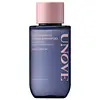
Water, Sodium C14-16 Olefin Sulfonate, Cocamidopropyl Betaine, Cocamide Mea, Parfum, Coco-Glucoside, Decyl Glucoside, Dipropylene Glycol, Sodium Chloride, Sodium Benzoate, PPG-3 Caprylyl Ether, Polyquaternium-10, Caprylyl Glycol, Citric Acid, Hydroxypropyl Guar Hydroxypropyltrimonium Chloride, Disodium EDTA, Hydrolyzed Collagen, Butylene Glycol, Hydrolyzed Silk, Aspergillus Ferment, Arginine, Glycerin, 1,2-Hexanediol, Panthenol, Linum Usitatissimum Seed Extract, Salvia Hispanica Seed Extract, Polyglyceryl-10 Laurate, Hydrolyzed Keratin, Avena Sativa Protein Extract, Hydrolyzed Corn Protein, Hydrolyzed Soy Protein, Lavandula Angustifolia Extract, Rosmarinus Officinalis Leaf Extract, Chamomilla Recutita Flower Extract, Monarda Didyma Leaf Extract, Mentha Piperita Leaf Extract, Freesia Refracta Extract, Benzyl Alcohol, Xylitol, Caprylic Acid, Silk Amino Acids, Ethyl Hexanediol, Camellia Japonica Seed Oil, Argania Spinosa Kernel Oil, Ethylhexylglycerin, Olea Europaea Fruit Oil, Macadamia Integrifolia Seed Oil, Helianthus Annuus Seed Oil, Hexyl Cinnamal, Limonene, Citronellol, Geraniol
Reviews
Ingredients Explained
These ingredients are found in both products.
Ingredients higher up in an ingredient list are typically present in a larger amount.
Arginine is a semi-essential amino acid. This just means our bodies can product a bit on its own, but sometimes needs a little boost from food sources.
It is a part of your skin's natural moisturizing factor (NMF), or the water-loving molecules in your outermost layer of skin (stratum corneum) that keeps everything hydrated and happy.
Here's an interesting thing about Arginine: your skin converts it into urea through the Krebs-Henseleit urea cycle. Urea is one of the most effective humectants your skin naturally produces.
A clinical study showed applying 2.5% arginine hydrochloride to atopic dermatitis skin showed significant urea levels in the stratum corneum and improved moisture in just four weeks.
Arginine is also a precursor to nitric oxide; nitric oxide improves microcirculation and supports wound healing and collagen synthesis.
One study found that an amino acid complex containing Arginine reduced skin irritation, improved hydration, and accelerated skin repair in clinical / in-vivo studies.
Arginine itself is an amino acid and not a fatty acid, oil, or ester. On its own, it's not a direct food source for Malassezia, or the yeast that causes fungal acne.
Learn more about ArginineBenzyl Alcohol is an aromatic alcohol with several roles: it's a preservative, solvent, and mild fragrance component with a floral scent.
This ingredient has been deemed safe for use in cosmetic formulations at concentrations up to 5%, and up to 10% in hair dyes. You'll typically see 0.5-2% in most rinse-off or leave-on products.
As a preservative, it works by disrupting the membrane of microbial proteins. This helps keep bacteria and fungi from growing in your products.
The sensitization picture is actually quite assuring as well:of nearly 71,000 patients patch tested with benzyl alcohol, only 0.21% showed a positive reaction with most of them being weakly positive.
This led researchers to conclude that benzyl alcohol cannot be regarded as a significant contact allergen.
It is worth noting this ingredient is classified as one of the EU's regulated fragrance allergens and restricted to 1% in finished products.
Labels must also declare it in concentrations above 0.001% in leave-on products and 0.01% in rinse-off products.
At concentrations around 5%, localized redness and itching can appear as a direct irritant response and not as a true allergic reaction.
Learn more about Benzyl AlcoholCitric Acid is an alpha hydroxy acid (AHA) naturally found in citrus fruits like oranges, lemons, and limes.
Like other AHAs, citric acid can exfoliate skin by breaking down the bonds that hold dead skin cells together. This helps reveal smoother and brighter skin underneath.
However, this exfoliating effect only happens at high concentrations (20%) which can be hard to find in cosmetic products.
Due to this, citric acid is usually included in small amounts as a pH adjuster. This helps keep products slightly more acidic and compatible with skin's natural pH.
In skincare formulas, citric acid can:
While it can provide some skin benefits, research shows lactic acid and glycolic acid are generally more effective and less irritating exfoliants.
Most citric acid used in skincare today is made by fermenting sugars (usually from molasses). This synthetic version is identical to the natural citrus form but easier to stabilize and use in formulations.
Rosacea skin has a lower threshold for acids generally, with 62.5% of rosacea subjects in one study reacting to lactic acid in a sting test. This is why we mark citric acid as a potential rosacea trigger.
However, this ingredient shows up as a pH adjuster or chelator at roughly 0.1-1% in many products. These low levels are unlikely to be an issue for rosacea skin and becomes a potential trigger at exfoliating concentrations (20%). Because everybody's skin is unique, we recommend a patch test if you are unsure.
Learn more about Citric AcidCocamidopropyl Betaine is a fatty acid created by mixing similar compounds in coconut oil and dimethylaminopropylamine, a compound with two amino groups.
This ingredient is a surfactant and cleanser. It helps gather the dirt, pollutants, and other impurities in your skin to be washed away. It also helps thicken a product and make the texture more creamy.
Being created from coconut oil means Cocamidopropyl Betaine is hydrating for the skin.
While Cocamidopropyl Betaine was believed to be an allergen, a study from 2012 disproved this. It found two compounds in unpure Cocamidopropyl Betaine to be the irritants: aminoamide and 3-dimethylaminopropylamine. High-grade and pure Cocamidopropyl Betaine did not induce allergic reactions during this study.
Learn more about Cocamidopropyl BetaineGlycerin (or glycerol) is a compound naturally found in your skin. It's a powerhouse humectant that pulls water into the stratum corneum.
Topically, glycerin does several things at once:
Your skin makes glycerin on its own (mostly from sebaceous oil breakdown) and shuttles it to your outermost layer of skin, or your epidermis, via aquaporin-3.
Aquaporin-3 is a transporter that is essential for normal skin hydration, elasticity, and repair. Interestingly, mice lacking in AQP3 have dry and less elastic skin that can be fully corrected with glycerin.
This ingredient is non-irritating, plays well with almost every ingredient, and works across all skin types. Typical use is anywhere between 3-10% but can go up to 79% in some leave-on products.
Just know very high concentrations (>40%) can feel tacky in low humidity.
Glycerin is the name for this ingredient in American English. British English uses Glycerol/Glycerine.
Learn more about GlycerinHexyl Cinnamal is a fragrance ingredient with a similar scent to jasmine. It can be naturally found in chamomile essential oil.
This ingredient is a known EU allergen and may sensitize the skin. The EU requires this ingredient to be listed separately on an ingredients list.
Hexyl Cinnamal is not water soluble but is soluble in oils.
Learn more about Hexyl CinnamalHydrolyzed Soy Protein is a water-soluble blend of peptides and amino acids made by breaking down the protein from soybeans into smaller proteins.
It's the most widely used hydrolyzed vegetable protein in cosmetics and it acts mainly as a skin and hair conditioning agent.
The smaller fragments are water-loving so it forms a thin, moisture-retentive film on skin that helps reduce water loss and leaves things feeling softer and smoother.
You'll often see it credited with "firming" or "anti-aging" benefits as well; this claim traces back to lab research like Tokudome et al. (2012). This study added low-molecular-weight soybean peptides to cultured human skin fibroblasts and saw increased type I collagen gene expression + collagen content.
The caveat is that this is in-vitro and oral-peptide research so the only solid, well-established role for the topical ingredient is skin conditioning.
Typical use concentrations go up to 3.5% in mascara but this ingredient is typically used at low levels well under 1%.
It has a reassuring safety profile as well; it's not a skin irritant in testing up to 20% and has limited skin penetration due to its large size and water-loving nature.
Anyone with a known soy allergy should definitely patch test or skip this ingredient. There's also a single case of a soy-containing product aggravating rosacea via protein contact dermatitis, but this is very rare.
Learn more about Hydrolyzed Soy ProteinLimonene is the compound that gives citrus peel its smell.
In skincare, it shows up as a standalone fragrance ingredient or as a natural compound of citrus and other essential oils.
You'll typically see this ingredient used in very small amounts; anything above 0.001% in a leave-on product or 0.01% in a rinse-off has to be named on the label in the EU. The citrus oils that carry it sit around 0.5-1% in a finished formula.
Fresh limonene is a weak allergen; the real issue is that it slowly reacts with air and then breaks down from oxidation to create hydroperoxides (which are strong sensitizers). This is why suppliers are required to keep the peroxide value below 20 mmol.
Positive reactions in people being investigated for eczema vary:
It's worth skipping if you have a known fragrance allergy or a compromised barrier, but the risk is low for most people.
Older or long-opened products are also more likely to bother you than fresh ones due to oxidation.
Learn more about LimoneneParfum is a catch-all term for an ingredient or more that is used to give a scent to products.
Also called "fragrance", this ingredient can be a blend of hundreds of chemicals or plant oils. This means every product with "fragrance" or "parfum" in the ingredients list is a different mixture.
For instance, Habanolide is a proprietary trade name for a specific aroma chemical. When used as a fragrance ingredient in cosmetics, most aroma chemicals fall under the broad labeling category of “FRAGRANCE” or “PARFUM” according to EU and US regulations.
The term 'parfum' or 'fragrance' is not regulated in many countries. In many cases, it is up to the brand to define this term.
For instance, many brands choose to label themselves as "fragrance-free" because they are not using synthetic fragrances. However, their products may still contain ingredients such as essential oils that are considered a fragrance by INCI standards.
One example is Calendula flower extract. Calendula is an essential oil that still imparts a scent or 'fragrance'.
Depending on the blend, the ingredients in the mixture can cause allergies and sensitivities on the skin. Some ingredients that are known EU allergens include linalool and citronellol.
Parfum can also be used to mask or cover an unpleasant scent.
The bottom line is: not all fragrances/parfum/ingredients are created equally. If you are worried about fragrances, we recommend taking a closer look at an ingredient. And of course, we always recommend speaking with a professional.
Learn more about ParfumSodium Benzoate is a preservative. It's used in both cosmetic and food products to inhibit the growth of mold and bacteria. It is typically produced synthetically.
Both the US FDA and EU Health Committee have approved the use of sodium benzoate. In the US, levels of 0.1% (of the total product) are allowed.
Sodium benzoate works as a preservative by inhibiting the growth of bacteria inside of cells. It prevents the cell from fermenting a type of sugar using an enzyme called phosphofructokinase.
It is the salt of benzoic acid. Foods containing sodium benzoate include soda, salad dressings, condiments, fruit juices, wines, and snack foods.
Studies for using ascorbic acid and sodium benzoate in cosmetics are lacking, especially in skincare routines with multiple steps.
We always recommend speaking with a professional, such as a dermatologist, if you have any concerns.
Learn more about Sodium BenzoateChances are, you eat sodium chloride every day. Sodium Chloride is also known as table salt. This ingredient has many purposes in skincare: thickener, emulsifier, and exfoliator.
You'll most likely find this ingredient in cleansers where it is used to create a gel-like texture. As an emulsifier, it also prevents ingredients from separating.
You might see people debate whether Sodium Chloride is comedogenic, but there actually haven't been any comedogenic tests done on it. Either way, the overall formulation of a product matters a lot more than any single ingredient.
You might see this ingredient used in scrubs as a primary exfoliating ingredient.
Learn more about Sodium ChlorideWater. It's the most common cosmetic ingredient of all. You'll usually see it at the top of ingredient lists, meaning that it makes up the largest part of the product.
So why is it so popular? Water most often acts as a solvent - this means that it helps dissolve other ingredients into the formulation.
You'll also recognize water as that liquid we all need to stay alive. If you see this, drink a glass of water. Remember to stay hydrated!
Learn more about Water

