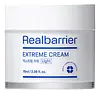
This barrier-repair moisturizer is formulated around Panthenol and Squalane to strengthen the skin barrier and hydrate skin.
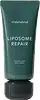
This barrier-repair moisturizer is formulated around Urea and Copper Tripeptide-1 to strengthen the skin barrier and hydrate skin.

What's inside
What's inside
 Key Ingredients
Benefits
Concerns
Ingredients Side-by-side
Water
Skin ConditioningMethylpropanediol
SolventCaprylic/Capric Triglyceride
Masking


Cyclopentasiloxane
Emollient
Myristoyl/Palmitoyl Oxostearamide/Arachamide Mea
Skin ConditioningPanthenol
Skin Conditioning


Sorbitan Stearate
Emulsifying

Cetearyl Alcohol
Emollient



Hydroxyethyl Urea
Humectant
Squalane
Emollient
Glyceryl Stearate Citrate
Emollient
1,2-Hexanediol
Skin Conditioning
Canola Oil
Emollient
Glycerin
Humectant
Sodium Acrylic Acid/Ma Copolymer
Caprylyl Glycol
Emollient
Arginine
Masking
Allantoin
Skin Conditioning
Carbomer
Emulsion StabilisingTocopherol
Antioxidant



Butylene Glycol
Humectant
Dihydroxyisopropyl Palmoylpalmamide
HumectantPhytosterols
Skin Conditioning
Xanthan Gum
EmulsifyingHelianthus Annuus Seed Oil
Emollient
Methyl Caproate
Emollient

Ectoin
Skin Conditioning
Propanediol
Solvent
Sodium Hyaluronate
Humectant
Sodium Hyaluronate Crosspolymer
Humectant
Hydrolyzed Glycosaminoglycans
HumectantBis-Capryloyloxypalmitamido Isopropanol
EmollientMadecassoside
Antioxidant
Hydrolyzed Hyaluronic Acid
Humectant
Pogostemon Cablin Leaf Oil
Masking

Salvia Officinalis Oil
Masking
Benzyl Glycol
SolventHydroxypropyltrimonium Hyaluronate
Elettaria Cardamomum Seed Oil
Masking
Anthemis Nobilis Flower Oil
Masking
Mentha Arvensis Leaf Oil
Masking
Beta-Glucan
Skin Conditioning
Linoleic Acid
Cleansing
Juniperus Mexicana Oil
Masking
Sodium Acetylated Hyaluronate
Humectant
Ethylhexylglycerin
Skin ConditioningHyaluronic Acid
Humectant
Raspberry Ketone
Masking
Water, Methylpropanediol, Caprylic/Capric Triglyceride, Cyclopentasiloxane, Myristoyl/Palmitoyl Oxostearamide/Arachamide Mea, Panthenol, Sorbitan Stearate, Cetearyl Alcohol, Hydroxyethyl Urea, Squalane, Glyceryl Stearate Citrate, 1,2-Hexanediol, Canola Oil, Glycerin, Sodium Acrylic Acid/Ma Copolymer, Caprylyl Glycol, Arginine, Allantoin, Carbomer, Tocopherol, Butylene Glycol, Dihydroxyisopropyl Palmoylpalmamide, Phytosterols, Xanthan Gum, Helianthus Annuus Seed Oil, Methyl Caproate, Ectoin, Propanediol, Sodium Hyaluronate, Sodium Hyaluronate Crosspolymer, Hydrolyzed Glycosaminoglycans, Bis-Capryloyloxypalmitamido Isopropanol, Madecassoside, Hydrolyzed Hyaluronic Acid, Pogostemon Cablin Leaf Oil, Salvia Officinalis Oil, Benzyl Glycol, Hydroxypropyltrimonium Hyaluronate, Elettaria Cardamomum Seed Oil, Anthemis Nobilis Flower Oil, Mentha Arvensis Leaf Oil, Beta-Glucan, Linoleic Acid, Juniperus Mexicana Oil, Sodium Acetylated Hyaluronate, Ethylhexylglycerin, Hyaluronic Acid, Raspberry Ketone
Water
Skin ConditioningCyclopentasiloxane
Emollient
Propylene Glycol Dicaprylate/Dicaprate
EmollientCaprylic/Capric Triglyceride
Masking
Urea
Buffering
Di-C12-13 Alkyl Malate
EmollientDiisostearyl Malate
EmollientGlycerin
Humectant
Dipropylene Glycol
HumectantButylene Glycol
Humectant
Dimethicone
Emollient
Polyglyceryl-6 Polyricinoleate
Emulsifying
PEG-10 Dimethicone
Skin Conditioning
Cyclohexasiloxane
Emollient
Adenosine
Skin Conditioning
Acetyl Hexapeptide-8
Humectant
Copper Tripeptide-1
Skin Conditioning
Ceramide NP
Skin Conditioning
Panthenol
Skin Conditioning
Vitis Vinifera Fruit Cell Extract
Skin ConditioningAnastatica Hierochuntica Extract
AstringentFerulic Acid
Antimicrobial
Phaseolus Radiatus Seed Extract
Skin ConditioningBeta-Glucan
Skin Conditioning
Tocopherol
Antioxidant
Glyceryl Glucoside
Humectant
Glucose
Humectant
Ethylhexylglycerin
Skin ConditioningRumex Crispus Root Extract
Skin ConditioningButyrospermum Parkii Butter
Skin Conditioning
Betula Platyphylla Japonica Bark Extract
Skin ConditioningCitrus Paradisi Fruit Extract
Skin ConditioningSodium Chloride
MaskingTri-C14-15 Alkyl Citrate
EmollientPropylene Carbonate
SolventHydrogenated Lecithin
Emulsifying
Lecithin
Emollient
Disodium EDTA
Chelating1,2-Hexanediol
Skin Conditioning
Caprylhydroxamic Acid
ChelatingDisteardimonium Hectorite
StabilisingParfum
Masking
Benzyl Benzoate
Antimicrobial
Benzyl Salicylate
Perfuming
Citronellol
Perfuming
Limonene
Perfuming
Hexyl Cinnamal
Perfuming
Butylphenyl Methylpropional
Perfuming
Linalool
Perfuming
Water, Cyclopentasiloxane, Propylene Glycol Dicaprylate/Dicaprate, Caprylic/Capric Triglyceride, Urea, Di-C12-13 Alkyl Malate, Diisostearyl Malate, Glycerin, Dipropylene Glycol, Butylene Glycol, Dimethicone, Polyglyceryl-6 Polyricinoleate, PEG-10 Dimethicone, Cyclohexasiloxane, Adenosine, Acetyl Hexapeptide-8, Copper Tripeptide-1, Ceramide NP, Panthenol, Vitis Vinifera Fruit Cell Extract, Anastatica Hierochuntica Extract, Ferulic Acid, Phaseolus Radiatus Seed Extract, Beta-Glucan, Tocopherol, Glyceryl Glucoside, Glucose, Ethylhexylglycerin, Rumex Crispus Root Extract, Butyrospermum Parkii Butter, Betula Platyphylla Japonica Bark Extract, Citrus Paradisi Fruit Extract, Sodium Chloride, Tri-C14-15 Alkyl Citrate, Propylene Carbonate, Hydrogenated Lecithin, Lecithin, Disodium EDTA, 1,2-Hexanediol, Caprylhydroxamic Acid, Disteardimonium Hectorite, Parfum, Benzyl Benzoate, Benzyl Salicylate, Citronellol, Limonene, Hexyl Cinnamal, Butylphenyl Methylpropional, Linalool
Reviews
Ingredients Explained
These ingredients are found in both products.
Ingredients higher up in an ingredient list are typically present in a larger amount.
1,2-Hexanediol is a synthetic liquid and another multi-functional powerhouse.
It is a:
- Humectant, drawing moisture into the skin
- Emollient, helping to soften skin
- Solvent, dispersing and stabilizing formulas
- Preservative booster, enhancing the antimicrobial activity of other preservatives
Beta-Glucan is a soluble polysaccharide (a chain of glucose sugars) sourced from the cells walls of oats, baker's yeast, mushrooms, and seaweed.
It's a rare ingredient that pulls double-duty as a heavy-duty hydrator and skin-soothing repair agent.
On the surface, it acts as a humectant that holds water in place and reduces moisture loss for a plumper, smoother feel, while its anti-inflammatory and antioxidant properties make it a great pick for calming redness or sensitive skin
The more interesting story is underneath:
Despite its large molecular size, oat beta-glucan has been shown to penetrate the epidermis and reach the dermis by slipping between skin cells. Here, it interacts with fibroblasts and macrophages to nudge collagen synthesis and support wound repair.
A small 2005 split-face clinical study of 27 subjects found topical beta-glucan produced measurable reductions in wrinkle depth, height, and roughness after 8 weeks of use.
It is worth noting the trial was small and the penetration testing used frozen, irradiated skin so the anti-aging data is encouraging rather than definitive.
This ingredient gets along with pretty much everything and is typically used around 0.1-1%.
Fungal acne: This ingredient is not a food source for the Malassezia yeast because it is a glucose polysaccharide with no fatty acid or ester component.
Learn more about Beta-GlucanButylene Glycol (or BG) is used within cosmetic products for a few different reasons:
Overall, Butylene Glycol is a safe and well-rounded ingredient that works well with other ingredients.
Though this ingredient works well with most skin types, some people with sensitive skin may experience a reaction such as allergic rashes, closed comedones, or itchiness.
Learn more about Butylene GlycolCaprylic/Capric Triglyceride (aka MCT Oil) is a lightweight emollient, solvent, and texture enhancer. It is considered a skin-softener by helping to prevent moisture loss.
Though it behaves like an oil, it is not technically one due to its chemical composition. One perk of this ingredient is that it is very stable, resistant to oxidation, and unlikely to go rancid.
In practice, that translates to a long shelf life and a consistently elegant skin feel.
While there is an assumption Caprylic Triglyceride can clog pores due to it being derived from coconut oil, there is no research supporting this. Just patch test if you have concerns.
Fractionated coconut oil and MCT Oil are both listed as Caprylic/Capric Triglyceride according to INCI. This is because INCI names are based on the ingredient’s final chemical composition and not its marketing name or source.
This ingredient is treated as the gold standard fungal acne safe oil. Even though it is coconut derived, the problematic lauric acid is stripped out.
This leaves just caprylic (C8) and capric (C10) acid. These chain lengths actually trend antifungal; a 2020 study found caprylic acid was enough to disrupt Malassezia furfur cell membrane, with a caprylic acid derivative damaging membrane structures at concentrations as low as 0.2%.
Learn more about Caprylic/Capric TriglycerideCyclopentasiloxane (D5) is a lightweight silicone that mostly acts as an emollient and solvent in cosmetics. Its the reason your products feel silky, fast-spreading, and non-greasy.
Since D5 is volatile, it does its thing and then evaporates off the skin quickly.
The safety profile of this ingredient is reassuring; the US CIR Expert Panel concluded D5 is safe as used in cosmetics and Health Canada concluded that D5 is not harmful to human health or the environment as currently used in cosmetics
There's a study that people mention about D5 in a rat study showing tumors. This study is related to long-term inhalation of high D5 levels.
Regulatory bodies have judged this study to be not applicable in topical skincare since skin absorption of D5 is very low and we're not really inhaling huge amounts of D5.
The only restriction for this ingredient is environmental. The European Chemicals Agency (ECHA) restricted D5 in wash-off cosmetics at or above 0.1% due to their persistence in water.
Learn more about CyclopentasiloxaneEthylhexylglycerin is created from glycerin. It is a multitasker ingredient that:
The CIR Expert Panel found minimal skin absorption or sensitization of any kind in a safety assessment. Though this ingredient is considered well-tolerated, a small number of cases of allergic dermatitis have been published since 2002. Just be sure to patch test if you are unsure.
Industry-reported use ranges from 8% in rinse-off products and 2% in leave-on formulations.
Learn more about EthylhexylglycerinGlycerin (or glycerol) is a compound naturally found in your skin. It's a powerhouse humectant that pulls water into the stratum corneum.
Topically, glycerin does several things at once:
Your skin makes glycerin on its own (mostly from sebaceous oil breakdown) and shuttles it to your outermost layer of skin, or your epidermis, via aquaporin-3.
Aquaporin-3 is a transporter that is essential for normal skin hydration, elasticity, and repair. Interestingly, mice lacking in AQP3 have dry and less elastic skin that can be fully corrected with glycerin.
This ingredient is non-irritating, plays well with almost every ingredient, and works across all skin types. Typical use is anywhere between 3-10% but can go up to 79% in some leave-on products.
Just know very high concentrations (>40%) can feel tacky in low humidity.
Glycerin is the name for this ingredient in American English. British English uses Glycerol/Glycerine.
Learn more about GlycerinPanthenol is a common ingredient that helps hydrate and soothe the skin. It is found naturally in our skin and hair.
There are two forms of panthenol: D and L.
D-panthenol is also known as dexpanthenol. Most cosmetics use dexpanthenol or a mixture of D and L-panthenol.
Panthenol is famous due to its ability to go deeper into the skin's layers. Using this ingredient has numerous pros (and no cons):
Like hyaluronic acid, panthenol is a humectant. Humectants are able to bind and hold large amounts of water to keep skin hydrated.
This ingredient works well for wound healing. It works by increasing tissue in the wound and helps close open wounds.
Once oxidized, panthenol converts to pantothenic acid. Panthothenic acid is found in all living cells.
This ingredient is also referred to as pro-vitamin B5.
Learn more about PanthenolTocopherol is a fat-soluble antioxidant known as Vitamin E.
You'll find this ingredient in the vast majority of skincare (for good reason). It works to neutralize free radicals, or unstable molecules generated by UV exposure, pollution, and other environmental stressors, before they can cause oxidative damage to your skin cells.
Topically applied tocopherol has been shown to protect against UV damage by ramping up the skin's own natural defense enzymes.
It also acts as a skin conditioning agent; some studies show that regular topical use can improve the skin's water-binding capacity over 2-4 weeks.
This ingredient is especially loved for being a team player. When combined with Vitamin C, the photoprotective effect of both ingredients roughly doubles and the combo also helps reduce UV-induced DNA damage.
This ingredient has some brightening potential but it's more of a prevention ingredient than spot-fader. Cell studies show it can slow down melanin production but it's worth noting that it's not the most powerful brightener out there.
In formulations, it also serves as a stabilizer that helps protect other oxidation-prone ingredients from degrading.
Concentrations usually range from 0.1-1% in most leave-on products.
Learn more about TocopherolWater. It's the most common cosmetic ingredient of all. You'll usually see it at the top of ingredient lists, meaning that it makes up the largest part of the product.
So why is it so popular? Water most often acts as a solvent - this means that it helps dissolve other ingredients into the formulation.
You'll also recognize water as that liquid we all need to stay alive. If you see this, drink a glass of water. Remember to stay hydrated!
Learn more about Water


