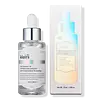
This brightening serum is formulated around Galactomyces Ferment Filtrate and Niacinamide to brighten dull-looking skin and fade the look of dark spots.
This brightening serum is formulated around Ascorbic Acid and Centella Asiatica Extract to brighten dull-looking skin and fade the look of dark spots.


What's inside
What's inside
 Key Ingredients
Benefits
Concerns
Ingredients Side-by-side
Galactomyces Ferment Filtrate
Humectant







Niacinamide
Smoothing






Butylene Glycol
Humectant
Diglycerin
Humectant
Ascorbyl Glucoside
Antioxidant

3-O-Ethyl Ascorbic Acid
Skin Conditioning
Ascorbic Acid
Antioxidant
Trisodium Ascorbyl Palmitate Phosphate
Antioxidant
Magnesium Ascorbyl Phosphate
Antioxidant
Ceramide NP
Skin Conditioning
Betaine
Humectant
Centella Asiatica Extract
Cleansing
Scutellaria Baicalensis Root Extract
Astringent
Polygonum Cuspidatum Root Extract
Antioxidant
Glycyrrhiza Glabra Root Extract
Bleaching
Camellia Sinensis Leaf Extract
Antimicrobial
Rosmarinus Officinalis Leaf Extract
AntimicrobialChamomilla Recutita Flower Extract
Masking
Phellodendron Amurense Bark Extract
Skin ConditioningTripropylene Glycol
Antioxidant
Hydrogenated Lecithin
Emulsifying
Phytosterols
Skin Conditioning
PEG-60 Hydrogenated Castor Oil
Emulsifying
Ethylhexylglycerin
Skin Conditioning1,2-Hexanediol
Skin Conditioning
Potassium Hydroxide
BufferingCitric Acid
Buffering
Sodium Citrate
BufferingEtidronic Acid
ChelatingWater
Skin ConditioningSodium Metabisulfite
Antioxidant
Lavandula Angustifolia Oil
Masking



Citrus Limon Peel Oil
Masking

Citrus Aurantifolia Oil
Cleansing
Lemongrass Oil
Juniperus Communis Fruit Oil
Masking
Rosmarinus Officinalis Leaf Oil
Masking
Galactomyces Ferment Filtrate, Niacinamide, Butylene Glycol, Diglycerin, Ascorbyl Glucoside, 3-O-Ethyl Ascorbic Acid, Ascorbic Acid, Trisodium Ascorbyl Palmitate Phosphate, Magnesium Ascorbyl Phosphate, Ceramide NP, Betaine, Centella Asiatica Extract, Scutellaria Baicalensis Root Extract, Polygonum Cuspidatum Root Extract, Glycyrrhiza Glabra Root Extract, Camellia Sinensis Leaf Extract, Rosmarinus Officinalis Leaf Extract, Chamomilla Recutita Flower Extract, Phellodendron Amurense Bark Extract, Tripropylene Glycol, Hydrogenated Lecithin, Phytosterols, PEG-60 Hydrogenated Castor Oil, Ethylhexylglycerin, 1,2-Hexanediol, Potassium Hydroxide, Citric Acid, Sodium Citrate, Etidronic Acid, Water, Sodium Metabisulfite, Lavandula Angustifolia Oil, Citrus Limon Peel Oil, Citrus Aurantifolia Oil, Lemongrass Oil, Juniperus Communis Fruit Oil, Rosmarinus Officinalis Leaf Oil
Water
Skin ConditioningPropylene Glycol
Humectant
Ascorbic Acid
Antioxidant
Hydroxyethylcellulose
Emulsion StabilisingCitrus Junos Fruit Extract
Skin ConditioningCentella Asiatica Extract
Cleansing
Polysorbate 60
Emulsifying
Illicium Verum Fruit Extract
Perfuming
Chaenomeles Sinensis Fruit Extract
Antioxidant
Paeonia Suffruticosa Root Extract
Skin ProtectingBrassica Oleracea Italica Extract
AstringentNelumbium Speciosum Flower Extract
Skin ConditioningCitrus Paradisi Fruit Extract
Skin ConditioningScutellaria Baicalensis Root Extract
Astringent
Butylene Glycol
Humectant
Glycerin
Humectant
Citrus Aurantium Dulcis Oil
Masking
1,2-Hexanediol
Skin Conditioning
Sodium Acrylate/Sodium Acryloyldimethyl Taurate Copolymer
Emulsion StabilisingIsohexadecane
EmollientDisodium EDTA
ChelatingLavandula Angustifolia Oil
Masking
Camellia Sinensis Callus Culture Extract
Perfuming
Polysorbate 80
Emulsifying
Disodium Phosphate
BufferingSorbitan Oleate
Emulsifying
Chrysanthellum Indicum Extract
Skin Conditioning
Asarum Sieboldii Root Extract
Skin ConditioningQuercus Mongolica Leaf Extract
Skin ConditioningPersicaria Hydropiper Extract
Skin ConditioningLarix Europaea Wood Extract
HumectantMagnolia Obovata Bark Extract
Skin ConditioningRheum Palmatum Root Extract
Astringent
Corydalis Turtschaninovii Root Extract
Skin ConditioningCoptis Chinensis Root Extract
Antioxidant
Sodium Phosphate
BufferingLysine Hcl
Skin Conditioning
Sodium Ascorbyl Phosphate
Antioxidant
Acetyl Methionine
Skin Conditioning
Theanine
EmollientProline
Skin Conditioning
Lecithin
Emollient
Acetyl Glutamine
Skin ConditioningBacillus/Folic Acid/Soybean Ferment Extract
Skin ConditioningSodium Hyaluronate
Humectant
Sh-Oligopeptide-1
Skin Conditioning
Sh-Oligopeptide-2
Skin Conditioning
Sh-Polypeptide-1
Skin Conditioning
Sh-Polypeptide-11
Sh-Polypeptide-9
Skin Conditioning
Caprylyl Glycol
Emollient
Limonene
Perfuming
Water, Propylene Glycol, Ascorbic Acid, Hydroxyethylcellulose, Citrus Junos Fruit Extract, Centella Asiatica Extract, Polysorbate 60, Illicium Verum Fruit Extract, Chaenomeles Sinensis Fruit Extract, Paeonia Suffruticosa Root Extract, Brassica Oleracea Italica Extract, Nelumbium Speciosum Flower Extract, Citrus Paradisi Fruit Extract, Scutellaria Baicalensis Root Extract, Butylene Glycol, Glycerin, Citrus Aurantium Dulcis Oil, 1,2-Hexanediol, Sodium Acrylate/Sodium Acryloyldimethyl Taurate Copolymer, Isohexadecane, Disodium EDTA, Lavandula Angustifolia Oil, Camellia Sinensis Callus Culture Extract, Polysorbate 80, Disodium Phosphate, Sorbitan Oleate, Chrysanthellum Indicum Extract, Asarum Sieboldii Root Extract, Quercus Mongolica Leaf Extract, Persicaria Hydropiper Extract, Larix Europaea Wood Extract, Magnolia Obovata Bark Extract, Rheum Palmatum Root Extract, Corydalis Turtschaninovii Root Extract, Coptis Chinensis Root Extract, Sodium Phosphate, Lysine Hcl, Sodium Ascorbyl Phosphate, Acetyl Methionine, Theanine, Proline, Lecithin, Acetyl Glutamine, Bacillus/Folic Acid/Soybean Ferment Extract, Sodium Hyaluronate, Sh-Oligopeptide-1, Sh-Oligopeptide-2, Sh-Polypeptide-1, Sh-Polypeptide-11, Sh-Polypeptide-9, Caprylyl Glycol, Limonene
Reviews
Ingredients Explained
These ingredients are found in both products.
Ingredients higher up in an ingredient list are typically present in a larger amount.
1,2-Hexanediol is a synthetic liquid and another multi-functional powerhouse.
It is a:
- Humectant, drawing moisture into the skin
- Emollient, helping to soften skin
- Solvent, dispersing and stabilizing formulas
- Preservative booster, enhancing the antimicrobial activity of other preservatives
Ascorbic Acid is is pure Vitamin C and is the biologically active form used directly by skin.
Not only is vitamin C great for your overall health and immune system, but it also has plenty of benefits for your skin. It is best supported by academic literature for:
Topical vitamin C has been shown to help neutralize oxidative stress from UV and pollution, helping to improve photoaging and hyperpigmentation when used consistently.
One clinical study found that using 5% topical vitamin C for six months improved signs of photodamaged skin, both on the surface and in the deeper structural layers of the skin.
While vitamin C doesn’t replace sunscreen, studies show it can boost photoprotection when combined with Vitamin E and ferulic acid. These two ingredients help improve stability and protective effects.
The big downside of this ingredient is formulation difficulty. Vitamin C is prone to oxidation and doesn't penetrate the skin unless formulated correctly. Research found that vitamin C absorbs into the skin best at a low pH (< 3.5) with about 20% being the upper limit for effective absorption.
Skin levels can saturate after repeated application; this means your skin won’t keep absorbing more once it’s full of vitamin C. This is why more isn’t always better with vitamin C and why very high concentrations don’t necessarily give extra benefits.
Ascorbic acid generally works well with many skincare ingredients but can be irritating when combined with other active ingredients. Strong oxidizing acne treatments like benzoyl peroxide can reduce the effectiveness of vitamin C if they are used at the same time; they are often recommended for use at different times of day.
Read more about other types of Vitamin C:
Foods rich with vitamin C include oranges, strawberries, broccoli, bell peppers, and more. When consuming Vitamin C, your skin receives a portion of the nutrients.
Learn more about Ascorbic AcidButylene Glycol (or BG) is used within cosmetic products for a few different reasons:
Overall, Butylene Glycol is a safe and well-rounded ingredient that works well with other ingredients.
Though this ingredient works well with most skin types, some people with sensitive skin may experience a reaction such as allergic rashes, closed comedones, or itchiness.
Learn more about Butylene GlycolCentella Asiatica Extract (Centella) is one of the most researched botanical extracts in skincare with decades of studies backing its effects on inflammation, collagen, and the skin barrier.
That research keeps pointing back to the same four triterpenoid saponins: Asiaticoside, Madecassoside, Asiatic Acid, and Madecassic Acid.
These compounds allow centella to dial back inflammation, encourage the skin to build and hold onto collagen, support the barrier and hydration, and bring solid antioxidant activity to protect against signs of aging.
Centella also carries a nice supporting cast of Vitamin A, vitamin C, several B vitamins, and amino acids. Put it all together and you get an ingredient that soothes, hydrates, and protects, all at once.
Most of centella's magic comes from the four big compounds (Asiaticoside, Madecassoside, Asiatic Acid, and Madecassic Acid). These are the actives doing the heavy lifting in almost every centella study.
Here is the short version of what they do in the skin:
So it is not just soothing for the sake of soothing. Centella calms the skin AND helps it rebuild.
Just FYI, not all centella on an ingredient list is the same. What you are getting actually depends on the extract:
Fun fact on the ratios: the leaves tend to be richest in Madecassoside and Asiaticoside, and lower in the two acids. The exact amounts shift with where the plant is grown and how it is processed. This means purity really does vary brand to brand.
Centella is one of the most easygoing actives out there.
It layers well with basically everything: niacinamide, hyaluronic acid, peptides, and vitamin C, and also pairs nicely with stronger actives like retinoids and exfoliating acids where it can help take the edge off irritation.
On the safety side, centella and its triterpenes are classified as weak sensitizers, meaning allergic reactions are possible but uncommon.
Patch tests at 1% and 5% came back negative in test panels, and creams at typical use levels did not cause allergic reactions across large groups of people.
But as with any new active, a patch test is still a smart move for very reactive skin.
Centella is widely used because it is effective at low percentages. For context, human safety testing found no meaningful irritation from creams containing centella extract at everyday use levels (the tested amounts were well under 1%).
The irritancy threshold in animal testing was also above 30% (so real-world formulas sit far below anything concerning).
In collagen lab studies, higher concentrations drove more collagen synthesis, so serums built around centella tend to feature it more prominently.
Bottom line: you will find centella working nicely anywhere from a fraction of a percent up to hero-ingredient levels depending on whether it is a supporting soother or the main event.
Fun fact: Centella has been used as a medicine and in food for many centuries. As a medicine, it is used to treat burns, scratches, and wounds.
Learn more about Centella Asiatica ExtractLavandula Angustifolia Oil is more commonly known as lavender essential oil. It is considered a fragrancing ingredient.
Lavender imparts a famous scent. While the smell is lovely, this ingredient and may sensitize skin in topical products. This is because about 85% of the oil is made up of linalool and linalyl acetate.
When exposed to air, these two compounds become strong allergens. This ingredient exhibits cytotoxicity at low concentrations; amounts of 0.25% have been shown to damage skin cells.
A study from Japan found this ingredient caused lavender sensitivity after widespread exposure.
Lavender essential oil has some antimicrobial, antibacterial, and anti-inflammatory properties. However, the cons of this ingredient may outweight the pros.
More research is needed to confirm lavender essential oil's effects when used in aromatherapy.
Lavandula Angustifolia is known as the English Lavender and famous for creating purple fields in Provence, France.
Learn more about Lavandula Angustifolia OilScutellaria Baicalensis Root Extract comes from the Baikal skullcap or Chinese skullcap plant. This plant is native to Northeast Asia and can be found in China, Mongolia, Korea, and Siberia.
In cosmetics, Scutellaria Baicalensis Root Extract provides antioxidant and anti-inflammatory benefits. This is due to the flavonoid composition of Scutellaria Baicalensis Root Extract.
In Chinese traditional folk medicine, Scutellaria Baicalensis Root Extract is used to help treat lung issues and hypertension.
Learn more about Scutellaria Baicalensis Root ExtractWater. It's the most common cosmetic ingredient of all. You'll usually see it at the top of ingredient lists, meaning that it makes up the largest part of the product.
So why is it so popular? Water most often acts as a solvent - this means that it helps dissolve other ingredients into the formulation.
You'll also recognize water as that liquid we all need to stay alive. If you see this, drink a glass of water. Remember to stay hydrated!
Learn more about Water

