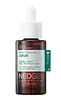
This brightening serum is formulated around Sodium Ascorbyl Phosphate and Niacinamide to brighten dull-looking skin and fade the look of dark spots.
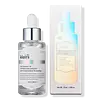
This brightening serum is formulated around Ascorbic Acid and Centella Asiatica Extract to brighten dull-looking skin and fade the look of dark spots.

What's inside
What's inside
 Key Ingredients
Benefits
Concerns
Ingredients Side-by-side
Water
Skin ConditioningSodium Ascorbyl Phosphate 10%
Antioxidant







Isopentyldiol
Humectant
1,2-Hexanediol
Skin Conditioning
Niacinamide
Smoothing





Dipropylene Glycol
HumectantButylene Glycol
Humectant
Malpighia Emarginata Fruit Extract
Skin ConditioningCitrus Unshiu Peel Extract
MaskingCitrus Aurantifolia Fruit Extract
Skin ConditioningCitrus Limon Fruit Extract
Masking
Brassica Oleracea Italica Extract
AstringentHippophae Rhamnoides Extract
MaskingCitrus Aurantium Dulcis Fruit Extract
MaskingCitrus Paradisi Fruit Extract
Skin ConditioningAscorbic Acid
Antioxidant
Citric Acid
Buffering

Octyldodeceth-16
EmulsifyingXanthan Gum
EmulsifyingCitrus Aurantium Bergamia Fruit Oil
Masking


Sodium Metabisulfite
Antioxidant
Ethylhexylglycerin
Skin ConditioningCoptis Japonica Extract
AntimicrobialDextrin
AbsorbentTheobroma Cacao Extract
Skin ConditioningSodium Hyaluronate
Humectant
Tocopheryl Acetate
Antioxidant
Panthenol
Skin Conditioning
Disodium EDTA
ChelatingLimonene
Perfuming

Linalool
Perfuming
Water, Sodium Ascorbyl Phosphate 10%, Isopentyldiol, 1,2-Hexanediol, Niacinamide, Dipropylene Glycol, Butylene Glycol, Malpighia Emarginata Fruit Extract, Citrus Unshiu Peel Extract, Citrus Aurantifolia Fruit Extract, Citrus Limon Fruit Extract, Brassica Oleracea Italica Extract, Hippophae Rhamnoides Extract, Citrus Aurantium Dulcis Fruit Extract, Citrus Paradisi Fruit Extract, Ascorbic Acid, Citric Acid, Octyldodeceth-16, Xanthan Gum, Citrus Aurantium Bergamia Fruit Oil, Sodium Metabisulfite, Ethylhexylglycerin, Coptis Japonica Extract, Dextrin, Theobroma Cacao Extract, Sodium Hyaluronate, Tocopheryl Acetate, Panthenol, Disodium EDTA, Limonene, Linalool
Water
Skin ConditioningPropylene Glycol
Humectant
Ascorbic Acid
Antioxidant
Hydroxyethylcellulose
Emulsion StabilisingCitrus Junos Fruit Extract
Skin ConditioningCentella Asiatica Extract
Cleansing
Polysorbate 60
Emulsifying
Illicium Verum Fruit Extract
Perfuming
Chaenomeles Sinensis Fruit Extract
Antioxidant
Paeonia Suffruticosa Root Extract
Skin ProtectingBrassica Oleracea Italica Extract
AstringentNelumbium Speciosum Flower Extract
Skin ConditioningCitrus Paradisi Fruit Extract
Skin ConditioningScutellaria Baicalensis Root Extract
Astringent
Butylene Glycol
Humectant
Glycerin
Humectant
Citrus Aurantium Dulcis Oil
Masking
1,2-Hexanediol
Skin Conditioning
Sodium Acrylate/Sodium Acryloyldimethyl Taurate Copolymer
Emulsion StabilisingIsohexadecane
EmollientDisodium EDTA
ChelatingLavandula Angustifolia Oil
Masking
Camellia Sinensis Callus Culture Extract
Perfuming
Polysorbate 80
Emulsifying
Disodium Phosphate
BufferingSorbitan Oleate
Emulsifying
Chrysanthellum Indicum Extract
Skin Conditioning
Asarum Sieboldii Root Extract
Skin ConditioningQuercus Mongolica Leaf Extract
Skin ConditioningPersicaria Hydropiper Extract
Skin ConditioningLarix Europaea Wood Extract
HumectantMagnolia Obovata Bark Extract
Skin ConditioningRheum Palmatum Root Extract
Astringent
Corydalis Turtschaninovii Root Extract
Skin ConditioningCoptis Chinensis Root Extract
Antioxidant
Sodium Phosphate
BufferingLysine Hcl
Skin Conditioning
Sodium Ascorbyl Phosphate
Antioxidant
Acetyl Methionine
Skin Conditioning
Theanine
EmollientProline
Skin Conditioning
Lecithin
Emollient
Acetyl Glutamine
Skin ConditioningBacillus/Folic Acid/Soybean Ferment Extract
Skin ConditioningSodium Hyaluronate
Humectant
Sh-Oligopeptide-1
Skin Conditioning
Sh-Oligopeptide-2
Skin Conditioning
Sh-Polypeptide-1
Skin Conditioning
Sh-Polypeptide-11
Sh-Polypeptide-9
Skin Conditioning
Caprylyl Glycol
Emollient
Limonene
Perfuming
Water, Propylene Glycol, Ascorbic Acid, Hydroxyethylcellulose, Citrus Junos Fruit Extract, Centella Asiatica Extract, Polysorbate 60, Illicium Verum Fruit Extract, Chaenomeles Sinensis Fruit Extract, Paeonia Suffruticosa Root Extract, Brassica Oleracea Italica Extract, Nelumbium Speciosum Flower Extract, Citrus Paradisi Fruit Extract, Scutellaria Baicalensis Root Extract, Butylene Glycol, Glycerin, Citrus Aurantium Dulcis Oil, 1,2-Hexanediol, Sodium Acrylate/Sodium Acryloyldimethyl Taurate Copolymer, Isohexadecane, Disodium EDTA, Lavandula Angustifolia Oil, Camellia Sinensis Callus Culture Extract, Polysorbate 80, Disodium Phosphate, Sorbitan Oleate, Chrysanthellum Indicum Extract, Asarum Sieboldii Root Extract, Quercus Mongolica Leaf Extract, Persicaria Hydropiper Extract, Larix Europaea Wood Extract, Magnolia Obovata Bark Extract, Rheum Palmatum Root Extract, Corydalis Turtschaninovii Root Extract, Coptis Chinensis Root Extract, Sodium Phosphate, Lysine Hcl, Sodium Ascorbyl Phosphate, Acetyl Methionine, Theanine, Proline, Lecithin, Acetyl Glutamine, Bacillus/Folic Acid/Soybean Ferment Extract, Sodium Hyaluronate, Sh-Oligopeptide-1, Sh-Oligopeptide-2, Sh-Polypeptide-1, Sh-Polypeptide-11, Sh-Polypeptide-9, Caprylyl Glycol, Limonene
Reviews
Ingredients Explained
These ingredients are found in both products.
Ingredients higher up in an ingredient list are typically present in a larger amount.
1,2-Hexanediol is a synthetic liquid and another multi-functional powerhouse.
It is a:
- Humectant, drawing moisture into the skin
- Emollient, helping to soften skin
- Solvent, dispersing and stabilizing formulas
- Preservative booster, enhancing the antimicrobial activity of other preservatives
Ascorbic Acid is is pure Vitamin C and is the biologically active form used directly by skin.
Not only is vitamin C great for your overall health and immune system, but it also has plenty of benefits for your skin. It is best supported by academic literature for:
Topical vitamin C has been shown to help neutralize oxidative stress from UV and pollution, helping to improve photoaging and hyperpigmentation when used consistently.
One clinical study found that using 5% topical vitamin C for six months improved signs of photodamaged skin, both on the surface and in the deeper structural layers of the skin.
While vitamin C doesn’t replace sunscreen, studies show it can boost photoprotection when combined with Vitamin E and ferulic acid. These two ingredients help improve stability and protective effects.
The big downside of this ingredient is formulation difficulty. Vitamin C is prone to oxidation and doesn't penetrate the skin unless formulated correctly. Research found that vitamin C absorbs into the skin best at a low pH (< 3.5) with about 20% being the upper limit for effective absorption.
Skin levels can saturate after repeated application; this means your skin won’t keep absorbing more once it’s full of vitamin C. This is why more isn’t always better with vitamin C and why very high concentrations don’t necessarily give extra benefits.
Ascorbic acid generally works well with many skincare ingredients but can be irritating when combined with other active ingredients. Strong oxidizing acne treatments like benzoyl peroxide can reduce the effectiveness of vitamin C if they are used at the same time; they are often recommended for use at different times of day.
Read more about other types of Vitamin C:
Foods rich with vitamin C include oranges, strawberries, broccoli, bell peppers, and more. When consuming Vitamin C, your skin receives a portion of the nutrients.
Learn more about Ascorbic AcidYou might know Brassica Oleracea Italica as Broccoli. Broccoli is rich in antioxidants.
Broccoli extract is rich in antioxidants. Antioxidants help fight free-radical molecules. These unstable molecules may damage your skin cells. By helping to stabilize them, antioxidants may help with anti-aging. Beta-carotene, vitamin A, and vitamin C are three types of antioxidants found in broccoli.
Broccoli is also rich in fatty acids such as oleic and linoleic acids.
Brassica Oleracea Italica Extract can be extracted from any part of the broccoli plant.
Learn more about Brassica Oleracea Italica ExtractButylene Glycol (or BG) is used within cosmetic products for a few different reasons:
Overall, Butylene Glycol is a safe and well-rounded ingredient that works well with other ingredients.
Though this ingredient works well with most skin types, some people with sensitive skin may experience a reaction such as allergic rashes, closed comedones, or itchiness.
Learn more about Butylene GlycolWe don't have a description for Citrus Paradisi Fruit Extract yet.
Disodium EDTA is a chelating agent. It grabs onto and deactivates metal ions that sneak into your products from water, packaging, or air.
This ingredient mainly works behind the scenes and helps with:
On top of that, this ingredient can counteract the effects of hard water by binding to the minerals in it.
One thing worth knowing is that Disodium EDTA has been shown to be a mild penetration enhancer. It can help other ingredients absorb into skin more effectively which can be a double-edged sword (great for actives, but can also make the active too strong if you have sensitive skin).
Clinical patch testing showed no significant skin irritation at typical use concentrations and minimal dermal absorption.
You'll most likely see this ingredient near the end of an ingredient list. It's typically found in concentrations less than 1%.
Learn more about Disodium EDTALimonene is the compound that gives citrus peel its smell.
In skincare, it shows up as a standalone fragrance ingredient or as a natural compound of citrus and other essential oils.
You'll typically see this ingredient used in very small amounts; anything above 0.001% in a leave-on product or 0.01% in a rinse-off has to be named on the label in the EU. The citrus oils that carry it sit around 0.5-1% in a finished formula.
Fresh limonene is a weak allergen; the real issue is that it slowly reacts with air and then breaks down from oxidation to create hydroperoxides (which are strong sensitizers). This is why suppliers are required to keep the peroxide value below 20 mmol.
Positive reactions in people being investigated for eczema vary:
It's worth skipping if you have a known fragrance allergy or a compromised barrier, but the risk is low for most people.
Older or long-opened products are also more likely to bother you than fresh ones due to oxidation.
Learn more about LimoneneSodium Ascorbyl Phosphate (SAP) is a water-soluble form of Vitamin C. It is the salt of ascorbic acid.
This ingredient is commonly used in skincare because it's more formulation-stable while still offering the same benefits as pure ascorbic acid. Ascorbic acid is notorious for breaking down when exposed to sunlight and oxygen whereas SAP has been shown to be more stable.
Studies show SAP has anti-acne and antioxidant benefits. One study found 5% of SAP lotion to be an effective ingredient for treating acne vulgaris. This is because research shows that SAP may help control acne by reducing acne-causing bacteria and slowing the oxidation of skin oils caused by UV exposure.
In addition to acne, vitamin C is important for skin structure. Lab studies suggest SAP may support collagen production in skin cells, making it a great ingredient in anti-aging routines.
Vitamin C has many benefits: it helps reduce redness, improve skin texture, fade the appearance of dark spots, and brighten the skin.
Read more about other types of Vitamin C:
Learn more about Sodium Ascorbyl PhosphateSodium Hyaluronate is the salt form of hyaluronic acid. It is a long sugar chain that is naturally found in your skin, joints, and connective tissue that maintains hydration and elasticity.
In skincare, it works as a humectant. It pulls water from the environment and deeper layers of skin and binds it to the surface.
Interestingly, the size of the molecule affects its behavior:
Some clinical evidence links low molecular weight versions to improved wrinkle depth, elasticity, anti-inflammatory effects, and barrier repair.
Many serums use a blend of both weights so you can get surface hydration plus longer-lasting and deeper effects.
You'll typically see concentrations between 0.1-2% for this ingredient.
Learn more about Sodium HyaluronateWater. It's the most common cosmetic ingredient of all. You'll usually see it at the top of ingredient lists, meaning that it makes up the largest part of the product.
So why is it so popular? Water most often acts as a solvent - this means that it helps dissolve other ingredients into the formulation.
You'll also recognize water as that liquid we all need to stay alive. If you see this, drink a glass of water. Remember to stay hydrated!
Learn more about Water

