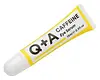
This anti-aging eye moisturizer is formulated around Caffeine and Camellia Sinensis Leaf Extract to soften the look of wrinkles and calm redness.
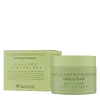
This barrier-repair moisturizer is formulated around Persea Gratissima Oil and Panthenol to strengthen the skin barrier and hydrate skin.


What's inside
What's inside
 Key Ingredients
Benefits
Concerns
Ingredients Side-by-side
Water
Skin ConditioningPropylene Glycol
Humectant


Betaine
Humectant

Pentylene Glycol
Skin Conditioning
Caffeine
Skin Conditioning
Cucumis Sativus Fruit Water
Skin ConditioningCollagen
Moisturising
Biosaccharide Gum-1
Humectant
Camellia Sinensis Leaf Extract
Antimicrobial




Punica Granatum Extract
AstringentLonicera Caprifolium Flower Extract
Perfuming
Lonicera Japonica Flower Extract
Skin ConditioningLactobacillus Ferment Filtrate
Skin ConditioningLeuconostoc/Radish Root Ferment Filtrate
Antimicrobial
Sodium Phytate
ChelatingGlycerin
Humectant
Lactobacillus Ferment
Skin Conditioning
Xanthan Gum
EmulsifyingAlcohol
Antimicrobial


Sodium Levulinate
Skin ConditioningGlyceryl Caprylate
EmollientSodium Anisate
AntimicrobialLactic Acid
Buffering


Water, Propylene Glycol, Betaine, Pentylene Glycol, Caffeine, Cucumis Sativus Fruit Water, Collagen, Biosaccharide Gum-1, Camellia Sinensis Leaf Extract, Punica Granatum Extract, Lonicera Caprifolium Flower Extract, Lonicera Japonica Flower Extract, Lactobacillus Ferment Filtrate, Leuconostoc/Radish Root Ferment Filtrate, Sodium Phytate, Glycerin, Lactobacillus Ferment, Xanthan Gum, Alcohol, Sodium Levulinate, Glyceryl Caprylate, Sodium Anisate, Lactic Acid
Water
Skin ConditioningPersea Gratissima Oil
Skin Conditioning

Coco-Caprylate/Caprate
Emollient
Olea Europaea Fruit Oil
Masking
Polyglyceryl-3 Distearate
Emulsifying
Panthenol
Skin Conditioning
Propanediol
Solvent
Glycerin
Humectant
Betaine
Humectant
Trehalose
Humectant
Cetearyl Alcohol
Emollient

Sorbitol
Humectant
Persea Gratissima Fruit Extract
EmollientCeramide AP
Skin Conditioning
Ceramide NP
Skin Conditioning
Ceramide EOP
Skin Conditioning
Hyaluronic Acid
Humectant
Hydrolyzed Hyaluronic Acid
Humectant
Sodium Hyaluronate
Humectant
Sodium Hyaluronate Crosspolymer
Humectant
Cholesterol
Emollient
Phytosphingosine
Skin Conditioning
Allantoin
Skin Conditioning
Inulin
Skin Conditioning
Cellulose
Absorbent
Fructose
Humectant
Glucose
Humectant
Maltodextrin
Absorbent
Hydrolyzed Glycosaminoglycans
HumectantTocopheryl Acetate
Antioxidant
Sodium Cetearyl Sulfate
Cleansing
Tetrasodium Glutamate Diacetate
ChelatingSodium Levulinate
Skin ConditioningPolyglyceryl-10 Stearate
Skin Conditioning
Polyglyceryl-6 Behenate
Emulsion Stabilising
Glyceryl Stearate Citrate
Emollient
Xanthan Gum
EmulsifyingCellulose Gum
Emulsion StabilisingBiosaccharide Gum-1
Humectant
Parfum
Masking
Triethyl Citrate
Masking
Benzyl Glycol
SolventBehenic Acid
Cleansing
Citric Acid
Buffering
Ethylhexylglycerin
Skin ConditioningGlyceryl Stearate
Emollient
Sodium Benzoate
Masking
Sodium Sulfate
Sodium Hydroxide
BufferingRaspberry Ketone
Masking
Potassium Sorbate
Preservative
Amyl Cinnamal
Perfuming
CI 19140
Cosmetic ColorantCI 42090
Cosmetic ColorantWater, Persea Gratissima Oil, Coco-Caprylate/Caprate, Olea Europaea Fruit Oil, Polyglyceryl-3 Distearate, Panthenol, Propanediol, Glycerin, Betaine, Trehalose, Cetearyl Alcohol, Sorbitol, Persea Gratissima Fruit Extract, Ceramide AP, Ceramide NP, Ceramide EOP, Hyaluronic Acid, Hydrolyzed Hyaluronic Acid, Sodium Hyaluronate, Sodium Hyaluronate Crosspolymer, Cholesterol, Phytosphingosine, Allantoin, Inulin, Cellulose, Fructose, Glucose, Maltodextrin, Hydrolyzed Glycosaminoglycans, Tocopheryl Acetate, Sodium Cetearyl Sulfate, Tetrasodium Glutamate Diacetate, Sodium Levulinate, Polyglyceryl-10 Stearate, Polyglyceryl-6 Behenate, Glyceryl Stearate Citrate, Xanthan Gum, Cellulose Gum, Biosaccharide Gum-1, Parfum, Triethyl Citrate, Benzyl Glycol, Behenic Acid, Citric Acid, Ethylhexylglycerin, Glyceryl Stearate, Sodium Benzoate, Sodium Sulfate, Sodium Hydroxide, Raspberry Ketone, Potassium Sorbate, Amyl Cinnamal, CI 19140, CI 42090
Reviews
Ingredients Explained
These ingredients are found in both products.
Ingredients higher up in an ingredient list are typically present in a larger amount.
Betaine is a humectant. Like hyaluronic acid, it helps attract and retain moisture in the skin. It’s known for being gentle and for helping the skin maintain balanced hydration.
Betaine is mainly used to improve hydration and support calmer skin. It helps skin cells regulate water balance because it functions as an osmolyte.
Some studies suggest betaine may support making skin tone more even.
Fun fact: Betaine naturally exists in the skin and the body. In cosmetic products, it can be either plant-derived (most commonly from sugar beets) or synthetically produced for consistency and stability.
Betaine is also known as trimethylglycine.
Learn more about BetaineBiosaccharide Gum-1 is a sugar created by fermenting sorbitol (which usually comes from potato starch!). It is known for its soothing and moisturizing properties.
Manufacturer tests show this ingredient helped reduce irritation from lactic acid by almost half and kept skin hydrated long-term as a humectant
Beyond hydration, Biosaccharide Gum-1 gives formulas a silky, non-sticky feel.
This ingredient is gentle, versatile, and suitable for all skin types.
Fun fact: Similar sugars can be found naturally in fruits like apples and pears.
Learn more about Biosaccharide Gum-1Glycerin (or glycerol) is a compound naturally found in your skin. It's a powerhouse humectant that pulls water into the stratum corneum.
Topically, glycerin does several things at once:
Your skin makes glycerin on its own (mostly from sebaceous oil breakdown) and shuttles it to your outermost layer of skin, or your epidermis, via aquaporin-3.
Aquaporin-3 is a transporter that is essential for normal skin hydration, elasticity, and repair. Interestingly, mice lacking in AQP3 have dry and less elastic skin that can be fully corrected with glycerin.
This ingredient is non-irritating, plays well with almost every ingredient, and works across all skin types. Typical use is anywhere between 3-10% but can go up to 79% in some leave-on products.
Just know very high concentrations (>40%) can feel tacky in low humidity.
Glycerin is the name for this ingredient in American English. British English uses Glycerol/Glycerine.
Learn more about GlycerinSodium levulinate is the a sodium salt of Levulinic Acid. Oncedissolved in an aqueous solution, the two ingredients become identical. It is usually derived from renewable plant sources like corn starch or sugarcane.
In skincare, it mostly acts as a skin conditioning agent that keeps skin soft and hydrated. It also acts as a preservative booster by inhibiting the growth of mold, yeast, and bacteria.
It's often paired with Sodium Anisate as the two create a broad-spectrum preservative system that is popular in "natural" formulations.
This ingredient is water-soluble.
The CIR Expert Panel for Cosmetic Ingredient Safety has concluded this ingredient to be non-irritated and there are no restrictions for use in EU cosmetics. The FDA also allows this ingredient to be used as a food-grade flavoring agent.
Learn more about Sodium LevulinateWater. It's the most common cosmetic ingredient of all. You'll usually see it at the top of ingredient lists, meaning that it makes up the largest part of the product.
So why is it so popular? Water most often acts as a solvent - this means that it helps dissolve other ingredients into the formulation.
You'll also recognize water as that liquid we all need to stay alive. If you see this, drink a glass of water. Remember to stay hydrated!
Learn more about WaterXanthan gum is used as a stabilizer and thickener within cosmetic products. It helps give products a sticky, thick feeling - preventing them from being too runny.
On the technical side of things, xanthan gum is a polysaccharide - a combination consisting of multiple sugar molecules bonded together.
Xanthan gum is a pretty common and great ingredient. It is a natural, non-toxic, non-irritating ingredient that is also commonly used in food products.
Learn more about Xanthan Gum

