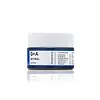
This anti-aging eye moisturizer is formulated around Retinol and Glycyrrhiza Glabra Root Extract to soften the look of wrinkles and refine skin texture.
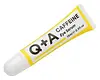
This anti-aging eye moisturizer is formulated around Caffeine and Camellia Sinensis Leaf Extract to soften the look of wrinkles and calm redness.

What's inside
What's inside
 Key Ingredients
Benefits
Concerns
Ingredients Side-by-side
Water
Skin ConditioningCaprylic/Capric Triglyceride
Masking


Propanediol
Solvent
Glycerin
Humectant
C14-22 Alcohols
Emulsion Stabilising
Butyrospermum Parkii Butter
Skin Conditioning




Hydroxyethyl Acrylate/Sodium Acryloyldimethyl Taurate Copolymer
Emulsion StabilisingRetinol
Skin Conditioning








Codium Fragile Extract
Skin Conditioning
Glycyrrhiza Glabra Root Extract
Bleaching

Euphrasia Officinalis Extract
AntimicrobialSimmondsia Chinensis Seed Oil
Emollient
Tocopherol
Antioxidant

Phosphatidylcholine
EmulsifyingHelianthus Annuus Seed Oil
Emollient
Sorbitan Isostearate
Emulsifying
Lonicera Japonica Flower Extract
Skin ConditioningLonicera Caprifolium Flower Extract
Perfuming
Glucose
Humectant
Tocopheryl Acetate
Antioxidant
Caprylyl Glycol
Emollient
Pentylene Glycol
Skin Conditioning
Xanthan Gum
EmulsifyingPolyglyceryl-10 Laurate
Skin Conditioning
Coco-Caprylate/Caprate
Emollient
Polysorbate 60
Emulsifying
C12-20 Alkyl Glucoside
EmulsifyingCetyl Alcohol
Emollient
Potassium Sorbate
Preservative
Sodium Benzoate
Masking
Sodium Hydroxide
BufferingCitric Acid
Buffering
Water, Caprylic/Capric Triglyceride, Propanediol, Glycerin, C14-22 Alcohols, Butyrospermum Parkii Butter, Hydroxyethyl Acrylate/Sodium Acryloyldimethyl Taurate Copolymer, Retinol, Codium Fragile Extract, Glycyrrhiza Glabra Root Extract, Euphrasia Officinalis Extract, Simmondsia Chinensis Seed Oil, Tocopherol, Phosphatidylcholine, Helianthus Annuus Seed Oil, Sorbitan Isostearate, Lonicera Japonica Flower Extract, Lonicera Caprifolium Flower Extract, Glucose, Tocopheryl Acetate, Caprylyl Glycol, Pentylene Glycol, Xanthan Gum, Polyglyceryl-10 Laurate, Coco-Caprylate/Caprate, Polysorbate 60, C12-20 Alkyl Glucoside, Cetyl Alcohol, Potassium Sorbate, Sodium Benzoate, Sodium Hydroxide, Citric Acid
Water
Skin ConditioningPropylene Glycol
Humectant
Betaine
Humectant
Pentylene Glycol
Skin Conditioning
Caffeine
Skin Conditioning
Cucumis Sativus Fruit Water
Skin ConditioningCollagen
Moisturising
Biosaccharide Gum-1
Humectant
Camellia Sinensis Leaf Extract
Antimicrobial
Punica Granatum Extract
AstringentLonicera Caprifolium Flower Extract
Perfuming
Lonicera Japonica Flower Extract
Skin ConditioningLactobacillus Ferment Filtrate
Skin ConditioningLeuconostoc/Radish Root Ferment Filtrate
Antimicrobial
Sodium Phytate
ChelatingGlycerin
Humectant
Lactobacillus Ferment
Skin Conditioning
Xanthan Gum
EmulsifyingAlcohol
Antimicrobial

Sodium Levulinate
Skin ConditioningGlyceryl Caprylate
EmollientSodium Anisate
AntimicrobialLactic Acid
Buffering
Water, Propylene Glycol, Betaine, Pentylene Glycol, Caffeine, Cucumis Sativus Fruit Water, Collagen, Biosaccharide Gum-1, Camellia Sinensis Leaf Extract, Punica Granatum Extract, Lonicera Caprifolium Flower Extract, Lonicera Japonica Flower Extract, Lactobacillus Ferment Filtrate, Leuconostoc/Radish Root Ferment Filtrate, Sodium Phytate, Glycerin, Lactobacillus Ferment, Xanthan Gum, Alcohol, Sodium Levulinate, Glyceryl Caprylate, Sodium Anisate, Lactic Acid
Reviews
Ingredients Explained
These ingredients are found in both products.
Ingredients higher up in an ingredient list are typically present in a larger amount.
Glycerin (or glycerol) is a compound naturally found in your skin. It's a powerhouse humectant that pulls water into the stratum corneum.
Topically, glycerin does several things at once:
Your skin makes glycerin on its own (mostly from sebaceous oil breakdown) and shuttles it to your outermost layer of skin, or your epidermis, via aquaporin-3.
Aquaporin-3 is a transporter that is essential for normal skin hydration, elasticity, and repair. Interestingly, mice lacking in AQP3 have dry and less elastic skin that can be fully corrected with glycerin.
This ingredient is non-irritating, plays well with almost every ingredient, and works across all skin types. Typical use is anywhere between 3-10% but can go up to 79% in some leave-on products.
Just know very high concentrations (>40%) can feel tacky in low humidity.
Glycerin is the name for this ingredient in American English. British English uses Glycerol/Glycerine.
Learn more about GlycerinThis Honeysuckle flower extract comes from the Italian honeysuckle. It is an antioxidant, antimicrobial, and fragrance.
Both this and the Japanese Honeysuckle are rich in a natural paraben that give it antimicrobial property. They are effective in inhibiting bacteria, yeast, and mold.
Honeysuckle contains flavonoids and saponins. Both of these components are natural antioxidants that can help soothe the skin.
As most flowers do, honeysuckle has a natural fragrance.
Learn more about Lonicera Caprifolium Flower ExtractLonicera Japonica Flower Extract comes from the honeysuckle flower.
Honeysuckles have skin protecting, anti-viral, and anti-inflammatory properties. It contains many antioxidants, such as luteolin, caffeic acid, loniflavone, and chlorogenic acids.
This honeysuckle is native to East Asia and used in traditional Chinese medicine to treat fever and inflammation.
Learn more about Lonicera Japonica Flower ExtractPentylene Glycol (1,2-pentanediol) is a multitasking little diol with three main roles in a formula:
Research on alkanediols (the family pentylene glycol belongs to) show they work by disrupting microbial cell membranes. This disruption helps the primary preservative system in a product work more effectively at lower doses.
On the safety side, the Cosmetic Ingredient Review Expert Panel has concluded this ingredient to be safe as used in current cosmetic practices + concentrations.
Typical use levels in a formula run about 1-5%.
Learn more about Pentylene GlycolWater. It's the most common cosmetic ingredient of all. You'll usually see it at the top of ingredient lists, meaning that it makes up the largest part of the product.
So why is it so popular? Water most often acts as a solvent - this means that it helps dissolve other ingredients into the formulation.
You'll also recognize water as that liquid we all need to stay alive. If you see this, drink a glass of water. Remember to stay hydrated!
Learn more about WaterXanthan gum is used as a stabilizer and thickener within cosmetic products. It helps give products a sticky, thick feeling - preventing them from being too runny.
On the technical side of things, xanthan gum is a polysaccharide - a combination consisting of multiple sugar molecules bonded together.
Xanthan gum is a pretty common and great ingredient. It is a natural, non-toxic, non-irritating ingredient that is also commonly used in food products.
Learn more about Xanthan Gum

