Pond's Bright Miracle Ultra Light Biome Gel Gentle Cleanser Versus Pond's Bright Miracle Ultimate Clarity Niasorcinol Facial Foam
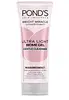
This mild gel cleanser is made to cleanse while respecting your skin barrier.
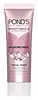
This ammonium lactate cream cleanser is formulated around Ammonium Lactate to exfoliate and smooth skin.

What's inside
What's inside
 Key Ingredients
Benefits
Concerns
Ingredients Side-by-side
Water
Skin ConditioningSodium Cocoyl Glycinate
Cleansing
Glycerin
Humectant


Hydroxypropyl Starch Phosphate
Sodium Lauroamphoacetate
CleansingAcrylates Copolymer
Sodium Chloride
MaskingDecyl Glucoside
Cleansing
Niacinamide
Smoothing









4-Ethylresorcinol
AntimicrobialSaccharide Isomerate
Humectant
Panthenol
Skin Conditioning
Ceramide EOP
Skin Conditioning
Ceramide NP
Skin Conditioning
Ceramide AP
Skin Conditioning
Phytosphingosine
Skin Conditioning
Acetyl Dipeptide-1 Cetyl Ester
Skin Conditioning
Sodium Hyaluronate
Humectant
Sodium Hyaluronate Crosspolymer
Humectant
Hydrolyzed Sodium Hyaluronate
Skin Conditioning
Sodium Acetylated Hyaluronate
Humectant
Lauramidopropyl Betaine
CleansingPhenoxyethanol
Preservative
Caprylyl Glycol
Emollient
Coconut Acid
Cleansing

Sodium Carbonate
BufferingPolyquaternium-6
Citric Acid
Buffering
PEG-150 Distearate
Emulsifying
Stearic Acid
Cleansing
Tetrasodium EDTA
ChelatingBenzophenone-4
UV Absorber
BHT
Antioxidant
Sodium Hydroxide
BufferingTocopheryl Acetate
Antioxidant
Butylene Glycol
Humectant
Sodium Lauroyl Lactylate
EmulsifyingSodium Sulfate
Pentylene Glycol
Skin Conditioning
Sorbitan Laurate
Emulsifying
Hydroxyethylcellulose
Emulsion StabilisingSodium Citrate
BufferingXanthan Gum
EmulsifyingCarbomer
Emulsion StabilisingEthylhexylglycerin
Skin ConditioningCholesterol
Emollient
Parfum
Masking



CI 14700
Cosmetic ColorantCI 17200
Cosmetic ColorantWater, Sodium Cocoyl Glycinate, Glycerin, Hydroxypropyl Starch Phosphate, Sodium Lauroamphoacetate, Acrylates Copolymer, Sodium Chloride, Decyl Glucoside, Niacinamide, 4-Ethylresorcinol, Saccharide Isomerate, Panthenol, Ceramide EOP, Ceramide NP, Ceramide AP, Phytosphingosine, Acetyl Dipeptide-1 Cetyl Ester, Sodium Hyaluronate, Sodium Hyaluronate Crosspolymer, Hydrolyzed Sodium Hyaluronate, Sodium Acetylated Hyaluronate, Lauramidopropyl Betaine, Phenoxyethanol, Caprylyl Glycol, Coconut Acid, Sodium Carbonate, Polyquaternium-6, Citric Acid, PEG-150 Distearate, Stearic Acid, Tetrasodium EDTA, Benzophenone-4, BHT, Sodium Hydroxide, Tocopheryl Acetate, Butylene Glycol, Sodium Lauroyl Lactylate, Sodium Sulfate, Pentylene Glycol, Sorbitan Laurate, Hydroxyethylcellulose, Sodium Citrate, Xanthan Gum, Carbomer, Ethylhexylglycerin, Cholesterol, Parfum, CI 14700, CI 17200
Water
Skin ConditioningCyclopentasiloxane
Emollient
Glycerin
Humectant
Caprylyl Methicone
Skin Conditioning
Caprylic/Capric Triglyceride
Masking
Dimethicone Crosspolymer
Emulsion Stabilising
Dimethicone
Emollient
Potassium Chloride
PEG-10 Dimethicone
Skin Conditioning
Sucrose Distearate
Emollient
Titanium Dioxide
Cosmetic Colorant
Acrylates Crosspolymer
AbsorbentStearyl Dimethicone
Emollient
Parfum
Masking
Stearic Acid
Cleansing
Magnesium Sulfate
Cholesterol
Emollient
Disteardimonium Hectorite
StabilisingDMDM Hydantoin
Preservative
Octadecane
Emollient
Isomerized Linoleic Acid
Skin Conditioning
Ammonium Lactate
Buffering
Disodium EDTA
ChelatingAcetamide Mea
Foam BoostingRetinyl Palmitate
Skin Conditioning
Cetyl Alcohol
Emollient
Butylene Glycol
Humectant
Helianthus Annuus Seed Oil
Emollient
Iodopropynyl Butylcarbamate
Preservative
BHT
Antioxidant
CI 17200
Cosmetic ColorantWater, Cyclopentasiloxane, Glycerin, Caprylyl Methicone, Caprylic/Capric Triglyceride, Dimethicone Crosspolymer, Dimethicone, Potassium Chloride, PEG-10 Dimethicone, Sucrose Distearate, Titanium Dioxide, Acrylates Crosspolymer, Stearyl Dimethicone, Parfum, Stearic Acid, Magnesium Sulfate, Cholesterol, Disteardimonium Hectorite, DMDM Hydantoin, Octadecane, Isomerized Linoleic Acid, Ammonium Lactate, Disodium EDTA, Acetamide Mea, Retinyl Palmitate, Cetyl Alcohol, Butylene Glycol, Helianthus Annuus Seed Oil, Iodopropynyl Butylcarbamate, BHT, CI 17200
Reviews
Alternatives
Ingredients Explained
These ingredients are found in both products.
Ingredients higher up in an ingredient list are typically present in a larger amount.
BHT is a synthetic antioxidant and preservative.
As an antioxidant, it helps your body fight off free-radicals. Free-radicals are molecules that may damage your skin cells.
As a preservative, it is used to stabilize products and prevent them from degrading. Specifically, BHT prevents degradation from oxidation.
The concerns related to BHT come from oral studies; this ingredient is currently allowed for use by both the FDA and EU.
However, it was recently restricted for use in the UK as of April 2024.
Learn more about BHTButylene Glycol (or BG) is used within cosmetic products for a few different reasons:
Overall, Butylene Glycol is a safe and well-rounded ingredient that works well with other ingredients.
Though this ingredient works well with most skin types, some people with sensitive skin may experience a reaction such as allergic rashes, closed comedones, or itchiness.
Learn more about Butylene GlycolCholesterol is a lipid that is naturally found in human skin and is one of the three key components of your skin barrier. In skincare, it is an emollient and barrier-repairing ingredient.
It works by fitting directly into the lipid layers of skin to help restore structure and reduce transepidermal water loss (TEWL).
This is a great ingredient for dry, compromised, or aging skin; our skin starts to produce less cholesterol with age.
Research shows cholesterol works best in combination with ceramides and fatty acids, the other two major components in your skin barrier.
Cholesterol is also a well-establish penetration enhancer and can help other actives absorb more effectively.
Cosmetic-grade cholesterol is usually derived from lanolin but plant and synthetic options also exist. We recommend reaching out to the brand if you have questions about their source of cholesterol.
Learn more about CholesterolCI 17200 is a synthetic, water-soluble, reddish-pink dye. It is used purely as a cosmetic colorant.
In the US, the FDA permits this ingredient in cosmetics but it is not approved for use around the eyes while the EU allows this to be used in all cosmetic products.
The FDA requires batch-to-batch certification for this ingredient that is held to a pretty rigorous standard. That means the CI 17200 in your cosmetics has been tested and approved before it ever reaches you.
Contact allergy to cosmetic-grade dyes used at low concentrations are uncommon but has been documented before.
This ingredient also goes by the name D&C RED NO. 33.
CI 17200 has a comedogenic rating of 1 and an irritancy rating of 2 on a scale of 0-5. This is based on peer-reviewed research from the man who invented the comedogenic scale.
A 1 on the comedogenic scale is about as low as it gets without being a flat zero, and makes sense for CI 17200.
It's a water-soluble dye used at very small concentrations (typically 0.001-0.1%), so it dissolves into the water phase of a formula rather than sitting on your skin the way an oil or wax would.
The irritancy rating of 2 reflects that, like most synthetic dyes, there's a small possibility of mild irritation ( particularly for people with existing dye sensitivities).
For the vast majority of people, it's a non-issue at typical use levels.
It's also worth keeping in mind that comedogenic and irritancy ratings are tested on individual ingredients, not finished formulas. The final product's formulation, concentration, and other ingredients all play a role in how something actually behaves on your skin.
Just so you know, the FDA ban on Red Dye No. 3 refers to CI 45430, not this ingredient. CI 45430 and CI 17200 are different chemical compounds with distinct safety and regulatory histories.
It's also worth noting that Red No. 3 (CI 45430) was already banned from cosmetics back in 1990, so the 2025 action just extended the ban to food and oral drugs. CI 17200 was never part of any of this.
Learn more about CI 17200Glycerin (or glycerol) is a compound naturally found in your skin. It's a powerhouse humectant that pulls water into the stratum corneum.
Topically, glycerin does several things at once:
Your skin makes glycerin on its own (mostly from sebaceous oil breakdown) and shuttles it to your outermost layer of skin, or your epidermis, via aquaporin-3.
Aquaporin-3 is a transporter that is essential for normal skin hydration, elasticity, and repair. Interestingly, mice lacking in AQP3 have dry and less elastic skin that can be fully corrected with glycerin.
This ingredient is non-irritating, plays well with almost every ingredient, and works across all skin types. Typical use is anywhere between 3-10% but can go up to 79% in some leave-on products.
Just know very high concentrations (>40%) can feel tacky in low humidity.
Glycerin is the name for this ingredient in American English. British English uses Glycerol/Glycerine.
Learn more about GlycerinParfum is a catch-all term for an ingredient or more that is used to give a scent to products.
Also called "fragrance", this ingredient can be a blend of hundreds of chemicals or plant oils. This means every product with "fragrance" or "parfum" in the ingredients list is a different mixture.
For instance, Habanolide is a proprietary trade name for a specific aroma chemical. When used as a fragrance ingredient in cosmetics, most aroma chemicals fall under the broad labeling category of “FRAGRANCE” or “PARFUM” according to EU and US regulations.
The term 'parfum' or 'fragrance' is not regulated in many countries. In many cases, it is up to the brand to define this term.
For instance, many brands choose to label themselves as "fragrance-free" because they are not using synthetic fragrances. However, their products may still contain ingredients such as essential oils that are considered a fragrance by INCI standards.
One example is Calendula flower extract. Calendula is an essential oil that still imparts a scent or 'fragrance'.
Depending on the blend, the ingredients in the mixture can cause allergies and sensitivities on the skin. Some ingredients that are known EU allergens include linalool and citronellol.
Parfum can also be used to mask or cover an unpleasant scent.
The bottom line is: not all fragrances/parfum/ingredients are created equally. If you are worried about fragrances, we recommend taking a closer look at an ingredient. And of course, we always recommend speaking with a professional.
Learn more about ParfumStearic Acid is a fatty acid that is already found in your skin. It's one of the free fatty acids that works alongside ceramides and cholesterols to maintain your barrier.
In cosmetics, it is a multitasker:
Safety-wise, the CIR Expert Panel has concluded it to be safe in cosmetics when formulated to be non-irritating and non-sensitizing.
Free stearic acid is a C18 fatty acid that the Malassezia yeast can substrate, so this ingredient may not be fungal acne safe.
This ingredient does have a comedogenic rating of 2-3, but this doesn't mean a formula with this ingredient will clog pores.
Human testing has proved that any finished product with this ingredient won't automatically make you break out; it really comes down to concentration, formula, and your skin.
Learn more about Stearic AcidWater. It's the most common cosmetic ingredient of all. You'll usually see it at the top of ingredient lists, meaning that it makes up the largest part of the product.
So why is it so popular? Water most often acts as a solvent - this means that it helps dissolve other ingredients into the formulation.
You'll also recognize water as that liquid we all need to stay alive. If you see this, drink a glass of water. Remember to stay hydrated!
Learn more about Water

