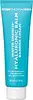
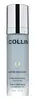
Peter Thomas Roth Water Drench Hyaluronic Balm Barrier Cream Versus G.M. Collin Marine Collagen Revitalizing Cream
This barrier-repair moisturizer is formulated around Dimethicone and Sodium Hyaluronate to strengthen the skin barrier and hydrate skin.
This anti-aging moisturizer is formulated around Acetyl Hexapeptide-8 and Palmitoyl Tripeptide-1 to soften the look of wrinkles.


What's inside
What's inside
 Key Ingredients
Benefits
Concerns
Ingredients Side-by-side
Dimethicone 5%
Emollient

Water
Skin ConditioningGlycerin
Humectant

Isopropyl Myristate
Emollient





Cetyl Alcohol
Emollient

Cetyl Palmitate
Emollient
Glyceryl Stearate
Emollient
Euphorbia Cerifera Wax
Butyrospermum Parkii Butter
Skin Conditioning
Theobroma Cacao Seed Butter
Emollient
C10-18 Triglycerides
Emollient
Squalane
Emollient
Sodium Hyaluronate
Humectant

Panthenol
Skin Conditioning
Tocopheryl Acetate
Antioxidant


Citric Acid
Buffering
Sodium Stearoyl Glutamate
CleansingXanthan Gum
EmulsifyingSodium Phytate
ChelatingEthylhexyl Palmitate
Emollient
Sodium Benzoate
Masking
Potassium Sorbate
Preservative
Glucomannan
Skin ConditioningEthylhexylglycerin
Skin ConditioningTrihydroxystearin
Skin Conditioning
Phenoxyethanol
Preservative
Dimethicone 5%, Water, Glycerin, Isopropyl Myristate, Cetyl Alcohol, Cetyl Palmitate, Glyceryl Stearate, Euphorbia Cerifera Wax, Butyrospermum Parkii Butter, Theobroma Cacao Seed Butter, C10-18 Triglycerides, Squalane, Sodium Hyaluronate, Panthenol, Tocopheryl Acetate, Citric Acid, Sodium Stearoyl Glutamate, Xanthan Gum, Sodium Phytate, Ethylhexyl Palmitate, Sodium Benzoate, Potassium Sorbate, Glucomannan, Ethylhexylglycerin, Trihydroxystearin, Phenoxyethanol
Water
Skin ConditioningGlycerin
Humectant
C15-19 Alkane
SolventCaprylic/Capric Triglyceride
Masking
C10-18 Triglycerides
Emollient
1,2-Hexanediol
Skin Conditioning
Isononyl Isononanoate
EmollientEthylhexyl Palmitate
Emollient
Cetyl Alcohol
Emollient
Glyceryl Stearate
Emollient
Thermus Thermophillus Ferment
Skin ConditioningDimethicone
Emollient
Squalane
Emollient
Butyrospermum Parkii Butter
Skin Conditioning
Hydrolyzed Collagen
Emollient
Tocopheryl Acetate
Antioxidant
Sodium Hyaluronate
Humectant
Decarboxy Carnosine Hcl
Skin ConditioningUndaria Pinnatifida Extract
Skin ConditioningPseudoalteromonas Exopolysaccharides
Skin ConditioningPlankton Extract
Skin ConditioningHydrolyzed Corallina Officinalis Extract
Skin ConditioningAcetyl Hexapeptide-8
Humectant
Palmitoyl Tripeptide-1
Skin Conditioning
Palmitoyl Tetrapeptide-7
Skin Conditioning
Glucomannan
Skin ConditioningPhenoxyethanol
Preservative
Pentaerythrityl Tetra-Di-T-Butyl Hydroxyhydrocinnamate
Antioxidant
Potassium Sorbate
Preservative
Sodium Salicylate
Preservative
Sodium Benzoate
Masking
Tocopherol
Antioxidant
Hydroxyethyl Acrylate/Sodium Acryloyldimethyl Taurate Copolymer
Emulsion StabilisingButylene Glycol
Humectant
PEG-75 Stearate
Surfactant
Parfum
Masking

Ceteth-20
CleansingSteareth-20
CleansingAcacia Senegal Gum
MaskingPropanediol
Solvent
Xanthan Gum
EmulsifyingTriethanolamine
BufferingPolysorbate 60
Emulsifying
Sorbitan Isostearate
Emulsifying
Disodium EDTA
ChelatingCarbomer
Emulsion StabilisingSodium Lactate
Buffering
Trihydroxystearin
Skin Conditioning
Polysorbate 20
Emulsifying
Acetic Acid
BufferingCitric Acid
Buffering
Sodium Citrate
BufferingCI 42090
Cosmetic ColorantWater, Glycerin, C15-19 Alkane, Caprylic/Capric Triglyceride, C10-18 Triglycerides, 1,2-Hexanediol, Isononyl Isononanoate, Ethylhexyl Palmitate, Cetyl Alcohol, Glyceryl Stearate, Thermus Thermophillus Ferment, Dimethicone, Squalane, Butyrospermum Parkii Butter, Hydrolyzed Collagen, Tocopheryl Acetate, Sodium Hyaluronate, Decarboxy Carnosine Hcl, Undaria Pinnatifida Extract, Pseudoalteromonas Exopolysaccharides, Plankton Extract, Hydrolyzed Corallina Officinalis Extract, Acetyl Hexapeptide-8, Palmitoyl Tripeptide-1, Palmitoyl Tetrapeptide-7, Glucomannan, Phenoxyethanol, Pentaerythrityl Tetra-Di-T-Butyl Hydroxyhydrocinnamate, Potassium Sorbate, Sodium Salicylate, Sodium Benzoate, Tocopherol, Hydroxyethyl Acrylate/Sodium Acryloyldimethyl Taurate Copolymer, Butylene Glycol, PEG-75 Stearate, Parfum, Ceteth-20, Steareth-20, Acacia Senegal Gum, Propanediol, Xanthan Gum, Triethanolamine, Polysorbate 60, Sorbitan Isostearate, Disodium EDTA, Carbomer, Sodium Lactate, Trihydroxystearin, Polysorbate 20, Acetic Acid, Citric Acid, Sodium Citrate, CI 42090
Ingredients Explained
These ingredients are found in both products.
Ingredients higher up in an ingredient list are typically present in a larger amount.
This ingredient is also known as shea butter. It is a plant-derived extract from the nuts of the Africa shea tree and one of the most well-studied emollients.
Because it has a high concentration of fatty acids (primarily oleic, stearic, and linoleic) it is able to form a protective barrier on the skin's surface. This helps seal in moisture and prevents transepidermal water loss (TEWL).
In vitro research found an increase in skin hydration by 58% and a decrease in TEWL by 37.8% after 24 hours of applying this ingredient (pretty impressive for a single ingredient!).
Besides hydration, shea butter also contains triterpenes that have anti-inflammatory potential. In particule, lupeol cinnamate has shown the highest anti-inflammatory activity in vivo.
Shea butter also contains vitamins A and E which may contribute to antioxidant activity.
While Shea Butter has an SPF rating of about 3-4, it is not a sunscreen replacement.
This ingredient may not be fungal acne safe because its fatty acids fall within the C11-C24 range that the Malassezia yeast can metabolize.
This ingredient shows up on a lot of "pore-clogging" lists but there's no real evidence behind that. It doesn't even have a comedogenic rating from an actual study; the numbers you'll find online come from blogs citing other blogs.
Ratings for other ingredients mostly come from a 1980s rabbit ear test. This test doesn't translate well to human skin or to real products because the ingredient sits at a much lower percentage.
Some people still find it breaks them out. So if that's you, definitely trust your skin. Just know this one's based on experience and not evidence.
Learn more about Butyrospermum Parkii ButterC10-18 Triglycerides is a skin conditioning and texture-enhancer.
It is created from glycerin and a mixture of C10-18 fatty acids.
This ingredient improves spreadability and helps thicken a product.
According to manufacturers, it usually comes from vegetable-based saturated fatty acids. Common bases for this ingredient are coconut oil, palm kernel oil, or both.
Due to the melting point being close to skin temperature, it is usually used in lip products.
Triglycerides are a main component of fat in the human body.
Learn more about C10-18 TriglyceridesCetyl Alcohol is a fatty alcohol. Fatty Alcohols are most often used as an emollient or to thicken a product.
Its main roles are:
Though it has "alcohol" in the name, it is not related to denatured alcohol or ethyl alcohol.
The FDA allows products labeled "alcohol-free" to have fatty alcohols.
This ingredient may not be fungal acne safe. It is a primary fatty alcohol with a chain length above 12 carbons. A study from 2019 show Malassezia can feed on fatty alcohols in this range, so it may trigger fungal acne in those prone to it.
Learn more about Cetyl AlcoholCitric Acid is an alpha hydroxy acid (AHA) naturally found in citrus fruits like oranges, lemons, and limes.
Like other AHAs, citric acid can exfoliate skin by breaking down the bonds that hold dead skin cells together. This helps reveal smoother and brighter skin underneath.
However, this exfoliating effect only happens at high concentrations (20%) which can be hard to find in cosmetic products.
Due to this, citric acid is usually included in small amounts as a pH adjuster. This helps keep products slightly more acidic and compatible with skin's natural pH.
In skincare formulas, citric acid can:
While it can provide some skin benefits, research shows lactic acid and glycolic acid are generally more effective and less irritating exfoliants.
Most citric acid used in skincare today is made by fermenting sugars (usually from molasses). This synthetic version is identical to the natural citrus form but easier to stabilize and use in formulations.
Rosacea skin has a lower threshold for acids generally, with 62.5% of rosacea subjects in one study reacting to lactic acid in a sting test. This is why we mark citric acid as a potential rosacea trigger.
However, this ingredient shows up as a pH adjuster or chelator at roughly 0.1-1% in many products. These low levels are unlikely to be an issue for rosacea skin and becomes a potential trigger at exfoliating concentrations (20%). Because everybody's skin is unique, we recommend a patch test if you are unsure.
Learn more about Citric AcidDimethicone is a type of synthetic silicone created from natural materials such as quartz. It is also known as polydimethylsiloxane.
What it does:
Dimethicone comes in different viscosities:
Depending on the viscosity, dimethicone has different properties.
Ingredients lists don't always show which type is used, so we recommend reaching out to the brand if you have questions about the viscosity.
This ingredient is unlikely to cause irritation because it does not get absorbed into skin. However, people with silicone allergies should be careful about using this ingredient.
Note: Dimethicone may contribute to pilling. This is because it is not oil or water soluble, so pilling may occur when layered with products. When mixed with heavy oils in a formula, the outcome is also quite greasy.
Learn more about DimethiconeEthylhexyl Palmitate, also known as octyl palmitate, is created from 2-ethylhexyl alcohol and palmitic acid.
In cosmetics, it plays many roles:
One thing worth noting: a controlled study found this ingredient applied under occlusion to acne-prone subjects increased microcomedones. Just keep in mind this was under occlusive conditions and don't reflect how most products are used day-to-day.
For most people, this is a well-tolerated and lightweight ingredient.
This ingredient may not be fungal acne safe because it is an ester of palmitic acid, a C16 fatty acid that falls within the C11-24 range that Malassezia can metabolize.
You'll see this one rated 4 comedogenic all over the internet. That number isn't from a single study, and the actual research is more interesting.
The original rating comes from 1980s rabbit ear tests (which are a shaky basis for anything). But Ethylhexyl Palmitate is one of the few ingredients with real human data behind it. A 2021 controlled trial found this ingredient increased microcomedones by an average of 365% over four weeks.
Just know that test used the pure ingredient under an occlusive pad on back skin; most products use it at much lower levels alongside other ingredients and plenty of people use those with no issue.
Learn more about Ethylhexyl PalmitateGlucomannan is a fiber created from the Konjac plant. It is an emulsifier and thickener.
The high polysaccharide content makes it great at adjusting the texture of products. (Kind of like starch).
Polysaccharides also help our skin stay hydrated.
This ingredient is water-soluble.
Learn more about GlucomannanGlycerin (or glycerol) is a compound naturally found in your skin. It's a powerhouse humectant that pulls water into the stratum corneum.
Topically, glycerin does several things at once:
Your skin makes glycerin on its own (mostly from sebaceous oil breakdown) and shuttles it to your outermost layer of skin, or your epidermis, via aquaporin-3.
Aquaporin-3 is a transporter that is essential for normal skin hydration, elasticity, and repair. Interestingly, mice lacking in AQP3 have dry and less elastic skin that can be fully corrected with glycerin.
This ingredient is non-irritating, plays well with almost every ingredient, and works across all skin types. Typical use is anywhere between 3-10% but can go up to 79% in some leave-on products.
Just know very high concentrations (>40%) can feel tacky in low humidity.
Glycerin is the name for this ingredient in American English. British English uses Glycerol/Glycerine.
Learn more about GlycerinGlyceryl Stearate is made by reacting glycerin with stearic acid (typically sourced from plant oils like palm or coconut). It's an emulsifier, emollient, and mild occlusive.
Emulsifiers help ingredients like oil and water stay mixed so your formula stays nicely blended and uniform in texture.
This ingredient is typically used in concentrations between 1-10%. Studies have found it to be non-sensitizing, non-phototoxic, and non-photoallergenic.
A close cousin of this ingredient is Glyceryl Stearate SE ("self-emulsifying"). This just has a small amount of sodium or potassium stearate added so it can emulsify without a co-emulsifier.
Since this ingredient is an ester of a C18 fatty acid, it may not be fungal acne safe. The Malassezia yeast can potentially metabolize within the C11-C24 range.
Fun fact: The human body also creates Glyceryl Stearate naturally.
Learn more about Glyceryl StearatePhenoxyethanol is one of the most widely used preservatives in skincare (and for good reason!).
It has a large spectrum of antimicrobial activity and especially effective bacteria, yeast, and mold while only having a weak effect on your skin's natural microbiome.
On a cellular level, it disrupts the cell membranes of microbes by poking holes that make the cell leak. This shuts down the chemical reactions the microbe needs to make energy so it can no longer survive.
Another perk of this ingredient is that it stays functional across a wide pH range (3-10).
You'll often see it paired with boosters like Ethylhexylglycerin; one study showed that a 1:9 ratio of Ethylhexylglycerin to Phenoxyethanol damages bacterial membranes as effectively as doubling the Phenoxyethanol concentration on its own.
Typical use concentrations range from 0.3-1% depending on the formula, and this ingredient is capped at 1% int the EU.
Safety-wise, the fear mongering does not hold up to the evidence. The EU's Scientific Committee on Consumer Safety and FDA consider it safe as a preservative at up to 1%, including for children of all ages.
Adverse systemic effects only showed up in animal studies at exposures roughly 200x higher than what people get from cosmetics. And despite its very widespread use, this ingredient is a rare sensitizer and allergic reactions are uncommon.
Learn more about PhenoxyethanolPotassium Sorbate is a preservative used to prevent yeast and mold in products. It is commonly found in both cosmetic and food products.
This ingredient comes from potassium salt derived from sorbic acid. Sorbic acid is a natural antibiotic and effective against fungus.
Both potassium sorbate and sorbic acid can be found in baked goods, cheeses, dried meats, dried fruit, ice cream, pickles, wine, yogurt, and more.
You'll often find this ingredient used with other preservatives.
Learn more about Potassium SorbateSodium Benzoate is a preservative. It's used in both cosmetic and food products to inhibit the growth of mold and bacteria. It is typically produced synthetically.
Both the US FDA and EU Health Committee have approved the use of sodium benzoate. In the US, levels of 0.1% (of the total product) are allowed.
Sodium benzoate works as a preservative by inhibiting the growth of bacteria inside of cells. It prevents the cell from fermenting a type of sugar using an enzyme called phosphofructokinase.
It is the salt of benzoic acid. Foods containing sodium benzoate include soda, salad dressings, condiments, fruit juices, wines, and snack foods.
Studies for using ascorbic acid and sodium benzoate in cosmetics are lacking, especially in skincare routines with multiple steps.
We always recommend speaking with a professional, such as a dermatologist, if you have any concerns.
Learn more about Sodium BenzoateSodium Hyaluronate is the salt form of hyaluronic acid. It is a long sugar chain that is naturally found in your skin, joints, and connective tissue that maintains hydration and elasticity.
In skincare, it works as a humectant. It pulls water from the environment and deeper layers of skin and binds it to the surface.
Interestingly, the size of the molecule affects its behavior:
Some clinical evidence links low molecular weight versions to improved wrinkle depth, elasticity, anti-inflammatory effects, and barrier repair.
Many serums use a blend of both weights so you can get surface hydration plus longer-lasting and deeper effects.
You'll typically see concentrations between 0.1-2% for this ingredient.
Learn more about Sodium HyaluronateSqualane is the hydrogenated and shelf-stable form of squalene (a lipid that naturally occurs in human sebum).
It is an emollient and skin conditioning agent that is able to integrate seamlessly into the skin's lipid barrier without clogging pores.
This is due to how structurally similar it is to what your skin already produces.
Though it is mostly an emollient that helps soften and hydrate skin, it also has some humectant and occlusive action. Humectants help the skin retain moisture while occlusives seal it in, making squalane a triple-threat moisturizer.
Research shows it has antioxidant capabilities that help protect against stressors like UV exposure, specifically UVA induced oxidative stress. This study also found that it supports collagen biosynthesis in human dermal fibroblasts.
No clinical study has reported significant adverse effects and irritation reactions are very rare from this ingredient (even at 100% concentration).
Overall, it's a fantastic ingredient for hydration and is suitable for all skin types.
This depends on the source. Squalane can be derived from both plants and animals. Most squalane used in skincare comes from plants.
Please note: the source of squalane is only known if disclosed by the brand. We recommend reaching out to the brand if you have any questions about their squalane.
Read more about squalene with an "e".
Though squalane is often called an oil, it’s technically not one. It is a hydrocarbon, meaning it is only made of carbon and hydrogen. True oils are triglycerides and made of fatty acids and glycerol.
The term “oil-free” isn’t regulated so companies can define it however they want. Some exclude all oils, while others just avoid mineral oil or comedogenic oils.
Squalane has a comedogenic rating of 1 from the original 1972 study that tested raw ingredients under occlusion on rabbit ears. This system is not standardized or peer-reviewed, and using the raw ingredients is very different from how diluted cosmetic formulations are used on human skin.
A comedogenic rating of 1 means it is "unlikely to clog pores" according to the original rating system.
The overall formula of a product matters more than the individual ingredients on whether or not it will cause clogged pores.
Learn more about SqualaneTocopheryl Acetate is a stable, shelf-friendly form of vitamin E.
Formulators love it because plain vitamin E oxidizes quickly once it hits air. This acetate version stays stable and resists going off, helping to extend a product's shelf life.
It's actually inactive on its own and works like a slow-release "storage" form; the enzymes in your skin called esterases gradually convert it into active vitamin E over time.
One in vivo study showed 5% of the acetate in the living layer of the epidermis converted to vitamin E after 5 days of application. This study also found the skin gained protection against UV damage even though the conversion was slow and small.
Once converted, vitamin E acts as a skin's main fat-soluble antioxidant that fights free radicals to protect skin from damage.
Topical vitamin E generally boosts the skin's photoprotection, and it reduced UV-damage in animal models.
This ingredient has some brightening potential but it's more of a prevention ingredient than spot-fader. Cell studies show it can slow down melanin production but it's worth noting that it's not the most powerful brightener out there.
Overall, it has a pretty solid safety profile and has been found to be non-irritating and non-comedogenic. Allergic reactions may happen but stay rare due to how widely the ingredient gets used.
The concentration will vary depending on the formula; industry data shows 0.1% in baby lotions, 3% in lipsticks, and 5% in foot powders. You can also find this ingredient at 100% in a pure vitamin E oil.
Most leave-on skincare keeps it at the lower end, often between 0.5-1%.
Learn more about Tocopheryl AcetateTrihydroxystearin is what you get when you fully hydrogenate castor oil into a waxy, fine powder.
It's mostly a behind-the-scenes texture enhancer that's especially good at "thixotropic" thing where the product stays thick but applies nicely.
Because of its structure, it also acts as a mild skin conditioning emollient that helps soften skin while preventing moisture loss.
Safety studies show it to be safe and non-irritation in clinical tests. It's typically used in concentrations up to 5%.
Since its an ester of a C18 fatty acid, it falls into the C11-24 range that Malassezia can potentially feed on. This makes it not fungal-acne safe.
Learn more about TrihydroxystearinWater. It's the most common cosmetic ingredient of all. You'll usually see it at the top of ingredient lists, meaning that it makes up the largest part of the product.
So why is it so popular? Water most often acts as a solvent - this means that it helps dissolve other ingredients into the formulation.
You'll also recognize water as that liquid we all need to stay alive. If you see this, drink a glass of water. Remember to stay hydrated!
Learn more about WaterXanthan gum is used as a stabilizer and thickener within cosmetic products. It helps give products a sticky, thick feeling - preventing them from being too runny.
On the technical side of things, xanthan gum is a polysaccharide - a combination consisting of multiple sugar molecules bonded together.
Xanthan gum is a pretty common and great ingredient. It is a natural, non-toxic, non-irritating ingredient that is also commonly used in food products.
Learn more about Xanthan Gum

