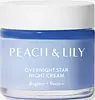
This anti-aging night moisturizer is formulated around Squalane and Niacinamide to soften the look of wrinkles and hydrate skin.
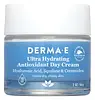
This anti-aging day moisturizer is formulated around Sodium Hyaluronate and Camellia Sinensis Leaf Extract to soften the look of wrinkles and hydrate skin.


What's inside
What's inside
 Key Ingredients
Benefits
Concerns
Ingredients Side-by-side
Water
Skin ConditioningPropanediol
Solvent

Caprylic/Capric Triglyceride
Masking
Squalane
Emollient
Glycerin
Humectant
Cetearyl Alcohol
Emollient





Jojoba Esters
Emollient
Simmondsia Chinensis Seed Oil
Emollient
Triethylhexanoin
MaskingNiacinamide
Smoothing








Macadamia Ternifolia Seed Oil
Emollient
1,2-Hexanediol
Skin Conditioning
Panax Ginseng Root Extract
Emollient
Euterpe Oleracea Fruit Extract
Curcuma Longa Root Extract
Antioxidant

Hydrolyzed Hyaluronic Acid
Humectant
Centella Asiatica Extract
Cleansing
Coccinia Indica Fruit Extract
Skin Conditioning
Corallina Officinalis Extract
Skin Conditioning
Eclipta Prostrata Extract
Skin Conditioning
Leuconostoc/Radish Root Ferment Filtrate
Antimicrobial
Collagen
Moisturising
Melia Azadirachta Flower Extract
Skin ConditioningMelia Azadirachta Leaf Extract
Skin ConditioningMoringa Oleifera Seed Oil
Emollient
Oligopeptide-1
Skin Conditioning
Allantoin
Skin Conditioning
Lactobacillus Ferment
Skin Conditioning
Panthenol
Skin Conditioning
Sodium Acetylated Hyaluronate
Humectant
Sodium Hyaluronate
Humectant
Ocimum Sanctum Leaf Extract
Skin ConditioningSolanum Melongena Fruit Extract
Skin ConditioningSyringa Vulgaris Extract
Skin ConditioningVaccinium Angustifolium Fruit Extract
Skin Protecting
Adenosine
Skin Conditioning
Butylene Glycol
Humectant
Butyrospermum Parkii Butter
Skin Conditioning
Diethoxyethyl Succinate
SolventSorbitan Olivate
Emulsifying
Citric Acid
Buffering
Tocopherol
Antioxidant
Glucose
Humectant
Cetearyl Glucoside
Emulsifying
Cetearyl Olivate
Coco-Caprylate/Caprate
Emollient
Dipotassium Glycyrrhizate
Humectant
Aloe Barbadensis Flower Extract
EmollientHydroxyacetophenone
Antioxidant
Trisodium Ethylenediamine Disuccinate
ChelatingAcrylates/C10-30 Alkyl Acrylate Crosspolymer
Emulsion StabilisingTromethamine
BufferingXanthan Gum
EmulsifyingLavandula Angustifolia Oil
Masking


Water, Propanediol, Caprylic/Capric Triglyceride, Squalane, Glycerin, Cetearyl Alcohol, Jojoba Esters, Simmondsia Chinensis Seed Oil, Triethylhexanoin, Niacinamide, Macadamia Ternifolia Seed Oil, 1,2-Hexanediol, Panax Ginseng Root Extract, Euterpe Oleracea Fruit Extract, Curcuma Longa Root Extract, Hydrolyzed Hyaluronic Acid, Centella Asiatica Extract, Coccinia Indica Fruit Extract, Corallina Officinalis Extract, Eclipta Prostrata Extract, Leuconostoc/Radish Root Ferment Filtrate, Collagen, Melia Azadirachta Flower Extract, Melia Azadirachta Leaf Extract, Moringa Oleifera Seed Oil, Oligopeptide-1, Allantoin, Lactobacillus Ferment, Panthenol, Sodium Acetylated Hyaluronate, Sodium Hyaluronate, Ocimum Sanctum Leaf Extract, Solanum Melongena Fruit Extract, Syringa Vulgaris Extract, Vaccinium Angustifolium Fruit Extract, Adenosine, Butylene Glycol, Butyrospermum Parkii Butter, Diethoxyethyl Succinate, Sorbitan Olivate, Citric Acid, Tocopherol, Glucose, Cetearyl Glucoside, Cetearyl Olivate, Coco-Caprylate/Caprate, Dipotassium Glycyrrhizate, Aloe Barbadensis Flower Extract, Hydroxyacetophenone, Trisodium Ethylenediamine Disuccinate, Acrylates/C10-30 Alkyl Acrylate Crosspolymer, Tromethamine, Xanthan Gum, Lavandula Angustifolia Oil
Water
Skin ConditioningCaprylic/Capric Triglyceride
Masking
Cetyl Alcohol
Emollient
Stearic Acid
Cleansing
Glycerin
Humectant
Glyceryl Stearate Se
Emulsifying
Glyceryl Stearate Citrate
Emollient
Sodium Hyaluronate
Humectant
Camellia Sinensis Leaf Extract
Antimicrobial
Ascorbyl Palmitate
Antioxidant
Panthenol
Skin Conditioning
Tocopheryl Acetate
Antioxidant
Xanthan Gum
EmulsifyingRetinyl Palmitate
Skin Conditioning
Hamamelis Virginiana Extract
Antiseborrhoeic
Aloe Barbadensis Extract
Skin Conditioning
Simmondsia Chinensis Seed Oil
Emollient
Allantoin
Skin Conditioning
Diheptyl Succinate
EmollientCapryloyl Glycerin/Sebacic Acid Copolymer
Skin ConditioningPotassium Sorbate
Preservative
Phenoxyethanol
Preservative
Ethylhexylglycerin
Skin ConditioningParfum
Masking
Water, Caprylic/Capric Triglyceride, Cetyl Alcohol, Stearic Acid, Glycerin, Glyceryl Stearate Se, Glyceryl Stearate Citrate, Sodium Hyaluronate, Camellia Sinensis Leaf Extract, Ascorbyl Palmitate, Panthenol, Tocopheryl Acetate, Xanthan Gum, Retinyl Palmitate, Hamamelis Virginiana Extract, Aloe Barbadensis Extract, Simmondsia Chinensis Seed Oil, Allantoin, Diheptyl Succinate, Capryloyl Glycerin/Sebacic Acid Copolymer, Potassium Sorbate, Phenoxyethanol, Ethylhexylglycerin, Parfum
Reviews
Ingredients Explained
These ingredients are found in both products.
Ingredients higher up in an ingredient list are typically present in a larger amount.
Allantoin is a soothing ingredient known for its protective and moisturizing properties; it's basically a quiet workhorse ingredient you can find in a huge range of cosmetics.
Though it can be derived from the comfrey plant, allantoin is produced synthetically for cosmetic products to ensure purity.
Research shows it can encourage your skin cells to turn over and renew by stimulating keratinocyte and fibroblast proliferation.
It also has mild keratolytic properties to help loosen and shed dead skin cells without being harsh.
Studies also suggest allantoin can help calm inflammation by dialing down some of the chemical signals your skin sends out when it is irritated.
This ingredient is typically used in the 0.1-0.5% range, and the FDA recognizes it as a skin protectant in OTC products up to 2%.
Overall, allantoin is a wonderful addition to most routines; it is stable across a wide pH range (~4-8), works well with other ingredients, and is considered non-sensitizing/non-irritating.
Fun fact: Allantoin is naturally occurring in comfrey root, beets, chamomile, and wheat sprouts. Our bodies even produce it as a byproduct of uric acid metabolism.
Learn more about AllantoinCaprylic/Capric Triglyceride (aka MCT Oil) is a lightweight emollient, solvent, and texture enhancer. It is considered a skin-softener by helping to prevent moisture loss.
Though it behaves like an oil, it is not technically one due to its chemical composition. One perk of this ingredient is that it is very stable, resistant to oxidation, and unlikely to go rancid.
In practice, that translates to a long shelf life and a consistently elegant skin feel.
While there is an assumption Caprylic Triglyceride can clog pores due to it being derived from coconut oil, there is no research supporting this. Just patch test if you have concerns.
Fractionated coconut oil and MCT Oil are both listed as Caprylic/Capric Triglyceride according to INCI. This is because INCI names are based on the ingredient’s final chemical composition and not its marketing name or source.
This ingredient is treated as the gold standard fungal acne safe oil. Even though it is coconut derived, the problematic lauric acid is stripped out.
This leaves just caprylic (C8) and capric (C10) acid. These chain lengths actually trend antifungal; a 2020 study found caprylic acid was enough to disrupt Malassezia furfur cell membrane, with a caprylic acid derivative damaging membrane structures at concentrations as low as 0.2%.
Learn more about Caprylic/Capric TriglycerideGlycerin (or glycerol) is a compound naturally found in your skin. It's a powerhouse humectant that pulls water into the stratum corneum.
Topically, glycerin does several things at once:
Your skin makes glycerin on its own (mostly from sebaceous oil breakdown) and shuttles it to your outermost layer of skin, or your epidermis, via aquaporin-3.
Aquaporin-3 is a transporter that is essential for normal skin hydration, elasticity, and repair. Interestingly, mice lacking in AQP3 have dry and less elastic skin that can be fully corrected with glycerin.
This ingredient is non-irritating, plays well with almost every ingredient, and works across all skin types. Typical use is anywhere between 3-10% but can go up to 79% in some leave-on products.
Just know very high concentrations (>40%) can feel tacky in low humidity.
Glycerin is the name for this ingredient in American English. British English uses Glycerol/Glycerine.
Learn more about GlycerinPanthenol is a common ingredient that helps hydrate and soothe the skin. It is found naturally in our skin and hair.
There are two forms of panthenol: D and L.
D-panthenol is also known as dexpanthenol. Most cosmetics use dexpanthenol or a mixture of D and L-panthenol.
Panthenol is famous due to its ability to go deeper into the skin's layers. Using this ingredient has numerous pros (and no cons):
Like hyaluronic acid, panthenol is a humectant. Humectants are able to bind and hold large amounts of water to keep skin hydrated.
This ingredient works well for wound healing. It works by increasing tissue in the wound and helps close open wounds.
Once oxidized, panthenol converts to pantothenic acid. Panthothenic acid is found in all living cells.
This ingredient is also referred to as pro-vitamin B5.
Learn more about PanthenolJojoba oil is one of the most well-studied plant-derived ingredients in cosmetics. It is an emollient with a special structure.
Because it is made up of 97-98% wax esters, it closely mirrors the linear monoesters found in human sebum. This makes it skin compatible, non-greasy, and lightweight.
Unlike other plant oils, jojoba wax doesn't easily penetrate skin. It mostly works in the uppermost layers as an emollient. This just means it forms a light barrier on the skin to help retain moisture.
Formulations with jojoba esters up to 90% reduced transepidermal water loss (TEWL) and increased barrier recovery by 81% (outperforming bisabolol at 47%).
Besides barrier support, the science also suggests jojoba to have anti-inflammatory effects and potential applications for skin infections, aging, and wound healing.
Fun fact: Indigenous cultures have used jojoba as a moisturizer and to help treat burns for centuries.
Fungal acne: The Malassezia yeast is known to metabolize fatty acids in the C11-24 range and jojoba's dominant fatty acid components fall into this range. This ingredient may not be fungal acne safe.
Learn more about Simmondsia Chinensis Seed OilSodium Hyaluronate is the salt form of hyaluronic acid. It is a long sugar chain that is naturally found in your skin, joints, and connective tissue that maintains hydration and elasticity.
In skincare, it works as a humectant. It pulls water from the environment and deeper layers of skin and binds it to the surface.
Interestingly, the size of the molecule affects its behavior:
Some clinical evidence links low molecular weight versions to improved wrinkle depth, elasticity, anti-inflammatory effects, and barrier repair.
Many serums use a blend of both weights so you can get surface hydration plus longer-lasting and deeper effects.
You'll typically see concentrations between 0.1-2% for this ingredient.
Learn more about Sodium HyaluronateWater. It's the most common cosmetic ingredient of all. You'll usually see it at the top of ingredient lists, meaning that it makes up the largest part of the product.
So why is it so popular? Water most often acts as a solvent - this means that it helps dissolve other ingredients into the formulation.
You'll also recognize water as that liquid we all need to stay alive. If you see this, drink a glass of water. Remember to stay hydrated!
Learn more about WaterXanthan gum is used as a stabilizer and thickener within cosmetic products. It helps give products a sticky, thick feeling - preventing them from being too runny.
On the technical side of things, xanthan gum is a polysaccharide - a combination consisting of multiple sugar molecules bonded together.
Xanthan gum is a pretty common and great ingredient. It is a natural, non-toxic, non-irritating ingredient that is also commonly used in food products.
Learn more about Xanthan Gum

