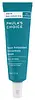
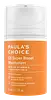
Paula's Choice Skin Balancing Super Antioxidant Concentrate Serum Versus Paula's Choice C5 Super Boost Moisturizer
This anti-aging serum is formulated around Retinol and Tetrahexyldecyl Ascorbate to soften the look of wrinkles and refine skin texture.
This brightening moisturizer is formulated around 3-O-Ethyl Ascorbic Acid and Ascorbyl Glucoside to brighten dull-looking skin.

What's inside
What's inside
 Key Ingredients
Benefits
Concerns
Ingredients Side-by-side
Cyclopentasiloxane
Emollient
Isododecane
EmollientDimethicone Crosspolymer
Emulsion Stabilising
Neopentyl Glycol Diheptanoate
EmollientCyclohexasiloxane
Emollient
Caprylic/Capric Triglyceride
Masking


Tocopheryl Acetate
Antioxidant


Retinyl Palmitate
Skin Conditioning




Retinol
Skin Conditioning





Tetrahexyldecyl Ascorbate
Antioxidant

Astaxanthin
Skin Conditioning
Bisabolol
Antioxidant
Chamomilla Recutita Flower Extract
Masking
Camellia Sinensis Leaf Extract
Antimicrobial
Salix Alba Bark Extract
Astringent
Vitis Vinifera Seed Extract
Antimicrobial
Ginkgo Biloba Leaf Extract
Skin Conditioning
Calluna Vulgaris Flower Extract
Skin ConditioningVaccinium Macrocarpon Fruit Extract
AstringentRubus Idaeus Fruit Extract
AstringentBetula Alba Bark Extract
Masking
Glycine Soja Oil
Emollient



Silica
Abrasive
Phenoxyethanol
Preservative
Cyclopentasiloxane, Isododecane, Dimethicone Crosspolymer, Neopentyl Glycol Diheptanoate, Cyclohexasiloxane, Caprylic/Capric Triglyceride, Tocopheryl Acetate, Retinyl Palmitate, Retinol, Tetrahexyldecyl Ascorbate, Astaxanthin, Bisabolol, Chamomilla Recutita Flower Extract, Camellia Sinensis Leaf Extract, Salix Alba Bark Extract, Vitis Vinifera Seed Extract, Ginkgo Biloba Leaf Extract, Calluna Vulgaris Flower Extract, Vaccinium Macrocarpon Fruit Extract, Rubus Idaeus Fruit Extract, Betula Alba Bark Extract, Glycine Soja Oil, Silica, Phenoxyethanol
Water
Skin ConditioningDicaprylyl Carbonate
Emollient3-O-Ethyl Ascorbic Acid
Skin Conditioning
Dimethicone
Emollient
Butylene Glycol
Humectant
Polyglyceryl-6 Distearate
Emulsifying
Ascorbyl Glucoside
Antioxidant
Squalane
Emollient
Hydroxyethyl Acrylate/Sodium Acryloyldimethyl Taurate Copolymer
Emulsion StabilisingAcetyl Sh-Hexapeptide-5 Amide Acetate
Skin Conditioning
Citrullus Lanatus Seed Oil
Emollient
Hydrogenated Lecithin
Emulsifying
Theobroma Cacao Seed Butter
Emollient
Hydrogenated Phosphatidylcholine
Emulsifying
Pentaerythrityl Tetra-Di-T-Butyl Hydroxyhydrocinnamate
Antioxidant
Sodium Hyaluronate
Humectant
Oryza Sativa Bran Extract
Skin Conditioning
Propanediol
Solvent
Jojoba Esters
Emollient
Tocopherol
Antioxidant
Acetyl Zingerone
Antioxidant
Cetyl Palmitate
Emollient
Caprylyl Glycol
Emollient
Cetyl Alcohol
Emollient
Polyglyceryl-3 Beeswax
Emulsifying
Sodium Hydroxide
BufferingSorbitan Olivate
Emulsifying
Sorbitan Palmitate
Emulsifying
Helianthus Annuus Extract
Emollient
Ethylhexylglycerin
Skin ConditioningHexylene Glycol
EmulsifyingSodium Phytate
ChelatingPolysorbate 60
Emulsifying
Sorbitan Isostearate
Emulsifying
Lecithin
Emollient
Rosmarinus Officinalis Leaf Extract
AntimicrobialGlycine Soja Oil
Emollient
Lysolecithin
EmulsifyingBacillus Ferment
Skin Conditioning
Citric Acid
Buffering
Polyglutamic Acid
Skin Conditioning
Beta-Sitosterol
Emulsion Stabilising
Phytic Acid
Chelating
Squalene
Emollient
Phenoxyethanol
Preservative
Sodium Benzoate
Masking
Potassium Sorbate
Preservative
Water, Dicaprylyl Carbonate, 3-O-Ethyl Ascorbic Acid, Dimethicone, Butylene Glycol, Polyglyceryl-6 Distearate, Ascorbyl Glucoside, Squalane, Hydroxyethyl Acrylate/Sodium Acryloyldimethyl Taurate Copolymer, Acetyl Sh-Hexapeptide-5 Amide Acetate, Citrullus Lanatus Seed Oil, Hydrogenated Lecithin, Theobroma Cacao Seed Butter, Hydrogenated Phosphatidylcholine, Pentaerythrityl Tetra-Di-T-Butyl Hydroxyhydrocinnamate, Sodium Hyaluronate, Oryza Sativa Bran Extract, Propanediol, Jojoba Esters, Tocopherol, Acetyl Zingerone, Cetyl Palmitate, Caprylyl Glycol, Cetyl Alcohol, Polyglyceryl-3 Beeswax, Sodium Hydroxide, Sorbitan Olivate, Sorbitan Palmitate, Helianthus Annuus Extract, Ethylhexylglycerin, Hexylene Glycol, Sodium Phytate, Polysorbate 60, Sorbitan Isostearate, Lecithin, Rosmarinus Officinalis Leaf Extract, Glycine Soja Oil, Lysolecithin, Bacillus Ferment, Citric Acid, Polyglutamic Acid, Beta-Sitosterol, Phytic Acid, Squalene, Phenoxyethanol, Sodium Benzoate, Potassium Sorbate
Reviews
Ingredients Explained
These ingredients are found in both products.
Ingredients higher up in an ingredient list are typically present in a larger amount.
Glycine Soja Oil is a plant-derived oil from soybean seeds. Like other oils, it is rich in essential fatty acids (mostly linoleic and oleic) that support skin hydration and barrier function.
The fatty acids are able to integrate into the lipid matrix of the stratum corneum to help soften skin and reduce water loss.
On top of that, soybean oil is rich in vitamins like vitamin E, a potent antioxidant.
Research on soybean's active components also point to anti-inflammatory, collagen-stimulating, antioxidant activity, and protection against UV-induced oxidative damage.
Most of this research applies to the broader soybean plant and not just the oil fraction alone.
This ingredient does carry a comedogenic rating of 3 from the old rabbit-ear assay. Just remember testing finished products in humans showed that formulas built with "comedogenic" ingredients are not necessarily comedogenic themselves. It's worth patch testing if you're breakout prone, and always listen to your skin.
This ingredient may not be fungal acne safe due to the oleic acid content.
Learn more about Glycine Soja OilPhenoxyethanol is one of the most widely used preservatives in skincare (and for good reason!).
It has a large spectrum of antimicrobial activity and especially effective bacteria, yeast, and mold while only having a weak effect on your skin's natural microbiome.
On a cellular level, it disrupts the cell membranes of microbes by poking holes that make the cell leak. This shuts down the chemical reactions the microbe needs to make energy so it can no longer survive.
Another perk of this ingredient is that it stays functional across a wide pH range (3-10).
You'll often see it paired with boosters like Ethylhexylglycerin; one study showed that a 1:9 ratio of Ethylhexylglycerin to Phenoxyethanol damages bacterial membranes as effectively as doubling the Phenoxyethanol concentration on its own.
Typical use concentrations range from 0.3-1% depending on the formula, and this ingredient is capped at 1% int the EU.
Safety-wise, the fear mongering does not hold up to the evidence. The EU's Scientific Committee on Consumer Safety and FDA consider it safe as a preservative at up to 1%, including for children of all ages.
Adverse systemic effects only showed up in animal studies at exposures roughly 200x higher than what people get from cosmetics. And despite its very widespread use, this ingredient is a rare sensitizer and allergic reactions are uncommon.
Learn more about Phenoxyethanol

