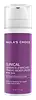
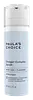
Paula's Choice Clinical Ceramide-Enriched Firming Moisturizer Versus Paula's Choice Omega+ Complex Serum
This anti-aging moisturizer is formulated around Sodium Ascorbyl Phosphate and Retinol to soften the look of wrinkles and strengthen the skin barrier.
This barrier-repair serum is formulated around Linoleic Acid and Linolenic Acid to strengthen the skin barrier and hydrate skin.

What's inside
What's inside
 Key Ingredients
Benefits
Concerns
Ingredients Side-by-side
Water
Skin ConditioningSodium Ascorbyl Phosphate
Antioxidant







Cetyl Alcohol
Emollient



Neopentyl Glycol Diheptanoate
EmollientPotassium Cetyl Phosphate
EmulsifyingGlyceryl Stearate
Emollient
PEG-100 Stearate
Surfactant
Glycerin
Humectant

PEG-12 Glyceryl Dimyristate
Skin ConditioningBis-Diglyceryl Polyacyladipate-2
Emollient
Dimethicone
Emollient
Glyceryl Ascorbate
Antioxidant
Tetrahexyldecyl Ascorbate
Antioxidant
Retinol
Skin Conditioning




Ceramide NP
Skin Conditioning

Ceramide Ns
Skin Conditioning
Ceramide AP
Skin Conditioning
Ceramide EOP
Skin Conditioning
Ceramide Eos
Skin Conditioning
Cholesterol
Emollient
Caprooyl Phytosphingosine
Skin Conditioning
Caprooyl Sphingosine
Skin ConditioningSqualane
Emollient
Punica Granatum Extract
AstringentPongamia Glabra Seed Oil
Skin Conditioning
Glycyrrhiza Glabra Root
Skin ConditioningVitis Vinifera
MaskingTocopheryl Acetate
Antioxidant
Carnosine
Skin Conditioning
Panthenol
Skin Conditioning
Sodium PCA
Humectant
Butylene Glycol
Humectant
Sodium Citrate
BufferingCeteareth-25
CleansingPolysorbate 20
Emulsifying
Ethylhexyl Stearate
Emollient


Sodium Hydroxide
BufferingTrideceth-6
EmulsifyingPropyl Gallate
Antioxidant

Ammonium Acryloyldimethyltaurate/Vp Copolymer
Sodium Polyacrylate
Absorbent
Behenic Acid
Cleansing
Disodium EDTA
ChelatingPhenoxyethanol
Preservative
Caprylyl Glycol
Emollient
Chlorphenesin
Antimicrobial
Water, Sodium Ascorbyl Phosphate, Cetyl Alcohol, Neopentyl Glycol Diheptanoate, Potassium Cetyl Phosphate, Glyceryl Stearate, PEG-100 Stearate, Glycerin, PEG-12 Glyceryl Dimyristate, Bis-Diglyceryl Polyacyladipate-2, Dimethicone, Glyceryl Ascorbate, Tetrahexyldecyl Ascorbate, Retinol, Ceramide NP, Ceramide Ns, Ceramide AP, Ceramide EOP, Ceramide Eos, Cholesterol, Caprooyl Phytosphingosine, Caprooyl Sphingosine, Squalane, Punica Granatum Extract, Pongamia Glabra Seed Oil, Glycyrrhiza Glabra Root, Vitis Vinifera, Tocopheryl Acetate, Carnosine, Panthenol, Sodium PCA, Butylene Glycol, Sodium Citrate, Ceteareth-25, Polysorbate 20, Ethylhexyl Stearate, Sodium Hydroxide, Trideceth-6, Propyl Gallate, Ammonium Acryloyldimethyltaurate/Vp Copolymer, Sodium Polyacrylate, Behenic Acid, Disodium EDTA, Phenoxyethanol, Caprylyl Glycol, Chlorphenesin
Water
Skin ConditioningGlycerin
Humectant
Diheptyl Succinate
EmollientCandelilla/Jojoba/Rice Bran Polyglyceryl-3 Esters
Emulsifying
Linum Usitatissimum Seed Oil
Perfuming
Linoleic Acid
Cleansing
Linolenic Acid
Cleansing
Passiflora Edulis Seed Oil
Emollient
Ceramide EOP
Skin Conditioning
Ceramide Eos
Skin Conditioning
Ceramide NP
Skin Conditioning
Ceramide Ns
Skin Conditioning
Caprooyl Sphingosine
Skin ConditioningOlea Europaea Oil Unsaponifiables
Skin Conditioning
Caprooyl Phytosphingosine
Skin Conditioning
Sodium Hyaluronate
Humectant
Cholesterol
Emollient
Ceramide AP
Skin Conditioning
Butyrospermum Parkii Butter Unsaponifiables
Skin Conditioning
Tocopherol
Antioxidant
Hydroxyethyl Acrylate/Sodium Acryloyldimethyl Taurate Copolymer
Emulsion StabilisingPrunus Domestica Seed Oil
Skin Conditioning
Lauryl Laurate
Skin Conditioning
Glyceryl Behenate
Emollient
Hydrogenated Lecithin
Emulsifying
Sodium Phytate
ChelatingTrehalose
Humectant
Isohexadecane
EmollientSodium Stearoyl Lactylate
EmulsifyingCapryloyl Glycerin/Sebacic Acid Copolymer
Skin ConditioningXanthan Gum
EmulsifyingCetyl Alcohol
Emollient
Tetrahexyldecyl Ascorbate
Antioxidant
Agar
MaskingGlyceryl Stearate
Emollient
Ceteareth-25
CleansingCetearyl Alcohol
Emollient
Behenic Acid
Cleansing
Glyceryl Rosinate
Perfuming
Citric Acid
Buffering
Benzyl Alcohol
Perfuming

Ethylhexylglycerin
Skin ConditioningWater, Glycerin, Diheptyl Succinate, Candelilla/Jojoba/Rice Bran Polyglyceryl-3 Esters, Linum Usitatissimum Seed Oil, Linoleic Acid, Linolenic Acid, Passiflora Edulis Seed Oil, Ceramide EOP, Ceramide Eos, Ceramide NP, Ceramide Ns, Caprooyl Sphingosine, Olea Europaea Oil Unsaponifiables, Caprooyl Phytosphingosine, Sodium Hyaluronate, Cholesterol, Ceramide AP, Butyrospermum Parkii Butter Unsaponifiables, Tocopherol, Hydroxyethyl Acrylate/Sodium Acryloyldimethyl Taurate Copolymer, Prunus Domestica Seed Oil, Lauryl Laurate, Glyceryl Behenate, Hydrogenated Lecithin, Sodium Phytate, Trehalose, Isohexadecane, Sodium Stearoyl Lactylate, Capryloyl Glycerin/Sebacic Acid Copolymer, Xanthan Gum, Cetyl Alcohol, Tetrahexyldecyl Ascorbate, Agar, Glyceryl Stearate, Ceteareth-25, Cetearyl Alcohol, Behenic Acid, Glyceryl Rosinate, Citric Acid, Benzyl Alcohol, Ethylhexylglycerin
Reviews
Ingredients Explained
These ingredients are found in both products.
Ingredients higher up in an ingredient list are typically present in a larger amount.
Behenic acid is a long-chain fatty acid with 22 carbon atoms (C22) that is naturally found in moringa, rapeseed, and peanut oil.
In skincare, it's about as drama-free as ingredients come. It acts primarily as a texture enhancer, thickener, and opacifying agent that gives richness and viscosity to formulas.
On skin, it forms a protective, emollient layer that helps with moisture retention and contributes to barrier integrity.
In vitro studies on genotoxicity have come back negative and this ingredient is well-tolerated. Typical use concentrations range from 0.024%-22%.
This ingredient may not be fungal acne safe because Behenic acid falls within the C11-24 fatty acid range capable of supporting Malassezia growth.
Learn more about Behenic AcidThis ceramide helps condition and moisturize skin.
It is created by reacting caproic acid and phytosphingosine, two fatty acids.
Ceramides work to improve hydration from within. Their lipophilic trait means they are likely to be absorbed into skin but expected to remain in the epidermis (the outer layer of skin).
Learn more about Caprooyl PhytosphingosineWe don't have a description for Caprooyl Sphingosine yet.
Ceramide AP is is a skin-identical lipid that mimics what your skin already makes naturally. Ceramides help maintain epidermal integrity and barrier function.
You'll often see this ingredient paired with other ceramides (like ceramide NP), cholesterol, or fatty acids because this combination best mimics the natural lipid mix your skin already has.
The skin's ability to produce ceramides gets disrupted in skin conditions like eczema. This in turn weakens the skin barrier and applying ceramides topically has been shown to replenish what's been lost to restore barrier function.
Most of the studies with Ceramide AP test it as part of a multi-ceramide complex; studies reinforce ceramide AP's role in rebalancing ceramides in skin and improving skin hydration.
Learn more about Ceramide APCeramide EOP is formally known as Ceramide 1.
It is naturally found in skin and part of the intercellular "mortar" holding everything together in your outermost layer.
EOP stands for a linked Ester fatty acid, a linked Omega hydroxy fatty acid, and the Phytosphingosine base.
What makes Ceramide EOP special is its ultra-long fatty acid chain; this unique structure allows it to bridge the lipid layers in your skin barrier to prevent water loss (something no other ceramide can do).
Low levels of Ceramide EOP have been found in people with eczema and psoriasis.
Using it together with other ceramides, cholesterol, and linoleic acid have been shown to meaningfully improve hydration and reduce water loss.
In one clinical study, a regimen using Ceramide EOP, NP, and AP led to significant symptom improvements in patients with eczema, psoriasis, and dry skin in just 4 weeks.
You'll usually see concentrations between 0.1-0.5% in formulations. Overall, this is a well-tolerated and safe ingredient for cosmetic use.
Learn more about Ceramide EOPCeramide EOS is a type of Ceramide.
Ceramides are intercellular lipids naturally found in our skin that bonds dead skin cells together to create a barrier. They are known for their ability to hold water and thus are a great ingredient for dry skin.
Ceramide EOS is a synthetic N-acylated sphingolipid consisting of Sphingosine having the D-erythro structure linked to an esterified omega-hydroxy saturated or unsaturated fatty acid
Learn more about Ceramide EosCeramide NP (formerly known as Ceramide 3) is one of the skin's naturally occurring lipids.
Since ceramides are the major lipid components of the skin, they are crucial for maintaining skin barrier and hydration. Ceramide NP most closely mirrors the dominant kind in human skin amongst ceramide subtypes.
This ceramide works by slotting into gaps within the stratum corneum's lipid matrix to limit trans-epidermal water loss (TEWL) and shield the skin against external irritants.
A study with 312 patients found that using a ceramide-containing routine for 4 weeks reduced the severity of atopic dermatitis by over 61%.
Another clinical study in subjects aged 60 and older found that a ceramide body wash and moisturizer improved skin dryness and itchy skin in 15 days.
Overall, ceramides are considered non-irritating and safety tests have found little to no observable adverse effects from using this ingredient.
Ceramide NP is usually sourced from plants (like soybean or rice bran), or produced synthetically.
Learn more about Ceramide NPCeramide NS is formally known as Ceramide 2. It is one of the major ceramides in the stratum corneum (outermost layer of skin) plays a role in forming a protective barrier.
Due to its structure, skin lipids can be packed tightly and in turn, this strengthens the barrier and reduces water loss.
Studies show conditions like atopic dermatitis can worsen when ceramide NS levels are low.
Learn more about Ceramide NsCeteareth-25 comes from Cetearyl Alcohol. (And Cetearyl Alcohol is created from cetyl alcohol and stearyl alcohol.
This ingredient is a fatty alcohol used as an emulsifier and surfactant. As an emulsifier, it helps oil mix with water.
Like cetearyl alcohol, Ceteareth-25 can help thicken and create a gel-like consistency.
Learn more about Ceteareth-25Cetyl Alcohol is a fatty alcohol. Fatty Alcohols are most often used as an emollient or to thicken a product.
Its main roles are:
Though it has "alcohol" in the name, it is not related to denatured alcohol or ethyl alcohol.
The FDA allows products labeled "alcohol-free" to have fatty alcohols.
This ingredient may not be fungal acne safe. It is a primary fatty alcohol with a chain length above 12 carbons. A study from 2019 show Malassezia can feed on fatty alcohols in this range, so it may trigger fungal acne in those prone to it.
Learn more about Cetyl AlcoholCholesterol is a lipid that is naturally found in human skin and is one of the three key components of your skin barrier. In skincare, it is an emollient and barrier-repairing ingredient.
It works by fitting directly into the lipid layers of skin to help restore structure and reduce transepidermal water loss (TEWL).
This is a great ingredient for dry, compromised, or aging skin; our skin starts to produce less cholesterol with age.
Research shows cholesterol works best in combination with ceramides and fatty acids, the other two major components in your skin barrier.
Cholesterol is also a well-establish penetration enhancer and can help other actives absorb more effectively.
Cosmetic-grade cholesterol is usually derived from lanolin but plant and synthetic options also exist. We recommend reaching out to the brand if you have questions about their source of cholesterol.
Learn more about CholesterolGlycerin (or glycerol) is a compound naturally found in your skin. It's a powerhouse humectant that pulls water into the stratum corneum.
Topically, glycerin does several things at once:
Your skin makes glycerin on its own (mostly from sebaceous oil breakdown) and shuttles it to your outermost layer of skin, or your epidermis, via aquaporin-3.
Aquaporin-3 is a transporter that is essential for normal skin hydration, elasticity, and repair. Interestingly, mice lacking in AQP3 have dry and less elastic skin that can be fully corrected with glycerin.
This ingredient is non-irritating, plays well with almost every ingredient, and works across all skin types. Typical use is anywhere between 3-10% but can go up to 79% in some leave-on products.
Just know very high concentrations (>40%) can feel tacky in low humidity.
Glycerin is the name for this ingredient in American English. British English uses Glycerol/Glycerine.
Learn more about GlycerinGlyceryl Stearate is made by reacting glycerin with stearic acid (typically sourced from plant oils like palm or coconut). It's an emulsifier, emollient, and mild occlusive.
Emulsifiers help ingredients like oil and water stay mixed so your formula stays nicely blended and uniform in texture.
This ingredient is typically used in concentrations between 1-10%. Studies have found it to be non-sensitizing, non-phototoxic, and non-photoallergenic.
A close cousin of this ingredient is Glyceryl Stearate SE ("self-emulsifying"). This just has a small amount of sodium or potassium stearate added so it can emulsify without a co-emulsifier.
Since this ingredient is an ester of a C18 fatty acid, it may not be fungal acne safe. The Malassezia yeast can potentially metabolize within the C11-C24 range.
Fun fact: The human body also creates Glyceryl Stearate naturally.
Learn more about Glyceryl StearateTetrahexyldecyl Ascorbate (THD) is a stable and oil-soluble form of Vitamin C.
THD is special in that it has the ability to travel deeper into skin than traditional ascorbic acid while maintaining the same skin benefits (double win!).
Because it’s oil-soluble, THD dives deep into your skin’s fatty layers (think ceramides and cholesterol) to fight off the kind of free radicals that mess with your skin barrier. This makes it a great pair with water-based vitamin C (ascorbic acid) that mainly works on the surface.
Even at just 0.1%, THD is already showing great antioxidant activity. When used up to 2%, it helps keep your skin happy and calm, especially when it’s stressed from pollution or sun.
Want to fade dark spots or tackle hyperpigmentation? You’ll want 5% or more. Pairing it with brightening buddies like niacinamide or licorice root gives even better results. One study even used 30% THD with other brighteners and saw real results on stubborn discoloration, even in melasma-prone skin.
A note on THD: It’s has a slightly silky, oily texture and usually shows up colorless or pale yellow (though the exact shade can vary by supplier).
While you can sneak it into water-based formulas, it really shines when paired with silicones or oils, which help your skin soak it up better.
THD is pretty stable, but it’s still vulnerable to degradation like ascorbic acid. Too much light or heat (above 113°F / 45°C) can break it down over time. Go for dark and opaque packaging that keeps it safe and shady!
Read more about other types of Vitamin C:
Learn more about Tetrahexyldecyl AscorbateWater. It's the most common cosmetic ingredient of all. You'll usually see it at the top of ingredient lists, meaning that it makes up the largest part of the product.
So why is it so popular? Water most often acts as a solvent - this means that it helps dissolve other ingredients into the formulation.
You'll also recognize water as that liquid we all need to stay alive. If you see this, drink a glass of water. Remember to stay hydrated!
Learn more about Water

