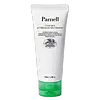
This salicylic acid gel cleanser is formulated around Salicylic Acid to clear breakouts and unclog pores.
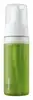
This salicylic acid foaming cleanser is formulated around Salicylic Acid to clear breakouts and unclog pores.

What's inside
What's inside
 Key Ingredients
Benefits
Concerns
Ingredients Side-by-side
Centella Asiatica Extract
Cleansing





Water
Skin ConditioningPotassium Cocoyl Glycinate
Surfactant
Lauryl Hydroxysultaine
CleansingGlycerin
Humectant
Acrylates Copolymer
Propanediol
Solvent
Sodium Chloride
Masking1,2-Hexanediol
Skin Conditioning
Tromethamine
BufferingPotassium Benzoate
Preservative
Salicylic Acid
Masking








Lactobacillus Ferment
Skin Conditioning
Styrene/Acrylates Copolymer
Melaleuca Alternifolia Leaf Oil
Antioxidant



Disodium EDTA
ChelatingRosmarinus Officinalis Leaf Oil
Masking
Melia Azadirachta Leaf Extract
Skin ConditioningCoco-Glucoside
Cleansing
Theobroma Cacao Seed Extract
Antioxidant
Artemisia Vulgaris Oil
Perfuming
Melia Azadirachta Flower Extract
Skin ConditioningPentylene Glycol
Skin Conditioning
Dextrin
AbsorbentLeptospermum Scoparium Leaf Extract
Skin ConditioningButylene Glycol
Humectant
Madecassoside
Antioxidant
Limnanthes Alba Seed Oil
Skin Conditioning
Benzoic Acid
Masking
Citric Acid
Buffering
Ceramide NP
Skin Conditioning
Phytosphingosine
Skin Conditioning
Hydrogenated Lecithin
Emulsifying
Honey Extract
Humectant
Centella Asiatica Extract, Water, Potassium Cocoyl Glycinate, Lauryl Hydroxysultaine, Glycerin, Acrylates Copolymer, Propanediol, Sodium Chloride, 1,2-Hexanediol, Tromethamine, Potassium Benzoate, Salicylic Acid, Lactobacillus Ferment, Styrene/Acrylates Copolymer, Melaleuca Alternifolia Leaf Oil, Disodium EDTA, Rosmarinus Officinalis Leaf Oil, Melia Azadirachta Leaf Extract, Coco-Glucoside, Theobroma Cacao Seed Extract, Artemisia Vulgaris Oil, Melia Azadirachta Flower Extract, Pentylene Glycol, Dextrin, Leptospermum Scoparium Leaf Extract, Butylene Glycol, Madecassoside, Limnanthes Alba Seed Oil, Benzoic Acid, Citric Acid, Ceramide NP, Phytosphingosine, Hydrogenated Lecithin, Honey Extract
Morinda Citrifolia Extract 35.511%
AstringentWater
Skin ConditioningCocamidopropyl Betaine
Cleansing
Butylene Glycol
Humectant
Glycerin
Humectant
Potassium Cocoyl Glycinate
Surfactant
Lauramide DEA
Foam BoostingSodium Chloride
MaskingDisodium Cocoamphodiacetate
CleansingSodium Cocoyl Glutamate
Cleansing
Panthenol
Skin Conditioning
1,2-Hexanediol
Skin Conditioning
Methylpropanediol
SolventAllantoin
Skin Conditioning
Salicylic Acid
Masking
Caprylyl Glycol
Emollient
Sodium Benzoate
Masking
Dipotassium Glycyrrhizate
Humectant
Rosmarinus Officinalis Leaf Oil
Masking
Salix Alba Bark Extract
Astringent
Camellia Sinensis Leaf Extract
Antimicrobial
Centella Asiatica Leaf Extract
Skin Conditioning
Cladosiphon Okamuranus Extract
Skin Conditioning
Decyl Glucoside
Cleansing
Buteth-3
SolventPiroctone Olamine
Preservative
Disodium EDTA
ChelatingCitric Acid
Buffering
Melia Azadirachta Leaf Extract
Skin ConditioningCoffea Arabica Seed Extract
Masking
Sodium Benzotriazolyl Butylphenol Sulfonate
UV AbsorberMelia Azadirachta Flower Extract
Skin ConditioningPrunus Mume Fruit Extract
Humectant
Lonicera Japonica Flower Extract
Skin ConditioningScutellaria Baicalensis Root Extract
Astringent
Citrus Aurantium Bergamia Leaf Extract
AstringentPinus Densiflora Leaf Extract
Antimicrobial
Tributyl Citrate
SolventTheobroma Cacao Extract
Skin ConditioningDextrin
AbsorbentPinus Palustris Leaf Extract
TonicUlmus Davidiana Root Extract
Skin Conditioning
Oenothera Biennis Flower Extract
AstringentPueraria Lobata Root Extract
HumectantMorinda Citrifolia Extract 35.511%, Water, Cocamidopropyl Betaine, Butylene Glycol, Glycerin, Potassium Cocoyl Glycinate, Lauramide DEA, Sodium Chloride, Disodium Cocoamphodiacetate, Sodium Cocoyl Glutamate, Panthenol, 1,2-Hexanediol, Methylpropanediol, Allantoin, Salicylic Acid, Caprylyl Glycol, Sodium Benzoate, Dipotassium Glycyrrhizate, Rosmarinus Officinalis Leaf Oil, Salix Alba Bark Extract, Camellia Sinensis Leaf Extract, Centella Asiatica Leaf Extract, Cladosiphon Okamuranus Extract, Decyl Glucoside, Buteth-3, Piroctone Olamine, Disodium EDTA, Citric Acid, Melia Azadirachta Leaf Extract, Coffea Arabica Seed Extract, Sodium Benzotriazolyl Butylphenol Sulfonate, Melia Azadirachta Flower Extract, Prunus Mume Fruit Extract, Lonicera Japonica Flower Extract, Scutellaria Baicalensis Root Extract, Citrus Aurantium Bergamia Leaf Extract, Pinus Densiflora Leaf Extract, Tributyl Citrate, Theobroma Cacao Extract, Dextrin, Pinus Palustris Leaf Extract, Ulmus Davidiana Root Extract, Oenothera Biennis Flower Extract, Pueraria Lobata Root Extract
Reviews
Ingredients Explained
These ingredients are found in both products.
Ingredients higher up in an ingredient list are typically present in a larger amount.
1,2-Hexanediol is a synthetic liquid and another multi-functional powerhouse.
It is a:
- Humectant, drawing moisture into the skin
- Emollient, helping to soften skin
- Solvent, dispersing and stabilizing formulas
- Preservative booster, enhancing the antimicrobial activity of other preservatives
Butylene Glycol (or BG) is used within cosmetic products for a few different reasons:
Overall, Butylene Glycol is a safe and well-rounded ingredient that works well with other ingredients.
Though this ingredient works well with most skin types, some people with sensitive skin may experience a reaction such as allergic rashes, closed comedones, or itchiness.
Learn more about Butylene GlycolCitric Acid is an alpha hydroxy acid (AHA) naturally found in citrus fruits like oranges, lemons, and limes.
Like other AHAs, citric acid can exfoliate skin by breaking down the bonds that hold dead skin cells together. This helps reveal smoother and brighter skin underneath.
However, this exfoliating effect only happens at high concentrations (20%) which can be hard to find in cosmetic products.
Due to this, citric acid is usually included in small amounts as a pH adjuster. This helps keep products slightly more acidic and compatible with skin's natural pH.
In skincare formulas, citric acid can:
While it can provide some skin benefits, research shows lactic acid and glycolic acid are generally more effective and less irritating exfoliants.
Most citric acid used in skincare today is made by fermenting sugars (usually from molasses). This synthetic version is identical to the natural citrus form but easier to stabilize and use in formulations.
Rosacea skin has a lower threshold for acids generally, with 62.5% of rosacea subjects in one study reacting to lactic acid in a sting test. This is why we mark citric acid as a potential rosacea trigger.
However, this ingredient shows up as a pH adjuster or chelator at roughly 0.1-1% in many products. These low levels are unlikely to be an issue for rosacea skin and becomes a potential trigger at exfoliating concentrations (20%). Because everybody's skin is unique, we recommend a patch test if you are unsure.
Learn more about Citric AcidDextrin is a starch-derived polysaccharide. It's made by partially breaking down corn, potato, or other plant starches.
Think of it as "half-processed" starch; it's less complex than the original but not fully broken down into sugar like maltodextrin.
In cosmetics, it mainly functions as a bulking agent, viscosity controller, binder, and absorbent. It helps thicken products, stabilize powders, and get certain textures a less "wet" feel.
This ingredient has a pretty solid safety profile; it's recognized as a safe food additive and its large molecular size means it doesn't meaningfully penetrate skin.
Human repeat insult patch tests using a rinse-off facial product containing 42.69% dextrin found no skin irritation or sensitization in 54 subjects.
Typical real-world usage is much lower: usually under 1% as a texture modifier and up to 40% in masks (rinse off products use less).
Learn more about DextrinDisodium EDTA is a chelating agent. It grabs onto and deactivates metal ions that sneak into your products from water, packaging, or air.
This ingredient mainly works behind the scenes and helps with:
On top of that, this ingredient can counteract the effects of hard water by binding to the minerals in it.
One thing worth knowing is that Disodium EDTA has been shown to be a mild penetration enhancer. It can help other ingredients absorb into skin more effectively which can be a double-edged sword (great for actives, but can also make the active too strong if you have sensitive skin).
Clinical patch testing showed no significant skin irritation at typical use concentrations and minimal dermal absorption.
You'll most likely see this ingredient near the end of an ingredient list. It's typically found in concentrations less than 1%.
Learn more about Disodium EDTAGlycerin (or glycerol) is a compound naturally found in your skin. It's a powerhouse humectant that pulls water into the stratum corneum.
Topically, glycerin does several things at once:
Your skin makes glycerin on its own (mostly from sebaceous oil breakdown) and shuttles it to your outermost layer of skin, or your epidermis, via aquaporin-3.
Aquaporin-3 is a transporter that is essential for normal skin hydration, elasticity, and repair. Interestingly, mice lacking in AQP3 have dry and less elastic skin that can be fully corrected with glycerin.
This ingredient is non-irritating, plays well with almost every ingredient, and works across all skin types. Typical use is anywhere between 3-10% but can go up to 79% in some leave-on products.
Just know very high concentrations (>40%) can feel tacky in low humidity.
Glycerin is the name for this ingredient in American English. British English uses Glycerol/Glycerine.
Learn more about GlycerinMelia Azadirachta Flower Extract is from the Neem tree. Neem trees originate from India.
Melia Azadirachta Flower Extract contains antioxidants. Antioxidants help fight free-radicals. Free-radicals are molecules that may damage your skin cells, such as pollution.
The flowers of this tree are lilac colored.
Learn more about Melia Azadirachta Flower ExtractThis ingredient is also known as neem leaf extract. It contains natural compounds like nimbidin, quercetin, and other polyphenols that give it antibacterial, antifungal, and anti-inflammatory activity.
Lab studies have shown neem leaf extract can inhibit acne-related bacteria and help calm skin. Animal studies on wound gels using 1-3% neem leaf extract found it sped up healing without causing irritation.
A wound-healing study testing gels with the extract at 1%, 2%, and 3% concentrations and found none of them irritated the skin.
Most commercial products also use it in a similar low range (typically under 5%).
Allergy-wise, there are some case reports on neem oil causing allergic contact dermatitis so people with plant/botanical sensitivities may want to patch test first.
Learn more about Melia Azadirachta Leaf ExtractPotassium Cocoyl Glycinate is an amino acid-based surfactant and cleaning agent. This ingredient can be derived from animals or plants. It may also be synthetically created from fatty acids of the coconut and glycine.
Potassium Cocoyl Glycinate is a gentle surfactant. Surfactants help gather the dirt, oil, and other pollutants from your skin to be rinsed away. It is a mild cleanser and naturally produces foam.
Rosmarinus Officinalis Leaf Oil is an essential oil also known as rosemary essential oil. In skincare, it is a skin conditioning agent and also acts as a natural fragrance that gives products a fresh/herby smell.
The oil is a mix of over 100 volatile compounds with 1,8-cineole, α-pinene, camphor, and verbenone usually leading the pack.
Lab studies credit this oil with antioxidant, anti-inflammatory, and antimicrobial activity. Some research even show rosemary compounds calming acne-related inflammation.
The Cosmetic Ingredient Review (CIR) has concluded rosemary-derived ingredients to be safe when formulated to be nonsensitizing.
Since this is a fragrant essential oil, the main concern is for fragrance-sensitive folks.
Learn more about Rosmarinus Officinalis Leaf OilSalicylic Acid (also known as beta hydroxy acid or BHA) is a well-known ingredient for treating skin that struggles with acne and clogged pores. It exfoliates both the skin's surface and deep within the pores to help clear out buildup, control oil, and reduce inflammation.
Unlike AHAs (alpha hydroxy acids), salicylic acid is oil-soluble. This allows it to penetrate into pores which makes it especially effective for treating blackheads and preventing future breakouts.
Salicylic acid is also known for its soothing properties. It has a similar structure to aspirin and can calm inflamed or irritated skin, making it a good option for acne-prone skin that is also sensitive.
Concentrations of 0.5-2% are recognized by the U.S. FDA as an over-the-counter topical acne product.
It can cause irritation and/or dryness if one's skin already has a compromised moisture barrier, so it's best to focus on repairing that before introducing this ingredient into your routine.
While salicylic acid does not increase sun sensitivity, it’s still important to wear sunscreen daily to protect your skin.
If you are looking for the ingredient called BHA or Butylated Hydroxyanisole, click here.
Learn more about Salicylic AcidChances are, you eat sodium chloride every day. Sodium Chloride is also known as table salt. This ingredient has many purposes in skincare: thickener, emulsifier, and exfoliator.
You'll most likely find this ingredient in cleansers where it is used to create a gel-like texture. As an emulsifier, it also prevents ingredients from separating.
You might see people debate whether Sodium Chloride is comedogenic, but there actually haven't been any comedogenic tests done on it. Either way, the overall formulation of a product matters a lot more than any single ingredient.
You might see this ingredient used in scrubs as a primary exfoliating ingredient.
Learn more about Sodium ChlorideWater. It's the most common cosmetic ingredient of all. You'll usually see it at the top of ingredient lists, meaning that it makes up the largest part of the product.
So why is it so popular? Water most often acts as a solvent - this means that it helps dissolve other ingredients into the formulation.
You'll also recognize water as that liquid we all need to stay alive. If you see this, drink a glass of water. Remember to stay hydrated!
Learn more about Water

