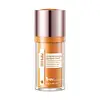
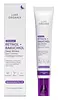
Papa Feel Microbiome 5D Peptide Anti-Aging Eye Cream Versus Luxe Organix Advanced Retinol + Bakuchiol Deep Wrinkle Eye Contour Overnight Cream
This anti-aging eye moisturizer is formulated around Bifida Ferment Filtrate and Acetyl Octapeptide-3 to soften the look of wrinkles.
This anti-aging eye moisturizer is formulated around Niacinamide and Retinol to soften the look of wrinkles and refine skin texture.


What's inside
What's inside
 Key Ingredients
Benefits
Concerns
Ingredients Side-by-side
Water
Skin ConditioningDimethicone
Emollient

Dimethicone Crosspolymer
Emulsion Stabilising
Cyclopentasiloxane
Emollient
C12-14 Pareth-12
EmulsifyingPEG-10 Dimethicone Crosspolymer
Stabilising
Pvp
Emulsion Stabilising1,2-Hexanediol
Skin Conditioning
Hydroxyacetophenone
Antioxidant
Phenoxyethanol
Preservative
Sodium Acrylate/Sodium Acryloyldimethyl Taurate Copolymer
Emulsion StabilisingGlycerin
Humectant
Isohexadecane
EmollientSodium Hyaluronate
Humectant


Bifida Ferment Filtrate
Skin Conditioning
Fructose
Humectant
Acetyl Octapeptide-3
Humectant
Acetyl Hexapeptide-8
Humectant
Butylene Glycol
Humectant
Trehalose
Humectant
Acetyl Heptapeptide-4
Humectant
Phosphatidylcholine
EmulsifyingPhytosterols
Skin Conditioning
Ceramide NP
Skin Conditioning
Arginine
Masking
Palmitoyl Tripeptide-5
Skin Conditioning
Acetyl Tetrapeptide-2
Skin Conditioning
1,5-Pentanediol
SolventSodium Stearoyl Glutamate
CleansingSodium Chloride
MaskingSoluble Collagen
Humectant
Parfum
Masking




Polysorbate 80
Emulsifying
Ethylhexylglycerin
Skin ConditioningSorbitan Oleate
Emulsifying
PPG-5-Ceteth-20
EmulsifyingWater, Dimethicone, Dimethicone Crosspolymer, Cyclopentasiloxane, C12-14 Pareth-12, PEG-10 Dimethicone Crosspolymer, Pvp, 1,2-Hexanediol, Hydroxyacetophenone, Phenoxyethanol, Sodium Acrylate/Sodium Acryloyldimethyl Taurate Copolymer, Glycerin, Isohexadecane, Sodium Hyaluronate, Bifida Ferment Filtrate, Fructose, Acetyl Octapeptide-3, Acetyl Hexapeptide-8, Butylene Glycol, Trehalose, Acetyl Heptapeptide-4, Phosphatidylcholine, Phytosterols, Ceramide NP, Arginine, Palmitoyl Tripeptide-5, Acetyl Tetrapeptide-2, 1,5-Pentanediol, Sodium Stearoyl Glutamate, Sodium Chloride, Soluble Collagen, Parfum, Polysorbate 80, Ethylhexylglycerin, Sorbitan Oleate, PPG-5-Ceteth-20
Water
Skin ConditioningCaprylic/Capric Triglyceride
Masking
Niacinamide
Smoothing




Cetearyl Alcohol
Emollient

Glyceryl Stearate
Emollient
Vegetable Oil
Skin Conditioning
Glycerin
Humectant
Adenosine
Skin Conditioning
Propanediol
Solvent
Dimethicone
Emollient
Polysorbate 60
Emulsifying
PEG-100 Stearate
Surfactant
Retinol
Skin Conditioning
Sh-Oligopeptide-1
Skin Conditioning
Palmitoyl Tripeptide-1
Skin Conditioning
Palmitoyl Pentapeptide-4
Skin Conditioning
Hexapeptide-9
Skin Conditioning
Acetyl Hexapeptide-8
Humectant
Copper Tripeptide-1
Skin Conditioning
Glycine Soja Oil
Emollient
Sesamum Indicum Seed Extract
Skin Conditioning
Sophora Flavescens Root Extract
Antioxidant
Cimicifuga Racemosa Root Extract
Antimicrobial
Morus Alba Bark Extract
Skin ConditioningGlycyrrhiza Glabra Root Extract
Bleaching
Phellinus Linteus Extract
Skin ConditioningAngelica Gigas Root Extract
Skin ConditioningPolygonum Multiflorum Root Extract
Skin ConditioningScutellaria Baicalensis Root Extract
Astringent
Melaleuca Alternifolia Leaf Extract
Perfuming
Lactobacillus Ferment Lysate
Skin Conditioning
Bifida Ferment Filtrate
Skin Conditioning
Lactococcus Ferment Lysate
Skin Conditioning
Hydrolyzed Collagen
Emollient
Squalane
Emollient
Sodium Hyaluronate
Humectant
Sodium Hyaluronate Crosspolymer
Humectant
Hydrolyzed Hyaluronic Acid
Humectant
Hyaluronic Acid
Humectant
Hydrolyzed Sodium Hyaluronate
Skin Conditioning
Bakuchiol
Antimicrobial
Caffeine
Skin Conditioning
Ceramide NP
Skin Conditioning
Panthenol
Skin Conditioning
Tocopheryl Acetate
Antioxidant
Sodium Ascorbyl Phosphate
Antioxidant
Retinyl Palmitate
Skin Conditioning
Biotin
AntiseborrhoeicFolic Acid
Skin ConditioningThiamine Hcl
MaskingCyanocobalamin
Skin ConditioningGlyceryl Arachidonate
Emollient
Glyceryl Linolenate
Emollient
Hydrogenated Lecithin
Emulsifying
Arginine
Masking
Butylene Glycol
Humectant
1,2-Hexanediol
Skin Conditioning
Palmitic Acid
Emollient
Polyglyceryl-10 Laurate
Skin Conditioning
Pentylene Glycol
Skin Conditioning
Polysorbate 20
Emulsifying
BHT
Antioxidant
Disodium EDTA
ChelatingEDTA
ChelatingWater, Caprylic/Capric Triglyceride, Niacinamide, Cetearyl Alcohol, Glyceryl Stearate, Vegetable Oil, Glycerin, Adenosine, Propanediol, Dimethicone, Polysorbate 60, PEG-100 Stearate, Retinol, Sh-Oligopeptide-1, Palmitoyl Tripeptide-1, Palmitoyl Pentapeptide-4, Hexapeptide-9, Acetyl Hexapeptide-8, Copper Tripeptide-1, Glycine Soja Oil, Sesamum Indicum Seed Extract, Sophora Flavescens Root Extract, Cimicifuga Racemosa Root Extract, Morus Alba Bark Extract, Glycyrrhiza Glabra Root Extract, Phellinus Linteus Extract, Angelica Gigas Root Extract, Polygonum Multiflorum Root Extract, Scutellaria Baicalensis Root Extract, Melaleuca Alternifolia Leaf Extract, Lactobacillus Ferment Lysate, Bifida Ferment Filtrate, Lactococcus Ferment Lysate, Hydrolyzed Collagen, Squalane, Sodium Hyaluronate, Sodium Hyaluronate Crosspolymer, Hydrolyzed Hyaluronic Acid, Hyaluronic Acid, Hydrolyzed Sodium Hyaluronate, Bakuchiol, Caffeine, Ceramide NP, Panthenol, Tocopheryl Acetate, Sodium Ascorbyl Phosphate, Retinyl Palmitate, Biotin, Folic Acid, Thiamine Hcl, Cyanocobalamin, Glyceryl Arachidonate, Glyceryl Linolenate, Hydrogenated Lecithin, Arginine, Butylene Glycol, 1,2-Hexanediol, Palmitic Acid, Polyglyceryl-10 Laurate, Pentylene Glycol, Polysorbate 20, BHT, Disodium EDTA, EDTA
Reviews
Ingredients Explained
These ingredients are found in both products.
Ingredients higher up in an ingredient list are typically present in a larger amount.
1,2-Hexanediol is a synthetic liquid and another multi-functional powerhouse.
It is a:
- Humectant, drawing moisture into the skin
- Emollient, helping to soften skin
- Solvent, dispersing and stabilizing formulas
- Preservative booster, enhancing the antimicrobial activity of other preservatives
Acetyl Hexapeptide-8 (also known as Argireline) is a synthetic hexapeptide that is often called a "topical Botox alternative".
It works by mimicking how Botox relaxes muscles; it interferes with the signaling process that tells your facial muscles to contract. This can help soften expression lines like forehead wrinkles or crow's feet over time.
The comparison to Botox does have limits because the molecule is water-loving and relatively large.
Acetyl Hexapeptide-8 has a hard time absorbing deeply enough through the skin's outer barrier to actually reach the muscles.
So whether it truly works the way Botox does at a biological level is still up for debate, but early clinical outcomes are fairly encouraging.
A 12 week human study of a multi-ingredient regimen containing this ingredient saw:
While some studies have observed improvements in wrinkle appearance, it is important to note that more consistent results are seen in multi-ingredient formulations (vs just Acetyl Hexapeptide-8 alone).
Some research studies also used higher concentrations (up to 10%) while this ingredient is usually found in concentrations up to 0.005% in leave-on formulations.
Learn more about Acetyl Hexapeptide-8Arginine is a semi-essential amino acid. This just means our bodies can product a bit on its own, but sometimes needs a little boost from food sources.
It is a part of your skin's natural moisturizing factor (NMF), or the water-loving molecules in your outermost layer of skin (stratum corneum) that keeps everything hydrated and happy.
Here's an interesting thing about Arginine: your skin converts it into urea through the Krebs-Henseleit urea cycle. Urea is one of the most effective humectants your skin naturally produces.
A clinical study showed applying 2.5% arginine hydrochloride to atopic dermatitis skin showed significant urea levels in the stratum corneum and improved moisture in just four weeks.
Arginine is also a precursor to nitric oxide; nitric oxide improves microcirculation and supports wound healing and collagen synthesis.
One study found that an amino acid complex containing Arginine reduced skin irritation, improved hydration, and accelerated skin repair in clinical / in-vivo studies.
Arginine itself is an amino acid and not a fatty acid, oil, or ester. On its own, it's not a direct food source for Malassezia, or the yeast that causes fungal acne.
Learn more about ArginineThis ingredient is a postbiotic made by fermenting Bifidobacterium (a probiotic bacteria) and then filtering out the liquid portion. It has skin conditioning properties.
Much of the evidence for this ingredient is borrowed from the lysate form of this ingredient, which has a much stronger research base.
This ingredient is generally considered fungal acne (Malassezia) safe; Bifidobacterium is a bacterium, not a yeast or fungus.
The fungal acne concern with fermented ingredients mainly applies to yeast-derived ferments like Saccharomyces and Galactomyces, because those are in the same kingdom as Malassezia and could theoretically contain residual compounds that feed it.
Bifida is a completely different organism, so on its own it doesn't provide a food source for the Malassezia yeast that causes fungal acne.
Learn more about Bifida Ferment FiltrateButylene Glycol (or BG) is used within cosmetic products for a few different reasons:
Overall, Butylene Glycol is a safe and well-rounded ingredient that works well with other ingredients.
Though this ingredient works well with most skin types, some people with sensitive skin may experience a reaction such as allergic rashes, closed comedones, or itchiness.
Learn more about Butylene GlycolCeramide NP (formerly known as Ceramide 3) is one of the skin's naturally occurring lipids.
Since ceramides are the major lipid components of the skin, they are crucial for maintaining skin barrier and hydration. Ceramide NP most closely mirrors the dominant kind in human skin amongst ceramide subtypes.
This ceramide works by slotting into gaps within the stratum corneum's lipid matrix to limit trans-epidermal water loss (TEWL) and shield the skin against external irritants.
A study with 312 patients found that using a ceramide-containing routine for 4 weeks reduced the severity of atopic dermatitis by over 61%.
Another clinical study in subjects aged 60 and older found that a ceramide body wash and moisturizer improved skin dryness and itchy skin in 15 days.
Overall, ceramides are considered non-irritating and safety tests have found little to no observable adverse effects from using this ingredient.
Ceramide NP is usually sourced from plants (like soybean or rice bran), or produced synthetically.
Learn more about Ceramide NPDimethicone is a type of synthetic silicone created from natural materials such as quartz. It is also known as polydimethylsiloxane.
What it does:
Dimethicone comes in different viscosities:
Depending on the viscosity, dimethicone has different properties.
Ingredients lists don't always show which type is used, so we recommend reaching out to the brand if you have questions about the viscosity.
This ingredient is unlikely to cause irritation because it does not get absorbed into skin. However, people with silicone allergies should be careful about using this ingredient.
Note: Dimethicone may contribute to pilling. This is because it is not oil or water soluble, so pilling may occur when layered with products. When mixed with heavy oils in a formula, the outcome is also quite greasy.
Learn more about DimethiconeGlycerin (or glycerol) is a compound naturally found in your skin. It's a powerhouse humectant that pulls water into the stratum corneum.
Topically, glycerin does several things at once:
Your skin makes glycerin on its own (mostly from sebaceous oil breakdown) and shuttles it to your outermost layer of skin, or your epidermis, via aquaporin-3.
Aquaporin-3 is a transporter that is essential for normal skin hydration, elasticity, and repair. Interestingly, mice lacking in AQP3 have dry and less elastic skin that can be fully corrected with glycerin.
This ingredient is non-irritating, plays well with almost every ingredient, and works across all skin types. Typical use is anywhere between 3-10% but can go up to 79% in some leave-on products.
Just know very high concentrations (>40%) can feel tacky in low humidity.
Glycerin is the name for this ingredient in American English. British English uses Glycerol/Glycerine.
Learn more about GlycerinSodium Hyaluronate is the salt form of hyaluronic acid. It is a long sugar chain that is naturally found in your skin, joints, and connective tissue that maintains hydration and elasticity.
In skincare, it works as a humectant. It pulls water from the environment and deeper layers of skin and binds it to the surface.
Interestingly, the size of the molecule affects its behavior:
Some clinical evidence links low molecular weight versions to improved wrinkle depth, elasticity, anti-inflammatory effects, and barrier repair.
Many serums use a blend of both weights so you can get surface hydration plus longer-lasting and deeper effects.
You'll typically see concentrations between 0.1-2% for this ingredient.
Learn more about Sodium HyaluronateWater. It's the most common cosmetic ingredient of all. You'll usually see it at the top of ingredient lists, meaning that it makes up the largest part of the product.
So why is it so popular? Water most often acts as a solvent - this means that it helps dissolve other ingredients into the formulation.
You'll also recognize water as that liquid we all need to stay alive. If you see this, drink a glass of water. Remember to stay hydrated!
Learn more about Water

