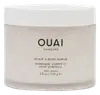
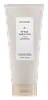
This smoothing exfoliator is formulated around Glycolic Acid and Gluconolactone to refine skin texture and brighten dull-looking skin.

What's inside
What's inside
 Key Ingredients
Benefits
Concerns
Ingredients Side-by-side
Sucrose
Humectant
Water
Skin ConditioningSodium Lauroyl Methyl Isethionate
CleansingGlycerin
Humectant

Cocamide Mea
Emulsifying
Sodium Lauroamphoacetate
CleansingPropanediol
Solvent
PEG-100 Stearate
Surfactant

Glyceryl Stearate
Emollient
Silica
Abrasive


Prunus Amygdalus Dulcis Oil
Skin Conditioning


C12-15 Alkyl Benzoate
AntimicrobialCocos Nucifera Oil
Masking

Menthyl Lactate
Masking
Epilobium Angustifolium Flower/Leaf/Stem Extract
Skin ConditioningHydrolyzed Hibiscus Esculentus Extract
Skin ConditioningApium Graveolens Seed Extract
Antioxidant
Biotinoyl Tripeptide-1

Panthenol
Skin Conditioning

Aloe Barbadensis Leaf Juice
Skin Conditioning
Capryloyl Glycine
CleansingXylitylglucoside
Humectant
Saccharide Isomerate
Humectant
Apigenin
Antioxidant
Oleanolic Acid
Skin ConditioningHexylene Glycol
EmulsifyingPPG-26-Buteth-26
Skin ConditioningPEG-40 Hydrogenated Castor Oil
Emulsifying
Caprylyl Glycol
Emollient
Caprylic/Capric Triglyceride
Masking
PEG-150 Distearate
Emulsifying
Parfum
Masking

Cocamide Mipa
Emulsifying
Sodium Benzoate
Masking
Trisodium Ethylenediamine Disuccinate
ChelatingLactobacillus Ferment Lysate
Skin Conditioning
BHT
Antioxidant
Butylene Glycol
Humectant
Leuconostoc/Radish Root Ferment Filtrate
Antimicrobial
Phenoxyethanol
Preservative
Sodium Citrate
BufferingCitric Acid
Buffering

Sodium Metabisulfite
Antioxidant
Sodium Hydroxide
BufferingLinalool
Perfuming
Benzyl Salicylate
Perfuming
Citronellol
Perfuming
Geraniol
Perfuming
Butylphenyl Methylpropional
Perfuming
Sucrose, Water, Sodium Lauroyl Methyl Isethionate, Glycerin, Cocamide Mea, Sodium Lauroamphoacetate, Propanediol, PEG-100 Stearate, Glyceryl Stearate, Silica, Prunus Amygdalus Dulcis Oil, C12-15 Alkyl Benzoate, Cocos Nucifera Oil, Menthyl Lactate, Epilobium Angustifolium Flower/Leaf/Stem Extract, Hydrolyzed Hibiscus Esculentus Extract, Apium Graveolens Seed Extract, Biotinoyl Tripeptide-1, Panthenol, Aloe Barbadensis Leaf Juice, Capryloyl Glycine, Xylitylglucoside, Saccharide Isomerate, Apigenin, Oleanolic Acid, Hexylene Glycol, PPG-26-Buteth-26, PEG-40 Hydrogenated Castor Oil, Caprylyl Glycol, Caprylic/Capric Triglyceride, PEG-150 Distearate, Parfum, Cocamide Mipa, Sodium Benzoate, Trisodium Ethylenediamine Disuccinate, Lactobacillus Ferment Lysate, BHT, Butylene Glycol, Leuconostoc/Radish Root Ferment Filtrate, Phenoxyethanol, Sodium Citrate, Citric Acid, Sodium Metabisulfite, Sodium Hydroxide, Linalool, Benzyl Salicylate, Citronellol, Geraniol, Butylphenyl Methylpropional
Water
Skin ConditioningPumice
Abrasive
Glycolic Acid
Buffering



Stearic Acid
Cleansing
Cetearyl Alcohol
Emollient
CI 77891
Cosmetic ColorantSodium Hydroxide
BufferingJojoba Esters
Emollient
Gluconolactone
Chelating
Glycerin
Humectant
Sodium Cocoyl Isethionate
Cleansing
Dimethicone
Emollient
Salicylic Acid
Masking

Simmondsia Chinensis Seed Oil
Emollient
Squalane
Emollient
Sodium Hyaluronate
Humectant
Leuconostoc/Radish Root Ferment Filtrate
Antimicrobial
Bisabolol
Antioxidant
C12-15 Alkyl Benzoate
AntimicrobialHippophae Rhamnoides Fruit/Seed Oil
Antimicrobial
Niacinamide
Smoothing
Rosa Canina Fruit Oil
Emollient
Camellia Sinensis Leaf Extract
Antimicrobial
Glycyrrhiza Glabra Root Extract
Bleaching
Glycine Soja Oil
Emollient
Steareth-20
CleansingXanthan Gum
EmulsifyingSteareth-21
CleansingPhenoxyethanol
Preservative
Ethylhexylglycerin
Skin ConditioningTetrasodium Glutamate Diacetate
ChelatingTocopherol
Antioxidant
Water, Pumice, Glycolic Acid, Stearic Acid, Cetearyl Alcohol, CI 77891, Sodium Hydroxide, Jojoba Esters, Gluconolactone, Glycerin, Sodium Cocoyl Isethionate, Dimethicone, Salicylic Acid, Simmondsia Chinensis Seed Oil, Squalane, Sodium Hyaluronate, Leuconostoc/Radish Root Ferment Filtrate, Bisabolol, C12-15 Alkyl Benzoate, Hippophae Rhamnoides Fruit/Seed Oil, Niacinamide, Rosa Canina Fruit Oil, Camellia Sinensis Leaf Extract, Glycyrrhiza Glabra Root Extract, Glycine Soja Oil, Steareth-20, Xanthan Gum, Steareth-21, Phenoxyethanol, Ethylhexylglycerin, Tetrasodium Glutamate Diacetate, Tocopherol
Reviews
Ingredients Explained
These ingredients are found in both products.
Ingredients higher up in an ingredient list are typically present in a larger amount.
C12-15 Alkyl Benzoate is a lightweight emollient made by combinig benzoic acid with fatty alcohols that are 12-15 carbons long.
In cosmetics, it plays several roles:
The Cosmetic Review Expert Panel has concluded the alkyl benzoate group to be safe as used in cosmetics; it wasn't found to be a skin irritant and unlikely to be absorbed due to its low water solubility.
This report recorded almost 1000 reported uses with concentrations up to 59% in leave-on products but your cosmetics will typically use 0.5-15% depending on the product.
It's often called a "SPF booster": this is because it keeps UV filters properly dissolved and evenly distributed to support a sunscreen's performance. It doesn't actually raise SPF on its own.
Overall, this ingredient is well tolerated.
This ingredient is fungal acne safe because it is an ester of benzoic acid.
Think of this ingredient as two parts stuck together: an oily part and an acid part. Malassezia only gets a meal when it can snip off a fatty acid to eat. With C12-15 Alkyl Benzoate, the acid part is benzoic acid, which isn't a fatty acid and which the yeast can't use as food.
Benzoic acid is actually used as a preservative to stop yeast from growing.
The oily part is a blend of C12-15 fatty alcohols but fatty alcohols in this size range can support only a little Malassezia growth (mostly for one species of Malassezia as well).
In the ingredient, those alcohols stay locked inside the molecule. The yeast can only reach them by snipping the benzoate bond, and that type of bond is harder for it to cut than a normal fatty bond.
So not much gets released. And whatever does get snipped comes packaged with benzoic acid, which discourages yeast growth.
Learn more about C12-15 Alkyl BenzoateGlycerin (or glycerol) is a compound naturally found in your skin. It's a powerhouse humectant that pulls water into the stratum corneum.
Topically, glycerin does several things at once:
Your skin makes glycerin on its own (mostly from sebaceous oil breakdown) and shuttles it to your outermost layer of skin, or your epidermis, via aquaporin-3.
Aquaporin-3 is a transporter that is essential for normal skin hydration, elasticity, and repair. Interestingly, mice lacking in AQP3 have dry and less elastic skin that can be fully corrected with glycerin.
This ingredient is non-irritating, plays well with almost every ingredient, and works across all skin types. Typical use is anywhere between 3-10% but can go up to 79% in some leave-on products.
Just know very high concentrations (>40%) can feel tacky in low humidity.
Glycerin is the name for this ingredient in American English. British English uses Glycerol/Glycerine.
Learn more about GlycerinLeuconostoc/Radish Root Ferment Filtrate is a natural preservative. It comes from fermenting radish roots with a bacteria called leuconostoc. The trade name for this ingredient is Leucidal.
Leuconostoc comes from lactic acid.
This ingredient has antimicrobial properties and helps prevent the growth of bacteria in a product.
Leuconostoc is used to make the traditional Korean side-dish, kimchi. It is also used to make sourdough bread (both incredibly yummy foods).
Learn more about Leuconostoc/Radish Root Ferment FiltratePhenoxyethanol is one of the most widely used preservatives in skincare (and for good reason!).
It has a large spectrum of antimicrobial activity and especially effective bacteria, yeast, and mold while only having a weak effect on your skin's natural microbiome.
On a cellular level, it disrupts the cell membranes of microbes by poking holes that make the cell leak. This shuts down the chemical reactions the microbe needs to make energy so it can no longer survive.
Another perk of this ingredient is that it stays functional across a wide pH range (3-10).
You'll often see it paired with boosters like Ethylhexylglycerin; one study showed that a 1:9 ratio of Ethylhexylglycerin to Phenoxyethanol damages bacterial membranes as effectively as doubling the Phenoxyethanol concentration on its own.
Typical use concentrations range from 0.3-1% depending on the formula, and this ingredient is capped at 1% int the EU.
Safety-wise, the fear mongering does not hold up to the evidence. The EU's Scientific Committee on Consumer Safety and FDA consider it safe as a preservative at up to 1%, including for children of all ages.
Adverse systemic effects only showed up in animal studies at exposures roughly 200x higher than what people get from cosmetics. And despite its very widespread use, this ingredient is a rare sensitizer and allergic reactions are uncommon.
Learn more about PhenoxyethanolSodium Hydroxide is also known as lye or caustic soda. It is used to adjust the pH of products; many ingredients require a specific pH to be effective.
In small amounts, sodium hydroxide is considered safe to use. However, large amounts may cause chemical burns due to its high alkaline.
Your skin has a natural pH and acid mantle. This acid mantle helps prevent harmful bacteria from breaking through. The acid mantle also helps keep your skin hydrated.
"Alkaline" refers to a high pH level. A low pH level would be considered acidic.
Learn more about Sodium HydroxideWater. It's the most common cosmetic ingredient of all. You'll usually see it at the top of ingredient lists, meaning that it makes up the largest part of the product.
So why is it so popular? Water most often acts as a solvent - this means that it helps dissolve other ingredients into the formulation.
You'll also recognize water as that liquid we all need to stay alive. If you see this, drink a glass of water. Remember to stay hydrated!
Learn more about Water

