Olehenriksen C-Rush Brightening Gel Crème Versus Summer Fridays Cloud Dew Oil-Free Gel Cream Moisturizer
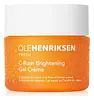
This brightening moisturizer is formulated around 3-O-Ethyl Ascorbic Acid and Tetrahexyldecyl Ascorbate to brighten dull-looking skin and fade the look of dark spots.
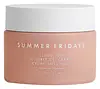
This barrier-repair moisturizer is formulated around Sodium Hyaluronate and Hydrolyzed Sodium Hyaluronate to strengthen the skin barrier and hydrate skin.


What's inside
What's inside
 Key Ingredients
Benefits
Concerns
Ingredients Side-by-side
Water
Skin ConditioningGlycerin
Humectant


Dicaprylyl Carbonate
EmollientPropanediol
Solvent
Caprylic/Capric Triglyceride
Masking
3-O-Ethyl Ascorbic Acid
Skin Conditioning




Glycereth-26
Humectant
Ammonium Acryloyldimethyltaurate/Beheneth-25 Methacrylate Crosspolymer
Emulsion StabilisingHydrolyzed Jojoba Esters
Skin Conditioning

Cetearyl Alcohol
Emollient



Polyacrylate Crosspolymer-6
Emulsion StabilisingHydroxyacetophenone
Antioxidant
Panthenol
Skin Conditioning
Polyglyceryl-3 Methylglucose Distearate
Emulsifying
Tetrahexyldecyl Ascorbate
Antioxidant
Linoleic Acid
Cleansing
Citric Acid
Buffering
Phenoxyethanol
Preservative
Parfum
Masking


Pentaerythrityl Tetra-Di-T-Butyl Hydroxyhydrocinnamate
Antioxidant
Xanthan Gum
EmulsifyingCetearyl Glucoside
Emulsifying
Linolenic Acid
Cleansing
Citrus Aurantium Dulcis Fruit Extract
MaskingCitrus Limon Fruit Extract
Masking
Hippophae Rhamnoides Extract
MaskingLycium Barbarum Fruit Extract
Astringent
Rosa Canina Fruit Extract
Astringent
Ethylhexylglycerin
Skin ConditioningLeuconostoc/Radish Root Ferment Filtrate
Antimicrobial
Sodium Citrate
BufferingCamellia Japonica Flower Extract
EmollientAroma
Sodium Hyaluronate
Humectant

Sodium Polyacrylate
Absorbent
Sodium Phytate
ChelatingHyaluronic Acid
Humectant
Triacetin
AntimicrobialHydrolyzed Vegetable Protein
Skin ConditioningAscorbic Acid
Antioxidant
Tocopherol
Antioxidant
Limonene
Perfuming
Linalool
Perfuming
Benzyl Alcohol
Perfuming
CI 15985
Cosmetic ColorantCI 19140
Cosmetic ColorantWater, Glycerin, Dicaprylyl Carbonate, Propanediol, Caprylic/Capric Triglyceride, 3-O-Ethyl Ascorbic Acid, Glycereth-26, Ammonium Acryloyldimethyltaurate/Beheneth-25 Methacrylate Crosspolymer, Hydrolyzed Jojoba Esters, Cetearyl Alcohol, Polyacrylate Crosspolymer-6, Hydroxyacetophenone, Panthenol, Polyglyceryl-3 Methylglucose Distearate, Tetrahexyldecyl Ascorbate, Linoleic Acid, Citric Acid, Phenoxyethanol, Parfum, Pentaerythrityl Tetra-Di-T-Butyl Hydroxyhydrocinnamate, Xanthan Gum, Cetearyl Glucoside, Linolenic Acid, Citrus Aurantium Dulcis Fruit Extract, Citrus Limon Fruit Extract, Hippophae Rhamnoides Extract, Lycium Barbarum Fruit Extract, Rosa Canina Fruit Extract, Ethylhexylglycerin, Leuconostoc/Radish Root Ferment Filtrate, Sodium Citrate, Camellia Japonica Flower Extract, Aroma, Sodium Hyaluronate, Sodium Polyacrylate, Sodium Phytate, Hyaluronic Acid, Triacetin, Hydrolyzed Vegetable Protein, Ascorbic Acid, Tocopherol, Limonene, Linalool, Benzyl Alcohol, CI 15985, CI 19140
Water
Skin ConditioningPropanediol
Solvent
Dicaprylyl Carbonate
EmollientGlycerin
Humectant
Pentylene Glycol
Skin Conditioning
Sodium Hyaluronate
Humectant
Hydrolyzed Sodium Hyaluronate
Skin Conditioning
Glycine
Buffering
Serine
Masking
Glutamic Acid
Humectant
Aspartic Acid
Masking
Leucine
Skin ConditioningAlanine
Masking
Lysine
Skin ConditioningArginine
Masking
Tyrosine
MaskingPhenylalanine
Masking
Proline
Skin Conditioning
Threonine
Valine
MaskingIsoleucine
Skin ConditioningHistidine
Humectant
Ascorbic Acid
Antioxidant
Saccharide Isomerate
Humectant
Haematococcus Pluvialis Extract
Antioxidant
Ceramide NP
Skin Conditioning
Tocopheryl Acetate
Antioxidant
Tocopherol
Antioxidant
Hexapeptide-11
Skin Conditioning
Palmitoyl Tripeptide-1
Skin Conditioning
Ananas Sativus Fruit Extract
Skin ConditioningSaccharomyces/Magnesium Ferment
Saccharomyces/Copper Ferment
Skin Conditioning
Saccharomyces/Silicon Ferment
Skin Conditioning
Butylene Glycol
Humectant
Glyceryl Acrylate/Acrylic Acid Copolymer
HumectantGlyceryl Caprylate
EmollientSucrose Stearate
EmollientLecithin
Emollient
Polyglyceryl-10 Laurate
Skin Conditioning
Xanthan Gum
EmulsifyingCetearyl Olivate
Sorbitan Olivate
Emulsifying
Sodium Citrate
BufferingCarbomer
Emulsion StabilisingCitric Acid
Buffering
Cetearyl Alcohol
Emollient
Sodium Hydroxide
BufferingLactobacillus Ferment
Skin Conditioning
Leuconostoc/Radish Root Ferment Filtrate
Antimicrobial
Hydroxyacetophenone
Antioxidant
CI 77491
Cosmetic ColorantWater, Propanediol, Dicaprylyl Carbonate, Glycerin, Pentylene Glycol, Sodium Hyaluronate, Hydrolyzed Sodium Hyaluronate, Glycine, Serine, Glutamic Acid, Aspartic Acid, Leucine, Alanine, Lysine, Arginine, Tyrosine, Phenylalanine, Proline, Threonine, Valine, Isoleucine, Histidine, Ascorbic Acid, Saccharide Isomerate, Haematococcus Pluvialis Extract, Ceramide NP, Tocopheryl Acetate, Tocopherol, Hexapeptide-11, Palmitoyl Tripeptide-1, Ananas Sativus Fruit Extract, Saccharomyces/Magnesium Ferment, Saccharomyces/Copper Ferment, Saccharomyces/Silicon Ferment, Butylene Glycol, Glyceryl Acrylate/Acrylic Acid Copolymer, Glyceryl Caprylate, Sucrose Stearate, Lecithin, Polyglyceryl-10 Laurate, Xanthan Gum, Cetearyl Olivate, Sorbitan Olivate, Sodium Citrate, Carbomer, Citric Acid, Cetearyl Alcohol, Sodium Hydroxide, Lactobacillus Ferment, Leuconostoc/Radish Root Ferment Filtrate, Hydroxyacetophenone, CI 77491
Reviews
Ingredients Explained
These ingredients are found in both products.
Ingredients higher up in an ingredient list are typically present in a larger amount.
Ascorbic Acid is is pure Vitamin C and is the biologically active form used directly by skin.
Not only is vitamin C great for your overall health and immune system, but it also has plenty of benefits for your skin. It is best supported by academic literature for:
Topical vitamin C has been shown to help neutralize oxidative stress from UV and pollution, helping to improve photoaging and hyperpigmentation when used consistently.
One clinical study found that using 5% topical vitamin C for six months improved signs of photodamaged skin, both on the surface and in the deeper structural layers of the skin.
While vitamin C doesn’t replace sunscreen, studies show it can boost photoprotection when combined with Vitamin E and ferulic acid. These two ingredients help improve stability and protective effects.
The big downside of this ingredient is formulation difficulty. Vitamin C is prone to oxidation and doesn't penetrate the skin unless formulated correctly. Research found that vitamin C absorbs into the skin best at a low pH (< 3.5) with about 20% being the upper limit for effective absorption.
Skin levels can saturate after repeated application; this means your skin won’t keep absorbing more once it’s full of vitamin C. This is why more isn’t always better with vitamin C and why very high concentrations don’t necessarily give extra benefits.
Ascorbic acid generally works well with many skincare ingredients but can be irritating when combined with other active ingredients. Strong oxidizing acne treatments like benzoyl peroxide can reduce the effectiveness of vitamin C if they are used at the same time; they are often recommended for use at different times of day.
Read more about other types of Vitamin C:
Foods rich with vitamin C include oranges, strawberries, broccoli, bell peppers, and more. When consuming Vitamin C, your skin receives a portion of the nutrients.
Learn more about Ascorbic AcidCetearyl alcohol is a waxy mixture of two fatty alcohols: cetyl alcohol and stearyl alcohol. It is an emollient and emulsifier.
Despite having "alcohol" in its name, it has nothing to do with drying solvent alcohols; the FDA also allows "alcohol-free" products to contain fatty alcohols like this ingredient.
It plays several roles in a formula:
Typical use levels for this ingredient sit around 1-10% and the Cosmetic Ingredient Review Expert Panel has affirmed safety at concentrations up to 25% in leave-on products.
Multiple assessments have found it to be non-irritating and non-sensitizing to most people.
However, there have been some cases of allergic contact dermatitis in patients with chronically compromised skin barriers.
Cetearyl alcohol has a comedogenic rating of 2 and irritancy rating of 1. Both of these numbers come from the 1989 study that used rabbit ears; a "2" means mildly comedogenic and a "1" means low irritancy.
Here's the catch: rabbit skin is more sensitive than human skin and throws a lot of false positives. A 1996 reappraisal found that ingredients rated 1-2 in the rabbit ear tests are generally safe for humans.
Remember comedogenic ratings are unable to assess the entire formula of a product or how it will react on your skin. Just be sure to patch test if you are unsure about certain ingredients.
This ingredient is not fungal acne safe. Cetearyl alcohol is a fatty alcohol with chain lengths that fall within the range that Malassezia can metabolize.
A 2019 study has also observed Malassezia growth in the presence of this ingredient, confirming it to be not-fungal acne safe.
Learn more about Cetearyl AlcoholCitric Acid is an alpha hydroxy acid (AHA) naturally found in citrus fruits like oranges, lemons, and limes.
Like other AHAs, citric acid can exfoliate skin by breaking down the bonds that hold dead skin cells together. This helps reveal smoother and brighter skin underneath.
However, this exfoliating effect only happens at high concentrations (20%) which can be hard to find in cosmetic products.
Due to this, citric acid is usually included in small amounts as a pH adjuster. This helps keep products slightly more acidic and compatible with skin's natural pH.
In skincare formulas, citric acid can:
While it can provide some skin benefits, research shows lactic acid and glycolic acid are generally more effective and less irritating exfoliants.
Most citric acid used in skincare today is made by fermenting sugars (usually from molasses). This synthetic version is identical to the natural citrus form but easier to stabilize and use in formulations.
Rosacea skin has a lower threshold for acids generally, with 62.5% of rosacea subjects in one study reacting to lactic acid in a sting test. This is why we mark citric acid as a potential rosacea trigger.
However, this ingredient shows up as a pH adjuster or chelator at roughly 0.1-1% in many products. These low levels are unlikely to be an issue for rosacea skin and becomes a potential trigger at exfoliating concentrations (20%). Because everybody's skin is unique, we recommend a patch test if you are unsure.
Learn more about Citric AcidDicaprylyl Carbonate comes from carbonic acid and caprylyl alcohol, a fatty alcohol. It is an emollient and gives skin a velvet feel. The sources of Dicaprylyl Carbonate may be synthetic or from animals.
As an emollient, Dicaprylyl Carbonate creates a film on the skin. This film traps moisture in, keeping your skin soft and hydrated.
Glycerin (or glycerol) is a compound naturally found in your skin. It's a powerhouse humectant that pulls water into the stratum corneum.
Topically, glycerin does several things at once:
Your skin makes glycerin on its own (mostly from sebaceous oil breakdown) and shuttles it to your outermost layer of skin, or your epidermis, via aquaporin-3.
Aquaporin-3 is a transporter that is essential for normal skin hydration, elasticity, and repair. Interestingly, mice lacking in AQP3 have dry and less elastic skin that can be fully corrected with glycerin.
This ingredient is non-irritating, plays well with almost every ingredient, and works across all skin types. Typical use is anywhere between 3-10% but can go up to 79% in some leave-on products.
Just know very high concentrations (>40%) can feel tacky in low humidity.
Glycerin is the name for this ingredient in American English. British English uses Glycerol/Glycerine.
Learn more about GlycerinHydroxyacetophenone is a small phenolic molecule that earns its place in a formulas as an antioxidant and preservative booster.
As a phenol, it is able to neutralize free radicals to protect both the product and the skin from oxidative stress.
Though it can't kill microbes on its own, it works as a good supporting agent when combined with other preservatives like Phenoxyethanol or 1,2-Hexanediol.
This ingredient naturally occurs as piceol in Norwegian spruce needles (~0.4-1.1% dry weight and in cloudberries). Though the cosmetic-grade material is synthesized for purity and consistency.
You'll usually see it used at low levels and suppliers recommend up to 1% added to a water phase.
Safety testing was done at concentrations like 0.05% in SPF products and 0.5% in a Human Repeated Insult Patch Test. The safety evidence is assuring; this ingredient is safe for cosmetics in current use and also holds safety status as a food flavoring as well.
An honest caveat: the "soothing" and "anti-inflammatory" claims come mostly from supplier marketing rather than published clinical trials. The Cosmetic Ingredient Review's own literature search found no useful efficacy studies on this ingredient.
So the antioxidant and preservative-boosting roles are the well supported ones while the calming benefit is plausible but thinly evidenced.
Overall, this is a well-tolerated, low-irritation multitasker that quietly helps a formula stay fresh and stable.
Learn more about HydroxyacetophenoneLeuconostoc/Radish Root Ferment Filtrate is a natural preservative. It comes from fermenting radish roots with a bacteria called leuconostoc. The trade name for this ingredient is Leucidal.
Leuconostoc comes from lactic acid.
This ingredient has antimicrobial properties and helps prevent the growth of bacteria in a product.
Leuconostoc is used to make the traditional Korean side-dish, kimchi. It is also used to make sourdough bread (both incredibly yummy foods).
Learn more about Leuconostoc/Radish Root Ferment FiltratePropanediol is an all-star ingredient. It softens, hydrates, and smooths the skin.
It’s often used to:
Propanediol is not likely to cause sensitivity and considered safe to use. It is derived from corn or petroleum with a clear color and no scent.
Learn more about PropanediolSodium Citrate is the sodium salts of citric acid. In skincare, it is used to alter pH levels and acts as a preservative.
Its main functions are to maintain the pH of a product and neutralize metal ions.
The acidity of our skin is maintained by our glands and skin biome; normal pH level of skin is slightly acidic (~4.75-5.5).
Being slightly acidic allows our skin to create an "acid mantle". This acid mantle is a thin barrier that protects our skin from bacteria and contaminants.
Learn more about Sodium CitrateSodium Hyaluronate is the salt form of hyaluronic acid. It is a long sugar chain that is naturally found in your skin, joints, and connective tissue that maintains hydration and elasticity.
In skincare, it works as a humectant. It pulls water from the environment and deeper layers of skin and binds it to the surface.
Interestingly, the size of the molecule affects its behavior:
Some clinical evidence links low molecular weight versions to improved wrinkle depth, elasticity, anti-inflammatory effects, and barrier repair.
Many serums use a blend of both weights so you can get surface hydration plus longer-lasting and deeper effects.
You'll typically see concentrations between 0.1-2% for this ingredient.
Learn more about Sodium HyaluronateTocopherol is a fat-soluble antioxidant known as Vitamin E.
You'll find this ingredient in the vast majority of skincare (for good reason). It works to neutralize free radicals, or unstable molecules generated by UV exposure, pollution, and other environmental stressors, before they can cause oxidative damage to your skin cells.
Topically applied tocopherol has been shown to protect against UV damage by ramping up the skin's own natural defense enzymes.
It also acts as a skin conditioning agent; some studies show that regular topical use can improve the skin's water-binding capacity over 2-4 weeks.
This ingredient is especially loved for being a team player. When combined with Vitamin C, the photoprotective effect of both ingredients roughly doubles and the combo also helps reduce UV-induced DNA damage.
This ingredient has some brightening potential but it's more of a prevention ingredient than spot-fader. Cell studies show it can slow down melanin production but it's worth noting that it's not the most powerful brightener out there.
In formulations, it also serves as a stabilizer that helps protect other oxidation-prone ingredients from degrading.
Concentrations usually range from 0.1-1% in most leave-on products.
Learn more about TocopherolWater. It's the most common cosmetic ingredient of all. You'll usually see it at the top of ingredient lists, meaning that it makes up the largest part of the product.
So why is it so popular? Water most often acts as a solvent - this means that it helps dissolve other ingredients into the formulation.
You'll also recognize water as that liquid we all need to stay alive. If you see this, drink a glass of water. Remember to stay hydrated!
Learn more about WaterXanthan gum is used as a stabilizer and thickener within cosmetic products. It helps give products a sticky, thick feeling - preventing them from being too runny.
On the technical side of things, xanthan gum is a polysaccharide - a combination consisting of multiple sugar molecules bonded together.
Xanthan gum is a pretty common and great ingredient. It is a natural, non-toxic, non-irritating ingredient that is also commonly used in food products.
Learn more about Xanthan Gum

