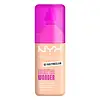
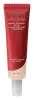
NYX Cosmetics Make 'Em Wonder Soft Matte Buildable Foundation Versus Missha M Perfect Cover BB Cream SPF42 PA+++


What's inside
What's inside
 Key Ingredients
Benefits
Concerns
Ingredients Side-by-side
Water
Skin ConditioningDimethicone
Emollient

Isododecane
EmollientIsohexadecane
EmollientAcrylates/Polytrimethylsiloxymethacrylate Copolymer
Skin ConditioningTrimethylsiloxysilicate
Emollient
Butylene Glycol
Humectant

Silica
Abrasive


Lauryl PEG-9 Polydimethylsiloxyethyl Dimethicone
Skin Conditioning
PEG-10 Dimethicone
Skin Conditioning
Cellulose
Absorbent
Magnesium Sulfate
Phenoxyethanol
Preservative
Disteardimonium Hectorite
StabilisingTriethoxycaprylylsilane
Dimethicone/Polyglycerin-3 Crosspolymer
Cleansing
Cetyl PEG/PPG-10/1 Dimethicone
Emulsifying
Ethylhexyl Palmitate
Emollient




Caprylyl Glycol
Emollient
Propylene Carbonate
SolventSilica Silylate
Emollient
Trisodium Ethylenediamine Disuccinate
ChelatingEthylhexylglycerin
Skin ConditioningAlumina
Abrasive
Oryza Sativa Starch
AbsorbentPropylene Glycol
Humectant
Kaolin
Abrasive
Disodium Stearoyl Glutamate
CleansingPaullinia Cupana Seed Extract
Skin ConditioningDipropylene Glycol
HumectantTrihydroxystearin
Skin Conditioning
Aluminum Hydroxide
EmollientTocopherol
Antioxidant





Sodium Hyaluronate
Humectant
Pentaerythrityl Tetra-Di-T-Butyl Hydroxyhydrocinnamate
Antioxidant
Glucomannan
Skin ConditioningCI 77491
Cosmetic ColorantCI 77492
Cosmetic ColorantCI 77499
Cosmetic ColorantCI 77891
Cosmetic ColorantCI 77007
Cosmetic ColorantWater, Dimethicone, Isododecane, Isohexadecane, Acrylates/Polytrimethylsiloxymethacrylate Copolymer, Trimethylsiloxysilicate, Butylene Glycol, Silica, Lauryl PEG-9 Polydimethylsiloxyethyl Dimethicone, PEG-10 Dimethicone, Cellulose, Magnesium Sulfate, Phenoxyethanol, Disteardimonium Hectorite, Triethoxycaprylylsilane, Dimethicone/Polyglycerin-3 Crosspolymer, Cetyl PEG/PPG-10/1 Dimethicone, Ethylhexyl Palmitate, Caprylyl Glycol, Propylene Carbonate, Silica Silylate, Trisodium Ethylenediamine Disuccinate, Ethylhexylglycerin, Alumina, Oryza Sativa Starch, Propylene Glycol, Kaolin, Disodium Stearoyl Glutamate, Paullinia Cupana Seed Extract, Dipropylene Glycol, Trihydroxystearin, Aluminum Hydroxide, Tocopherol, Sodium Hyaluronate, Pentaerythrityl Tetra-Di-T-Butyl Hydroxyhydrocinnamate, Glucomannan, CI 77491, CI 77492, CI 77499, CI 77891, CI 77007
Water
Skin ConditioningCyclomethicone
Emollient
Ethylhexyl Methoxycinnamate
UV Absorber


Zinc Oxide
Cosmetic Colorant
Propylene Glycol
Humectant
Titanium Dioxide
Cosmetic Colorant
Caprylic/Capric Triglyceride
Masking
PEG-10 Dimethicone
Skin Conditioning
Cetyl PEG/PPG-10/1 Dimethicone
Emulsifying
Arbutin
Antioxidant
Paraffinum Liquidum
Emollient
Glycerin
Humectant
CI 77492
Cosmetic ColorantPolyethylene
Abrasive
Talc
Abrasive
Phenyl Trimethicone
Skin Conditioning
Beeswax
Emulsion Stabilising
Sodium Chloride
MaskingCI 77491
Cosmetic ColorantCI 77499
Cosmetic ColorantMethylparaben
Preservative
Dimethicone
Emollient
Propylparaben
Preservative
Rosa Canina Fruit Oil
Emollient
Simmondsia Chinensis Seed Oil
Emollient
Squalane
Emollient
Hydrolyzed Collagen
Emollient
Macadamia Ternifolia Seed Oil
Emollient
Disodium EDTA
ChelatingAdenosine
Skin Conditioning
Algae Extract
Emollient
Rosmarinus Officinalis Leaf Extract
AntimicrobialChamomilla Recutita Flower Extract
Masking
Sodium Hyaluronate
Humectant
Fagus Sylvatica Bud Extract
TonicCeramide NP
Skin Conditioning
Parfum
Masking

Hydroxyisohexyl 3-Cyclohexene Carboxaldehyde
Masking
Butylphenyl Methylpropional
Perfuming
Benzyl Salicylate
Perfuming
Hydroxycitronellal
Perfuming
Alpha-Isomethyl Ionone
Perfuming
Hexyl Cinnamal
Perfuming
Linalool
Perfuming
Citronellol
Perfuming
Water, Cyclomethicone, Ethylhexyl Methoxycinnamate, Zinc Oxide, Propylene Glycol, Titanium Dioxide, Caprylic/Capric Triglyceride, PEG-10 Dimethicone, Cetyl PEG/PPG-10/1 Dimethicone, Arbutin, Paraffinum Liquidum, Glycerin, CI 77492, Polyethylene, Talc, Phenyl Trimethicone, Beeswax, Sodium Chloride, CI 77491, CI 77499, Methylparaben, Dimethicone, Propylparaben, Rosa Canina Fruit Oil, Simmondsia Chinensis Seed Oil, Squalane, Hydrolyzed Collagen, Macadamia Ternifolia Seed Oil, Disodium EDTA, Adenosine, Algae Extract, Rosmarinus Officinalis Leaf Extract, Chamomilla Recutita Flower Extract, Sodium Hyaluronate, Fagus Sylvatica Bud Extract, Ceramide NP, Parfum, Hydroxyisohexyl 3-Cyclohexene Carboxaldehyde, Butylphenyl Methylpropional, Benzyl Salicylate, Hydroxycitronellal, Alpha-Isomethyl Ionone, Hexyl Cinnamal, Linalool, Citronellol
Reviews
Ingredients Explained
These ingredients are found in both products.
Ingredients higher up in an ingredient list are typically present in a larger amount.
This ingredient is a silicone-based emulsifer that helps the water and oil phases play nicely together.
It's pretty effective because one end of the molecule loves oil and the other one loves water.
Besides holding formulas together, it also leaves a silky and lightweight feel on skin without the greasiness. A manufacturer also claims it can help with the controlled release of active ingredients.
The CIR Expert Panel found this ingredient to not be sensitizing in concentrations up to 15% in human maximazation testing and dimethicone-based compounds were not comedogenic.
It has a high molecular weight well above 1,000 g/mol which means it limits meaningful skin penetration.
A 2019 study specifically tested this ingredient and found no observable Malassezia growth in its presence.
Learn more about Cetyl PEG/PPG-10/1 DimethiconeCi 77491 is also hydrated iron III oxide. It's sole purpose is to give a red/pink hue to products.
Iron III oxides are classified as inorganic chemicals for coloring.
Synthetically created Ci 77491 is considered safer than those naturally found. This is because the synthetically created version may contain less impurities. Iron oxides are generally non-toxic and non-allergenic.
Learn more about CI 77491CI 77492 is also hydrated iron III oxide. It's sole purpose is to give a yellow hue to products.
Iron III oxides are classified as inorganic chemicals for coloring.
Synthetically created CI 77492 is considered safer than those naturally found. This is because the synthetically created version may contain less impurities. Iron oxides are generally non-toxic and non-allergenic.
Learn more about CI 77492Ci 77499 is also hydrated iron III oxide. It is created from mixing red and black iron oxides. This helps give shades of darkness to a product.
Iron III oxides are classified as inorganic chemicals for coloring.
Dimethicone is a type of synthetic silicone created from natural materials such as quartz. It is also known as polydimethylsiloxane.
What it does:
Dimethicone comes in different viscosities:
Depending on the viscosity, dimethicone has different properties.
Ingredients lists don't always show which type is used, so we recommend reaching out to the brand if you have questions about the viscosity.
This ingredient is unlikely to cause irritation because it does not get absorbed into skin. However, people with silicone allergies should be careful about using this ingredient.
Note: Dimethicone may contribute to pilling. This is because it is not oil or water soluble, so pilling may occur when layered with products. When mixed with heavy oils in a formula, the outcome is also quite greasy.
Learn more about DimethiconePeg-10 Dimethicone is silicone with conditioner and emulsifier properties. It mostly acts as an emollient in skincare and and humectant in haircare.
According to the manufacturer, acidic formulations decrease the stability of this ingredient. It works best in neutral or near neutral formulations.
Propylene Glycol is a synthetic, colorless, odorless liquid that has been a staple in cosmetics for decades. It is a skin conditioning agent, humectant, and solvent.
As a humectant, it draw water to the skin to reduce flaking and restore suppleness. It's also a solvent that helps dissolve other actives and keeps formulas stable across temperature changes.
The CIR Expert Panel has confirmed this ingredient to be nontoxic and clinical studies show no sensitization at cosmetic use concentrations.
True allergic reactions are quite rare: a 15-year retrospective study of 6,751 patients found only 0.31% had a positive reaction (and less than half were considered clinically relevant).
It seemed that when sensitization does occur, it's most commonly linked to topical medication (like corticosteroids) and not cosmetics. Allergic contact dermatitis also appears largely limited to individuals with underlying skin conditions.
Overall, propylene glycol is a well-studied ingredient that most people can tolerate without issue.
Learn more about Propylene GlycolSodium Hyaluronate is the salt form of hyaluronic acid. It is a long sugar chain that is naturally found in your skin, joints, and connective tissue that maintains hydration and elasticity.
In skincare, it works as a humectant. It pulls water from the environment and deeper layers of skin and binds it to the surface.
Interestingly, the size of the molecule affects its behavior:
Some clinical evidence links low molecular weight versions to improved wrinkle depth, elasticity, anti-inflammatory effects, and barrier repair.
Many serums use a blend of both weights so you can get surface hydration plus longer-lasting and deeper effects.
You'll typically see concentrations between 0.1-2% for this ingredient.
Learn more about Sodium HyaluronateWater. It's the most common cosmetic ingredient of all. You'll usually see it at the top of ingredient lists, meaning that it makes up the largest part of the product.
So why is it so popular? Water most often acts as a solvent - this means that it helps dissolve other ingredients into the formulation.
You'll also recognize water as that liquid we all need to stay alive. If you see this, drink a glass of water. Remember to stay hydrated!
Learn more about Water

