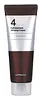
This anti-aging moisturizer is formulated around Panax Ginseng Root Extract and Niacinamide to soften the look of wrinkles and hydrate skin.
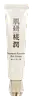
This barrier-repair eye moisturizer is formulated around Squalane and Lactobacillus/Rice Ferment to strengthen the skin barrier and hydrate skin.


What's inside
What's inside
 Key Ingredients
No key ingredients
Benefits
Concerns
Ingredients Side-by-side
Panax Ginseng Root Extract
Emollient



Glycerin
Humectant
Caprylic/Capric Triglyceride
Masking
Water
Skin ConditioningBetaine
Humectant
Cyclohexasiloxane
Emollient
Butyrospermum Parkii Butter
Skin Conditioning




Polyglyceryl-3 Methylglucose Distearate
Emulsifying
Behenyl Alcohol
Emollient
Niacinamide
Smoothing







Macadamia Integrifolia Seed Oil
Skin Conditioning
Pentaerythrityl Tetraethylhexanoate
Emollient
Hydrogenated Polydecene
EmollientCyclopentasiloxane
Emollient
Glyceryl Stearate
Emollient
Cetyl Alcohol
Emollient
Polyglycerin-3
Humectant
Hydrogenated Poly(C6-14 Olefin)
EmollientDioscorea Japonica Root Extract
Skin Conditioning
Centella Asiatica Extract
Cleansing
Ficus Carica Fruit Extract
Humectant
Elaeis Guineensis Oil
Emollient
Calendula Officinalis Flower Oil
Masking


Hydrogenated Lecithin
Emulsifying
Sodium Hyaluronate
Humectant
Pentaerythrityl Distearate
Emulsifying
Polyglyceryl-10 Laurate
Skin Conditioning
Beta-Glucan
Skin Conditioning
Hydroxyethyl Acrylate/Sodium Acryloyldimethyl Taurate Copolymer
Emulsion StabilisingMethylpropanediol
SolventDimethiconol
Emollient
Sodium Stearoyl Glutamate
CleansingPolyquaternium-51
Skin Conditioning
Acrylates/C10-30 Alkyl Acrylate Crosspolymer
Emulsion StabilisingHydrolyzed Ginseng Root
Skin ConditioningGlycosyl Trehalose
Emulsion StabilisingTromethamine
BufferingHydrogenated Starch Hydrolysate
HumectantAdenosine
Skin Conditioning
Raffinose
Skin ConditioningDisodium EDTA
ChelatingSorbitan Isostearate
Emulsifying
Cetearyl Alcohol
Emollient
Lecithin
Emollient
Glyceryl Stearate Se
Emulsifying
Butylene Glycol
Humectant
Hydrolyzed Corn Starch
HumectantPanthenol
Skin Conditioning
Cholesterol
Emollient
Sucrose
Humectant
Ceramide NP
Skin Conditioning
Cyanocobalamin
Skin ConditioningFolic Acid
Skin ConditioningBiosaccharide Gum-1
Humectant
Hydroxydecyl Ubiquinone
Antioxidant
Palmitoyl Pentapeptide-4
Skin Conditioning
Retinol
Skin Conditioning
1,2-Hexanediol
Skin Conditioning
Parfum
Masking
Hydroxyacetophenone
Antioxidant
Ethylhexylglycerin
Skin ConditioningPanax Ginseng Root Extract, Glycerin, Caprylic/Capric Triglyceride, Water, Betaine, Cyclohexasiloxane, Butyrospermum Parkii Butter, Polyglyceryl-3 Methylglucose Distearate, Behenyl Alcohol, Niacinamide, Macadamia Integrifolia Seed Oil, Pentaerythrityl Tetraethylhexanoate, Hydrogenated Polydecene, Cyclopentasiloxane, Glyceryl Stearate, Cetyl Alcohol, Polyglycerin-3, Hydrogenated Poly(C6-14 Olefin), Dioscorea Japonica Root Extract, Centella Asiatica Extract, Ficus Carica Fruit Extract, Elaeis Guineensis Oil, Calendula Officinalis Flower Oil, Hydrogenated Lecithin, Sodium Hyaluronate, Pentaerythrityl Distearate, Polyglyceryl-10 Laurate, Beta-Glucan, Hydroxyethyl Acrylate/Sodium Acryloyldimethyl Taurate Copolymer, Methylpropanediol, Dimethiconol, Sodium Stearoyl Glutamate, Polyquaternium-51, Acrylates/C10-30 Alkyl Acrylate Crosspolymer, Hydrolyzed Ginseng Root, Glycosyl Trehalose, Tromethamine, Hydrogenated Starch Hydrolysate, Adenosine, Raffinose, Disodium EDTA, Sorbitan Isostearate, Cetearyl Alcohol, Lecithin, Glyceryl Stearate Se, Butylene Glycol, Hydrolyzed Corn Starch, Panthenol, Cholesterol, Sucrose, Ceramide NP, Cyanocobalamin, Folic Acid, Biosaccharide Gum-1, Hydroxydecyl Ubiquinone, Palmitoyl Pentapeptide-4, Retinol, 1,2-Hexanediol, Parfum, Hydroxyacetophenone, Ethylhexylglycerin
Water
Skin ConditioningButylene Glycol
Humectant
Hydrogenated Poly(C6-12 Olefin)
Skin ConditioningGlycerin
Humectant
Pentylene Glycol
Skin Conditioning
Caprylic/Capric Triglyceride
Masking
Phytosteryl/Isostearyl/Cetyl/Stearyl/Behenyl Dimer Dilinoleate
Skin Conditioning
Behenyl Alcohol
Emollient
Inositol
Humectant
Phytosteryl Macadamiate
Skin Conditioning
Butyrospermum Parkii Butter
Skin Conditioning
Hydrogenated Lecithin
Emulsifying
1,2-Hexanediol
Skin Conditioning
Hydroxyethyl Acrylate/Sodium Acryloyldimethyl Taurate Copolymer
Emulsion StabilisingPEG-40 Hydrogenated Castor Oil
Emulsifying
Squalane
Emollient
PEG-6
HumectantDiglycerin
Humectant
Lauroyl Lysine
Skin Conditioning
PEG-32
HumectantGlyceryl Stearate
Emollient
Acrylates/C10-30 Alkyl Acrylate Crosspolymer
Emulsion StabilisingLactobacillus/Rice Ferment
Skin Conditioning
Polysorbate 60
Emulsifying
Bis-Ethoxydiglycol Cyclohexane 1,4-Dicarboxylate
EmollientEthylhexylglycerin
Skin ConditioningRice Ferment Filtrate
Skin Conditioning
Pvp
Emulsion StabilisingCyclodextrin
AbsorbentSodium Hydroxide
BufferingMaltitol
HumectantHydrolyzed Rice Protein
Skin ConditioningHydrolyzed Soy Protein
Humectant
Arginine
Masking
Hydrolyzed Rice Extract
Skin Conditioning
Water, Butylene Glycol, Hydrogenated Poly(C6-12 Olefin), Glycerin, Pentylene Glycol, Caprylic/Capric Triglyceride, Phytosteryl/Isostearyl/Cetyl/Stearyl/Behenyl Dimer Dilinoleate, Behenyl Alcohol, Inositol, Phytosteryl Macadamiate, Butyrospermum Parkii Butter, Hydrogenated Lecithin, 1,2-Hexanediol, Hydroxyethyl Acrylate/Sodium Acryloyldimethyl Taurate Copolymer, PEG-40 Hydrogenated Castor Oil, Squalane, PEG-6, Diglycerin, Lauroyl Lysine, PEG-32, Glyceryl Stearate, Acrylates/C10-30 Alkyl Acrylate Crosspolymer, Lactobacillus/Rice Ferment, Polysorbate 60, Bis-Ethoxydiglycol Cyclohexane 1,4-Dicarboxylate, Ethylhexylglycerin, Rice Ferment Filtrate, Pvp, Cyclodextrin, Sodium Hydroxide, Maltitol, Hydrolyzed Rice Protein, Hydrolyzed Soy Protein, Arginine, Hydrolyzed Rice Extract
Reviews
Ingredients Explained
These ingredients are found in both products.
Ingredients higher up in an ingredient list are typically present in a larger amount.
1,2-Hexanediol is a synthetic liquid and another multi-functional powerhouse.
It is a:
- Humectant, drawing moisture into the skin
- Emollient, helping to soften skin
- Solvent, dispersing and stabilizing formulas
- Preservative booster, enhancing the antimicrobial activity of other preservatives
Acrylates/C10-30 Alkyl Acrylate Crosspolymer is a synthetic polymer. It is used to thicken, emulsify, and improve the texture of products.
As an emulsifier, it helps stabilize oil-in-water emulsions to give products an elegant feel when applied.
It can also form a thin protective film on skin. One study found that a formula using this polymer helped slow down how quickly other ingredients (like DEET) were absorbed through skin.
A 2024 study of over 1,300 patients confirmed that sensitization to this ingredient is rare. It is also non-mutagenic and has a clean track record.
Learn more about Acrylates/C10-30 Alkyl Acrylate CrosspolymerBehenyl Alcohol is a type of fatty alcohol (these are different from the drying, solvent alcohols).
Fatty Alcohols have hydrating properties and are most often used as an emollient or to thicken a product. They are usually derived from natural fats and oils; behenyl alcohol is derived from the fats of vegetable oils.
Emollients help keep your skin soft and hydrated by creating a film that traps moisture in.
In 2000, Behenyl Alcohol was approved by the US as medicine to reduce the duration of cold sores.
Learn more about Behenyl AlcoholButylene Glycol (or BG) is used within cosmetic products for a few different reasons:
Overall, Butylene Glycol is a safe and well-rounded ingredient that works well with other ingredients.
Though this ingredient works well with most skin types, some people with sensitive skin may experience a reaction such as allergic rashes, closed comedones, or itchiness.
Learn more about Butylene GlycolThis ingredient is also known as shea butter. It is a plant-derived extract from the nuts of the Africa shea tree and one of the most well-studied emollients.
Because it has a high concentration of fatty acids (primarily oleic, stearic, and linoleic) it is able to form a protective barrier on the skin's surface. This helps seal in moisture and prevents transepidermal water loss (TEWL).
In vitro research found an increase in skin hydration by 58% and a decrease in TEWL by 37.8% after 24 hours of applying this ingredient (pretty impressive for a single ingredient!).
Besides hydration, shea butter also contains triterpenes that have anti-inflammatory potential. In particule, lupeol cinnamate has shown the highest anti-inflammatory activity in vivo.
Shea butter also contains vitamins A and E which may contribute to antioxidant activity.
While Shea Butter has an SPF rating of about 3-4, it is not a sunscreen replacement.
This ingredient may not be fungal acne safe because its fatty acids fall within the C11-C24 range that the Malassezia yeast can metabolize.
This ingredient shows up on a lot of "pore-clogging" lists but there's no real evidence behind that. It doesn't even have a comedogenic rating from an actual study; the numbers you'll find online come from blogs citing other blogs.
Ratings for other ingredients mostly come from a 1980s rabbit ear test. This test doesn't translate well to human skin or to real products because the ingredient sits at a much lower percentage.
Some people still find it breaks them out. So if that's you, definitely trust your skin. Just know this one's based on experience and not evidence.
Learn more about Butyrospermum Parkii ButterCaprylic/Capric Triglyceride (aka MCT Oil) is a lightweight emollient, solvent, and texture enhancer. It is considered a skin-softener by helping to prevent moisture loss.
Though it behaves like an oil, it is not technically one due to its chemical composition. One perk of this ingredient is that it is very stable, resistant to oxidation, and unlikely to go rancid.
In practice, that translates to a long shelf life and a consistently elegant skin feel.
While there is an assumption Caprylic Triglyceride can clog pores due to it being derived from coconut oil, there is no research supporting this. Just patch test if you have concerns.
Fractionated coconut oil and MCT Oil are both listed as Caprylic/Capric Triglyceride according to INCI. This is because INCI names are based on the ingredient’s final chemical composition and not its marketing name or source.
This ingredient is treated as the gold standard fungal acne safe oil. Even though it is coconut derived, the problematic lauric acid is stripped out.
This leaves just caprylic (C8) and capric (C10) acid. These chain lengths actually trend antifungal; a 2020 study found caprylic acid was enough to disrupt Malassezia furfur cell membrane, with a caprylic acid derivative damaging membrane structures at concentrations as low as 0.2%.
Learn more about Caprylic/Capric TriglycerideEthylhexylglycerin is created from glycerin. It is a multitasker ingredient that:
The CIR Expert Panel found minimal skin absorption or sensitization of any kind in a safety assessment. Though this ingredient is considered well-tolerated, a small number of cases of allergic dermatitis have been published since 2002. Just be sure to patch test if you are unsure.
Industry-reported use ranges from 8% in rinse-off products and 2% in leave-on formulations.
Learn more about EthylhexylglycerinGlycerin (or glycerol) is a compound naturally found in your skin. It's a powerhouse humectant that pulls water into the stratum corneum.
Topically, glycerin does several things at once:
Your skin makes glycerin on its own (mostly from sebaceous oil breakdown) and shuttles it to your outermost layer of skin, or your epidermis, via aquaporin-3.
Aquaporin-3 is a transporter that is essential for normal skin hydration, elasticity, and repair. Interestingly, mice lacking in AQP3 have dry and less elastic skin that can be fully corrected with glycerin.
This ingredient is non-irritating, plays well with almost every ingredient, and works across all skin types. Typical use is anywhere between 3-10% but can go up to 79% in some leave-on products.
Just know very high concentrations (>40%) can feel tacky in low humidity.
Glycerin is the name for this ingredient in American English. British English uses Glycerol/Glycerine.
Learn more about GlycerinGlyceryl Stearate is made by reacting glycerin with stearic acid (typically sourced from plant oils like palm or coconut). It's an emulsifier, emollient, and mild occlusive.
Emulsifiers help ingredients like oil and water stay mixed so your formula stays nicely blended and uniform in texture.
This ingredient is typically used in concentrations between 1-10%. Studies have found it to be non-sensitizing, non-phototoxic, and non-photoallergenic.
A close cousin of this ingredient is Glyceryl Stearate SE ("self-emulsifying"). This just has a small amount of sodium or potassium stearate added so it can emulsify without a co-emulsifier.
Since this ingredient is an ester of a C18 fatty acid, it may not be fungal acne safe. The Malassezia yeast can potentially metabolize within the C11-C24 range.
Fun fact: The human body also creates Glyceryl Stearate naturally.
Learn more about Glyceryl StearateHydrogenated Lecithin is a more stable version of lecithin.
It's made by taking lecithin (a phospholipid commonly found in soybeans and egg yolks) and hydrogenating it. This just means the unsaturated fatty acids are turned into saturated ones so they don't go bad as easily.
This ingredient is an emollient, emulsifier, and penetration enhancer. As an emollient, it helps soften and hydrate skin by trapping moisture within. As an emulsifier, it prevents oil and water ingredients from separating.
Hydrogenated Lecithin can form tiny spherical structures made of phospholipid bilayers called liposomes. These liposomes are able to capture compounds inside their structure and deliver them through the skin barrier.
Because phospholipids are a natural component of our cell membranes, this ingredient is inherently compatible with skin.
A 2021 study found lecithin-based surfactants were less harsh and more tolerable comared to Sodium Lauryl Sulfate (SLS).
Learn more about Hydrogenated LecithinThis is a synthetic polymer. It helps improve the texture of products by adding thickness and gel-like feel.
It is also an emulsifer, meaning it prevents ingredients such as oil and water from separating. It also helps evenly disperse other ingredients.
Water. It's the most common cosmetic ingredient of all. You'll usually see it at the top of ingredient lists, meaning that it makes up the largest part of the product.
So why is it so popular? Water most often acts as a solvent - this means that it helps dissolve other ingredients into the formulation.
You'll also recognize water as that liquid we all need to stay alive. If you see this, drink a glass of water. Remember to stay hydrated!
Learn more about Water

