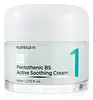
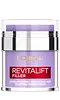
Numbuzin No.1 Pantothenic B5 Active Soothing Cream Versus L'Oreal Revitalift Filler Micro-Epidermic Hyaluronic Acid Plumping Water-Cream
This calming moisturizer is formulated around Niacinamide and Centella Asiatica Extract to calm redness and balance excess oil.
This anti-aging moisturizer is formulated around Niacinamide and Sodium Acetylated Hyaluronate to soften the look of wrinkles and hydrate skin.


What's inside
What's inside
 Key Ingredients
Benefits
Concerns
Ingredients Side-by-side
Water
Skin ConditioningButylene Glycol
Humectant

Glycerin
Humectant
Niacinamide
Smoothing









Cetyl Ethylhexanoate
EmollientDicaprylyl Carbonate
Emollient1,2-Hexanediol
Skin Conditioning
Pentylene Glycol
Skin Conditioning
Vinyldimethicone

Centella Asiatica Extract
Cleansing
Chlorella Vulgaris Extract
Skin ConditioningSophora Angustifolia Root Extract
Skin ConditioningMelia Azadirachta Leaf Extract
Skin ConditioningMelia Azadirachta Flower Extract
Skin ConditioningCoccinia Indica Fruit Extract
Skin Conditioning
Ocimum Sanctum Leaf Extract
Skin ConditioningCurcuma Longa Root Extract
Antioxidant

Aloe Barbadensis Flower Extract
EmollientSolanum Melongena Fruit Extract
Skin ConditioningCorallina Officinalis Extract
Skin Conditioning

Camellia Sinensis Leaf Extract
Antimicrobial
Centella Asiatica Leaf Extract
Skin Conditioning
Cladosiphon Okamuranus Extract
Skin Conditioning
Salix Alba Bark Extract
Astringent
Houttuynia Cordata Extract
Skin Conditioning
Coffea Arabica Seed Extract
Masking
Citrus Aurantium Bergamia Leaf Extract
AstringentPinus Densiflora Leaf Extract
Antimicrobial
Alpha-Arbutin
Antioxidant
Argania Spinosa Kernel Oil
Emollient


Sesamum Indicum Seed Oil
Emollient
Serenoa Serrulata Fruit Extract
Skin Conditioning
Glycyrrhiza Glabra Root Extract
Bleaching
Caprylyl Methicone
Skin Conditioning
Erythritol
Humectant
Panthenol
Skin Conditioning
Hydroxyethyl Acrylate/Sodium Acryloyldimethyl Taurate Copolymer
Emulsion StabilisingDimethiconol
Emollient
Polymethylsilsesquioxane
Acrylates/C10-30 Alkyl Acrylate Crosspolymer
Emulsion StabilisingGlucose
Humectant
Tromethamine
BufferingSilica
Abrasive
Fructooligosaccharides
Humectant
Fructose
Humectant
Ethylhexylglycerin
Skin ConditioningSodium Phytate
ChelatingGlyceryl Acrylate/Acrylic Acid Copolymer
HumectantCaprylic/Capric Triglyceride
Masking
Hydrogenated Lecithin
Emulsifying
Tocopherol
Antioxidant
Decyl Glucoside
Cleansing
Pantothenic Acid
Skin ConditioningPolyglyceryl-4 Caprate
EmulsifyingPolyglyceryl-6 Caprylate
EmulsifyingZinc PCA
Humectant
Methyl Diisopropyl Propionamide
MaskingBeta-Sitosterol
Emulsion Stabilising
Xanthan Gum
EmulsifyingWater, Butylene Glycol, Glycerin, Niacinamide, Cetyl Ethylhexanoate, Dicaprylyl Carbonate, 1,2-Hexanediol, Pentylene Glycol, Vinyldimethicone, Centella Asiatica Extract, Chlorella Vulgaris Extract, Sophora Angustifolia Root Extract, Melia Azadirachta Leaf Extract, Melia Azadirachta Flower Extract, Coccinia Indica Fruit Extract, Ocimum Sanctum Leaf Extract, Curcuma Longa Root Extract, Aloe Barbadensis Flower Extract, Solanum Melongena Fruit Extract, Corallina Officinalis Extract, Camellia Sinensis Leaf Extract, Centella Asiatica Leaf Extract, Cladosiphon Okamuranus Extract, Salix Alba Bark Extract, Houttuynia Cordata Extract, Coffea Arabica Seed Extract, Citrus Aurantium Bergamia Leaf Extract, Pinus Densiflora Leaf Extract, Alpha-Arbutin, Argania Spinosa Kernel Oil, Sesamum Indicum Seed Oil, Serenoa Serrulata Fruit Extract, Glycyrrhiza Glabra Root Extract, Caprylyl Methicone, Erythritol, Panthenol, Hydroxyethyl Acrylate/Sodium Acryloyldimethyl Taurate Copolymer, Dimethiconol, Polymethylsilsesquioxane, Acrylates/C10-30 Alkyl Acrylate Crosspolymer, Glucose, Tromethamine, Silica, Fructooligosaccharides, Fructose, Ethylhexylglycerin, Sodium Phytate, Glyceryl Acrylate/Acrylic Acid Copolymer, Caprylic/Capric Triglyceride, Hydrogenated Lecithin, Tocopherol, Decyl Glucoside, Pantothenic Acid, Polyglyceryl-4 Caprate, Polyglyceryl-6 Caprylate, Zinc PCA, Methyl Diisopropyl Propionamide, Beta-Sitosterol, Xanthan Gum
Water
Skin ConditioningPropylene Glycol
Humectant
Glycerin
Humectant
Dimethicone
Emollient
Alcohol Denat.
Antimicrobial


Octyldodecanol
Emollient
Caprylyl Methicone
Skin Conditioning
Betaine
Humectant
Niacinamide
Smoothing
Isohexadecane
EmollientHydroxypalmitoyl Sphinganine
Skin Conditioning
Sodium Acetylated Hyaluronate
Humectant
Sodium Hyaluronate
Humectant
Sodium Hydroxide
Buffering2-Oleamido-1,3-Octadecanediol
Skin ConditioningTocopheryl Acetate
Antioxidant
Ceramide NP
Skin Conditioning
Hydrogenated Lecithin
Emulsifying
Acrylates/C10-30 Alkyl Acrylate Crosspolymer
Emulsion StabilisingCarbomer
Emulsion StabilisingXanthan Gum
EmulsifyingDimethiconol
Emollient
Citronellol
Perfuming
Linalool
Perfuming
Chlorphenesin
Antimicrobial
Phenoxyethanol
Preservative
Parfum
Masking
Water, Propylene Glycol, Glycerin, Dimethicone, Alcohol Denat., Octyldodecanol, Caprylyl Methicone, Betaine, Niacinamide, Isohexadecane, Hydroxypalmitoyl Sphinganine, Sodium Acetylated Hyaluronate, Sodium Hyaluronate, Sodium Hydroxide, 2-Oleamido-1,3-Octadecanediol, Tocopheryl Acetate, Ceramide NP, Hydrogenated Lecithin, Acrylates/C10-30 Alkyl Acrylate Crosspolymer, Carbomer, Xanthan Gum, Dimethiconol, Citronellol, Linalool, Chlorphenesin, Phenoxyethanol, Parfum
Reviews
Ingredients Explained
These ingredients are found in both products.
Ingredients higher up in an ingredient list are typically present in a larger amount.
Acrylates/C10-30 Alkyl Acrylate Crosspolymer is a synthetic polymer. It is used to thicken, emulsify, and improve the texture of products.
As an emulsifier, it helps stabilize oil-in-water emulsions to give products an elegant feel when applied.
It can also form a thin protective film on skin. One study found that a formula using this polymer helped slow down how quickly other ingredients (like DEET) were absorbed through skin.
A 2024 study of over 1,300 patients confirmed that sensitization to this ingredient is rare. It is also non-mutagenic and has a clean track record.
Learn more about Acrylates/C10-30 Alkyl Acrylate CrosspolymerCaprylyl Methicone is a synthetic and lightweight silicone fluid. It gives products a silky, dry-touch finish without the heaviness of pure oils.
Though the EU CosIng Database lists this ingredient as a skin conditioner, it is also used for sensory reasons. It spreads easily, cuts greasiness, and reduces tackiness.
This ingredient is volatile which means it will mostly evaporate (but it evaporates slower than older cyclomethicones, like Cyclotetrasiloxane).
Typical concentration ranges from 1-30% depending on if it's being used to tweak the feel of a product or acting as the main emollient.
Learn more about Caprylyl MethiconeDimethiconol is a silicone that resembles the popular dimethicone. Like other silicones, it is an emollient. Emollients create a thin film on skin to prevent moisture from escaping.
This ingredient helps to create a silky texture and improve spreadability. Due to its high molecular weight and thickness, it is often combined with cyclopentasiloxane.
Glycerin (or glycerol) is a compound naturally found in your skin. It's a powerhouse humectant that pulls water into the stratum corneum.
Topically, glycerin does several things at once:
Your skin makes glycerin on its own (mostly from sebaceous oil breakdown) and shuttles it to your outermost layer of skin, or your epidermis, via aquaporin-3.
Aquaporin-3 is a transporter that is essential for normal skin hydration, elasticity, and repair. Interestingly, mice lacking in AQP3 have dry and less elastic skin that can be fully corrected with glycerin.
This ingredient is non-irritating, plays well with almost every ingredient, and works across all skin types. Typical use is anywhere between 3-10% but can go up to 79% in some leave-on products.
Just know very high concentrations (>40%) can feel tacky in low humidity.
Glycerin is the name for this ingredient in American English. British English uses Glycerol/Glycerine.
Learn more about GlycerinHydrogenated Lecithin is a more stable version of lecithin.
It's made by taking lecithin (a phospholipid commonly found in soybeans and egg yolks) and hydrogenating it. This just means the unsaturated fatty acids are turned into saturated ones so they don't go bad as easily.
This ingredient is an emollient, emulsifier, and penetration enhancer. As an emollient, it helps soften and hydrate skin by trapping moisture within. As an emulsifier, it prevents oil and water ingredients from separating.
Hydrogenated Lecithin can form tiny spherical structures made of phospholipid bilayers called liposomes. These liposomes are able to capture compounds inside their structure and deliver them through the skin barrier.
Because phospholipids are a natural component of our cell membranes, this ingredient is inherently compatible with skin.
A 2021 study found lecithin-based surfactants were less harsh and more tolerable comared to Sodium Lauryl Sulfate (SLS).
Learn more about Hydrogenated LecithinNiacinamide is a multitasking form of vitamin B3 that strengthens the skin barrier, reduces pores and dark spots, regulates oil, and improves signs of aging.
And the best part? It's gentle and well-tolerated by most skin types, including sensitive and reactive skin.
You might have heard of "niacin flush", or the reddening of skin that causes itchiness. Niacinamide has not been found to cause this.
In very rare cases, some individuals may not be able to tolerate niacinamide at all or experience an allergic reaction to it.
If you are experiencing flaking, irritation, and dryness with this ingredient, be sure to double check all your products as this ingredient can be found in all categories of skincare.
When incorporating niacinamide into your routine, look out for concentration amounts. Typically, 5% niacinamide provides benefits such as fading dark spots. However, if you have sensitive skin, it is better to begin with a smaller concentration.
When you apply niacinamide to your skin, your body converts it into nicotinamide adenine dinucleotide (NAD). NAD is an essential coenzyme that is already found in your cells as "fuel" and powers countless biological processes.
In your skin, NAD helps repair cell damage, produce new healthy cells, support collagen production, strengthen the skin barrier, and fight environmental stressors (like UV and pollution).
Our natural NAD levels start to decline with age, leading to slower skin repair, visible aging, and a weaker skin barrier. By providing your skin niacinamide, you're recharging your skin's NAD levels. This leads to stronger, healthier, and younger looking skin.
Another name for vitamin B3 is nicotinamide. This vitamin is water-soluble and our bodies don't store it. We obtain Vitamin B3 from either food or skincare. Meat, fish, wheat, yeast, and leafy greens contain vitamin B3.
The type of niacinamide used in skincare is synthetically created.
Learn more about NiacinamideWater. It's the most common cosmetic ingredient of all. You'll usually see it at the top of ingredient lists, meaning that it makes up the largest part of the product.
So why is it so popular? Water most often acts as a solvent - this means that it helps dissolve other ingredients into the formulation.
You'll also recognize water as that liquid we all need to stay alive. If you see this, drink a glass of water. Remember to stay hydrated!
Learn more about WaterXanthan gum is used as a stabilizer and thickener within cosmetic products. It helps give products a sticky, thick feeling - preventing them from being too runny.
On the technical side of things, xanthan gum is a polysaccharide - a combination consisting of multiple sugar molecules bonded together.
Xanthan gum is a pretty common and great ingredient. It is a natural, non-toxic, non-irritating ingredient that is also commonly used in food products.
Learn more about Xanthan Gum

