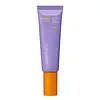
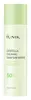
Neogen Dermalogy Double Vita Watery Sun Serum SPF 50+ PA++++ Versus iUNIK Centella Calming Daily Sun Water SPF 50+
This chemical sunscreen covers the full UV range and blocks ~98% of UVB at SPF 50.
This chemical sunscreen covers the full UV range and blocks ~98% of UVB at SPF 50.

What's inside
What's inside
 Key Ingredients
Benefits
Concerns
Ingredients Side-by-side
Water
Skin ConditioningDibutyl Adipate
EmollientDiethylamino Hydroxybenzoyl Hexyl Benzoate
UV Filter
Propanediol
Solvent

Ethylhexyl Triazone
UV Absorber
Bis-Ethylhexyloxyphenol Methoxyphenyl Triazine
UV Absorber
Niacinamide
Smoothing










1,2-Hexanediol
Skin Conditioning
Parfum
Masking




Glycerin
Humectant
Dibutyl Lauroyl Glutamide
Skin ConditioningSodium Polyacryloyldimethyl Taurate
Emulsion StabilisingAmmonium Acryloyldimethyltaurate/Vp Copolymer
Dibutyl Ethylhexanoyl Glutamide
Skin ConditioningC30-45 Alkyldimethylsilyl Polypropylsilsesquioxane

Ethylhexylglycerin
Skin ConditioningAdenosine
Skin Conditioning
Hydrogenated Lecithin
Emulsifying
Polyglyceryl-10 Laurate
Skin Conditioning
Panthenol
Skin Conditioning
Allantoin
Skin Conditioning
Tocopheryl Acetate
Antioxidant

Caprylic/Capric Triglyceride
Masking
Butylene Glycol
Humectant
Tocopherol
Antioxidant
Sorbitan Sesquioleate
Emulsifying
Citric Acid
Buffering
Ascorbyl Tetraisopalmitate
Antioxidant
Carbomer
Emulsion StabilisingGlycolic Acid
Buffering
Sodium Ascorbyl Phosphate
Antioxidant
Sodium Hyaluronate
Humectant
Glutathione
Citrus Aurantifolia Fruit Extract
Skin ConditioningCentella Asiatica Extract
Cleansing
Aloe Barbadensis Leaf Extract
Emollient
Arbutin
Antioxidant
Citrus Junos Fruit Extract
Skin ConditioningPhytosteryl/Octyldodecyl Lauroyl Glutamate
Skin ConditioningHydroxydecyl Ubiquinone
Antioxidant
Tranexamic Acid
Astringent
Inulin Lauryl Carbamate
Emulsion StabilisingCeramide NP
Skin Conditioning
Ascorbic Acid
Antioxidant
Biotin
AntiseborrhoeicPyridoxine
Skin ConditioningFolic Acid
Skin ConditioningCyanocobalamin
Skin ConditioningMelaleuca Alternifolia Leaf Extract
Perfuming
Riboflavin
Cosmetic ColorantThiamine Hcl
MaskingLinoleic Acid
Cleansing
Beta-Carotene
Skin ConditioningWater, Dibutyl Adipate, Diethylamino Hydroxybenzoyl Hexyl Benzoate, Propanediol, Ethylhexyl Triazone, Bis-Ethylhexyloxyphenol Methoxyphenyl Triazine, Niacinamide, 1,2-Hexanediol, Parfum, Glycerin, Dibutyl Lauroyl Glutamide, Sodium Polyacryloyldimethyl Taurate, Ammonium Acryloyldimethyltaurate/Vp Copolymer, Dibutyl Ethylhexanoyl Glutamide, C30-45 Alkyldimethylsilyl Polypropylsilsesquioxane, Ethylhexylglycerin, Adenosine, Hydrogenated Lecithin, Polyglyceryl-10 Laurate, Panthenol, Allantoin, Tocopheryl Acetate, Caprylic/Capric Triglyceride, Butylene Glycol, Tocopherol, Sorbitan Sesquioleate, Citric Acid, Ascorbyl Tetraisopalmitate, Carbomer, Glycolic Acid, Sodium Ascorbyl Phosphate, Sodium Hyaluronate, Glutathione, Citrus Aurantifolia Fruit Extract, Centella Asiatica Extract, Aloe Barbadensis Leaf Extract, Arbutin, Citrus Junos Fruit Extract, Phytosteryl/Octyldodecyl Lauroyl Glutamate, Hydroxydecyl Ubiquinone, Tranexamic Acid, Inulin Lauryl Carbamate, Ceramide NP, Ascorbic Acid, Biotin, Pyridoxine, Folic Acid, Cyanocobalamin, Melaleuca Alternifolia Leaf Extract, Riboflavin, Thiamine Hcl, Linoleic Acid, Beta-Carotene
Water
Skin ConditioningCentella Asiatica Leaf Water
Skin Conditioning
Ethylhexyl Salicylate
UV Absorber
Phenylbenzimidazole Sulfonic Acid
UV Absorber
Diethylamino Hydroxybenzoyl Hexyl Benzoate
UV Filter
Butyloctyl Salicylate
Skin Conditioning
Tromethamine
BufferingBis-Ethylhexyloxyphenol Methoxyphenyl Triazine
UV Absorber
Dibutyl Adipate
Emollient2,3-Butanediol
HumectantTerephthalylidene Dicamphor Sulfonic Acid
UV Absorber
1,2-Hexanediol
Skin Conditioning
Trimethylpentanediol/Adipic Acid/Glycerin Crosspolymer
Skin ConditioningMicrocrystalline Cellulose
AbsorbentSodium Stearoyl Glutamate
CleansingPolyester-5
Cellulose Gum
Emulsion StabilisingAllantoin
Skin Conditioning
Ethylhexylglycerin
Skin ConditioningButylene Glycol
Humectant
Quercus Acutissima Fruit Extract
AstringentGlycerin
Humectant
Dipropylene Glycol
HumectantPanthenol
Skin Conditioning
Hydrogenated Lecithin
Emulsifying
Cetearyl Olivate
Sorbitan Olivate
Emulsifying
Anastatica Hierochuntica Extract
AstringentHydrolyzed Hyaluronic Acid
Humectant
Madecassoside
Antioxidant
Ulmus Davidiana Root Extract
Skin Conditioning
Pinus Palustris Leaf Extract
TonicOenothera Biennis Flower Extract
AstringentPueraria Lobata Root Extract
HumectantAsiaticoside
Antioxidant
Madecassic Acid
Skin Conditioning
Asiatic Acid
Skin Conditioning
Water, Centella Asiatica Leaf Water, Ethylhexyl Salicylate, Phenylbenzimidazole Sulfonic Acid, Diethylamino Hydroxybenzoyl Hexyl Benzoate, Butyloctyl Salicylate, Tromethamine, Bis-Ethylhexyloxyphenol Methoxyphenyl Triazine, Dibutyl Adipate, 2,3-Butanediol, Terephthalylidene Dicamphor Sulfonic Acid, 1,2-Hexanediol, Trimethylpentanediol/Adipic Acid/Glycerin Crosspolymer, Microcrystalline Cellulose, Sodium Stearoyl Glutamate, Polyester-5, Cellulose Gum, Allantoin, Ethylhexylglycerin, Butylene Glycol, Quercus Acutissima Fruit Extract, Glycerin, Dipropylene Glycol, Panthenol, Hydrogenated Lecithin, Cetearyl Olivate, Sorbitan Olivate, Anastatica Hierochuntica Extract, Hydrolyzed Hyaluronic Acid, Madecassoside, Ulmus Davidiana Root Extract, Pinus Palustris Leaf Extract, Oenothera Biennis Flower Extract, Pueraria Lobata Root Extract, Asiaticoside, Madecassic Acid, Asiatic Acid
Reviews
Ingredients Explained
These ingredients are found in both products.
Ingredients higher up in an ingredient list are typically present in a larger amount.
1,2-Hexanediol is a synthetic liquid and another multi-functional powerhouse.
It is a:
- Humectant, drawing moisture into the skin
- Emollient, helping to soften skin
- Solvent, dispersing and stabilizing formulas
- Preservative booster, enhancing the antimicrobial activity of other preservatives
Allantoin is a soothing ingredient known for its protective and moisturizing properties; it's basically a quiet workhorse ingredient you can find in a huge range of cosmetics.
Though it can be derived from the comfrey plant, allantoin is produced synthetically for cosmetic products to ensure purity.
Research shows it can encourage your skin cells to turn over and renew by stimulating keratinocyte and fibroblast proliferation.
It also has mild keratolytic properties to help loosen and shed dead skin cells without being harsh.
Studies also suggest allantoin can help calm inflammation by dialing down some of the chemical signals your skin sends out when it is irritated.
This ingredient is typically used in the 0.1-0.5% range, and the FDA recognizes it as a skin protectant in OTC products up to 2%.
Overall, allantoin is a wonderful addition to most routines; it is stable across a wide pH range (~4-8), works well with other ingredients, and is considered non-sensitizing/non-irritating.
Fun fact: Allantoin is naturally occurring in comfrey root, beets, chamomile, and wheat sprouts. Our bodies even produce it as a byproduct of uric acid metabolism.
Learn more about AllantoinThis ingredient is better known as bemotrizinol or Tinosorb S and is one of the best broad-spectrum UV filters in modern sunscreen.
It works by absorbing UV light across a whole range (280-400 nm) with peaks around 310 nm (UVB) and 340-345 nm (UVA). This means it covers UVB plus the deeper UVA wavelengths that drive photoaging and pigmentation.
Another pro?
It's exceptionally photostable, barely degrades in sunlight, and acts as a "bodyguard" for less stable filters.
That's why you'll see it paired with avobenzone or octinoxate; this team up ensures they keep working through sun exposure.
Safety reviews have been reassuring across the board. This ingredient shows low absorption through the skin, rarely irritates, and lab studies found it doesn't act like a hormone in the body (a concern that's been raised about some older sunscreen filters).
On maximum concentrations:
In 2026, the US F.D.A finally added it as an OTC sunscreen ingredient at concentrations up to 6% for adults / children 6 months and older
Learn more about Bis-Ethylhexyloxyphenol Methoxyphenyl TriazineButylene Glycol (or BG) is used within cosmetic products for a few different reasons:
Overall, Butylene Glycol is a safe and well-rounded ingredient that works well with other ingredients.
Though this ingredient works well with most skin types, some people with sensitive skin may experience a reaction such as allergic rashes, closed comedones, or itchiness.
Learn more about Butylene GlycolDibutyl Adipate is a lightweight, oil-soluble ester that acts as an emollient and solvent. It helps products spread more easily and leaves a soft, silky, dry-touch finish without being greasy.
You'll likely see this ingredient in sunscreens because it does a nice job dissolving UV filters and keeping them evenly distributed.
This ingredient has been found to be safe as used in cosmetics, wasn't a skin or eye irritant in clinical patch testing, and wasn't phototoxic.
In a clinical comedogenicity test, this ingredient tested negative so it isn't likely to clog pores.
Typical use levels are about 5-8% for sunscreens + nail products, but can range from 0.005%-8% depending on the product.
Learn more about Dibutyl AdipateDiethylamino Hydroxybenzoyl Hexyl Benzoate (DHHB) is a chemical UV-A absorber. It is formulated for high UVA protection (320-400 nm).
DHHB is well-liked for:
DHHB has been approved by the EU, Japan, Taiwan, and South America for use up to 10%. Unfortunately, it has not been approved for use in the US or Canada due to slow regulatory processes.
This ingredient is soluble in oils, fats, and lipids.
Learn more about Diethylamino Hydroxybenzoyl Hexyl BenzoateEthylhexylglycerin is created from glycerin. It is a multitasker ingredient that:
The CIR Expert Panel found minimal skin absorption or sensitization of any kind in a safety assessment. Though this ingredient is considered well-tolerated, a small number of cases of allergic dermatitis have been published since 2002. Just be sure to patch test if you are unsure.
Industry-reported use ranges from 8% in rinse-off products and 2% in leave-on formulations.
Learn more about EthylhexylglycerinGlycerin (or glycerol) is a compound naturally found in your skin. It's a powerhouse humectant that pulls water into the stratum corneum.
Topically, glycerin does several things at once:
Your skin makes glycerin on its own (mostly from sebaceous oil breakdown) and shuttles it to your outermost layer of skin, or your epidermis, via aquaporin-3.
Aquaporin-3 is a transporter that is essential for normal skin hydration, elasticity, and repair. Interestingly, mice lacking in AQP3 have dry and less elastic skin that can be fully corrected with glycerin.
This ingredient is non-irritating, plays well with almost every ingredient, and works across all skin types. Typical use is anywhere between 3-10% but can go up to 79% in some leave-on products.
Just know very high concentrations (>40%) can feel tacky in low humidity.
Glycerin is the name for this ingredient in American English. British English uses Glycerol/Glycerine.
Learn more about GlycerinHydrogenated Lecithin is a more stable version of lecithin.
It's made by taking lecithin (a phospholipid commonly found in soybeans and egg yolks) and hydrogenating it. This just means the unsaturated fatty acids are turned into saturated ones so they don't go bad as easily.
This ingredient is an emollient, emulsifier, and penetration enhancer. As an emollient, it helps soften and hydrate skin by trapping moisture within. As an emulsifier, it prevents oil and water ingredients from separating.
Hydrogenated Lecithin can form tiny spherical structures made of phospholipid bilayers called liposomes. These liposomes are able to capture compounds inside their structure and deliver them through the skin barrier.
Because phospholipids are a natural component of our cell membranes, this ingredient is inherently compatible with skin.
A 2021 study found lecithin-based surfactants were less harsh and more tolerable comared to Sodium Lauryl Sulfate (SLS).
Learn more about Hydrogenated LecithinPanthenol is a common ingredient that helps hydrate and soothe the skin. It is found naturally in our skin and hair.
There are two forms of panthenol: D and L.
D-panthenol is also known as dexpanthenol. Most cosmetics use dexpanthenol or a mixture of D and L-panthenol.
Panthenol is famous due to its ability to go deeper into the skin's layers. Using this ingredient has numerous pros (and no cons):
Like hyaluronic acid, panthenol is a humectant. Humectants are able to bind and hold large amounts of water to keep skin hydrated.
This ingredient works well for wound healing. It works by increasing tissue in the wound and helps close open wounds.
Once oxidized, panthenol converts to pantothenic acid. Panthothenic acid is found in all living cells.
This ingredient is also referred to as pro-vitamin B5.
Learn more about PanthenolWater. It's the most common cosmetic ingredient of all. You'll usually see it at the top of ingredient lists, meaning that it makes up the largest part of the product.
So why is it so popular? Water most often acts as a solvent - this means that it helps dissolve other ingredients into the formulation.
You'll also recognize water as that liquid we all need to stay alive. If you see this, drink a glass of water. Remember to stay hydrated!
Learn more about Water


