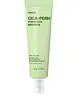
This barrier-repair moisturizer is formulated around Centella Asiatica Leaf Water and Panthenol to strengthen the skin barrier and calm redness.
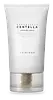
This calming moisturizer is formulated around Centella Asiatica Extract and Dipotassium Glycyrrhizate to calm redness and strengthen the skin barrier.

What's inside
What's inside
 Key Ingredients
Benefits
Concerns
Ingredients Side-by-side
Centella Asiatica Leaf Water
Skin Conditioning


1,2-Hexanediol
Skin Conditioning
Glycerin
Humectant
Propanediol
Solvent
Butylene Glycol Dicaprylate/Dicaprate
EmollientMethyl Trimethicone
Skin Conditioning
Vinyldimethicone
Caprylic/Capric Triglyceride
Masking
Diglycerin
Humectant
Polyglyceryl-3 Distearate
Emulsifying

Glyceryl Stearate Citrate
Emollient
Cetearyl Alcohol
Emollient



Cetearyl Olivate
Sorbitan Olivate
Emulsifying
Sodium Acrylate/Sodium Acryloyldimethyl Taurate Copolymer
Emulsion StabilisingWater
Skin ConditioningPolyisobutene
Caprylyl/Capryl Glucoside
CleansingSorbitan Oleate
Emulsifying
Polyglyceryl-2 Stearate
Emulsifying
Glyceryl Stearate
Emollient
Stearyl Alcohol
Emollient
Isododecane
EmollientDimethicone/Vinyl Dimethicone Crosspolymer
Skin Conditioning
Pentaerythrityl Tetraethylhexanoate
Emollient
Arginine
Masking
Acrylates/C10-30 Alkyl Acrylate Crosspolymer
Emulsion StabilisingPanthenol
Skin Conditioning
Butylene Glycol
Humectant
Coptis Chinensis Root Extract
Antioxidant
Vitis Vinifera Fruit Extract
Skin ConditioningCarica Papaya Fruit Extract
Skin ConditioningPrunus Mume Fruit Extract
Humectant
Pyrus Malus Fruit Extract
Skin Conditioning
Melaleuca Alternifolia Leaf Extract
Perfuming
Trehalose
Humectant
Beta-Glucan
Skin Conditioning
Mentha Arvensis Extract
MaskingAloe Barbadensis Leaf Extract
Emollient
Eucalyptus Globulus Leaf Extract
Perfuming
Cymbopogon Citratus Extract
Skin ConditioningErythritol
Humectant
Psidium Guajava Leaf Extract
AstringentSasa Quelpaertensis Extract
Skin ConditioningEthylhexylglycerin
Skin ConditioningHydroxyethyl Acrylate/Sodium Acryloyldimethyl Taurate Copolymer
Emulsion StabilisingSorbitan Isostearate
Emulsifying
Hordeum Vulgare Leaf Extract
Skin ConditioningSodium DNA
Skin Conditioning
Allantoin
Skin Conditioning
Xanthan Gum
EmulsifyingSodium Phytate
ChelatingDextrin
AbsorbentGardenia Florida Fruit Extract
Skin ConditioningCentella Asiatica Leaf Water, 1,2-Hexanediol, Glycerin, Propanediol, Butylene Glycol Dicaprylate/Dicaprate, Methyl Trimethicone, Vinyldimethicone, Caprylic/Capric Triglyceride, Diglycerin, Polyglyceryl-3 Distearate, Glyceryl Stearate Citrate, Cetearyl Alcohol, Cetearyl Olivate, Sorbitan Olivate, Sodium Acrylate/Sodium Acryloyldimethyl Taurate Copolymer, Water, Polyisobutene, Caprylyl/Capryl Glucoside, Sorbitan Oleate, Polyglyceryl-2 Stearate, Glyceryl Stearate, Stearyl Alcohol, Isododecane, Dimethicone/Vinyl Dimethicone Crosspolymer, Pentaerythrityl Tetraethylhexanoate, Arginine, Acrylates/C10-30 Alkyl Acrylate Crosspolymer, Panthenol, Butylene Glycol, Coptis Chinensis Root Extract, Vitis Vinifera Fruit Extract, Carica Papaya Fruit Extract, Prunus Mume Fruit Extract, Pyrus Malus Fruit Extract, Melaleuca Alternifolia Leaf Extract, Trehalose, Beta-Glucan, Mentha Arvensis Extract, Aloe Barbadensis Leaf Extract, Eucalyptus Globulus Leaf Extract, Cymbopogon Citratus Extract, Erythritol, Psidium Guajava Leaf Extract, Sasa Quelpaertensis Extract, Ethylhexylglycerin, Hydroxyethyl Acrylate/Sodium Acryloyldimethyl Taurate Copolymer, Sorbitan Isostearate, Hordeum Vulgare Leaf Extract, Sodium DNA, Allantoin, Xanthan Gum, Sodium Phytate, Dextrin, Gardenia Florida Fruit Extract
Water
Skin ConditioningGlycerin
Humectant
Propanediol
Solvent
Dipropylene Glycol
HumectantCyclopentasiloxane
Emollient
Centella Asiatica Extract
Cleansing
1,2-Hexanediol
Skin Conditioning
Cyclohexasiloxane
Emollient
Trehalose
Humectant
Caprylyl Methicone
Skin Conditioning
C12-14 Pareth-12
EmulsifyingCarbomer
Emulsion StabilisingTromethamine
BufferingC30-45 Alkyl Cetearyl Dimethicone Crosspolymer
Emollient
Ammonium Acryloyldimethyltaurate/Vp Copolymer
Butylene Glycol
Humectant
Xanthan Gum
EmulsifyingZingiber Officinale Root Extract
Masking
Mentha Piperita Leaf Extract
Skin ConditioningEthylhexylglycerin
Skin ConditioningDipotassium Glycyrrhizate
Humectant
Tranexamic Acid
Astringent

Dextrin
AbsorbentTheobroma Cacao Seed Extract
Antioxidant
Leuconostoc/Radish Root Ferment Filtrate
Antimicrobial
Biosaccharide Gum-1
Humectant
Disodium EDTA
ChelatingSodium Hyaluronate
Humectant
Beta-Glucan
Skin Conditioning
Hydrogenated Lecithin
Emulsifying
Coptis Chinensis Root Extract
Antioxidant
Cetearyl Alcohol
Emollient
Stearic Acid
Cleansing
Ceramide NP
Skin Conditioning
Ceramide Ng
Skin Conditioning
Cholesterol
Emollient
Phytosphingosine
Skin Conditioning
Ceramide As
Skin Conditioning
Ceramide AP
Skin Conditioning
Ceramide EOP
Skin Conditioning
Water, Glycerin, Propanediol, Dipropylene Glycol, Cyclopentasiloxane, Centella Asiatica Extract, 1,2-Hexanediol, Cyclohexasiloxane, Trehalose, Caprylyl Methicone, C12-14 Pareth-12, Carbomer, Tromethamine, C30-45 Alkyl Cetearyl Dimethicone Crosspolymer, Ammonium Acryloyldimethyltaurate/Vp Copolymer, Butylene Glycol, Xanthan Gum, Zingiber Officinale Root Extract, Mentha Piperita Leaf Extract, Ethylhexylglycerin, Dipotassium Glycyrrhizate, Tranexamic Acid, Dextrin, Theobroma Cacao Seed Extract, Leuconostoc/Radish Root Ferment Filtrate, Biosaccharide Gum-1, Disodium EDTA, Sodium Hyaluronate, Beta-Glucan, Hydrogenated Lecithin, Coptis Chinensis Root Extract, Cetearyl Alcohol, Stearic Acid, Ceramide NP, Ceramide Ng, Cholesterol, Phytosphingosine, Ceramide As, Ceramide AP, Ceramide EOP
Reviews
Ingredients Explained
These ingredients are found in both products.
Ingredients higher up in an ingredient list are typically present in a larger amount.
1,2-Hexanediol is a synthetic liquid and another multi-functional powerhouse.
It is a:
- Humectant, drawing moisture into the skin
- Emollient, helping to soften skin
- Solvent, dispersing and stabilizing formulas
- Preservative booster, enhancing the antimicrobial activity of other preservatives
Beta-Glucan is a soluble polysaccharide (a chain of glucose sugars) sourced from the cells walls of oats, baker's yeast, mushrooms, and seaweed.
It's a rare ingredient that pulls double-duty as a heavy-duty hydrator and skin-soothing repair agent.
On the surface, it acts as a humectant that holds water in place and reduces moisture loss for a plumper, smoother feel, while its anti-inflammatory and antioxidant properties make it a great pick for calming redness or sensitive skin
The more interesting story is underneath:
Despite its large molecular size, oat beta-glucan has been shown to penetrate the epidermis and reach the dermis by slipping between skin cells. Here, it interacts with fibroblasts and macrophages to nudge collagen synthesis and support wound repair.
A small 2005 split-face clinical study of 27 subjects found topical beta-glucan produced measurable reductions in wrinkle depth, height, and roughness after 8 weeks of use.
It is worth noting the trial was small and the penetration testing used frozen, irradiated skin so the anti-aging data is encouraging rather than definitive.
This ingredient gets along with pretty much everything and is typically used around 0.1-1%.
Fungal acne: This ingredient is not a food source for the Malassezia yeast because it is a glucose polysaccharide with no fatty acid or ester component.
Learn more about Beta-GlucanButylene Glycol (or BG) is used within cosmetic products for a few different reasons:
Overall, Butylene Glycol is a safe and well-rounded ingredient that works well with other ingredients.
Though this ingredient works well with most skin types, some people with sensitive skin may experience a reaction such as allergic rashes, closed comedones, or itchiness.
Learn more about Butylene GlycolCetearyl alcohol is a waxy mixture of two fatty alcohols: cetyl alcohol and stearyl alcohol. It is an emollient and emulsifier.
Despite having "alcohol" in its name, it has nothing to do with drying solvent alcohols; the FDA also allows "alcohol-free" products to contain fatty alcohols like this ingredient.
It plays several roles in a formula:
Typical use levels for this ingredient sit around 1-10% and the Cosmetic Ingredient Review Expert Panel has affirmed safety at concentrations up to 25% in leave-on products.
Multiple assessments have found it to be non-irritating and non-sensitizing to most people.
However, there have been some cases of allergic contact dermatitis in patients with chronically compromised skin barriers.
Cetearyl alcohol has a comedogenic rating of 2 and irritancy rating of 1. Both of these numbers come from the 1989 study that used rabbit ears; a "2" means mildly comedogenic and a "1" means low irritancy.
Here's the catch: rabbit skin is more sensitive than human skin and throws a lot of false positives. A 1996 reappraisal found that ingredients rated 1-2 in the rabbit ear tests are generally safe for humans.
Remember comedogenic ratings are unable to assess the entire formula of a product or how it will react on your skin. Just be sure to patch test if you are unsure about certain ingredients.
This ingredient is not fungal acne safe. Cetearyl alcohol is a fatty alcohol with chain lengths that fall within the range that Malassezia can metabolize.
A 2019 study has also observed Malassezia growth in the presence of this ingredient, confirming it to be not-fungal acne safe.
Learn more about Cetearyl AlcoholCoptis Chinensis Root Extract is also known as huanglian or Chinese goldthread. It is a plant extract with soothing and antioxidant properties.
This plant naturally contains berberine, a compound that lab studies suggest can help "turn down" inflammation signals and oxidative stress, and make it harder for certain microbes to thrive. While topical berberine research does support anti-inflammatory potential in dermatitis-like models, most of the stronger evidence is preclinical.
That's why you'll frequently see this ingredient in formulations aimed at redness, blemish-prone skin, or sensitive skin.
A small human photopatch study reported that "coptis" at 5% did not trigger photoallergic/photosensitive reactions in the tested group. Like other botanical extracts, it may cause allergies in some. Be sure to patch test if you're weary.
Learn more about Coptis Chinensis Root ExtractDextrin is a starch-derived polysaccharide. It's made by partially breaking down corn, potato, or other plant starches.
Think of it as "half-processed" starch; it's less complex than the original but not fully broken down into sugar like maltodextrin.
In cosmetics, it mainly functions as a bulking agent, viscosity controller, binder, and absorbent. It helps thicken products, stabilize powders, and get certain textures a less "wet" feel.
This ingredient has a pretty solid safety profile; it's recognized as a safe food additive and its large molecular size means it doesn't meaningfully penetrate skin.
Human repeat insult patch tests using a rinse-off facial product containing 42.69% dextrin found no skin irritation or sensitization in 54 subjects.
Typical real-world usage is much lower: usually under 1% as a texture modifier and up to 40% in masks (rinse off products use less).
Learn more about DextrinEthylhexylglycerin is created from glycerin. It is a multitasker ingredient that:
The CIR Expert Panel found minimal skin absorption or sensitization of any kind in a safety assessment. Though this ingredient is considered well-tolerated, a small number of cases of allergic dermatitis have been published since 2002. Just be sure to patch test if you are unsure.
Industry-reported use ranges from 8% in rinse-off products and 2% in leave-on formulations.
Learn more about EthylhexylglycerinGlycerin (or glycerol) is a compound naturally found in your skin. It's a powerhouse humectant that pulls water into the stratum corneum.
Topically, glycerin does several things at once:
Your skin makes glycerin on its own (mostly from sebaceous oil breakdown) and shuttles it to your outermost layer of skin, or your epidermis, via aquaporin-3.
Aquaporin-3 is a transporter that is essential for normal skin hydration, elasticity, and repair. Interestingly, mice lacking in AQP3 have dry and less elastic skin that can be fully corrected with glycerin.
This ingredient is non-irritating, plays well with almost every ingredient, and works across all skin types. Typical use is anywhere between 3-10% but can go up to 79% in some leave-on products.
Just know very high concentrations (>40%) can feel tacky in low humidity.
Glycerin is the name for this ingredient in American English. British English uses Glycerol/Glycerine.
Learn more about GlycerinPropanediol is an all-star ingredient. It softens, hydrates, and smooths the skin.
It’s often used to:
Propanediol is not likely to cause sensitivity and considered safe to use. It is derived from corn or petroleum with a clear color and no scent.
Learn more about PropanediolTrehalose is a disaccharide made of two glucose molecules (glucose is sugar!). Trehalose is used to help moisturize skin. It also has antioxidant properties.
As a humectant, trehalose helps draw moisture from the air to your skin. This helps keep your skin hydrated.
Due to its antioxidant properties, trehalose may help with signs of aging. Antioxidants help fight free-radical molecules, unstable molecules that may damage your skin.
In medicine, trehalose and hyaluronic acid are used to help treat dry eyes.
Some animals, plants, and bacteria create trehalose as a source of energy to survive freeze or lack of water.
Learn more about TrehaloseWater. It's the most common cosmetic ingredient of all. You'll usually see it at the top of ingredient lists, meaning that it makes up the largest part of the product.
So why is it so popular? Water most often acts as a solvent - this means that it helps dissolve other ingredients into the formulation.
You'll also recognize water as that liquid we all need to stay alive. If you see this, drink a glass of water. Remember to stay hydrated!
Learn more about WaterXanthan gum is used as a stabilizer and thickener within cosmetic products. It helps give products a sticky, thick feeling - preventing them from being too runny.
On the technical side of things, xanthan gum is a polysaccharide - a combination consisting of multiple sugar molecules bonded together.
Xanthan gum is a pretty common and great ingredient. It is a natural, non-toxic, non-irritating ingredient that is also commonly used in food products.
Learn more about Xanthan Gum

