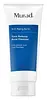
This mild cream cleanser is mild enough to cleanse without leaving skin feeling tight or stripped.
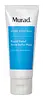
This wash off mask is formulated around Salicylic Acid to clear breakouts and unclog pores.

What's inside
What's inside
 Key Ingredients
Benefits
Concerns
Ingredients Side-by-side
Water
Skin ConditioningDisodium Cocoamphodiacetate
CleansingGlycerin
Humectant


Cetyl Alcohol
Emollient



Cocamidopropyl Betaine
Cleansing

Cetearyl Alcohol
Emollient

Sodium Cocoyl Isethionate
Cleansing
PEG-100 Stearate
Surfactant
Glyceryl Stearate
Emollient
Butylene Glycol
Humectant
Sodium Hyaluronate
Humectant


Tocopheryl Acetate
Antioxidant


Caprylic/Capric Triglyceride
Masking
Retinol
Skin Conditioning





Salix Alba Bark Extract
Astringent
Ascorbic Acid
Antioxidant
Chitosan
Silver Citrate
AntimicrobialSodium PCA
Humectant
Betaine
Humectant
Sorbitol
Humectant
Glycine
Buffering
Alanine
Masking
Proline
Skin Conditioning
Serine
Masking
Threonine
Arginine
Masking
Lysine
Skin ConditioningGlutamic Acid
Humectant
Zinc Gluconate
Skin Conditioning
Argania Spinosa Kernel Extract
Skin ConditioningSerenoa Serrulata Fruit Extract
Skin Conditioning
Sesamum Indicum Seed Extract
Skin Conditioning
Cimicifuga Racemosa Root Extract
Antimicrobial
Melaleuca Alternifolia Leaf Oil
Antioxidant


Cocamidopropyl Dimethylamine
Emulsifying
Zea Mays Starch
Absorbent
Hydrolyzed Corn Starch
HumectantHydrolyzed Corn Starch Octenylsuccinate
AbsorbentCitric Acid
Buffering
Disodium EDTA
ChelatingPropyl Gallate
Antioxidant
Polysorbate 80
Emulsifying
Menthol
Masking

Cetearyl Glucoside
Emulsifying
Glycol Distearate
Emollient
Steareth-4
EmulsifyingPEG-150 Distearate
Emulsifying
Hydroxyethylcellulose
Emulsion StabilisingPolyacrylate-13
Polyisobutene
Polysorbate 20
Emulsifying
Trisodium Ethylenediamine Disuccinate
ChelatingPhenoxyethanol
Preservative
Caprylyl Glycol
Emollient
Chlorphenesin
Antimicrobial
Parfum
Masking
Water, Disodium Cocoamphodiacetate, Glycerin, Cetyl Alcohol, Cocamidopropyl Betaine, Cetearyl Alcohol, Sodium Cocoyl Isethionate, PEG-100 Stearate, Glyceryl Stearate, Butylene Glycol, Sodium Hyaluronate, Tocopheryl Acetate, Caprylic/Capric Triglyceride, Retinol, Salix Alba Bark Extract, Ascorbic Acid, Chitosan, Silver Citrate, Sodium PCA, Betaine, Sorbitol, Glycine, Alanine, Proline, Serine, Threonine, Arginine, Lysine, Glutamic Acid, Zinc Gluconate, Argania Spinosa Kernel Extract, Serenoa Serrulata Fruit Extract, Sesamum Indicum Seed Extract, Cimicifuga Racemosa Root Extract, Melaleuca Alternifolia Leaf Oil, Cocamidopropyl Dimethylamine, Zea Mays Starch, Hydrolyzed Corn Starch, Hydrolyzed Corn Starch Octenylsuccinate, Citric Acid, Disodium EDTA, Propyl Gallate, Polysorbate 80, Menthol, Cetearyl Glucoside, Glycol Distearate, Steareth-4, PEG-150 Distearate, Hydroxyethylcellulose, Polyacrylate-13, Polyisobutene, Polysorbate 20, Trisodium Ethylenediamine Disuccinate, Phenoxyethanol, Caprylyl Glycol, Chlorphenesin, Parfum
Sulfur 5%
Antiseborrhoeic
Water
Skin ConditioningKaolin
Abrasive
Isopentyldiol
Humectant
Bentonite
Absorbent
Peat Extract
Skin ConditioningZinc Oxide
Cosmetic Colorant

Propanediol
Solvent
Glycerin
Humectant
Cetearyl Alcohol
Emollient
Cetyl Alcohol
Emollient
Cetyl Ricinoleate
Emollient
Glyceryl Stearate Se
Emulsifying
Urea
Buffering
Yeast Amino Acids
HumectantTrehalose
Humectant
Inositol
Humectant
Taurine
BufferingBetaine
Humectant
Allantoin
Skin Conditioning
Salicylic Acid
Masking
Dipotassium Glycyrrhizate
Humectant
Zingiber Officinale Root Extract
Masking
Bisabolol
Antioxidant
Eucalyptus Globulus Leaf Oil
Perfuming
Hydroxyacetophenone
Antioxidant
Ethylhexylglycerin
Skin ConditioningCoco-Glucoside
Cleansing
Acacia Senegal Gum
MaskingXanthan Gum
EmulsifyingCarbomer
Emulsion StabilisingTetrasodium Glutamate Diacetate
ChelatingCitric Acid
Buffering
Dehydroacetic Acid
Preservative
Chlorphenesin
Antimicrobial
Sulfur 5%, Water, Kaolin, Isopentyldiol, Bentonite, Peat Extract, Zinc Oxide, Propanediol, Glycerin, Cetearyl Alcohol, Cetyl Alcohol, Cetyl Ricinoleate, Glyceryl Stearate Se, Urea, Yeast Amino Acids, Trehalose, Inositol, Taurine, Betaine, Allantoin, Salicylic Acid, Dipotassium Glycyrrhizate, Zingiber Officinale Root Extract, Bisabolol, Eucalyptus Globulus Leaf Oil, Hydroxyacetophenone, Ethylhexylglycerin, Coco-Glucoside, Acacia Senegal Gum, Xanthan Gum, Carbomer, Tetrasodium Glutamate Diacetate, Citric Acid, Dehydroacetic Acid, Chlorphenesin
Ingredients Explained
These ingredients are found in both products.
Ingredients higher up in an ingredient list are typically present in a larger amount.
Betaine is a humectant. Like hyaluronic acid, it helps attract and retain moisture in the skin. It’s known for being gentle and for helping the skin maintain balanced hydration.
Betaine is mainly used to improve hydration and support calmer skin. It helps skin cells regulate water balance because it functions as an osmolyte.
Some studies suggest betaine may support making skin tone more even.
Fun fact: Betaine naturally exists in the skin and the body. In cosmetic products, it can be either plant-derived (most commonly from sugar beets) or synthetically produced for consistency and stability.
Betaine is also known as trimethylglycine.
Learn more about BetaineCetearyl alcohol is a waxy mixture of two fatty alcohols: cetyl alcohol and stearyl alcohol. It is an emollient and emulsifier.
Despite having "alcohol" in its name, it has nothing to do with drying solvent alcohols; the FDA also allows "alcohol-free" products to contain fatty alcohols like this ingredient.
It plays several roles in a formula:
Typical use levels for this ingredient sit around 1-10% and the Cosmetic Ingredient Review Expert Panel has affirmed safety at concentrations up to 25% in leave-on products.
Multiple assessments have found it to be non-irritating and non-sensitizing to most people.
However, there have been some cases of allergic contact dermatitis in patients with chronically compromised skin barriers.
Cetearyl alcohol has a comedogenic rating of 2 and irritancy rating of 1. Both of these numbers come from the 1989 study that used rabbit ears; a "2" means mildly comedogenic and a "1" means low irritancy.
Here's the catch: rabbit skin is more sensitive than human skin and throws a lot of false positives. A 1996 reappraisal found that ingredients rated 1-2 in the rabbit ear tests are generally safe for humans.
Remember comedogenic ratings are unable to assess the entire formula of a product or how it will react on your skin. Just be sure to patch test if you are unsure about certain ingredients.
This ingredient is not fungal acne safe. Cetearyl alcohol is a fatty alcohol with chain lengths that fall within the range that Malassezia can metabolize.
A 2019 study has also observed Malassezia growth in the presence of this ingredient, confirming it to be not-fungal acne safe.
Learn more about Cetearyl AlcoholCetyl Alcohol is a fatty alcohol. Fatty Alcohols are most often used as an emollient or to thicken a product.
Its main roles are:
Though it has "alcohol" in the name, it is not related to denatured alcohol or ethyl alcohol.
The FDA allows products labeled "alcohol-free" to have fatty alcohols.
This ingredient may not be fungal acne safe. It is a primary fatty alcohol with a chain length above 12 carbons. A study from 2019 show Malassezia can feed on fatty alcohols in this range, so it may trigger fungal acne in those prone to it.
Learn more about Cetyl AlcoholChlorphenesin is a synthetic preservative. It helps protect a product against bacteria in order to extend shelf life. In most cases, Chlorphenesin is paired with other preservatives such as phenoxyethanol and caprylyl glycol.
Chlorphenesin is a biocide. This means it is able to help fight the microorganisms on our skin. It is also able to fight odor-releasing bacteria.
Chlorphenesin is soluble in both water and glycerin.
Studies show Chlorphenesin is easily absorbed by our skin. You should speak with a skincare professional if you have concerns about using Chlorphenesin.
Learn more about ChlorphenesinCitric Acid is an alpha hydroxy acid (AHA) naturally found in citrus fruits like oranges, lemons, and limes.
Like other AHAs, citric acid can exfoliate skin by breaking down the bonds that hold dead skin cells together. This helps reveal smoother and brighter skin underneath.
However, this exfoliating effect only happens at high concentrations (20%) which can be hard to find in cosmetic products.
Due to this, citric acid is usually included in small amounts as a pH adjuster. This helps keep products slightly more acidic and compatible with skin's natural pH.
In skincare formulas, citric acid can:
While it can provide some skin benefits, research shows lactic acid and glycolic acid are generally more effective and less irritating exfoliants.
Most citric acid used in skincare today is made by fermenting sugars (usually from molasses). This synthetic version is identical to the natural citrus form but easier to stabilize and use in formulations.
Rosacea skin has a lower threshold for acids generally, with 62.5% of rosacea subjects in one study reacting to lactic acid in a sting test. This is why we mark citric acid as a potential rosacea trigger.
However, this ingredient shows up as a pH adjuster or chelator at roughly 0.1-1% in many products. These low levels are unlikely to be an issue for rosacea skin and becomes a potential trigger at exfoliating concentrations (20%). Because everybody's skin is unique, we recommend a patch test if you are unsure.
Learn more about Citric AcidGlycerin (or glycerol) is a compound naturally found in your skin. It's a powerhouse humectant that pulls water into the stratum corneum.
Topically, glycerin does several things at once:
Your skin makes glycerin on its own (mostly from sebaceous oil breakdown) and shuttles it to your outermost layer of skin, or your epidermis, via aquaporin-3.
Aquaporin-3 is a transporter that is essential for normal skin hydration, elasticity, and repair. Interestingly, mice lacking in AQP3 have dry and less elastic skin that can be fully corrected with glycerin.
This ingredient is non-irritating, plays well with almost every ingredient, and works across all skin types. Typical use is anywhere between 3-10% but can go up to 79% in some leave-on products.
Just know very high concentrations (>40%) can feel tacky in low humidity.
Glycerin is the name for this ingredient in American English. British English uses Glycerol/Glycerine.
Learn more about GlycerinWater. It's the most common cosmetic ingredient of all. You'll usually see it at the top of ingredient lists, meaning that it makes up the largest part of the product.
So why is it so popular? Water most often acts as a solvent - this means that it helps dissolve other ingredients into the formulation.
You'll also recognize water as that liquid we all need to stay alive. If you see this, drink a glass of water. Remember to stay hydrated!
Learn more about Water

