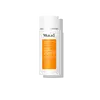
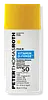
Murad City Skin Age Defense Broad Spectrum SPF 50 PA++++ Versus Peter Thomas Roth Max Vitamin D-Fense Sunscreen Serum Broad Spectrum SPF 50
This mineral sunscreen covers the full UV range and blocks ~98% of UVB at SPF 50.
This chemical sunscreen covers most of the UV range, lighter on the deep UVA that drives aging.

What's inside
What's inside
 Key Ingredients
Benefits
Concerns
Ingredients Side-by-side
Titanium Dioxide 2.7%
Cosmetic Colorant

Zinc Oxide 10%
Cosmetic Colorant
Water
Skin ConditioningDimethicone
Emollient

C12-15 Alkyl Benzoate
AntimicrobialGlycerin
Humectant

Triheptanoin
Skin ConditioningCaprylic/Capric Triglyceride
Masking
C13-16 Isoparaffin
Solvent
Argania Spinosa Kernel Oil
Emollient




Tocopheryl Acetate
Antioxidant


Polyurethane-35
Polyhydroxystearic Acid
Emulsifying
Polymethylsilsesquioxane
Dimethicone/Vinyl Dimethicone Crosspolymer
Skin Conditioning
Avena Sativa Kernel Extract
Abrasive

Bisabolol
Antioxidant
Hydrolyzed Jojoba Esters
Skin Conditioning
Urea
Buffering

Yeast Amino Acids
HumectantTrehalose
Humectant
Inositol
Humectant
Taurine
BufferingBetaine
Humectant
Tocopherol
Antioxidant
Biosaccharide Gum-4
Skin Conditioning
Hydroxyphenyl Propamidobenzoic Acid
Skin ConditioningSilica
Abrasive
Calendula Officinalis Flower Extract
Masking
Pentylene Glycol
Skin Conditioning
Butylene Glycol
Humectant
Dimethicone/PEG-10/15 Crosspolymer
Lauryl PEG-9 Polydimethylsiloxyethyl Dimethicone
Skin Conditioning
PEG/PPG-18/18 Dimethicone
Emulsifying
Triethoxycaprylylsilane
Aluminum Stearate
Cosmetic ColorantAlumina
Abrasive
Ethylhexylglycerin
Skin ConditioningLeuconostoc/Radish Root Ferment Filtrate
Antimicrobial
Ascorbyl Palmitate
Antioxidant
Methylpropanediol
SolventDipropylene Glycol
HumectantCaprylyl Glycol
Emollient
Phenylpropanol
Masking
Phenoxyethanol
Preservative
Chlorphenesin
Antimicrobial
Potassium Sorbate
Preservative
Sodium Benzoate
Masking
CI 77491
Cosmetic ColorantCI 77492
Cosmetic ColorantTitanium Dioxide 2.7%, Zinc Oxide 10%, Water, Dimethicone, C12-15 Alkyl Benzoate, Glycerin, Triheptanoin, Caprylic/Capric Triglyceride, C13-16 Isoparaffin, Argania Spinosa Kernel Oil, Tocopheryl Acetate, Polyurethane-35, Polyhydroxystearic Acid, Polymethylsilsesquioxane, Dimethicone/Vinyl Dimethicone Crosspolymer, Avena Sativa Kernel Extract, Bisabolol, Hydrolyzed Jojoba Esters, Urea, Yeast Amino Acids, Trehalose, Inositol, Taurine, Betaine, Tocopherol, Biosaccharide Gum-4, Hydroxyphenyl Propamidobenzoic Acid, Silica, Calendula Officinalis Flower Extract, Pentylene Glycol, Butylene Glycol, Dimethicone/PEG-10/15 Crosspolymer, Lauryl PEG-9 Polydimethylsiloxyethyl Dimethicone, PEG/PPG-18/18 Dimethicone, Triethoxycaprylylsilane, Aluminum Stearate, Alumina, Ethylhexylglycerin, Leuconostoc/Radish Root Ferment Filtrate, Ascorbyl Palmitate, Methylpropanediol, Dipropylene Glycol, Caprylyl Glycol, Phenylpropanol, Phenoxyethanol, Chlorphenesin, Potassium Sorbate, Sodium Benzoate, CI 77491, CI 77492
Butyl Methoxydibenzoylmethane 3%
UV Absorber
Homosalate 15%
Skin Conditioning
Ethylhexyl Salicylate 5%
UV Absorber
Octocrylene 10%
UV Absorber

Water
Skin ConditioningGlycerin
Humectant
Polyglyceryl-6 Stearate
Emollient
Squalane
Emollient
Phenoxyethanol
Preservative
Xanthan Gum
EmulsifyingGlyceryl Stearate
Emollient
Sodium Citrate
BufferingPolyglyceryl-6 Behenate
Emulsion Stabilising
Bioflavonoids
Skin ConditioningGlycoproteins
Skin Conditioning
Cetearyl Alcohol
Emollient
Sodium Phytate
Citric Acid
Buffering
Panthenol
Skin Conditioning
Fructooligosaccharides
Humectant
Pentylene Glycol
Skin Conditioning
Tocopheryl Acetate
Antioxidant
Potassium Sorbate
Preservative
Sodium Benzoate
Masking
Ubiquinone
Antioxidant
Cyamopsis Tetragonoloba Gum
Emulsion StabilisingPhytic Acid
Butyl Methoxydibenzoylmethane 3%, Homosalate 15%, Ethylhexyl Salicylate 5%, Octocrylene 10%, Water, Glycerin, Polyglyceryl-6 Stearate, Squalane, Phenoxyethanol, Xanthan Gum, Glyceryl Stearate, Sodium Citrate, Polyglyceryl-6 Behenate, Bioflavonoids, Glycoproteins, Cetearyl Alcohol, Sodium Phytate, Citric Acid, Panthenol, Fructooligosaccharides, Pentylene Glycol, Tocopheryl Acetate, Potassium Sorbate, Sodium Benzoate, Ubiquinone, Cyamopsis Tetragonoloba Gum, Phytic Acid
Reviews
Ingredients Explained
These ingredients are found in both products.
Ingredients higher up in an ingredient list are typically present in a larger amount.
Glycerin (or glycerol) is a compound naturally found in your skin. It's a powerhouse humectant that pulls water into the stratum corneum.
Topically, glycerin does several things at once:
Your skin makes glycerin on its own (mostly from sebaceous oil breakdown) and shuttles it to your outermost layer of skin, or your epidermis, via aquaporin-3.
Aquaporin-3 is a transporter that is essential for normal skin hydration, elasticity, and repair. Interestingly, mice lacking in AQP3 have dry and less elastic skin that can be fully corrected with glycerin.
This ingredient is non-irritating, plays well with almost every ingredient, and works across all skin types. Typical use is anywhere between 3-10% but can go up to 79% in some leave-on products.
Just know very high concentrations (>40%) can feel tacky in low humidity.
Glycerin is the name for this ingredient in American English. British English uses Glycerol/Glycerine.
Learn more about GlycerinPentylene Glycol (1,2-pentanediol) is a multitasking little diol with three main roles in a formula:
Research on alkanediols (the family pentylene glycol belongs to) show they work by disrupting microbial cell membranes. This disruption helps the primary preservative system in a product work more effectively at lower doses.
On the safety side, the Cosmetic Ingredient Review Expert Panel has concluded this ingredient to be safe as used in current cosmetic practices + concentrations.
Typical use levels in a formula run about 1-5%.
Learn more about Pentylene GlycolPhenoxyethanol is one of the most widely used preservatives in skincare (and for good reason!).
It has a large spectrum of antimicrobial activity and especially effective bacteria, yeast, and mold while only having a weak effect on your skin's natural microbiome.
On a cellular level, it disrupts the cell membranes of microbes by poking holes that make the cell leak. This shuts down the chemical reactions the microbe needs to make energy so it can no longer survive.
Another perk of this ingredient is that it stays functional across a wide pH range (3-10).
You'll often see it paired with boosters like Ethylhexylglycerin; one study showed that a 1:9 ratio of Ethylhexylglycerin to Phenoxyethanol damages bacterial membranes as effectively as doubling the Phenoxyethanol concentration on its own.
Typical use concentrations range from 0.3-1% depending on the formula, and this ingredient is capped at 1% int the EU.
Safety-wise, the fear mongering does not hold up to the evidence. The EU's Scientific Committee on Consumer Safety and FDA consider it safe as a preservative at up to 1%, including for children of all ages.
Adverse systemic effects only showed up in animal studies at exposures roughly 200x higher than what people get from cosmetics. And despite its very widespread use, this ingredient is a rare sensitizer and allergic reactions are uncommon.
Learn more about PhenoxyethanolPotassium Sorbate is a preservative used to prevent yeast and mold in products. It is commonly found in both cosmetic and food products.
This ingredient comes from potassium salt derived from sorbic acid. Sorbic acid is a natural antibiotic and effective against fungus.
Both potassium sorbate and sorbic acid can be found in baked goods, cheeses, dried meats, dried fruit, ice cream, pickles, wine, yogurt, and more.
You'll often find this ingredient used with other preservatives.
Learn more about Potassium SorbateSodium Benzoate is a preservative. It's used in both cosmetic and food products to inhibit the growth of mold and bacteria. It is typically produced synthetically.
Both the US FDA and EU Health Committee have approved the use of sodium benzoate. In the US, levels of 0.1% (of the total product) are allowed.
Sodium benzoate works as a preservative by inhibiting the growth of bacteria inside of cells. It prevents the cell from fermenting a type of sugar using an enzyme called phosphofructokinase.
It is the salt of benzoic acid. Foods containing sodium benzoate include soda, salad dressings, condiments, fruit juices, wines, and snack foods.
Studies for using ascorbic acid and sodium benzoate in cosmetics are lacking, especially in skincare routines with multiple steps.
We always recommend speaking with a professional, such as a dermatologist, if you have any concerns.
Learn more about Sodium BenzoateTocopheryl Acetate is a stable, shelf-friendly form of vitamin E.
Formulators love it because plain vitamin E oxidizes quickly once it hits air. This acetate version stays stable and resists going off, helping to extend a product's shelf life.
It's actually inactive on its own and works like a slow-release "storage" form; the enzymes in your skin called esterases gradually convert it into active vitamin E over time.
One in vivo study showed 5% of the acetate in the living layer of the epidermis converted to vitamin E after 5 days of application. This study also found the skin gained protection against UV damage even though the conversion was slow and small.
Once converted, vitamin E acts as a skin's main fat-soluble antioxidant that fights free radicals to protect skin from damage.
Topical vitamin E generally boosts the skin's photoprotection, and it reduced UV-damage in animal models.
This ingredient has some brightening potential but it's more of a prevention ingredient than spot-fader. Cell studies show it can slow down melanin production but it's worth noting that it's not the most powerful brightener out there.
Overall, it has a pretty solid safety profile and has been found to be non-irritating and non-comedogenic. Allergic reactions may happen but stay rare due to how widely the ingredient gets used.
The concentration will vary depending on the formula; industry data shows 0.1% in baby lotions, 3% in lipsticks, and 5% in foot powders. You can also find this ingredient at 100% in a pure vitamin E oil.
Most leave-on skincare keeps it at the lower end, often between 0.5-1%.
Learn more about Tocopheryl AcetateWater. It's the most common cosmetic ingredient of all. You'll usually see it at the top of ingredient lists, meaning that it makes up the largest part of the product.
So why is it so popular? Water most often acts as a solvent - this means that it helps dissolve other ingredients into the formulation.
You'll also recognize water as that liquid we all need to stay alive. If you see this, drink a glass of water. Remember to stay hydrated!
Learn more about Water

