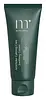
This calming moisturizer is formulated around Niacinamide and Panthenol to calm redness and strengthen the skin barrier.
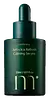
This calming serum is formulated around Panthenol and Artemisia Annua Extract to calm redness and strengthen the skin barrier.

What's inside
What's inside
 Key Ingredients
Benefits
Concerns
Ingredients Side-by-side
Water
Skin ConditioningGlycerin
Humectant


2,3-Butanediol
Humectant1,2-Hexanediol
Skin Conditioning
Niacinamide
Smoothing









C13-15 Alkane
SolventCaprylic/Capric Triglyceride
Masking
Cynara Scolymus Leaf Extract
Skin ConditioningPhyllanthus Emblica Fruit Extract
HumectantCoccinia Indica Fruit Extract
Skin Conditioning
Lactobacillus Ferment Extract
Skin ConditioningSolanum Melongena Fruit Extract
Skin ConditioningCurcuma Longa Root Extract
Antioxidant

Ocimum Sanctum Leaf Extract
Skin ConditioningBeta Vulgaris Sprout Extract
Skin ConditioningBambusa Vulgaris Leaf/Stem Extract
HumectantChamomilla Recutita Extract
Skin Conditioning
Macrocystis Pyrifera Extract
Skin Conditioning

Thymus Vulgaris Water
Antioxidant
Soluble Collagen
Humectant
Beta-Glucan
Skin Conditioning
Sodium Acrylates Copolymer
Betaine
Humectant
Ammonium Acryloyldimethyltaurate/Vp Copolymer
Polyglyceryl-2 Stearate
Emulsifying

Glyceryl Stearate
Emollient
Stearyl Alcohol
Emollient
Panthenol
Skin Conditioning
Acrylates/C10-30 Alkyl Acrylate Crosspolymer
Emulsion StabilisingArginine
Masking
Lecithin
Emollient
Xanthan Gum
EmulsifyingAllantoin
Skin Conditioning
Dipotassium Glycyrrhizate
Humectant
Citric Acid
Buffering
Tocopherol
Antioxidant
Adenosine
Skin Conditioning
Cyamopsis Tetragonoloba Gum
Emulsion StabilisingButylene Glycol
Humectant
Agar
MaskingSodium Citrate
BufferingSqualane
Emollient
Ectoin
Skin Conditioning
Cucurbita Pepo Powder
Skin ConditioningMoringa Oleifera Seed Oil
Emollient
Parfum
Masking

Ethylhexylglycerin
Skin ConditioningPentylene Glycol
Skin Conditioning
Caprylyl Glycol
Emollient
Water, Glycerin, 2,3-Butanediol, 1,2-Hexanediol, Niacinamide, C13-15 Alkane, Caprylic/Capric Triglyceride, Cynara Scolymus Leaf Extract, Phyllanthus Emblica Fruit Extract, Coccinia Indica Fruit Extract, Lactobacillus Ferment Extract, Solanum Melongena Fruit Extract, Curcuma Longa Root Extract, Ocimum Sanctum Leaf Extract, Beta Vulgaris Sprout Extract, Bambusa Vulgaris Leaf/Stem Extract, Chamomilla Recutita Extract, Macrocystis Pyrifera Extract, Thymus Vulgaris Water, Soluble Collagen, Beta-Glucan, Sodium Acrylates Copolymer, Betaine, Ammonium Acryloyldimethyltaurate/Vp Copolymer, Polyglyceryl-2 Stearate, Glyceryl Stearate, Stearyl Alcohol, Panthenol, Acrylates/C10-30 Alkyl Acrylate Crosspolymer, Arginine, Lecithin, Xanthan Gum, Allantoin, Dipotassium Glycyrrhizate, Citric Acid, Tocopherol, Adenosine, Cyamopsis Tetragonoloba Gum, Butylene Glycol, Agar, Sodium Citrate, Squalane, Ectoin, Cucurbita Pepo Powder, Moringa Oleifera Seed Oil, Parfum, Ethylhexylglycerin, Pentylene Glycol, Caprylyl Glycol
Water
Skin ConditioningGlycerin
Humectant
Dipropylene Glycol
Humectant1,2-Hexanediol
Skin Conditioning
Panthenol
Skin Conditioning
Pentylene Glycol
Skin Conditioning
Butylene Glycol
Humectant
Xylitylglucoside
Humectant
Trehalose
Humectant
Anhydroxylitol
Humectant
Xylitol
Humectant
Sodium Acrylates Copolymer
Dimethicone
Emollient
Ammonium Acryloyldimethyltaurate/Vp Copolymer
Acrylates/C10-30 Alkyl Acrylate Crosspolymer
Emulsion StabilisingLimnanthes Alba Seed Oil
Skin Conditioning
Tromethamine
BufferingGlucuronic Acid
Buffering
Ethylhexylglycerin
Skin ConditioningGlyceryl Caprylate
EmollientCitrus Unshiu Peel Extract
MaskingVitis Vinifera Fruit Extract
Skin ConditioningPyrus Malus Fruit Extract
Skin Conditioning
Fomes Officinalis Extract
Skin ProtectingZanthoxylum Piperitum Fruit Extract
Skin ConditioningDioscorea Japonica Root Extract
Skin Conditioning
Dextrin
AbsorbentSodium Hyaluronate
Humectant
Artemisia Annua Extract
Masking
Centella Asiatica Extract
Cleansing
Hippophae Rhamnoides Extract
MaskingPolyglyceryl-3 Methylglucose Distearate
Emulsifying
Caprylyl Glycol
Emollient
Hydrogenated Lecithin
Emulsifying
Madecassoside
Antioxidant
Asiaticoside
Antioxidant
Asiatic Acid
Skin Conditioning
Phytosphingosine
Skin Conditioning
Methylpropanediol
SolventSodium Stearoyl Glutamate
CleansingSodium Hyaluronate Crosspolymer
Humectant
Hydrolyzed Hyaluronic Acid
Humectant
Hyaluronic Acid
Humectant
Sodium Acetylated Hyaluronate
Humectant
Potassium Hyaluronate
Skin ConditioningHydrolyzed Sodium Hyaluronate
Skin Conditioning
Water, Glycerin, Dipropylene Glycol, 1,2-Hexanediol, Panthenol, Pentylene Glycol, Butylene Glycol, Xylitylglucoside, Trehalose, Anhydroxylitol, Xylitol, Sodium Acrylates Copolymer, Dimethicone, Ammonium Acryloyldimethyltaurate/Vp Copolymer, Acrylates/C10-30 Alkyl Acrylate Crosspolymer, Limnanthes Alba Seed Oil, Tromethamine, Glucuronic Acid, Ethylhexylglycerin, Glyceryl Caprylate, Citrus Unshiu Peel Extract, Vitis Vinifera Fruit Extract, Pyrus Malus Fruit Extract, Fomes Officinalis Extract, Zanthoxylum Piperitum Fruit Extract, Dioscorea Japonica Root Extract, Dextrin, Sodium Hyaluronate, Artemisia Annua Extract, Centella Asiatica Extract, Hippophae Rhamnoides Extract, Polyglyceryl-3 Methylglucose Distearate, Caprylyl Glycol, Hydrogenated Lecithin, Madecassoside, Asiaticoside, Asiatic Acid, Phytosphingosine, Methylpropanediol, Sodium Stearoyl Glutamate, Sodium Hyaluronate Crosspolymer, Hydrolyzed Hyaluronic Acid, Hyaluronic Acid, Sodium Acetylated Hyaluronate, Potassium Hyaluronate, Hydrolyzed Sodium Hyaluronate
Reviews
Ingredients Explained
These ingredients are found in both products.
Ingredients higher up in an ingredient list are typically present in a larger amount.
1,2-Hexanediol is a synthetic liquid and another multi-functional powerhouse.
It is a:
- Humectant, drawing moisture into the skin
- Emollient, helping to soften skin
- Solvent, dispersing and stabilizing formulas
- Preservative booster, enhancing the antimicrobial activity of other preservatives
Acrylates/C10-30 Alkyl Acrylate Crosspolymer is a synthetic polymer. It is used to thicken, emulsify, and improve the texture of products.
As an emulsifier, it helps stabilize oil-in-water emulsions to give products an elegant feel when applied.
It can also form a thin protective film on skin. One study found that a formula using this polymer helped slow down how quickly other ingredients (like DEET) were absorbed through skin.
A 2024 study of over 1,300 patients confirmed that sensitization to this ingredient is rare. It is also non-mutagenic and has a clean track record.
Learn more about Acrylates/C10-30 Alkyl Acrylate CrosspolymerAmmonium Acryloyldimethyltaurate/Vp Copolymer is a synthetically created polymer. It's used as a film-forming agent and used to thicken the consistency of products.
Think of it as a supportive ingredient that helps your gel-creams feel silky, "cloud cream-like", and spread evenly without being greasy.
The Cosmetic Ingredient Review (CIR) Expert Panel evaluated it (along with 22 other acryloyldimethyltaurate polymers) and concluded it's:
Due to its large molecular size, it sits on the surface of skin rather than penetrating it.
Learn more about Ammonium Acryloyldimethyltaurate/Vp CopolymerButylene Glycol (or BG) is used within cosmetic products for a few different reasons:
Overall, Butylene Glycol is a safe and well-rounded ingredient that works well with other ingredients.
Though this ingredient works well with most skin types, some people with sensitive skin may experience a reaction such as allergic rashes, closed comedones, or itchiness.
Learn more about Butylene GlycolCaprylyl Glycol is a humectant, skin conditioner, emollient, and preservative booster derived from either caprylic acid or synthetically created.
Typical use levels vary from 0.3-1% as a preservative booster and go up to 2% to condition skin.
Because it is not a free-fatty acid, this ingredient is fungal acne safe (there's nothing for Malassezia to feed on).
Learn more about Caprylyl GlycolEthylhexylglycerin is created from glycerin. It is a multitasker ingredient that:
The CIR Expert Panel found minimal skin absorption or sensitization of any kind in a safety assessment. Though this ingredient is considered well-tolerated, a small number of cases of allergic dermatitis have been published since 2002. Just be sure to patch test if you are unsure.
Industry-reported use ranges from 8% in rinse-off products and 2% in leave-on formulations.
Learn more about EthylhexylglycerinGlycerin (or glycerol) is a compound naturally found in your skin. It's a powerhouse humectant that pulls water into the stratum corneum.
Topically, glycerin does several things at once:
Your skin makes glycerin on its own (mostly from sebaceous oil breakdown) and shuttles it to your outermost layer of skin, or your epidermis, via aquaporin-3.
Aquaporin-3 is a transporter that is essential for normal skin hydration, elasticity, and repair. Interestingly, mice lacking in AQP3 have dry and less elastic skin that can be fully corrected with glycerin.
This ingredient is non-irritating, plays well with almost every ingredient, and works across all skin types. Typical use is anywhere between 3-10% but can go up to 79% in some leave-on products.
Just know very high concentrations (>40%) can feel tacky in low humidity.
Glycerin is the name for this ingredient in American English. British English uses Glycerol/Glycerine.
Learn more about GlycerinPanthenol is a common ingredient that helps hydrate and soothe the skin. It is found naturally in our skin and hair.
There are two forms of panthenol: D and L.
D-panthenol is also known as dexpanthenol. Most cosmetics use dexpanthenol or a mixture of D and L-panthenol.
Panthenol is famous due to its ability to go deeper into the skin's layers. Using this ingredient has numerous pros (and no cons):
Like hyaluronic acid, panthenol is a humectant. Humectants are able to bind and hold large amounts of water to keep skin hydrated.
This ingredient works well for wound healing. It works by increasing tissue in the wound and helps close open wounds.
Once oxidized, panthenol converts to pantothenic acid. Panthothenic acid is found in all living cells.
This ingredient is also referred to as pro-vitamin B5.
Learn more about PanthenolPentylene Glycol (1,2-pentanediol) is a multitasking little diol with three main roles in a formula:
Research on alkanediols (the family pentylene glycol belongs to) show they work by disrupting microbial cell membranes. This disruption helps the primary preservative system in a product work more effectively at lower doses.
On the safety side, the Cosmetic Ingredient Review Expert Panel has concluded this ingredient to be safe as used in current cosmetic practices + concentrations.
Typical use levels in a formula run about 1-5%.
Learn more about Pentylene GlycolThis ingredient is a synthetic, salt form polymer built from acrylic acid, ethacrylic acid, or their simple esters. It works as a binder, film former, and viscosity increasing agent.
Typical concentrations start at around 0.5% but can go up to 25% for film-forming or binding.
The CIR Expert Panel assessed the safety of 126 acrylates copolymers and concluded they are safe in cosmetics at current use levels when formulated to be non-irritating. They also noted the levels present in finished cosmetic products are not considered a safety risk and Genotoxicity testing (Ames tests, chromosomal aberration assays) has come back negative across the board.
Though the raw building blocks (like acrylic acid) can be irritating on their own, cosmetic-grade versions go through purification to keep levels extremely low.
Sodium Acrylates Copolymer is a large molecule that doesn't penetrate skin barrier in any meaningful way.
Learn more about Sodium Acrylates CopolymerWater. It's the most common cosmetic ingredient of all. You'll usually see it at the top of ingredient lists, meaning that it makes up the largest part of the product.
So why is it so popular? Water most often acts as a solvent - this means that it helps dissolve other ingredients into the formulation.
You'll also recognize water as that liquid we all need to stay alive. If you see this, drink a glass of water. Remember to stay hydrated!
Learn more about Water



