
What's inside
What's inside
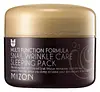 Key Ingredients
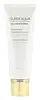
Benefits
Concerns
Ingredients Side-by-side
Snail Secretion Filtrate
Skin Conditioning





Glycerin
Humectant
Water
Skin ConditioningCetyl Ethylhexanoate
EmollientButylene Glycol
Humectant
Dipropylene Glycol
HumectantCetearyl Alcohol
Emollient




Cyclopentasiloxane
Emollient
Citrus Limon Peel Oil
Masking





Olea Europaea Fruit Oil
Masking
Citrus Aurantium Dulcis Oil
Masking
Citrus Aurantium Bergamia Fruit Oil
Masking
Cedrus Atlantica Bark Oil
Masking
Citrus Aurantium Dulcis Fruit Extract
MaskingCitrus Grandis Fruit Extract
Astringent
Pinus Sylvestris Leaf Oil
Masking
Lavandula Angustifolia Extract
Skin Conditioning
Salvia Sclarea Oil
Masking
Aniba Rosodora Wood Oil
Astringent
Eucalyptus Globulus Leaf Oil
Perfuming
Citrus Aurantifolia Oil
Cleansing
Coriandrum Sativum Fruit Oil
Masking
Salvia Officinalis Oil
Masking
Artemisia Absinthium Extract
Skin ConditioningChamomilla Recutita Flower Extract
Masking
Butyrospermum Parkii Butter
Skin Conditioning
Caulerpa Lentillifera Extract
Sea Water
HumectantTremella Fuciformis Extract
Humectant
Saccharomyces Ferment Filtrate
Humectant
Vanilla Planifolia Fruit Extract
Skin Conditioning
Santalum Album Oil
Masking
Honey Extract
Humectant
Aureobasidium Pullulans Ferment
Skin ConditioningFomes Officinalis Extract
Skin ProtectingAcacia Seyal Gum Extract
HumectantGlycine Max Seed Extract
Skin ConditioningDioscorea Japonica Root Extract
Skin Conditioning
Glyceryl Stearate
Emollient
Hydrogenated Polydecene
EmollientCyclohexasiloxane
Emollient
Sodium Polyacrylate
Absorbent
Sorbitan Stearate
Emulsifying
PEG-100 Stearate
Magnesium Aluminum Silicate
Absorbent
Polysorbate 80
Emulsifying
Caprylyl Glycol
Emollient
Dimethicone
Emollient
Aminomethyl Propanol
BufferingAdenosine
Skin Conditioning
Propylene Glycol
Humectant
Pentylene Glycol
Skin Conditioning
Ethyl Hexanediol
SolventGlyceryl Caprylate
Emollient1,2-Hexanediol
Skin Conditioning
Ethylhexylglycerin
Skin ConditioningSh-Octapeptide-4
Antioxidant

Sh-Decapeptide-7
Antioxidant
Sh-Pentapeptide-19
Skin Conditioning
Sh-Oligopeptide-9
Humectant
Carbomer
Emulsion StabilisingXanthan Gum
EmulsifyingDisodium EDTA
Phenoxyethanol
Preservative
Potassium Sorbate
Preservative
Snail Secretion Filtrate, Glycerin, Water, Cetyl Ethylhexanoate, Butylene Glycol, Dipropylene Glycol, Cetearyl Alcohol, Cyclopentasiloxane, Citrus Limon Peel Oil, Olea Europaea Fruit Oil, Citrus Aurantium Dulcis Oil, Citrus Aurantium Bergamia Fruit Oil, Cedrus Atlantica Bark Oil, Citrus Aurantium Dulcis Fruit Extract, Citrus Grandis Fruit Extract, Pinus Sylvestris Leaf Oil, Lavandula Angustifolia Extract, Salvia Sclarea Oil, Aniba Rosodora Wood Oil, Eucalyptus Globulus Leaf Oil, Citrus Aurantifolia Oil, Coriandrum Sativum Fruit Oil, Salvia Officinalis Oil, Artemisia Absinthium Extract, Chamomilla Recutita Flower Extract, Butyrospermum Parkii Butter, Caulerpa Lentillifera Extract, Sea Water, Tremella Fuciformis Extract, Saccharomyces Ferment Filtrate, Vanilla Planifolia Fruit Extract, Santalum Album Oil, Honey Extract, Aureobasidium Pullulans Ferment, Fomes Officinalis Extract, Acacia Seyal Gum Extract, Glycine Max Seed Extract, Dioscorea Japonica Root Extract, Glyceryl Stearate, Hydrogenated Polydecene, Cyclohexasiloxane, Sodium Polyacrylate, Sorbitan Stearate, PEG-100 Stearate, Magnesium Aluminum Silicate, Polysorbate 80, Caprylyl Glycol, Dimethicone, Aminomethyl Propanol, Adenosine, Propylene Glycol, Pentylene Glycol, Ethyl Hexanediol, Glyceryl Caprylate, 1,2-Hexanediol, Ethylhexylglycerin, Sh-Octapeptide-4, Sh-Decapeptide-7, Sh-Pentapeptide-19, Sh-Oligopeptide-9, Carbomer, Xanthan Gum, Disodium EDTA, Phenoxyethanol, Potassium Sorbate
Chamaecyparis Obtusa Water
MaskingSnail Secretion Filtrate
Skin Conditioning
Glycerin
Humectant
Butylene Glycol
Humectant
Caprylic/Capric Triglyceride
Masking
Behenyl Alcohol
Emollient
Adansonia Digitata Seed Extract
Skin ConditioningCetearyl Alcohol
Emollient
Sucrose Polystearate
EmollientSodium Polyacrylate
Absorbent
Caprylyl Glycol
Emollient
Ethylhexylglycerin
Skin ConditioningSorbitol
Humectant
Hydrogenated Polyisobutene
EmollientParfum
Masking
Hydroxypropyl Cyclodextrin
MaskingTocopheryl Acetate
Antioxidant

Disodium EDTA
Centella Asiatica Meristem Cell Culture
Antioxidant
Xanthan Gum
EmulsifyingChamaecyparis Obtusa Water, Snail Secretion Filtrate, Glycerin, Butylene Glycol, Caprylic/Capric Triglyceride, Behenyl Alcohol, Adansonia Digitata Seed Extract, Cetearyl Alcohol, Sucrose Polystearate, Sodium Polyacrylate, Caprylyl Glycol, Ethylhexylglycerin, Sorbitol, Hydrogenated Polyisobutene, Parfum, Hydroxypropyl Cyclodextrin, Tocopheryl Acetate, Disodium EDTA, Centella Asiatica Meristem Cell Culture, Xanthan Gum
Reviews
Ingredients Explained
These ingredients are found in both products.
Ingredients higher up in an ingredient list are typically present in a larger amount.
Butylene Glycol (or BG) is used within cosmetic products for a few different reasons:
Overall, Butylene Glycol is a safe and well-rounded ingredient that works well with other ingredients.
Though this ingredient works well with most skin types, some people with sensitive skin may experience a reaction such as allergic rashes, closed comedones, or itchiness.
Learn more about Butylene GlycolCaprylyl Glycol is a humectant, skin conditioner, emollient, and preservative booster derived from either caprylic acid or synthetically created.
Typical use levels vary from 0.3-1% as a preservative booster and go up to 2% to condition skin.
Because it is not a free-fatty acid or alcohol, this ingredient is fungal acne safe (there's nothing for Malassezia to feed on).
Learn more about Caprylyl GlycolCetearyl alcohol is a waxy mixture of two fatty alcohols: cetyl alcohol and stearyl alcohol. It is an emollient and emulsifier.
Despite having "alcohol" in its name, it has nothing to do with drying solvent alcohols; the FDA also allows "alcohol-free" products to contain fatty alcohols like this ingredient.
It plays several roles in a formula:
Typical use levels for this ingredient sit around 1-10% and the Cosmetic Ingredient Review Expert Panel has affirmed safety at concentrations up to 25% in leave-on products.
Multiple assessments have found it to be non-irritating and non-sensitizing to most people.
However, there have been some cases of allergic contact dermatitis in patients with chronically compromised skin barriers.
Cetearyl alcohol has a comedogenic rating of 2 and irritancy rating of 1. Both of these numbers come from the 1989 study that used rabbit ears; a "2" means mildly comedogenic and a "1" means low irritancy.
Here's the catch: rabbit skin is more sensitive than human skin and throws a lot of false positives. A 1996 reappraisal found that ingredients rated 1-2 in the rabbit ear tests are generally safe for humans.
Remember comedogenic ratings are unable to assess the entire formula of a product or how it will react on your skin. Just be sure to patch test if you are unsure about certain ingredients.
This ingredient is not fungal acne safe. Cetearyl alcohol is a fatty alcohol with chain lengths that fall within the range that Malassezia can metabolize.
Learn more about Cetearyl AlcoholDisodium EDTA is a chelating agent. It grabs onto and deactivates metal ions that sneak into your products from water, packaging, or air.
This ingredient mainly works behind the scenes and helps with:
On top of that, this ingredient can counteract the effects of hard water by binding to the minerals in it.
One thing worth knowing is that Disodium EDTA has been shown to be a mild penetration enhancer. It can help other ingredients absorb into skin more effectively which can be a double-edged sword (great for actives, but can also make the active too strong if you have sensitive skin).
Clinical patch testing showed no significant skin irritation at typical use concentrations and minimal dermal absorption.
You'll most likely see this ingredient near the end of an ingredient list. It's typically found in concentrations less than 1%.
Learn more about Disodium EDTAEthylhexylglycerin is created from glycerin. It is a multitasker ingredient that:
The CIR Expert Panel found minimal skin absorption or sensitization of any kind in a safety assessment. Though this ingredient is considered well-tolerated, a small number of cases of allergic dermatitis have been published since 2002. Just be sure to patch test if you are unsure.
Industry-reported use ranges from 8% in rinse-off products and 2% in leave-on formulations.
Learn more about EthylhexylglycerinGlycerin (or glycerol) is a compound naturally found in your skin. It's a powerhouse humectant that pulls water into the stratum corneum.
Topically, glycerin does several things at once:
Your skin makes glycerin on its own (mostly from sebaceous oil breakdown) and shuttles it to your outermost layer of skin, or your epidermis, via aquaporin-3.
Aquaporin-3 is a transporter that is essential for normal skin hydration, elasticity, and repair. Interestingly, mice lacking in AQP3 have dry and less elastic skin that can be fully corrected with glycerin.
This ingredient is non-irritating, plays well with almost every ingredient, and works across all skin types. Typical use is anywhere between 3-10% but can go up to 79% in some leave-on products.
Just know very high concentrations (>40%) can feel tacky in low humidity.
Glycerin is the name for this ingredient in American English. British English uses Glycerol/Glycerine.
Learn more about GlycerinSnail Secretion Filtrate is the excretion from snails. It is an effective moisturizer and promotes collagen production.
A popular nickname for this ingredient is 'Snail Mucin'.
Snail mucin has numerous skin benefits:
On top of this, Snail Secretion Filtrate contains a variety of vitamins and minerals. These include copper peptides, Vitamin A, and Vitamin E. Vitamins A and E are antioxidants. Antioxidants help fight free-radicals that damage skin cells.
Being cruelty-free means a brand does not experiment on animals.
If you're worried about the well-being of the snails, we recommend looking more into the company of the product. Many brands have developed humane methods to collect snail mucin.
There is much debate on this subject. On one hand, this ingredient comes from an animal. On the other hand, many will argue the ingredient is naturally secreted (like a natural by-product) and therefore vegan. If you have reservations, you can look into Galactomyces Ferment Filtrate or Centella Asiatica Extract as alternatives.
Learn more about Snail Secretion FiltrateSodium Polyacrylate is the sodium salt of polyacrylic acid. It is used as an absorber, emollient, and stabilizer.
This ingredient is a super-absorbent polymer - meaning it can absorb 100 to 1000 times its mass in water. As an emollient, Sodium Polyacrylate helps soften and soothe skin. Emollients work by creating a barrier to trap moisture in. This helps keep your skin hydrated.
Xanthan gum is used as a stabilizer and thickener within cosmetic products. It helps give products a sticky, thick feeling - preventing them from being too runny.
On the technical side of things, xanthan gum is a polysaccharide - a combination consisting of multiple sugar molecules bonded together.
Xanthan gum is a pretty common and great ingredient. It is a natural, non-toxic, non-irritating ingredient that is also commonly used in food products.
Learn more about Xanthan Gum
