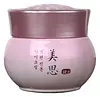
This barrier-repair eye moisturizer is formulated around Squalane and Panthenol to strengthen the skin barrier and hydrate skin.
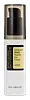
This anti-aging eye moisturizer is formulated around Snail Secretion Filtrate and Niacinamide to soften the look of wrinkles and hydrate skin.

What's inside
What's inside
 Key Ingredients
Benefits
Concerns
Ingredients Side-by-side
Water
Skin ConditioningGlycerin
Humectant


Dipentaerythrityl Hexa C5-9 Acid Esters
Skin ConditioningButylene Glycol Dicaprylate/Dicaprate
EmollientCetyl Ethylhexanoate
EmollientCetearyl Alcohol
Emollient






Hydrogenated Vegetable Oil
Emollient
Propanediol
Solvent
Squalane
Emollient
Neopentyl Glycol Diheptanoate
EmollientPolyglyceryl-3 Methylglucose Distearate
Emulsifying
Panthenol
Skin Conditioning

Stearic Acid
Cleansing
Palmitic Acid
Emollient
Pinus Thunbergii Branch/Leaf Extract
Skin ProtectingEthyl Hexanediol
SolventTricholoma Matsutake Extract
Skin ConditioningPanax Ginseng Root Extract
Emollient
Poria Cocos Extract
Skin ConditioningRehmannia Chinensis Root Extract
Skin ConditioningMacadamia Ternifolia Seed Oil
Emollient
Honey Extract
Humectant
Butylene Glycol
Humectant
Beta-Sitosterol
Emulsion Stabilising
Brassica Campestris Sterols
EmollientPEG-5 Rapeseed Sterol
Cleansing
Choleth-24
EmulsifyingCeteth-24
CleansingHydrogenated Lecithin
Emulsifying
Ceramide NP
Skin Conditioning
Portulaca Oleracea Extract
Skin Conditioning
Angelica Dahurica Root Extract
Skin ConditioningAdenophora Stricta Root Extract
HumectantCnidium Officinale Rhizome Extract
Skin ConditioningCoptis Japonica Extract
AntimicrobialForsythia Suspensa Fruit Extract
Antioxidant
Fritillaria Verticillata Bulb Extract
Skin ConditioningGlycyrrhiza Glabra Root Extract
Bleaching

Gardenia Florida Fruit Extract
Skin ConditioningScutellaria Baicalensis Root Extract
Astringent
Schizonepeta Tenuifolia Extract
Skin ConditioningMorus Alba Bark Extract
Skin ConditioningPapaver Rhoeas Petal Extract
EmollientTheobroma Cacao Extract
Skin ConditioningBeeswax
Emulsion Stabilising
Dextrin
AbsorbentCetyl Phosphate
EmulsifyingLecithin
Emollient
Glyceryl Stearate
Emollient
Behenyl Alcohol
Emollient
Polyacrylate-13
Polyisobutene
Glyceryl Linoleate
Emollient
Tocopheryl Acetate
Antioxidant
Glyceryl Polyacrylate
Polysorbate 20
Emulsifying
Caprylic/Capric Triglyceride
Masking
Glyceryl Arachidonate
Emollient
Adenosine
Skin Conditioning
Sorbitan Isostearate
Emulsifying
Alcohol Denat.
Antimicrobial


BHT
Antioxidant
Benzophenone-5
UV Absorber
Chlorphenesin
Antimicrobial
Disodium EDTA
ChelatingPhenoxyethanol
Preservative
Caprylyl Glycol
Emollient
Ethylhexylglycerin
Skin Conditioning1,2-Hexanediol
Skin Conditioning
Parfum
Masking

Water, Glycerin, Dipentaerythrityl Hexa C5-9 Acid Esters, Butylene Glycol Dicaprylate/Dicaprate, Cetyl Ethylhexanoate, Cetearyl Alcohol, Hydrogenated Vegetable Oil, Propanediol, Squalane, Neopentyl Glycol Diheptanoate, Polyglyceryl-3 Methylglucose Distearate, Panthenol, Stearic Acid, Palmitic Acid, Pinus Thunbergii Branch/Leaf Extract, Ethyl Hexanediol, Tricholoma Matsutake Extract, Panax Ginseng Root Extract, Poria Cocos Extract, Rehmannia Chinensis Root Extract, Macadamia Ternifolia Seed Oil, Honey Extract, Butylene Glycol, Beta-Sitosterol, Brassica Campestris Sterols, PEG-5 Rapeseed Sterol, Choleth-24, Ceteth-24, Hydrogenated Lecithin, Ceramide NP, Portulaca Oleracea Extract, Angelica Dahurica Root Extract, Adenophora Stricta Root Extract, Cnidium Officinale Rhizome Extract, Coptis Japonica Extract, Forsythia Suspensa Fruit Extract, Fritillaria Verticillata Bulb Extract, Glycyrrhiza Glabra Root Extract, Gardenia Florida Fruit Extract, Scutellaria Baicalensis Root Extract, Schizonepeta Tenuifolia Extract, Morus Alba Bark Extract, Papaver Rhoeas Petal Extract, Theobroma Cacao Extract, Beeswax, Dextrin, Cetyl Phosphate, Lecithin, Glyceryl Stearate, Behenyl Alcohol, Polyacrylate-13, Polyisobutene, Glyceryl Linoleate, Tocopheryl Acetate, Glyceryl Polyacrylate, Polysorbate 20, Caprylic/Capric Triglyceride, Glyceryl Arachidonate, Adenosine, Sorbitan Isostearate, Alcohol Denat., BHT, Benzophenone-5, Chlorphenesin, Disodium EDTA, Phenoxyethanol, Caprylyl Glycol, Ethylhexylglycerin, 1,2-Hexanediol, Parfum
Snail Secretion Filtrate
Skin Conditioning
Butylene Glycol
Humectant
Glycerin
Humectant
Helianthus Annuus Seed Oil
Emollient
1,2-Hexanediol
Skin Conditioning
Niacinamide
Smoothing




Water
Skin ConditioningPalmitic Acid
Emollient
Arginine
Masking
Carbomer
Emulsion StabilisingStearic Acid
Cleansing
Betaine
Humectant
Cetearyl Olivate
Sorbitan Olivate
Emulsifying
Sodium Polyacrylate
Absorbent
Allantoin
Skin Conditioning
Tocopheryl Acetate
Antioxidant
Panthenol
Skin Conditioning
Hydroxyethyl Acrylate/Sodium Acryloyldimethyl Taurate Copolymer
Emulsion StabilisingSodium Hyaluronate
Humectant
Adenosine
Skin Conditioning
Xanthan Gum
EmulsifyingMyristic Acid
Cleansing
Copper Tripeptide-1
Skin Conditioning
Acetyl Hexapeptide-8
Humectant
Palmitoyl Pentapeptide-4
Skin Conditioning
Palmitoyl Tripeptide-1
Skin Conditioning
Palmitoyl Tetrapeptide-7
Skin Conditioning
Snail Secretion Filtrate, Butylene Glycol, Glycerin, Helianthus Annuus Seed Oil, 1,2-Hexanediol, Niacinamide, Water, Palmitic Acid, Arginine, Carbomer, Stearic Acid, Betaine, Cetearyl Olivate, Sorbitan Olivate, Sodium Polyacrylate, Allantoin, Tocopheryl Acetate, Panthenol, Hydroxyethyl Acrylate/Sodium Acryloyldimethyl Taurate Copolymer, Sodium Hyaluronate, Adenosine, Xanthan Gum, Myristic Acid, Copper Tripeptide-1, Acetyl Hexapeptide-8, Palmitoyl Pentapeptide-4, Palmitoyl Tripeptide-1, Palmitoyl Tetrapeptide-7
Reviews
Ingredients Explained
These ingredients are found in both products.
Ingredients higher up in an ingredient list are typically present in a larger amount.
1,2-Hexanediol is a synthetic liquid and another multi-functional powerhouse.
It is a:
- Humectant, drawing moisture into the skin
- Emollient, helping to soften skin
- Solvent, dispersing and stabilizing formulas
- Preservative booster, enhancing the antimicrobial activity of other preservatives
Adenosine is a purine nucleoside that your body already makes in every cell. In skincare, it acts mainly as a skin conditioning and anti-aging agent.
The way it works is fairly well mapped out:
Your skin has cells called fibroblasts that build collagen (the stuff that keeps skin firm and smooth). Adenosine basically flips a switch on these cells that tells them to get to work making more collagen and other proteins. These cells slow down on their own as skin ages, so Adenosine helps give them a little nudge to keep going.
The clinical backing is pretty solid too.
A blind, randomized, placebo-controlled trial of 126 women aged 45-65 tested a 0.1% cream twice daily and found real improvements in crow's feet and frown lines using a precise 3D skin-mapping technique; these changes showed up by week 3 and held at 2 months.
A later study using Adenosine-loaded dissolving microneedle patches reported gains in wrinkle depth, dermal density, elasticity, and hydration.
On concentrations, South Korea's Ministry of Food and Drug Safety has set 0.04% as the approved functional anti-wrinkle level. You'll typically see this ingredient used somewhere in the 0.04-0.1% range since it works at low doses.
This ingredient has been found safe for cosmetics with the data showing no irritation or sensitization.
Overall, this is a great ingredient for any anti-aging routine and has no photosensitizing effect, so it suits both AM and PM use.
Learn more about AdenosineButylene Glycol (or BG) is used within cosmetic products for a few different reasons:
Overall, Butylene Glycol is a safe and well-rounded ingredient that works well with other ingredients.
Though this ingredient works well with most skin types, some people with sensitive skin may experience a reaction such as allergic rashes, closed comedones, or itchiness.
Learn more about Butylene GlycolGlycerin (or glycerol) is a compound naturally found in your skin. It's a powerhouse humectant that pulls water into the stratum corneum.
Topically, glycerin does several things at once:
Your skin makes glycerin on its own (mostly from sebaceous oil breakdown) and shuttles it to your outermost layer of skin, or your epidermis, via aquaporin-3.
Aquaporin-3 is a transporter that is essential for normal skin hydration, elasticity, and repair. Interestingly, mice lacking in AQP3 have dry and less elastic skin that can be fully corrected with glycerin.
This ingredient is non-irritating, plays well with almost every ingredient, and works across all skin types. Typical use is anywhere between 3-10% but can go up to 79% in some leave-on products.
Just know very high concentrations (>40%) can feel tacky in low humidity.
Glycerin is the name for this ingredient in American English. British English uses Glycerol/Glycerine.
Learn more about GlycerinPalmitic Acid is a fatty acid naturally found in our skin and in many plant and animal sources.
In cosmetics, it is usually derived from palm oil. It serves many purposes in skincare, acting as a cleanser, emollient, and emulsifier.
Interestingly, topically applied Palmitic Acid can be elongated into longer chain fatty acids and ceramides. A 2019 study found low levels of Palmitic Acid lead to slower development of cells, suggesting it plays a role in keeping your skin's renewal process on track.
The CIR (Cosmetic Ingredient Review) panel determined it safe as used in cosmetics at concentrations up to 13%. It is non-irritating and non-sensitizing in clinical studies.
The culprit behind fungal acne, the Malassezia yeast, feeds on fatty acids with carbon chain lengths between C11-C24. Palmitic Acid, at C16, falls right into that sweet spot.
In vitro studies have shown that Palmitic Acid is one of the fatty acids that induce rapid Malassezia growth in lab settings.
It's worth noting that what feeds yeast in a lab doesn't necessarily feed it on your face since formulation and your skin's chemistry play a bigger role.
This ingredient does have a comedogenic rating of 2, but this doesn't mean a formula with this ingredient will clog pores.
Human testing has proved that any finished product with a comedogenic ingredient won't automatically make you break out; it really comes down to concentration, formula, and your skin.
Learn more about Palmitic AcidPanthenol is a common ingredient that helps hydrate and soothe the skin. It is found naturally in our skin and hair.
There are two forms of panthenol: D and L.
D-panthenol is also known as dexpanthenol. Most cosmetics use dexpanthenol or a mixture of D and L-panthenol.
Panthenol is famous due to its ability to go deeper into the skin's layers. Using this ingredient has numerous pros (and no cons):
Like hyaluronic acid, panthenol is a humectant. Humectants are able to bind and hold large amounts of water to keep skin hydrated.
This ingredient works well for wound healing. It works by increasing tissue in the wound and helps close open wounds.
Once oxidized, panthenol converts to pantothenic acid. Panthothenic acid is found in all living cells.
This ingredient is also referred to as pro-vitamin B5.
Learn more about PanthenolStearic Acid is a fatty acid that is already found in your skin. It's one of the free fatty acids that works alongside ceramides and cholesterols to maintain your barrier.
In cosmetics, it is a multitasker:
Safety-wise, the CIR Expert Panel has concluded it to be safe in cosmetics when formulated to be non-irritating and non-sensitizing.
Free stearic acid is a C18 fatty acid that the Malassezia yeast can substrate, so this ingredient may not be fungal acne safe.
This ingredient does have a comedogenic rating of 2-3, but this doesn't mean a formula with this ingredient will clog pores.
Human testing has proved that any finished product with this ingredient won't automatically make you break out; it really comes down to concentration, formula, and your skin.
Learn more about Stearic AcidTocopheryl Acetate is a stable, shelf-friendly form of vitamin E.
Formulators love it because plain vitamin E oxidizes quickly once it hits air. This acetate version stays stable and resists going off, helping to extend a product's shelf life.
It's actually inactive on its own and works like a slow-release "storage" form; the enzymes in your skin called esterases gradually convert it into active vitamin E over time.
One in vivo study showed 5% of the acetate in the living layer of the epidermis converted to vitamin E after 5 days of application. This study also found the skin gained protection against UV damage even though the conversion was slow and small.
Once converted, vitamin E acts as a skin's main fat-soluble antioxidant that fights free radicals to protect skin from damage.
Topical vitamin E generally boosts the skin's photoprotection, and it reduced UV-damage in animal models.
This ingredient has some brightening potential but it's more of a prevention ingredient than spot-fader. Cell studies show it can slow down melanin production but it's worth noting that it's not the most powerful brightener out there.
Overall, it has a pretty solid safety profile and has been found to be non-irritating and non-comedogenic. Allergic reactions may happen but stay rare due to how widely the ingredient gets used.
The concentration will vary depending on the formula; industry data shows 0.1% in baby lotions, 3% in lipsticks, and 5% in foot powders. You can also find this ingredient at 100% in a pure vitamin E oil.
Most leave-on skincare keeps it at the lower end, often between 0.5-1%.
Learn more about Tocopheryl AcetateWater. It's the most common cosmetic ingredient of all. You'll usually see it at the top of ingredient lists, meaning that it makes up the largest part of the product.
So why is it so popular? Water most often acts as a solvent - this means that it helps dissolve other ingredients into the formulation.
You'll also recognize water as that liquid we all need to stay alive. If you see this, drink a glass of water. Remember to stay hydrated!
Learn more about Water

